Features / schools
Breakfast club paving the way for calmer classrooms
When MP for Bristol East Kerry McCarthy announced the expansion of free breakfast clubs to three more schools in the city on Facebook in December 2025, the reaction online was swift – and often scathing.
“It’s not ‘free’, the taxpayers are paying for it,” one person wrote. Others asked why “parents weren’t bothering to feed their kids” or suggested schools were picking up the slack for parents who are “ducking their duties”.
Although the online comments were largely critical, to many, breakfast clubs seem like a no-brainer: a way to help working parents – mothers in particular – to juggle childcare and their work life; for children to have more time with their friends; and more support for families still battling the cost-of-living crisis. What’s not to like?
is needed now More than ever
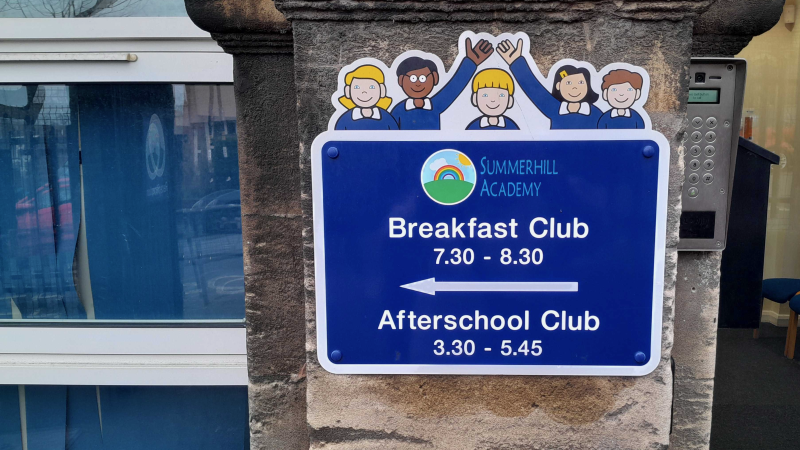
Beyond food, the breakfast club in St George serves as a setting for a calm start to the day for pupils
One of the first schools in Bristol to pilot the scheme in April 2025 was Summerhill Academy in St George.
During one of their breakfast clubs on a recent Wednesday morning, the story seemed to be one of community, working families, softer transitions and something the headteacher, Chris Barratt, described as a “low-stakes, low-threshold” start to the day.
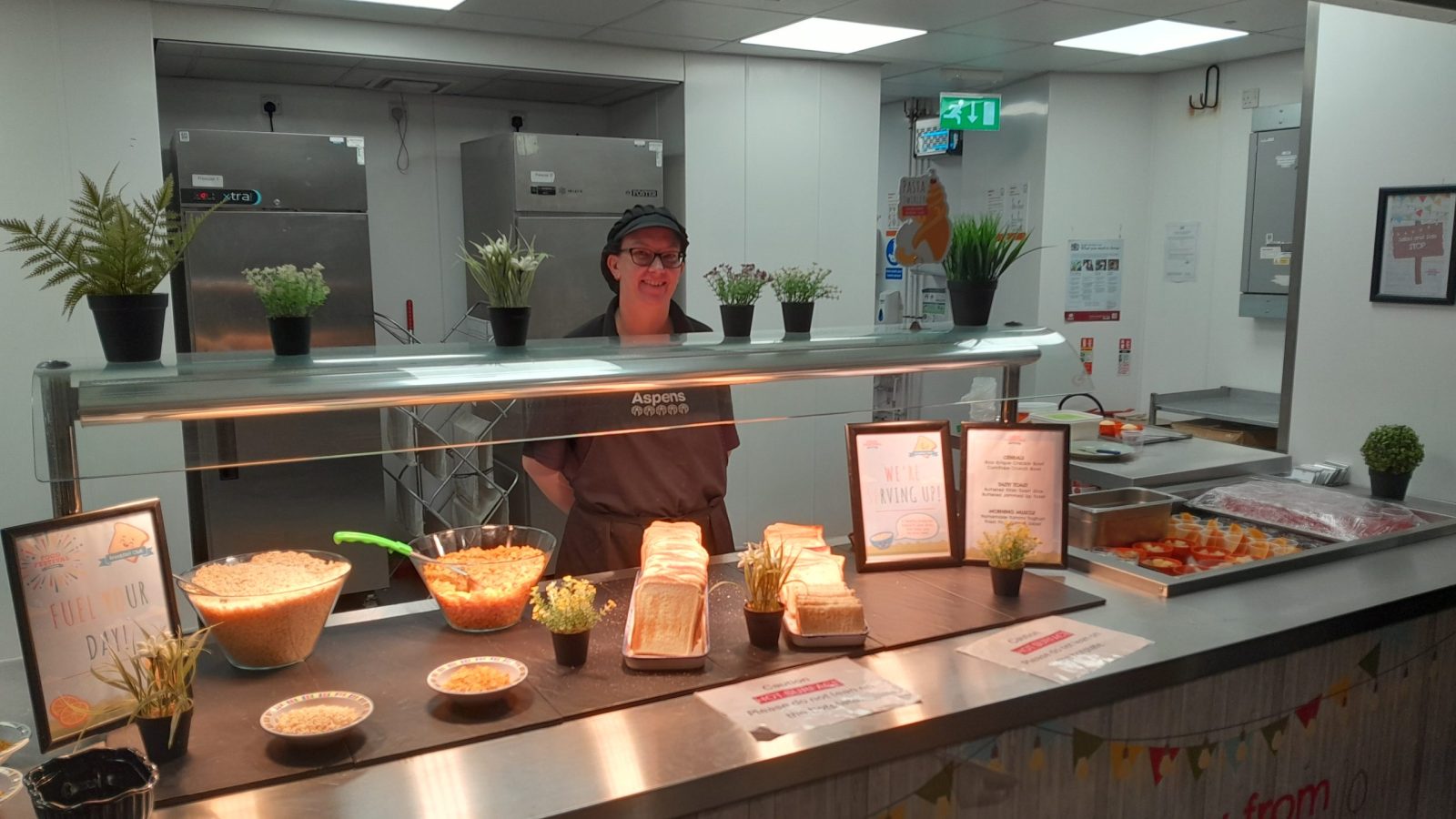
From 8.15am, children are already filtering through the gates. There is no rush, no frantic bell. Inside the hall, the breakfast spread is laid out neatly. There’s hot buttered toast, no-sugar cereal, fruit, yoghurt and juice. Children sit together, chatting quietly. It’s informal by design.
“At the start of the day, the children get to interact with each other in real life”, said Barratt. “Face-to-face, with no screens.”
The universal free breakfast club runs from 8.15am to 8.50am, when school officially starts, and is open to all junior school pupils. There’s no booking system. Children can simply turn up.
Before this, the school ran a paid breakfast provision from 7.30am costing £4.50 a session. Since the free scheme began in April 2025 that cost has been reduced to £3.50. The earlier, paid-for club still runs – and is still needed – particularly for families needing childcare from 7.30am.
The difference in take-up between the paid breakfast club and the free one, Barratt added, has been “great”.
The paid club attracts around 20 to 30 children a day. The free club sees up to 150, which is the majority of the school’s 225 pupils.
He continued: “It’s not always that children haven’t had breakfast at home. And the comments about, ‘oh, aren’t the families feeding them?’ Well, yes, some families do need that support. That’s part of it; the children get fed. However, some of the children have already had their breakfast.
“A large chunk of the benefit of it is actually more to do with getting children into school and seeing their friends and having that social time before the more academic side of school starts.”
Children filter upstairs to the classrooms to start on some extra-curricular maths before it’s time for the register. It’s not chaos. It’s not noisy. Kids are bent over their books. There is a hum of concentration. It feels calm.
Teachers, parents and pupils have noticed the difference since the breakfast club provision was expanded.
“Everybody, children, parents and staff, see that it’s just a softer start to the day,” said Barratt.
For some children, that soft start matters enormously.
“There will always be some children who, for example, have a little bit of school anxiety. Going in and the first thing they do when they’re at school is maths, which can sometimes be daunting.”
The breakfast club changes that transition.
“We’ve had direct feedback from some families that their child is happier leaving the door of their house,” Barratt explained.
It also reduces the pent-up energy and chatter of children who haven’t seen each other since the previous day.
“Before, there wasn’t time for the really natural thing of children wanting to have a chat with each other,” he said. “We provide that for them now in the breakfast club, which means that when they come into class, they sit and get on with their early morning work.”
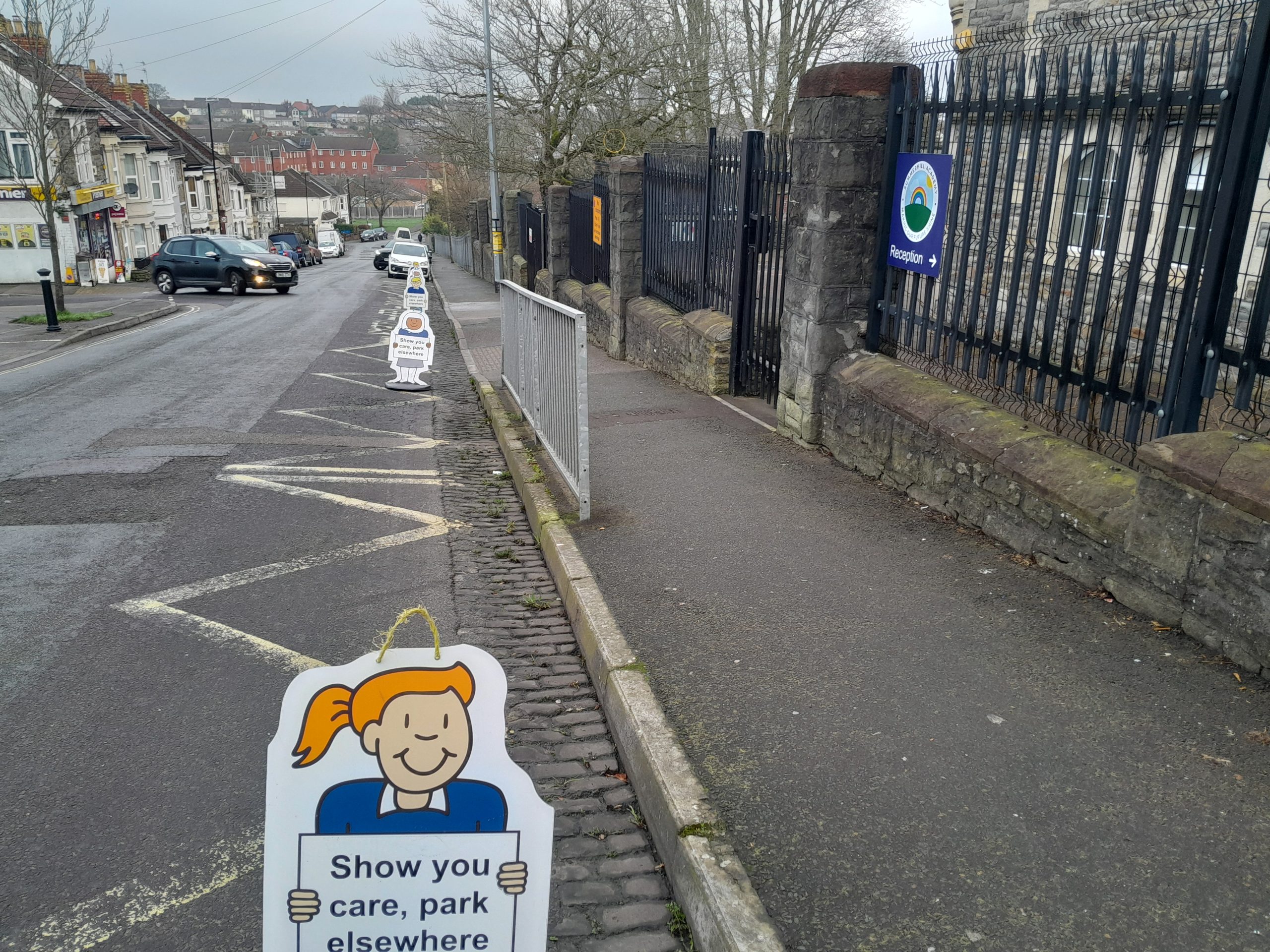
The road at school drop-off times is less chaotic now that school start times are staggered
Joannie Nakakawa has used the free breakfast club from the first day it was launched.
“We love breakfast club,” she said when speaking to Bristol24/7 after dropping off her children.
“It’s helped my kids eat some food they don’t want to eat at home. It’s very funny. Some things they had written off for breakfast. But at school, they’re like, ‘Oh, we’ll try that with toast.’ So toast is the magnet. And they’ll try a bit of fruit salad too.”
Initially, she thought childcare would be the main benefit. But it turned out to be something else.
Nakakawa said: “One of my kids had some sort of attachment stuff going on and she was like, ‘I don’t want to go in.’ But when you say ‘breakfast’, she was like, ‘yeah.’
“So for her, it’s the social thing. It makes that transition a bit easier to get into school.”
Another parent, Katherine King, said the financial impact is significant: “I really enjoy it because I can drop the children off 15 minutes early, which makes a big difference to my day in terms of being a working mum.
“But they really enjoy just going in and seeing their friends and having an extra bit of toast after eating breakfast at home.
“He always has the second bit of something. He just seems to enjoy just coming in, messing around with his mates and getting that energy out right before his lessons start.”
The difference in cost, King explained, was “massive” with the possibility of a breakfast and after-school club for two kids at the full rate costing up to £20 a day.
“And that’s why parents really struggle,” she added. “Trying to find a job that enables you to start work at half past nine and leave to pick them up at half past two – you’re not earning enough.”
The breakfast club at the school in St George, though she said, is about more than money.
“It enables parents the freedom to not just get jobs, but everything that comes with that – like being able to go and chat to another human being, chat to an adult, get out of the house. That’s so important.”
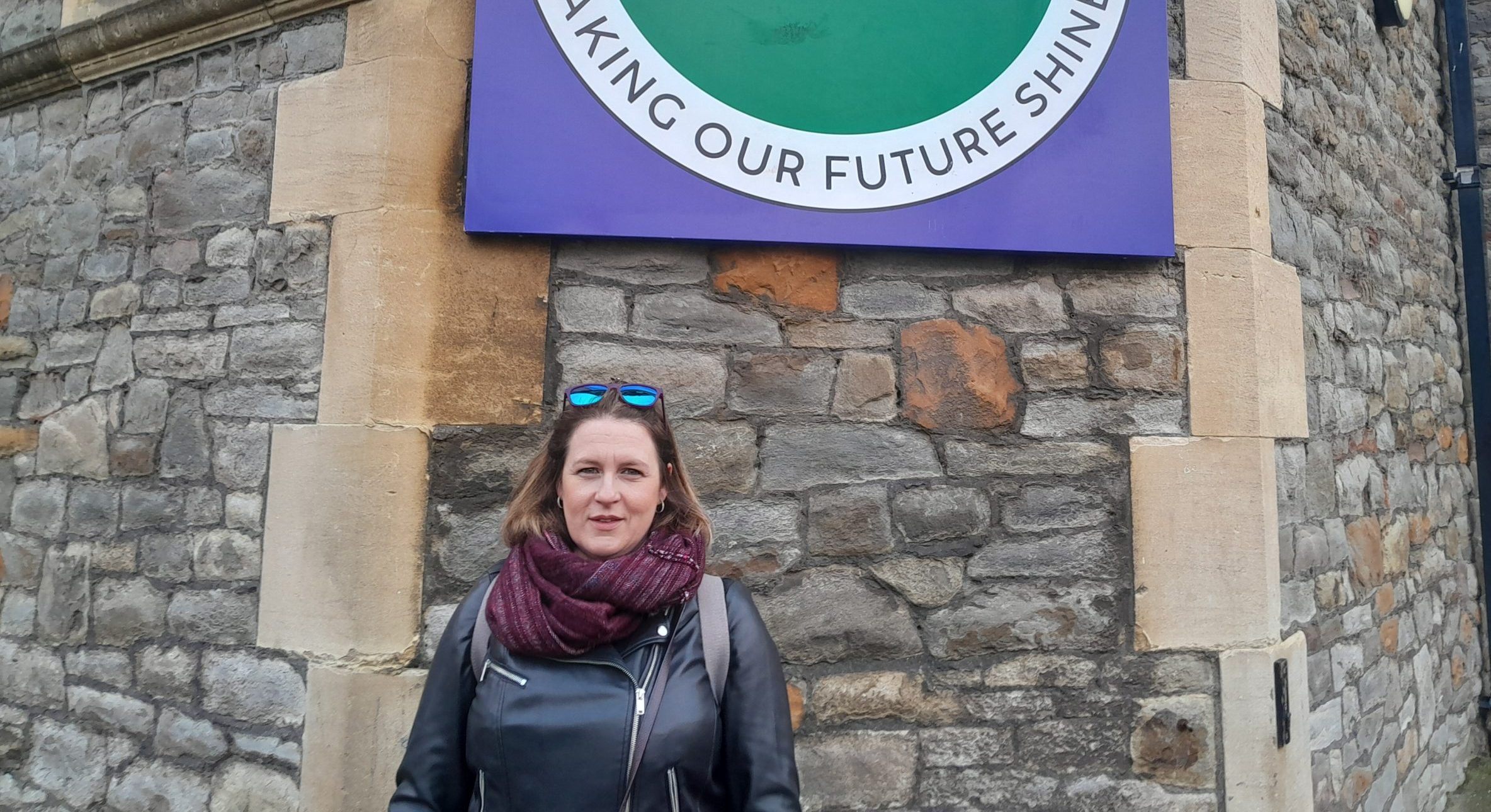
Parent Katherine King said: “There’s so much more you get out of doing a job apart from just the wage”
The scheme at Summerhill Academy is funded by the Department for Education. Schools that are part of the national programme receive a set-up grant, a fixed grant and per-child funding, which is currently 60p per child per day, rising to £1 in April.
Staffing has largely been reallocated rather than expanded. Senior leaders open the gates. The pastoral lead oversees the hall. Teaching assistants rotate support. The catering contractor starts an hour earlier to prepare and clear up.
Around 33 per cent of pupils at Summerhill Academy are eligible for free school meals, but the breakfast club is not targeted. The proportion of children attending mirrors the wider school demographic.
“It’s basically a lot of children coming,” Barratt said.
Some families rely on it for food, others do not. The benefits, he argued, are holistic.
The breakfast club sits within a wider philosophy of intertwined social, emotional and academic development, where communication, Chris explained, plays a key role.
The school has invested in programmes like Oracy to teach children, about 50 per cent of whom have English as an additional language, to express themselves articulately and think critically through language. Chris said that initiatives like these have a “long-term impact”.
“When you feel a bit better about yourself, you want to learn more; when you learn more, you feel better about yourself,” he said. “And those two things have been building and building.”
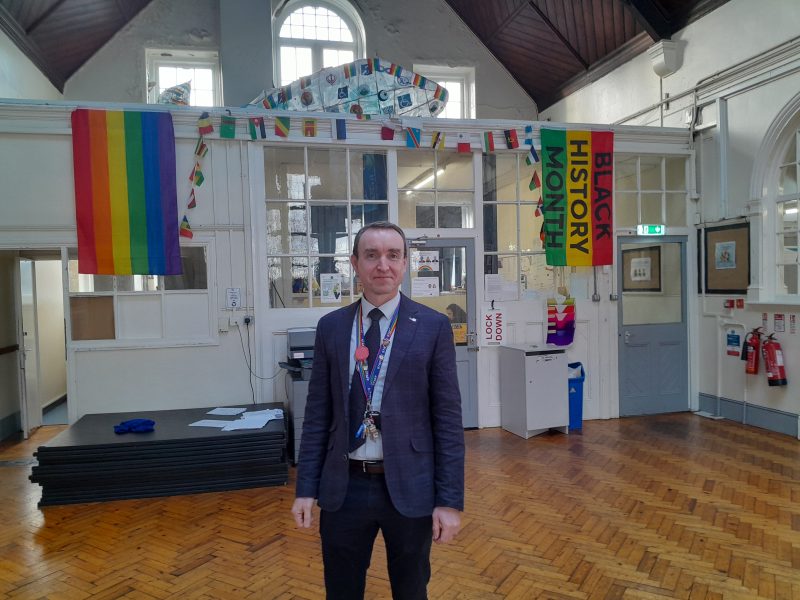
Chris Barratt is the proud headteacher at Summerhill Academy
Breakfast clubs are not new. In the UK, they grew significantly in the late 1990s and 2000s, often supported through initiatives aimed at tackling child poverty and improving attendance. In the United States, school breakfast programmes date back to the 1960s, emerging alongside wider anti-poverty reforms.
They have always carried a dual meaning: practical support for families and a commitment to the state’s role in children’s wellbeing.
It is also hard not to see another layer to breakfast clubs.
In response to announcements about expanded provision, online criticism has often centred on “parental responsibility”, with some people questioning why families “cannot get up earlier” or “provide breakfast at home”. While such remarks refer to parents broadly, unpaid childcare and morning routines still fall disproportionately on women.
Summerhill Academy’s breakfast club is seen by the community as a way of widening opportunity by supporting working parents, especially mothers, to take up employment. It has also helped parents ease isolation by smoothing the frantic edges of the school run. People in the area have also credited it for reducing traffic bottlenecks on Plummers Hill. Above all, it also ensures that some children who might otherwise start the day hungry have at least one proper meal.
Kerry McCarthy MP echoed these sentiments, saying she was “delighted” to see three more schools included in the expansion of a nationwide scheme that will be extended to a total of 1,250 schools after Easter.
“It’s important to note that it’s not just about food, it’s about social interaction, giving teachers a chance to connect with pupils before the formal day begins”, she said recalling a visit to Summerhill Academy’s launch in 2025. “I think teachers and other school staff being able to spend time with children at the start of the day, away from the hustle and noise of the classroom, is a good way to help them spot trouble at home.”
She also pointed to the wider impact: “The clubs are also about supporting parents getting into work.”
Happiness, Barratt explained, can sometimes get lost in the education system.
“We try to give them a joy-filled learning environment as much as possible.”
Despite social media criticism, the breakfast club in St George is seen by the community as an integral part of the local infrastructure – one that is understated, yet nourishing.
Kiran Dhami is reporting on St George, Easton and Eastville as part of Bristol24/7’s Community Reporters programme, aiming to amplify marginalised voices and communities often overlooked by mainstream media.
This initiative is funded by our public, Better Business members and a grant from the Nisbet Trust.
All photos: Kiran Dhami
Read next:
 Our newsletters emailed directly to you