Features / things you probably didn't know
8 things you probably didn’t know about St George
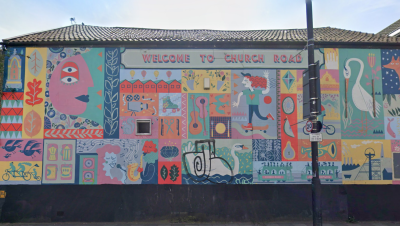
It’s easy to get distracted on Church Road; it’s a hive of local businesses and local characters.
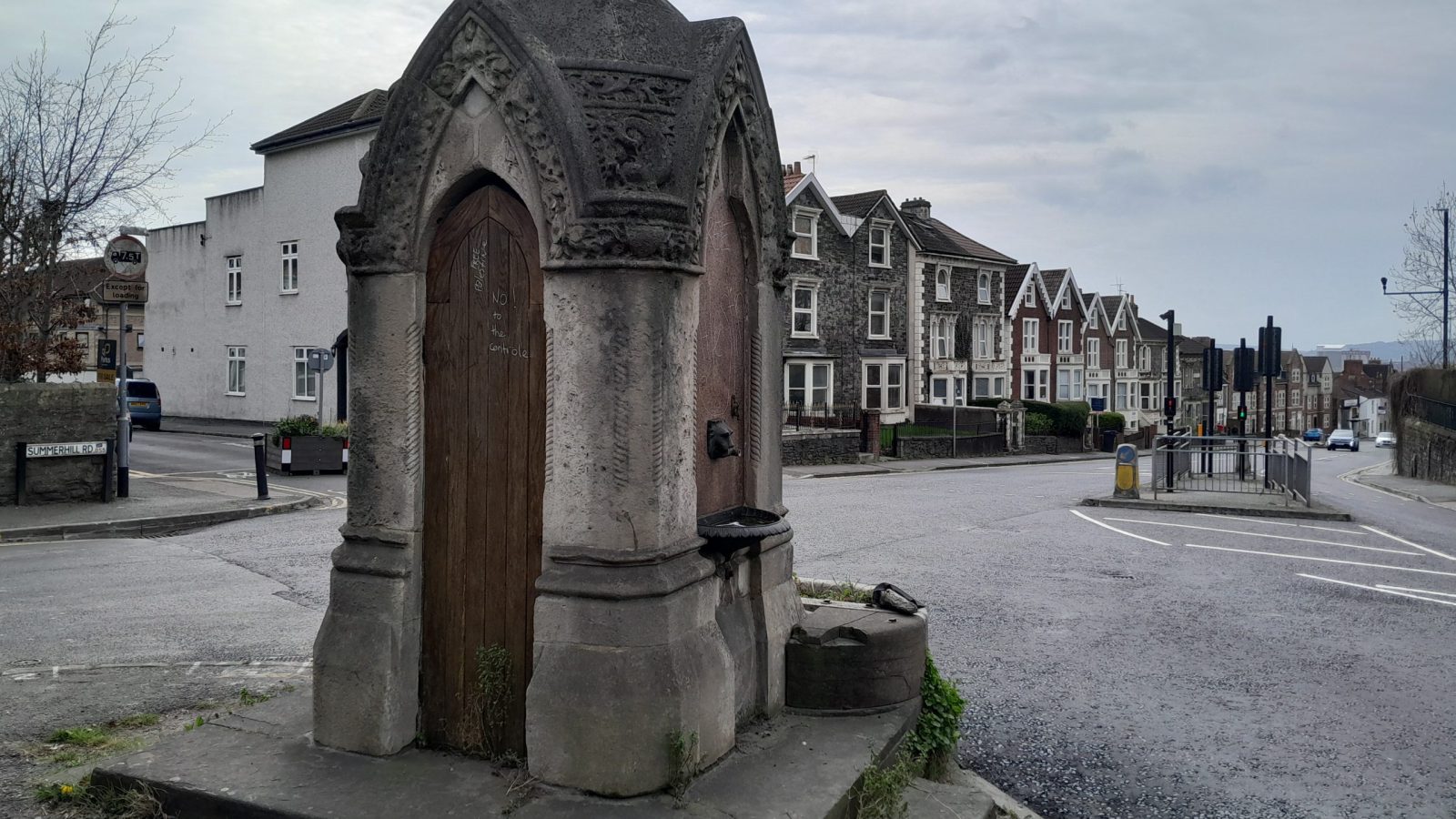
But look a little closer at the Victorian fountain at a busy junction, the outline of former churches along the high street and the remains of industry on Trooper’s Hill and a different picture emerges.
Here are ten things you probably didn’t know about St George.
is needed now More than ever
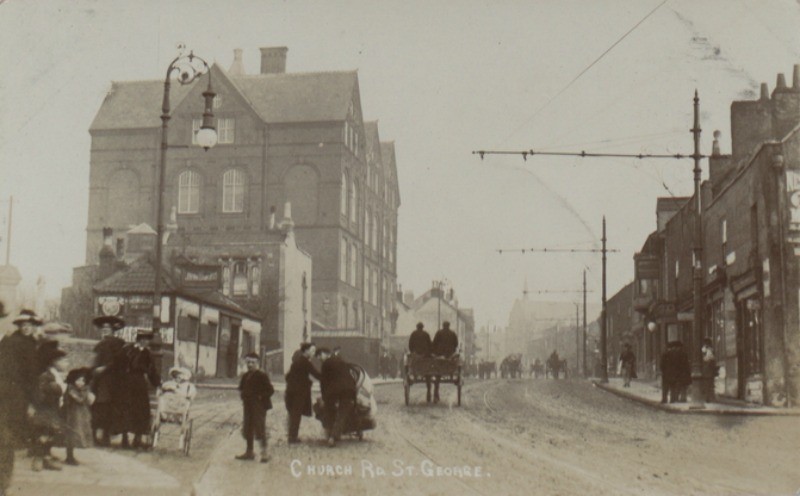
Church Road in the early 1900s was a developing suburban thoroughfare – photo: Bristol Archives (ref 43207/2/44)
1. St George wasn’t originally part of Bristol at all. It began as a separate parish in Gloucestershire and later became an urban district in its own right before being incorporated into Bristol in 1898.
2. Mining in the St George/Kingswood area dates back to at least the 16th century, when the dense Kingswood Forest was gradually cleared. By the 17th and 18th centuries, the area had become a significant coal-producing district, with small pits and, later, deeper shafts spreading rapidly across what is now east Bristol during the Industrial Revolution. By the 19th century, the area supported manufacturing such as pin and corset-making and footwear, alongside smaller workshops and yards.
3. The 256-year-old Fire Engine pub on the corner of Church Road and Blackswarth Road has nothing to do with fire engines. It actually refers to a fire engine in the industrial sense: a steam-powered pumping engine used in local collieries. These engines were used to pump water out of mines, allowing coal to be extracted more efficiently.
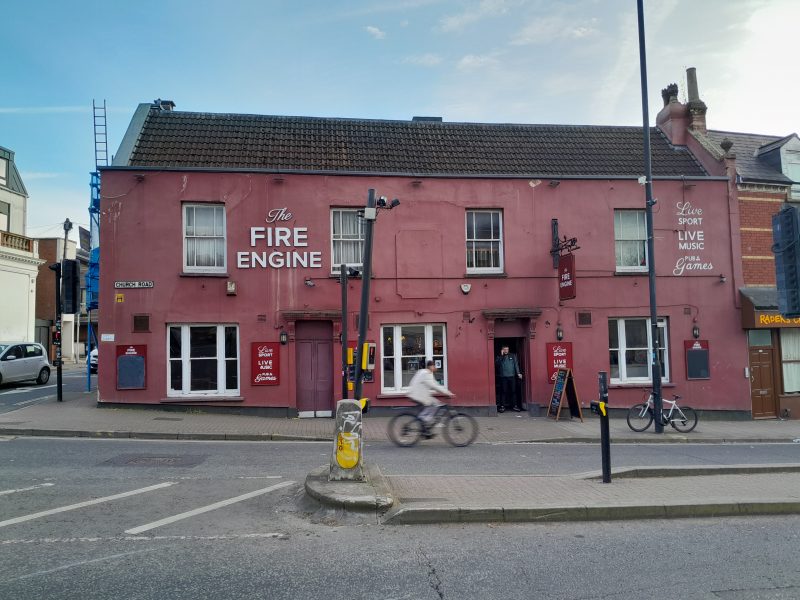
The Fire Engine is named after a pumping engine – photo: Kiran Dhami
4. An ornate Victorian drinking fountain stands at the fork where Church Road splits into Clouds Hill Road and Summerhill Road. Installed at the turn of the 19th century, it was funded by local industrialist William Butler, who is buried in Avonview Cemetery. It marks what was once a key junction in the old parish, long before the area was absorbed into Bristol.
5. A poorhouse was built in St George in 1801, housing the destitute. The building is still standing at the western end of Hudds Vale Road The building was sold in 1869 and became a pottery. After that, it was taken over by Imperial Soap, thought to be the origin of the nearby Soap House Lane. Since then it has been a leather, tin and engineering factory. The buildings have now been converted into flats.
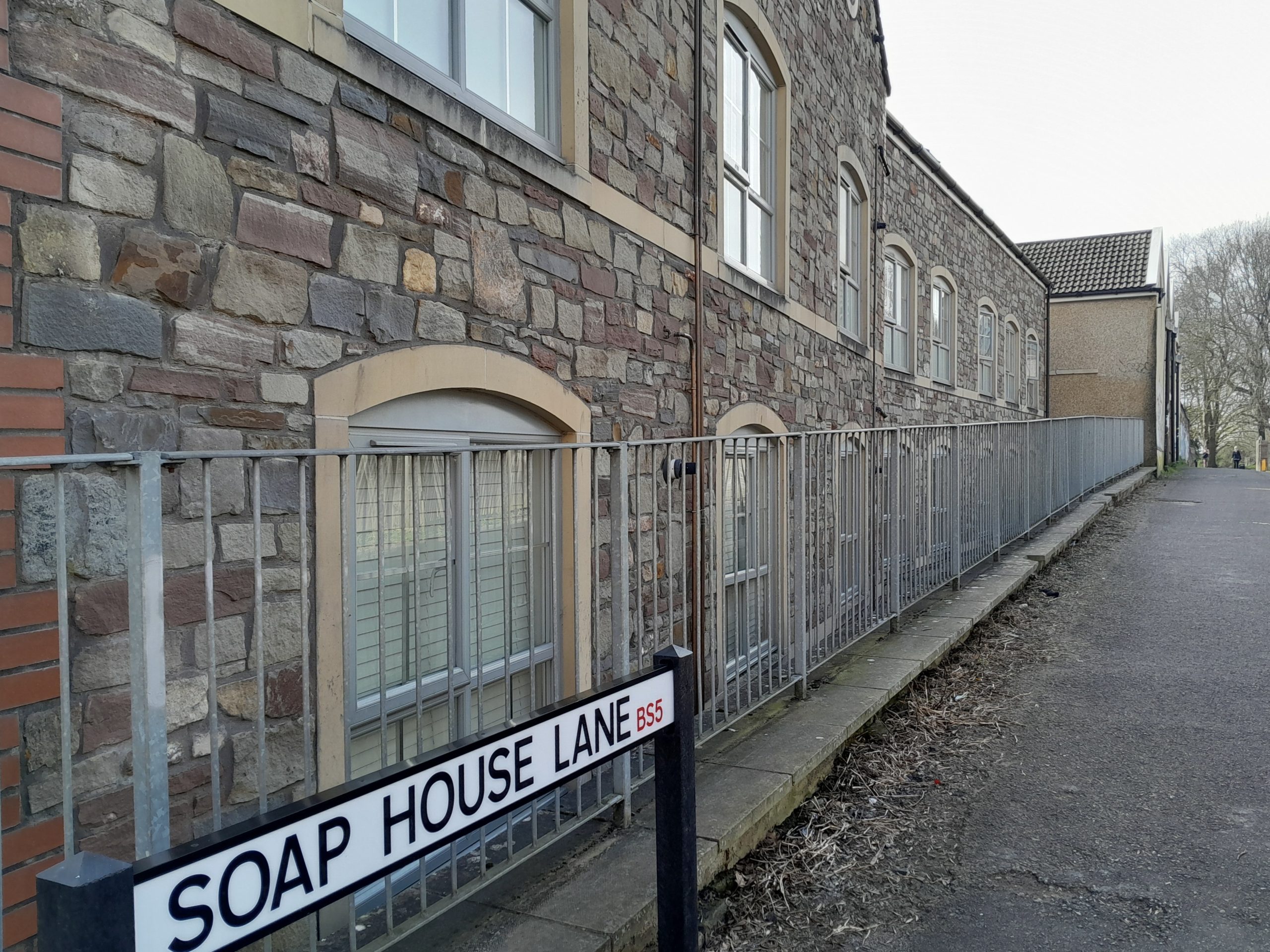
Soap House Lane where ‘Imperial Soap’ produced big blocks of green soap – photo: Kiran Dhami
6. As St George’s population boomed in the 19th century, at least eight new churches were built across the parish to serve growing communities. Along Church Road and its surroundings, this created a dense, religious landscape of Anglican and nonconformist worship. Today, several buildings remain active churches, while others have been converted into housing or community uses such as a Hindu temple.
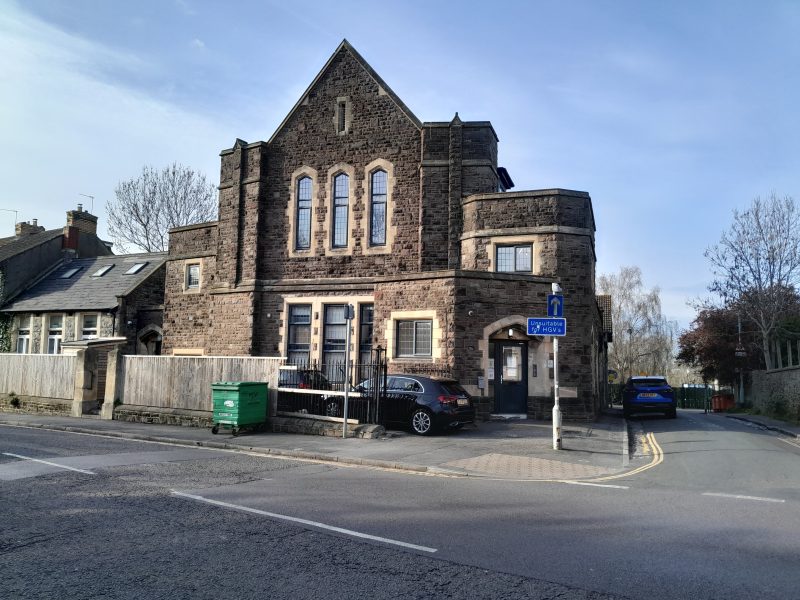
Church Road is full of… churches – photo: Kiran Dhami
7. St George was home to one of Britain’s most famous comedians, Bob Hope, as well as one of England’s most infamous murderers, Amelia Dyer. Dyer worked as a “baby farmer”, taking in infants for payment before murdering around 400 of them through starvation, drugging and strangulation. Her crimes shocked Victorian Britain and led to major changes in adoption and child protection laws.
8. An old surgery located at what is now Clouds Hill House on Clouds Hill Road was the site at which the first transgender man in England took testosterone, a treatment provided by Dr George Lush Foss.
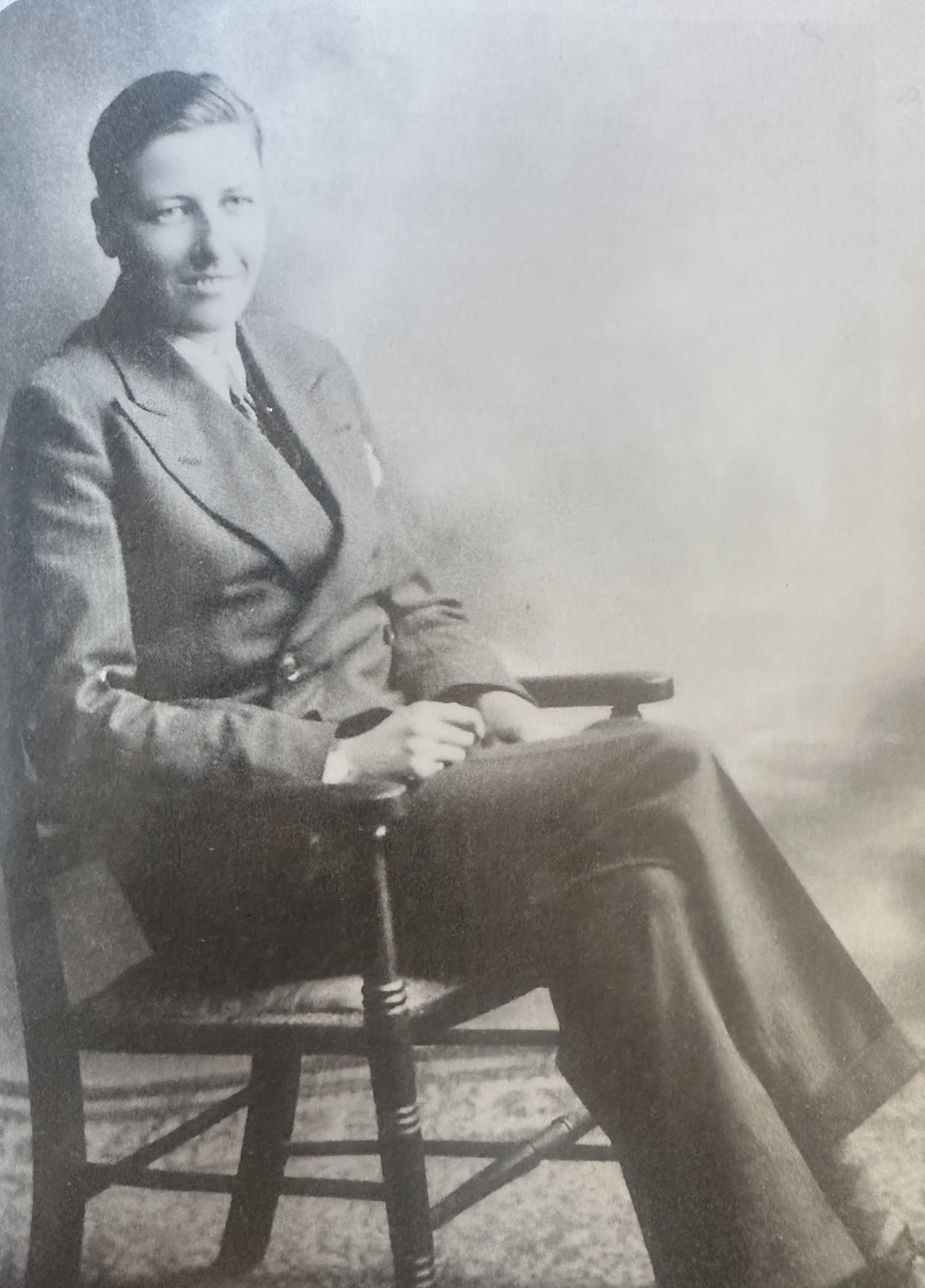
Michael Dillon, the first transgender man to take testosterone, has a link to Clouds Hill Road – photo: Liz Hodgkinson
Kiran Dhami is reporting on St George, Easton and Eastville as part of Bristol24/7’s Community Reporters programme, aiming to amplify marginalised voices and communities often overlooked by mainstream media.
This initiative is funded by our public, Better Business members and a grant from the Nisbets Trust.
Main photo: Kiran Dhami
Read next:
 Our newsletters emailed directly to you