Features / playgrounds
The politics of Bristol’s playgrounds
The Bellevue Road Park in Easton may not have much in it, but it has long been a lifeline for parents with small children nearby. Its centrepiece, a small climbing frame, was removed by the council in early September, leaving children and families who use the park distraught. A local petition garnered over 800 signatures in five days, and Bristol City Council soon pledged imminent replacement.
Public pressure was heeded – but the bigger question remains: why should some parks and playgrounds have to rely on petitions and campaigns to be protected?
A short walk from Bellevue Road, another group of parents set up the ‘Play in St. George Park‘ campaign in 2022 to upgrade the John Deasy Play Area in the middle of St George Park.
is needed now More than ever
So far, they have raised £130,000 for phase one but still need another £127,000. It may surprise many to know that there is no evidence that the council is legally required to replace equipment once it reaches the end of its life. So, when, inevitably, equipment eventually needs replacement, local campaign groups are forced to step in and raise the funds themselves.
Cathy Coldrey, who plays a key role in the campaign says: “The campaign is running with two active members at the moment. We do have support from Rob Bryher, the local Green Party councillor for St. George West.
“The Parks Department wants to help us too; they want to see this park built. They’re just under pressure because of a lack of funding. And it’s not cheap: a five-way swing set alone costs £20,000.”
Bryher agrees, adding that relying on volunteers is not a sustainable way to provide basic services: “When people see a need in the community, they want to help, and that’s a good thing.
“But when you’re relying on people who already have busy lives, it’s very difficult to keep the momentum going. We’ve been putting out adverts asking for more volunteers, but really, that’s not how it should work.
“Playgrounds, like libraries or other public services, shouldn’t depend on unpaid labour – they should be properly funded and run by local government. Otherwise we’re just assuming that everyone has the privilege of spare time and money to step in, and that’s not the reality for most people.”
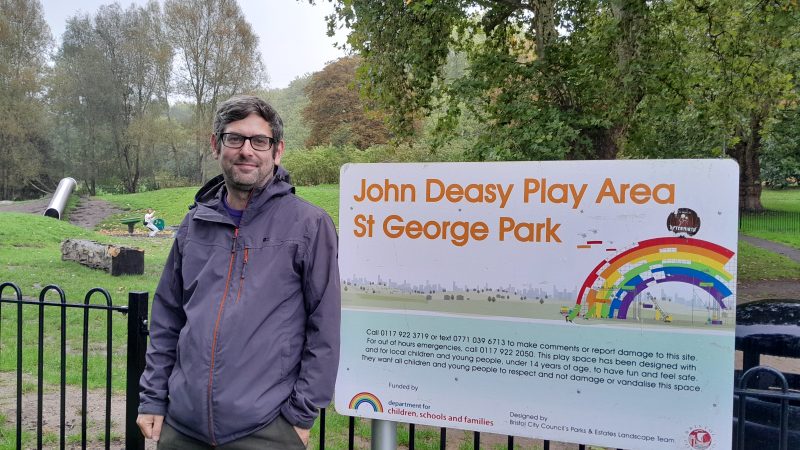
Councillor for St George West Rob Bryher says that as a parent he feels “let down too”
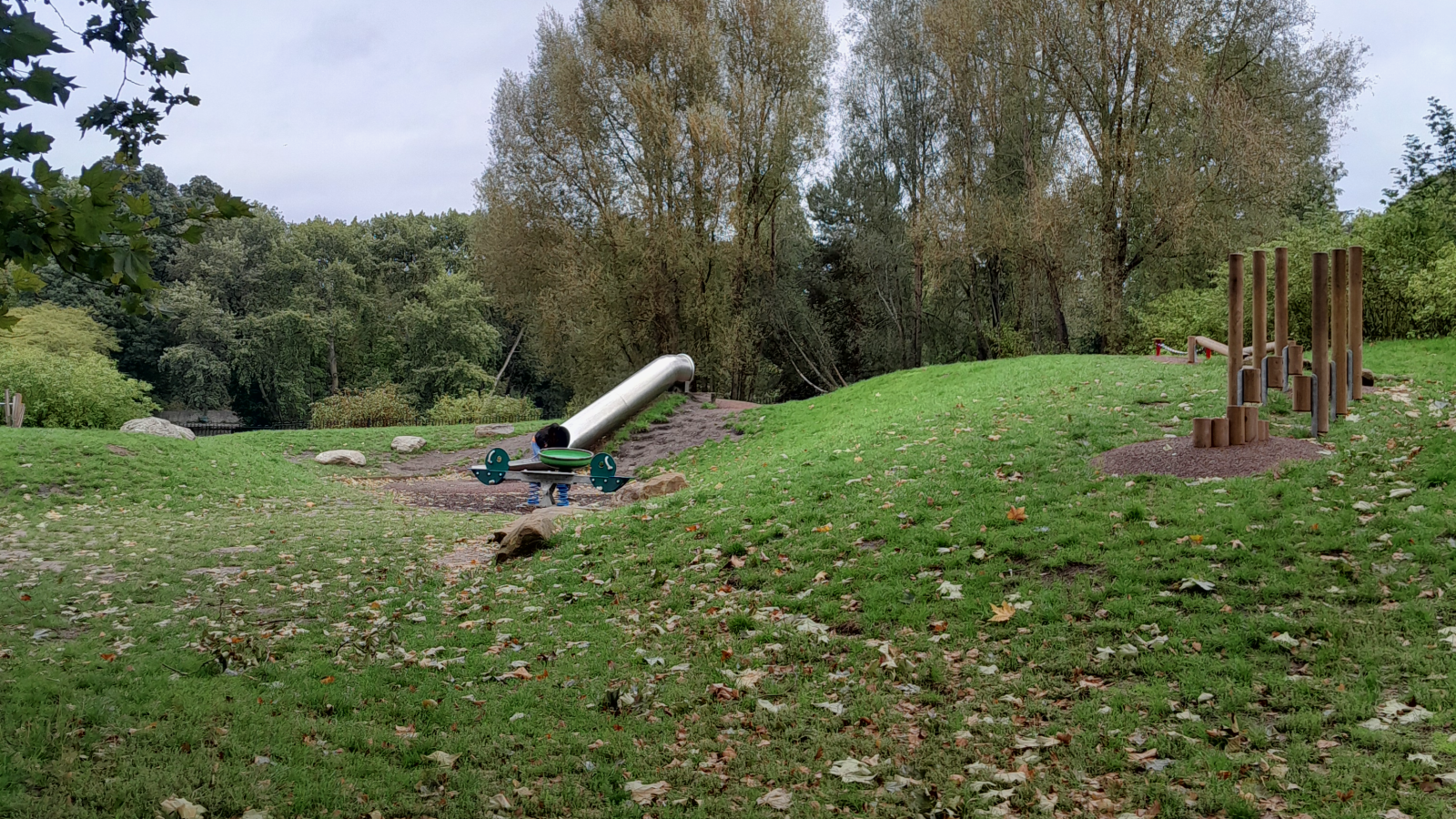
Phase one of the John Deasy playground’s upgrade saw the site cleared, landscaped and fitted with new equipment. But spread across a bigger area, the playground looks barer than before and has seen some complaints from local keyboard warriors.
Coldrey thinks this is a misunderstanding: “They don’t realise it’s not the council per se, it’s just full-time parents who are taking this on. We are always looking for people to help with fundraising.”
The campaign is now hoping for £16,000 from the Community Infrastructure Levy (CIL) in 2026 to continue.
The campaigners quickly realised that getting the full £400,000 for a total refurbishment would not be possible, and so funding for phase one was split: one part from the Enovert Community Trust and two parts from the Community Infrastructure Levy (CIL), a levy on new developments used for local infrastructure.
In Bristol, 12.75% of the CIL is allocated to the nine area committees around the city for use for things like playgrounds and parks.
While levies like these have become a lifeline for Bristol’s parks and playgrounds, it’s a patchy system and not without its problems: why should the community have to rely on money from developers for basic infrastructure?
Does this lead to dependencies on development, even where it might not be environmentally sustainable? And areas like St George, with fewer vacant spaces for new development, are more likely to lose out anyway.
“I’m a massive critic of the way our committees are organised,” says Bryher. “I think the way they’ve drawn the boundaries needs changing. St George is set apart from areas of east Bristol we have more in common with. And we don’t have much development. Lawrence Hill, for example, has loads more coming their way. We’ll always struggle.”
Meanwhile, areas with big “destination parks” – the kind that attract families from across the city – tend to fare better. “The council should prioritise basic facilities in local parks, not just upgrades that benefit wealthier parents who can drive across Bristol,” Bryher adds.
For example, the Felix Road playground in Easton categorises itself as a destination park for “adventure play” rather than a pocket playground, like the one on Bellevue Road or John Deasy Playground in St George Park.
Tom Williams, deputy CEO of Eastside Community Trust that runs Felix Road playground, points out that over a third of the children that play there are on free school meals and over 70% of the 2400 children on the register live in BS5.
He continues: “Felix Road is arguably in the most secure financial position in its 50-year history.
“The playground is funded by a mix of Council (20%) Government (30%), fundraising and donations from Trusts and Charities (25%) and Eastside self- generated income (25%).
“But this patchwork of funding requires considerable time from Eastside’s team to keep it in place.”
A full team of skilled playworkers and a more diverse funding model allows Felix Road to deliver extra services, including targeted support for vulnerable children and free meals.
“This is a far cry from neighbourhood playgrounds that rely on volunteers to fundraise for basic equipment. But Tom adds: “Eastside [Community Trust] think it would be a mistake for the council to solely focus on destination parks at the expense of pocket parks and neighbourhood parks.”
Council data shows reveals big differences in how CIL funding is distributed across the city.
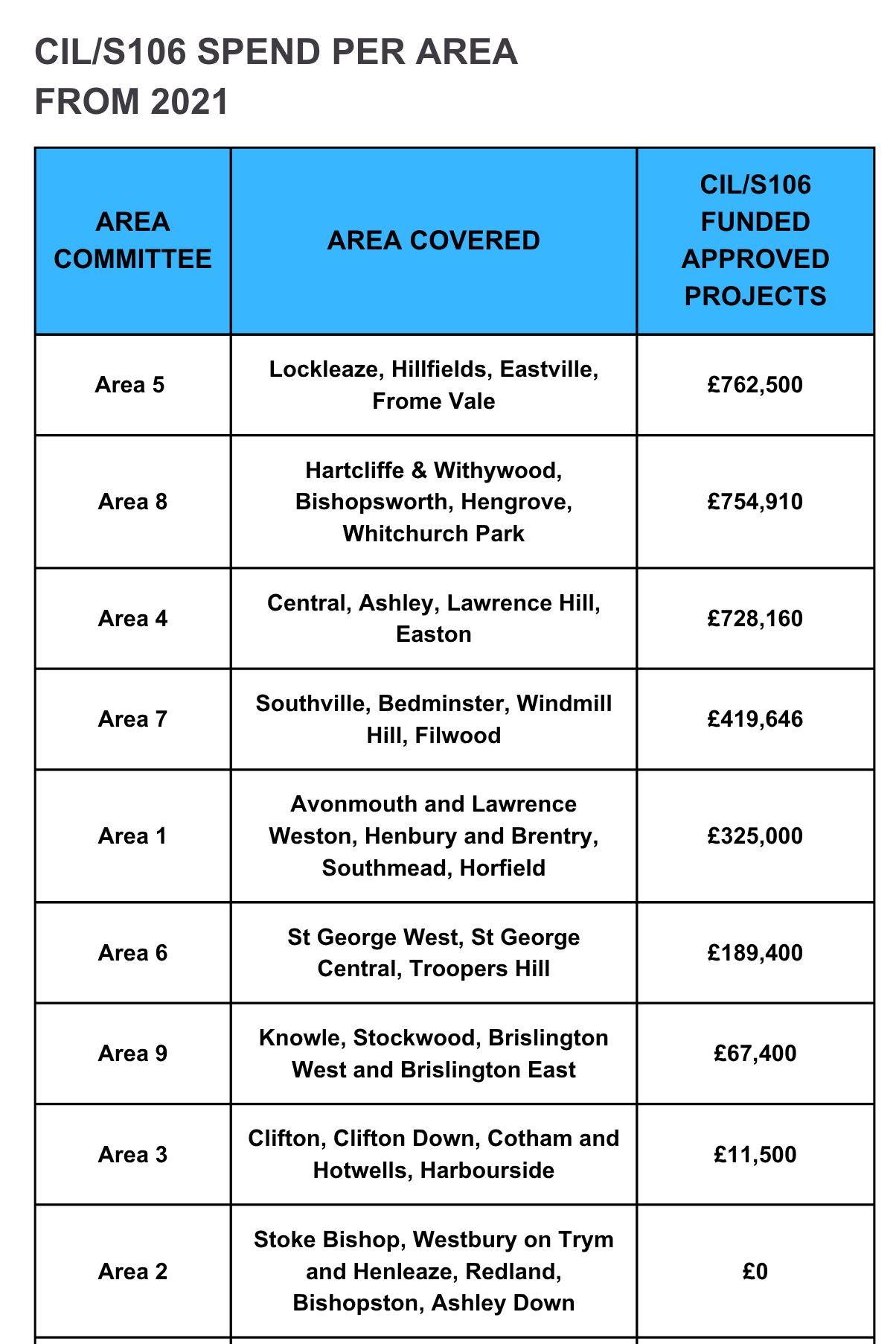
The biggest individual winner was Oldbury Court playground, a destination park, with £530,000 allocated (area committee 5).
While it’s good news that some parks are getting larger sums, it is hard not to feel that some neighbourhood parks also deserve more – and faster.
Rawnsley Park in Lawrence Hill is next to a large block of flats, housing mainly immigrant families. The park is the only space where kids can run around after school and on weekends. The park has been on the council’s list for refurbishment since 2022. The children in the park didn’t hold back when I asked them about what they thought about the park. They bemoaned the lack of swings and were quick to point out the broken benches. Ismael, a local resident, mentioned the roundabout had come off.
He said: “Some people from the council came ages ago with their plans for refurbishing the park. It all sounded good, but we haven’t heard anything since!”
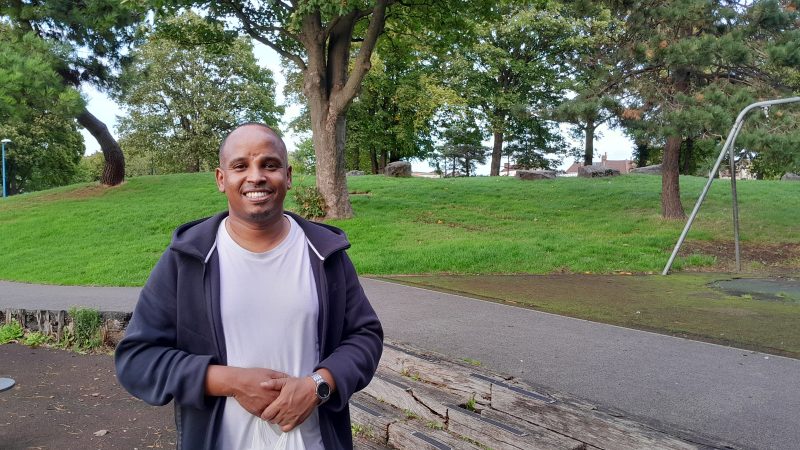
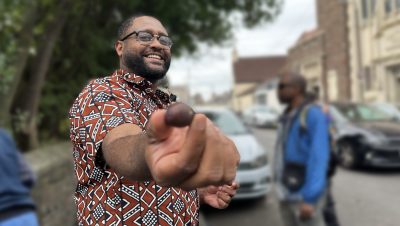
Ismael is a resident of Rawnsley House in Easton
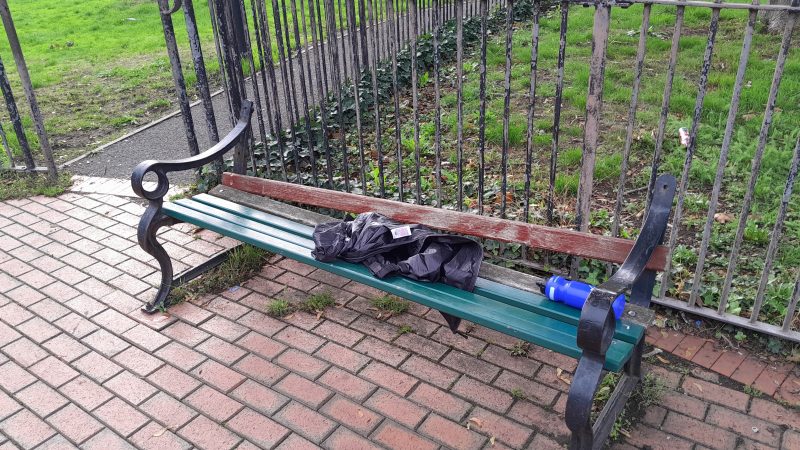
Kids often complain about broken benches and equipments in Rawnsley Park
This reliance on development funding reflects broader cuts in central government spending. Bryher highlights the tension: “There are some useful developments, like new housing that will then fund an improved road crossing at the junction of Netham Road and Feeder Road.
“But fundamentally, we don’t have enough local government funding to invest in play facilities. Residents have had to wait years for basic upgrades while raising money themselves.”
Playgrounds are vital spaces for children to develop confidence, make friends and get exercise. They give parents breathing space and build community in neighbourhoods.
Yet, in Bristol, provision is patchy, often reliant on volunteer campaigns, local petitions and the luck of being in the right area for housing development.
Bryher sums up: “Our council officers do their best to stretch the money. But the truth is, local government doesn’t have enough funding. Residents here have had to wait years for a play area to be fixed – and raise money themselves in the meantime. That doesn’t feel fair. The main issue is political will from central government.”
Councillor Tony Dyer, leader of Bristol City Council, said: “Over the last two years, we have continued to invest in improvements to play parks in Easton and the surrounding areas. This includes funding of £209,000 for a new play area for Mina Road Park and £55,000 for upgrading lighting for the Multi-Use Games Area as well as improvements to the community spaces at Owens Square Park.”
He assured that provisions were being made to replace the removed climbing frame from Bellevue Road play park. “Quotes for the purchase and installation of a replacement have been sought and the procurement process will continue as soon as the relevant approvals are in place”, Dyer said in a statement to Bristol24/7.
He continued: “Work to improve both Rawnsley Park and Netham Park play areas is due to begin on site this Winter. In addition, if the Stage 2 Area Committee funding bids are successful for improvements to the play areas at Bellevue Road and Bannerman Road Park, these will be carried out in 2026.
“The proposed new play equipment for Rawnsley Park will be accessible and suitable for older children. It includes a new climbing frame with a slide, swings, a trim trail leading to sensory play, a stage and gymnastic bars. This is in addition to retaining some of the existing play equipment and improving the surfacing.
“These play improvements form part of a £686,000 capital investment in Play and young people’s provision in East and Central Bristol’s Parks and Green Spaces over the coming six months.”
All photos: Kiran Dhami
There will be a Children’s Halloween Fundraising Disco held on Wednesday, October 29th at the St George Community Centre, organised by Play in St George Park to raise money for playground improvements.
Kiran Dhami is reporting on St George as part of Bristol24/7’s Community Reporters programme, aiming to amplify marginalised voices and communities often overlooked by mainstream media.
Read next:
- What will become of St George Social Club?
- Council pauses plans to charge for paid-for activities in parks
- Adventure playgrounds host community tournament
 Our newsletters emailed directly to you