News / Bristol Quakers
Bristol Quakers apologise for role in trafficking of enslaved Africans
Bristol Quakers have apologised for their role in the trafficking of enslaved African people as they say the impact of slavery is still felt in our city today in the trauma and inequality suffered by descendants of enslaved people, and also in much of Bristol’s wealth.
Quakers were heavily involved in the trafficking of more than half a million people across the Atlantic in Bristol ships with profits from their engagement in enslavement still visible in buildings including Blaise Castle, Goldney House and Royal York Crescent.
“Bristol Quakers today are deeply shocked to discover the harms which Bristol Quakers inflicted upon thousands of African people,” says a formal apology which acknowledges that Quaker families profited directly from the trafficking and enslavement of Africans as well as indirectly from related trade, manufacturing and financial services.
is needed now More than ever
“We apologise to all those who were harmed and to their descendants, in sorrow and humility and with the knowledge that these harms have not yet ended.”
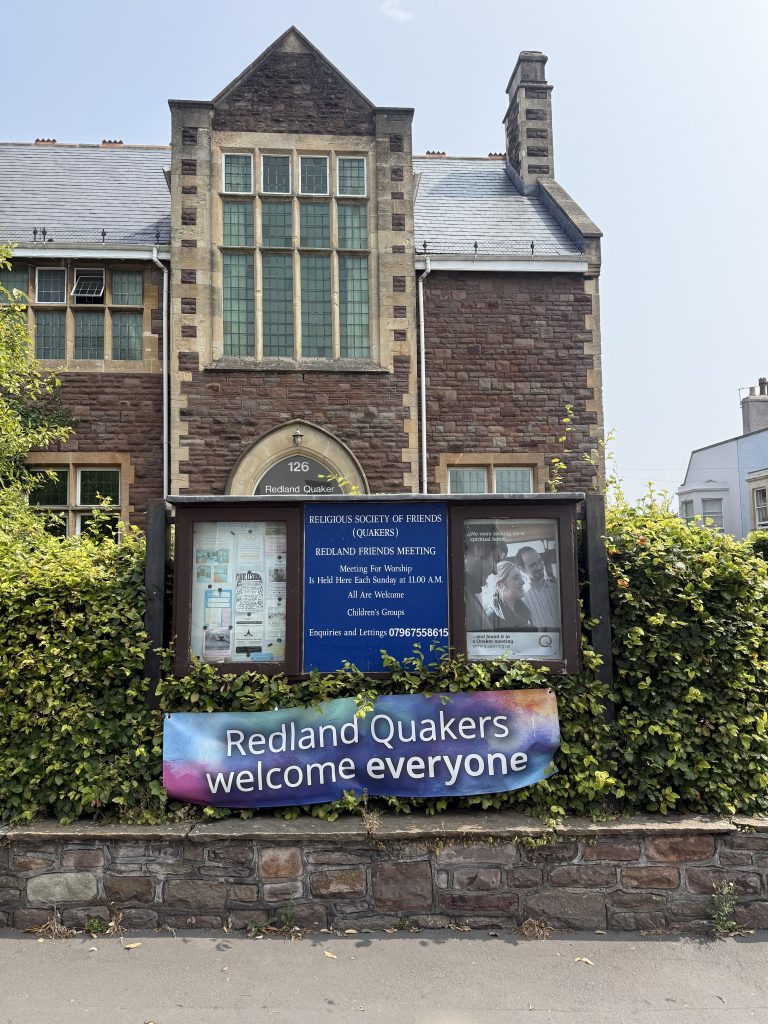
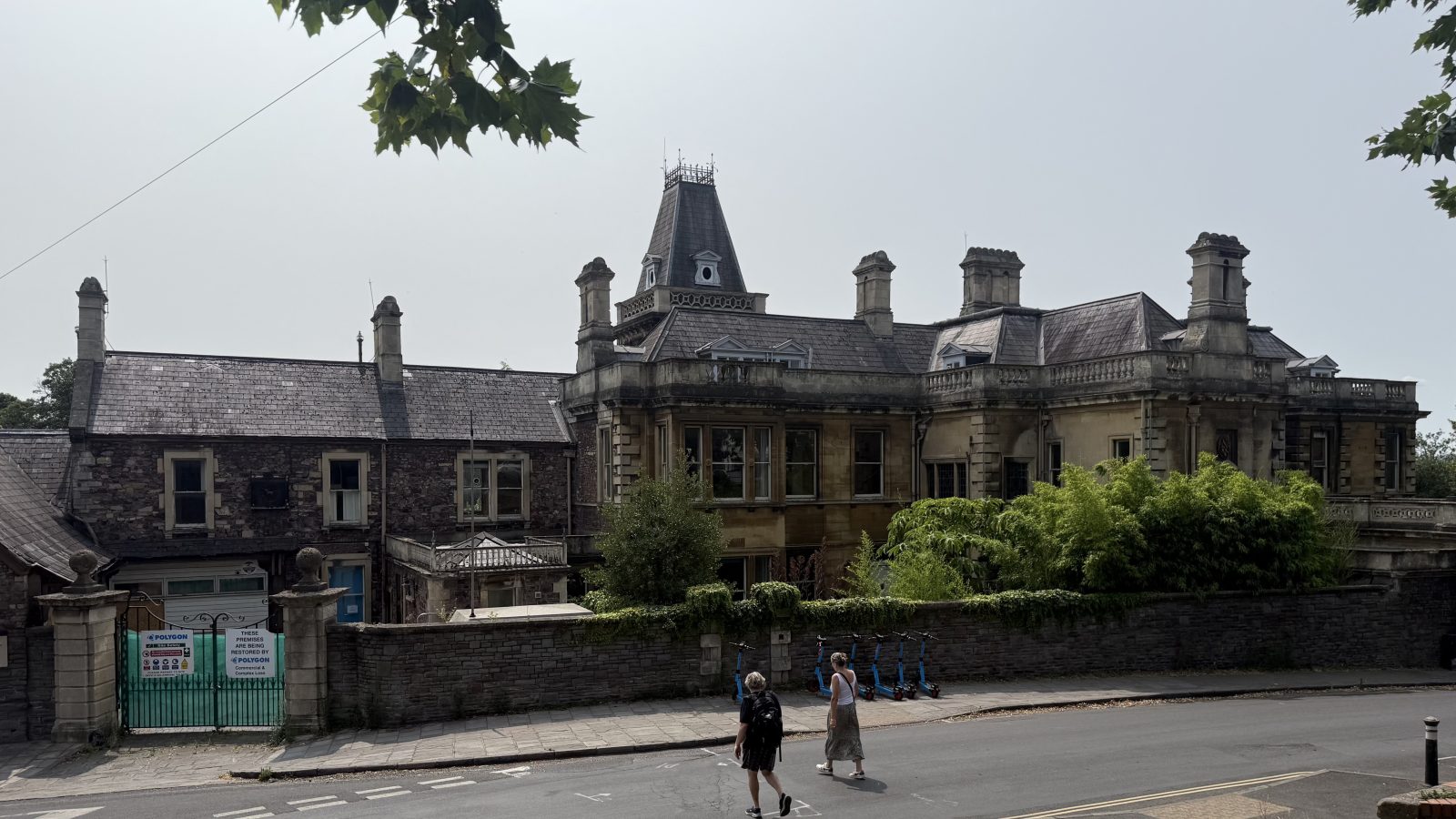
Quakers have a long history in Bristol – photo: Martin Booth
Julia Bush, from Redland Meeting, who has led much of the research, said: “This is not just ancient history.
“We continue to see the consequences in the present day – the impact of racism, systemic inequality and an ongoing trauma from enslavement which is felt by a lot of people in this city.”
Bush said that “it’s not only about money”.
She added: “We’ve been reminded throughout that reparation means repair and healing. This will require a transformation of attitudes.”
Bristol Quakers have given £5,000 towards a memorial for Fanny Coker, an African woman enslaved by the Pinney family who worked for most of her life in Bristol.
John Pinney lived in what is now the Georgian House Museum on Great George Street, built between 1789 and 1791, from where he managed his sugar estates on Nevis.
Further decisions on funding must not be top-down according to Bush, who said “it is not up to us to decide how any future reparation funding should be spent. That would just be replicating the sins of the past.”
Main photo: Martin Booth
Read next:
 Our newsletters emailed directly to you