Features / Transport
Disabled residents feel ‘trapped and excluded’ by liveable neighbourhood
When the East Bristol Liveable Neighbourhood trial was introduced in October 2024, council leaders promised safer streets, less traffic and a healthier environment.
However, two Disabled residents living inside the zone say their daily lives have been turned upside down.
“It feels like an open prison,” said Melissa Topping.
is needed now More than ever
“They’ve cut me off from my own street, from my friends, from my independence. Every time I try to get home in my vehicle, I break down in tears.”
In response, Green councillor Ed Plowden, who is chair of the transport & connectivity committee, said: “We want all residents in east Bristol to reap the benefits of safer, greener and quieter streets, all while maintaining access to their homes, businesses and local services.”
The EBLN, a pilot project implemented by Bristol City Council, aims to create safer and healthier streets in Barton Hill, Redfield and parts of St George.
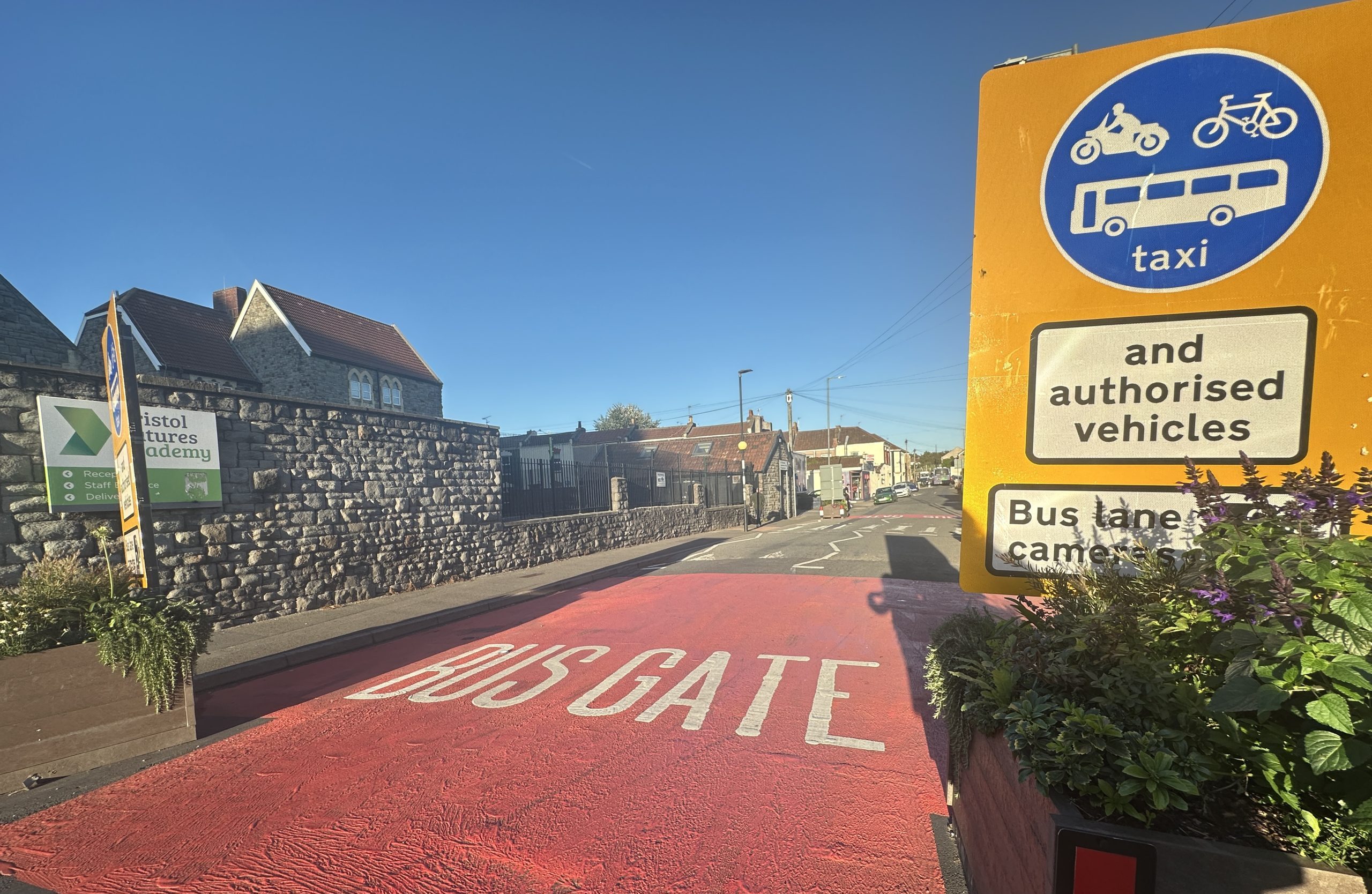
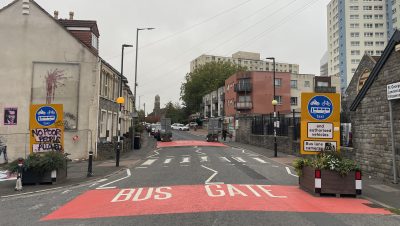
Bus gates across the EBLN trial area have been operational since May
The city’s first low-traffic neighbourhood scheme seeks to reduce through-traffic, encourage walking and cycling and improve air quality – but has so far divided opinion.
A second liveable neighbourhood trial is set to take place in south Bristol, with one recent opinion piece in Bristol24/7 saying there are likely more supporters of the scheme than detractors, despite the loud voices of people opposed to liveable neighbourhoods.
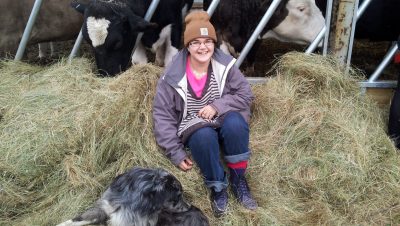
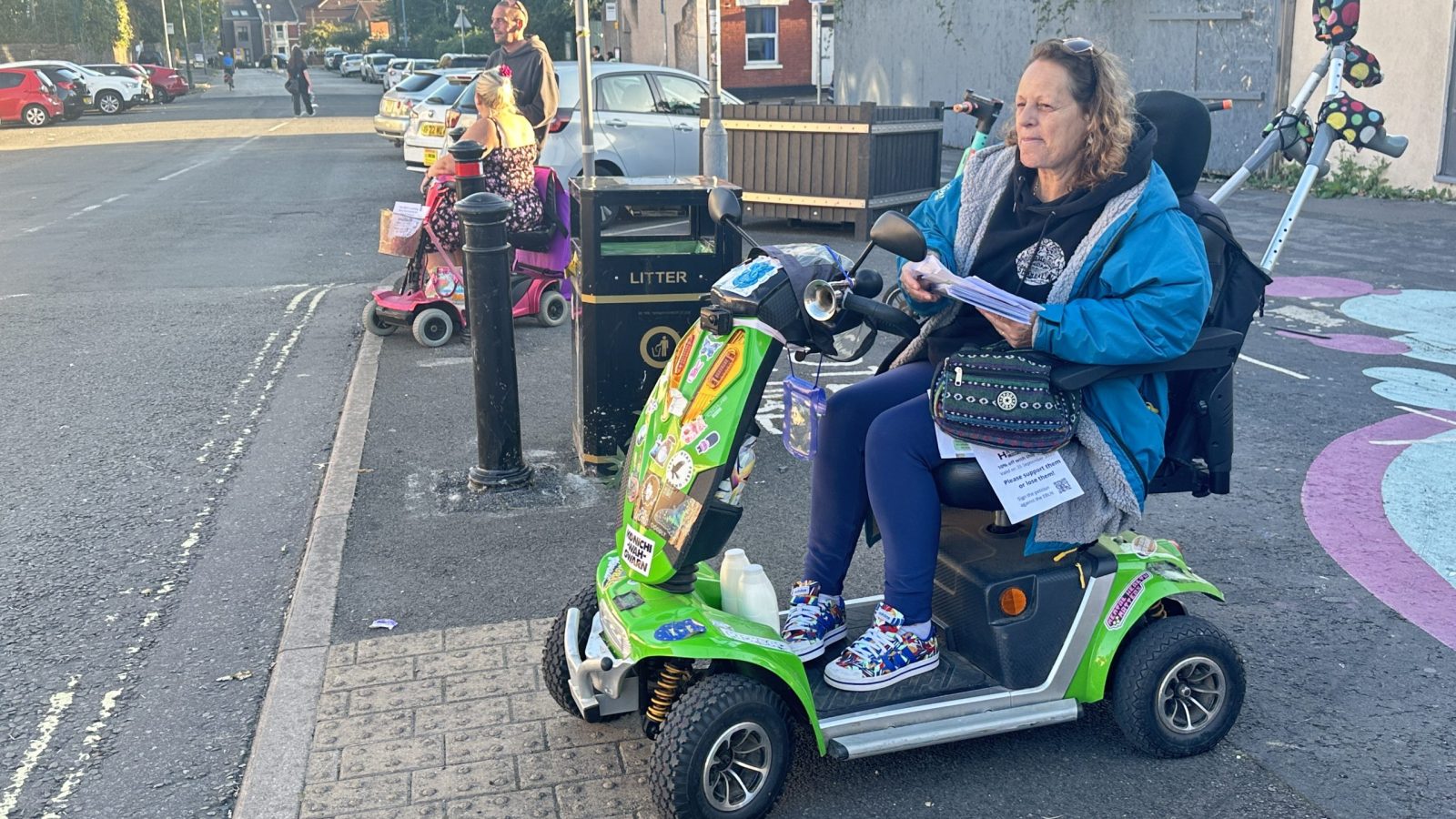
Melissa, who lives in Redfield, described how she was slowly building a “as comfortable as possible life” for herself in east Bristol when bollards and planters appeared on her road.
She claims that this happened without any warning despite council consultations ahead of the start of the city’s first liveable neighbourhood trial.
She said: “I was just trying to live happily – making mosaics, visiting family, managing as best I could. Overnight, that was all taken away.
“My support network has literally dropped by 98 per cent. Friends used to drop by with bread or give me a lift.”
Melissa claims that these friends “now can’t reach me” despite no roads in the EBLN area being completely closed to motor vehicles.
Journeys that once took a couple of minutes are now long outings, says Melissa, which often lead to being stuck in heavy traffic. This is, in part, caused by limited access to Church Road for people living in Barton Hill and Redfield.
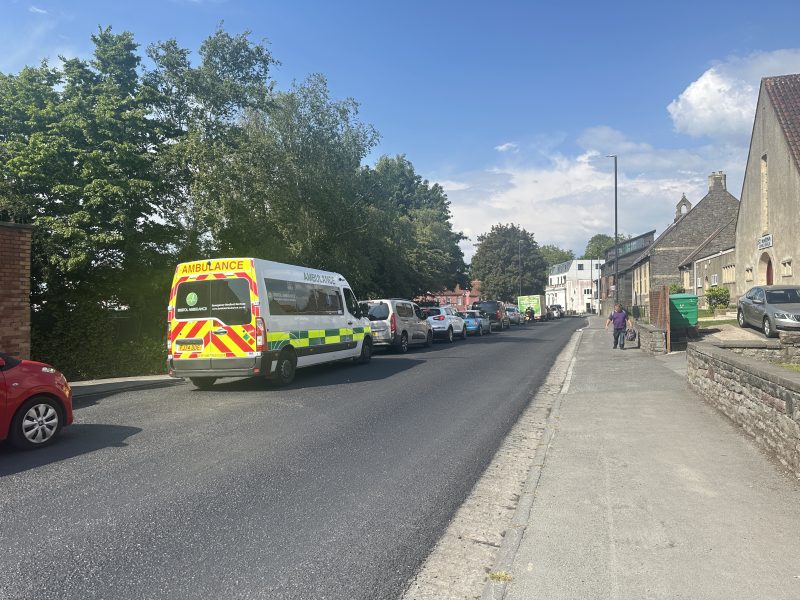
Tailbacks on Blackswarth Road are now a common sight, while others report Beaufort Road in Redfield is a noticeably more pleasant place for active travel since the start of the trial
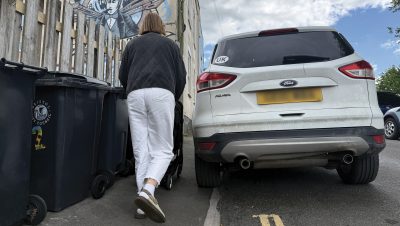
Some residents living within the EBLN also believe the planters and bus gates have blocked crucial access and caused delays for emergency vehicles.
A spokesperson for Avon Fire & Rescue Service told Bristol24/7, however, that their crews are not being prevented from meeting response times.
“We are still within our operational targets,” the spokesperson said.
“Crews carry codes for bollards, have up-to-date mapping, and we continue to work closely with the council. Based on current monitoring, we do not consider EBLN to pose a significant risk to life or property.”
The service acknowledged junction closures sometimes require alternative routes, particularly when traffic is heavy, but stressed they are “confident in our response capability”.
For many residents, however, reassurance from officials feels hollow in light of their lived experience.
“Tell that to the 90-year-old woman who watched her house burn, waiting for crews trapped in traffic,” Melissa said, referring to a Barton Hill incident in August.
At the time, a fire officer attending the scene told Bristol24/7 that as they turned off Lawrence Hill into Ducie Road, several local residents told them “to go one way” to avoid the newly installed EBLN infrastructure, while their maps were saying to go another way.
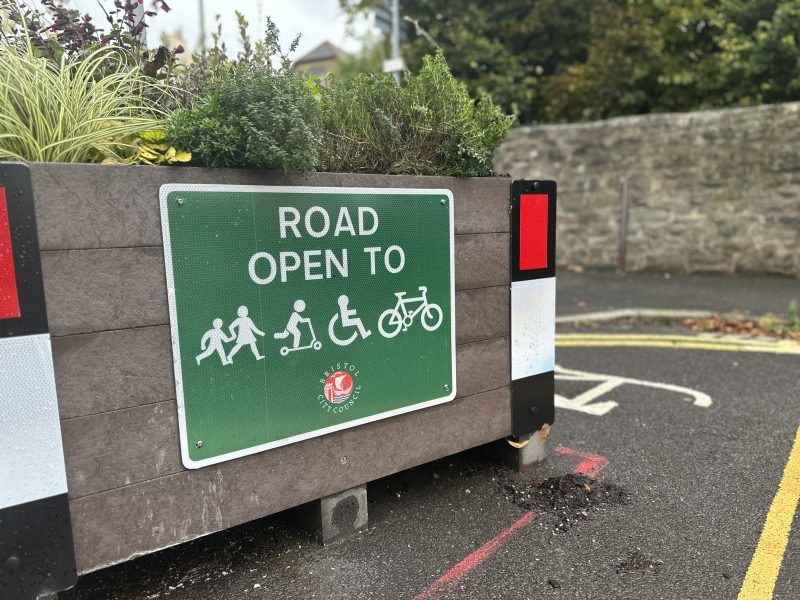
Avon Fire & Rescue Service was consulted during the planning of the EBLN, and maintain ongoing dialogue with the council
Many have welcomed the EBLN as a safer, healthier and peaceful upgrade to the area. But for Melissa, she claims that it has ruined her life.
Melissa said: “You stop wanting to leave home. You dread the return. It’s like living in an open prison – but the sentence is never-ending.”
For Sue Hughes, another Disabled resident from Redfield, the story is similar. Living with fibromyalgia, hypermobility syndrome and chronic pain, short car journeys matter to her.
“My five-minute trip to the shop has become twenty minutes of sitting in traffic, jolting over uneven roads, and getting swung around at junctions,” she said. “By the time I reach the shop, I’m exhausted, in pain, and often too tired to even go inside.
“I’ve stopped visiting my friends. I’ve stopped going out. My world has shrunk. Independence means everything when you’re Disabled – and they’ve stolen ours.
“The message feels clear: don’t expect the same freedoms as everyone else.”
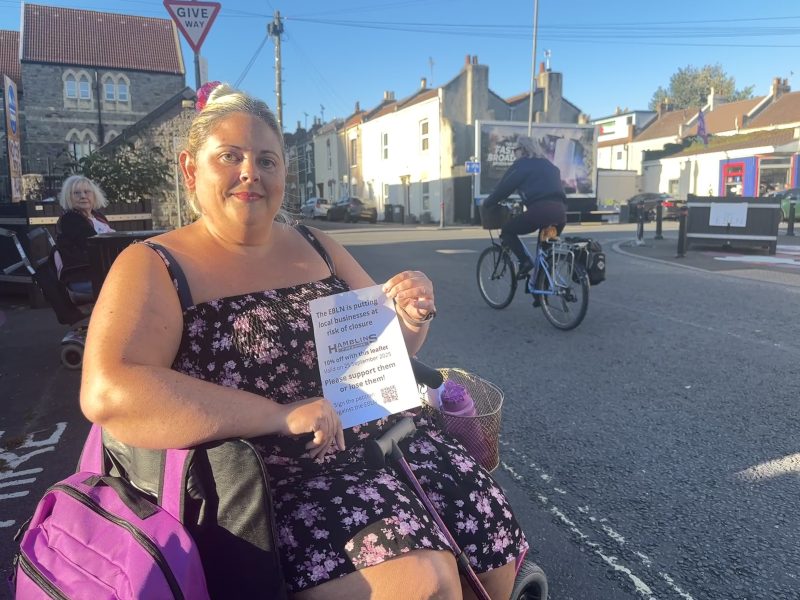
Sue Hughes said: “Independence is precious when you’re disabled. I’ve lost mine.”
Sue added: “Our streets feel empty and bleak. It feels like a ghost town. I don’t even scoot up my own street anymore – it feels unsafe.”
She recalled being shouted at by a cyclist while using her scooter. “We joke that we need dashcams on our mobility scooters now, just to record the abuse.”
Multiple residents claim they were not consulted and only discovered that the trial was happening on the day new infrastructure was installed.
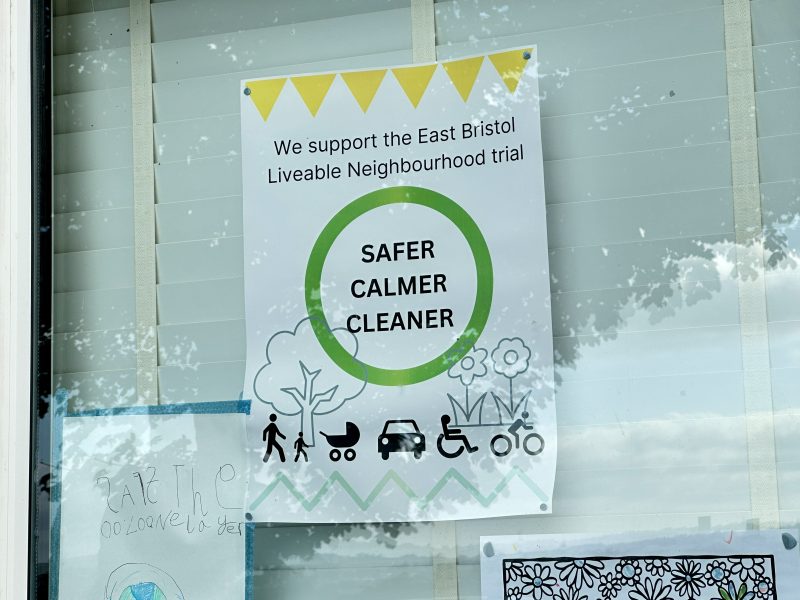
The East Bristol Liveable Neighbourhood has proved contentious, with varying views across the trial area
Supporters of the trial report cleaner air quality and less noise pollution, some openly displaying support in their windows.
According to the Bristol City Council website, consultation for the East Bristol Liveable Neighbourhood began with early engagement phases in 2022 and co-development from September 2022 through to March 2023.
The statutory consultation on Traffic Regulation Orders took place from January to February 2024 before the scheme was installed in phases, starting in October 2024.
Sue said she didn’t receive consultation letters prior to the trial: “I got one – and that was after the changes had already happened.”
Melissa said it had created barriers for people attending medical appointments, carers supporting vulnerable residents and families simply trying to spend time together.
Promised exemptions, she argued, have been poorly communicated, while “misleading” public updates have downplayed the seriousness of the problems.
Despite raising these issues for well over a year, Melissa said she has yet to receive a meaningful response.
For her and others in the East Bristol Open Roads campaign group, “silence” from City Hall has only reinforced the feeling that Disabled voices are being sidelined in the very scheme that was supposed to make their neighbourhood more liveable.
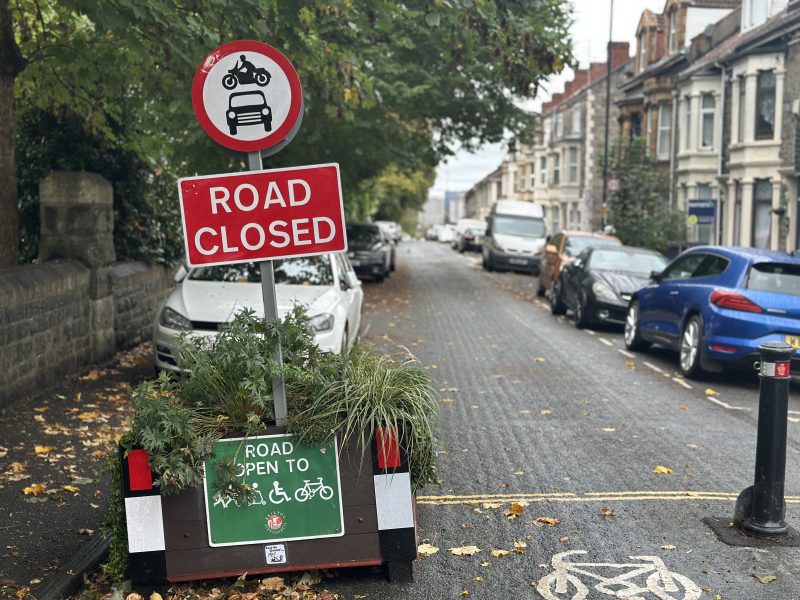
Disabled people feel their voices are being sidelined and ignored
Melissa has asked the council for records of consultation with Disabled people happening but has yet to see any.
She said “I have documents showing there was an entire year of council meetings with no minutes recorded. That’s the year they claimed they were doing engagement. Nothing exists. Nobody I know was asked.”
She also claimed the council referenced Barton Hill Disability Group as the disability group they consulted with.
She said: “I’ve since started my own local disability group, and none of our members were consulted or have heard of the group.”
Director of Bristol Disability Equality Forum (BDEF) Megan Belcher, who joined the group in January, said, as far as she is aware, BDEF has not been involved in conversations around the EBLN.
She said: “We haven’t been asked for our feedback or opinion on EBLN either prior or since it has been put in place, however, we have been asked to work with BCC to make sure that Disabled people’s voices are included in the current South Bristol Liveable Neighbourhood (SBLN) consultation.”
Consultation for the similar scheme in south Bristol is currently open. Many are hopeful it will make Southville a more pleasant place for everyone to live and work, while more than 1000 people have signed a petition against it.
In east Bristol, Sue believes it has destroyed community spirit: “We’re split apart. Our support networks are severed,” Hughes said. “Disability already cuts you off from some of life. This scheme just cuts you off further.”
Megan from BDEF warned that failing to involve citizens leads to mistrust, saying that “accessibility needs to be baked in from the start with plans and not tacked on as an afterthought, as it is really difficult to build accessibility in the post-planning stage.
“Disabled people need to be involved throughout the lifespan of projects so that they can contribute at all levels rather than only responding to pre-determined ideas.”
She stressed that clear and accessible communication channels should be established for the Disabled community to share feedback on projects impacting them, including a feedback loop to show how their input is being heard.
Additionally, consultations should be conducted in accessible formats from the outset “to ensure equal access to information for Disabled individuals alongside other community members.”
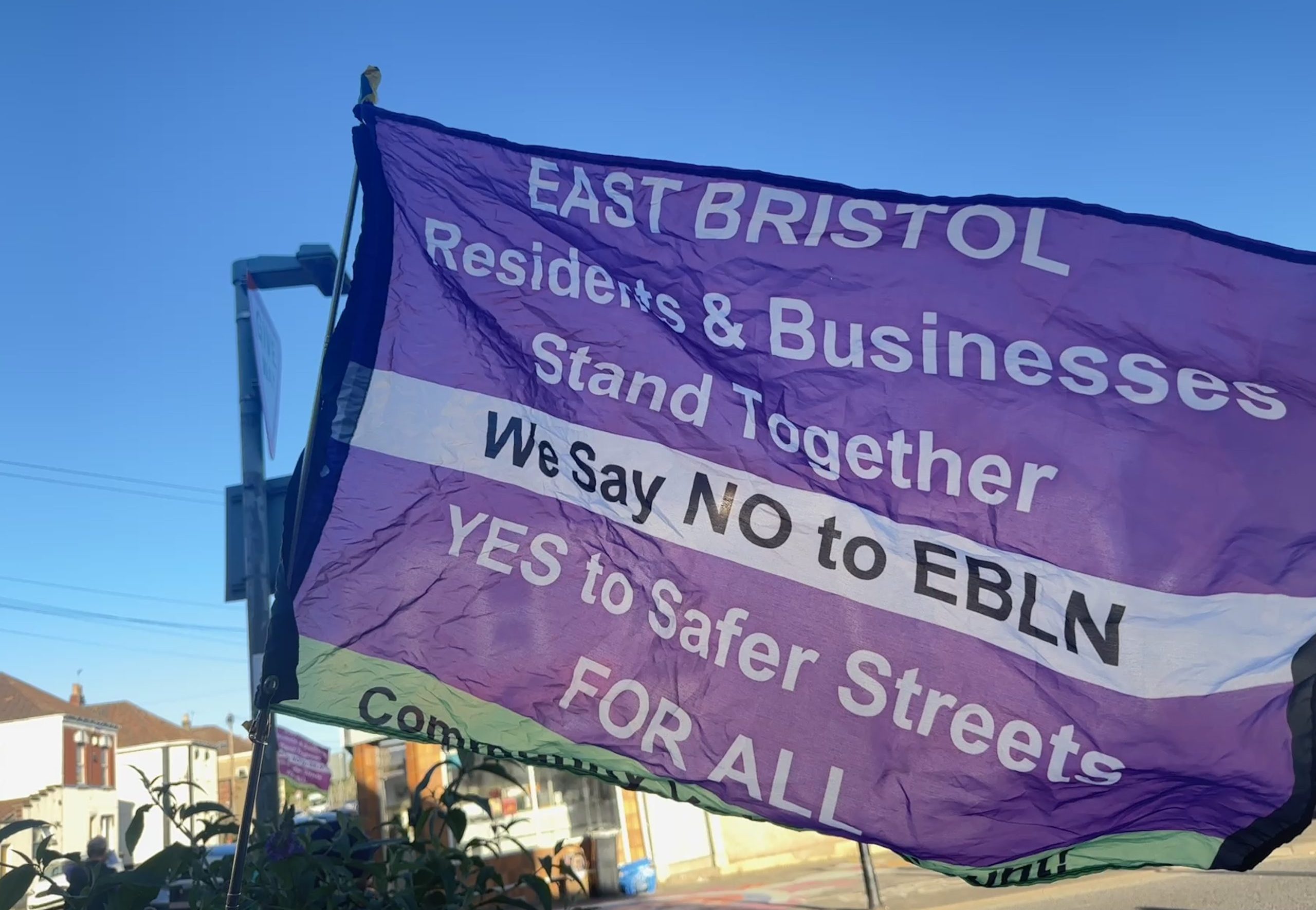
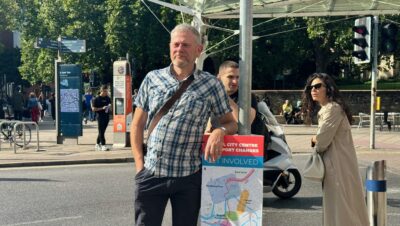
Some residents and businesses “say no” to the East Bristol Liveable Neighbhourhood
In a statement, Plowden said: “To make sure everyone has their say on the trial, I encourage everyone who lives, works and travels through the East Bristol Liveable Neighbourhood to complete our survey and to answer the polling questions if you are approached to do so by the independent market researcher.
“In evaluating the trial we’ll be bringing together a wide range of data, including traffic volumes, bus journey times and air quality, and the feedback of residents will be invaluable to sit alongside this data to help us understand how the changes are affecting daily life.”
Melissa and Sue both acknowledged the importance of traffic calming but stressed that the current scheme doesn’t work for people who rely on cars for essential travel – most particularly Disabled and elderly people.
Their main critique is that while the goal of liveable neighbourhoods is widely supported, in east Bristol, the lack of genuine consultation, physical barriers and the failure to provide alternatives have left Disabled people feeling excluded and harmed rather than helped.
This issue is extremely personal for Melissa. She said: “I never wanted to be a campaigner. I just wanted my quiet life, my mosaics, my family. But they’ve forced us out of our homes, into the streets in protest. We’re fighting for our right to be included in the city we call home.”
Sue added: “Independence is precious when you’re disabled. I’ve lost mine. That’s not a price anyone should be asked to pay.”
Carla Wakfer is reporting on Easton, Eastville, Redfield and St George as part of Bristol24/7’s Community Reporters programme, aiming to amplify marginalised voices and communities often overlooked by mainstream media. This initiative is funded by our public, Better Business members and a grant from the Nisbets Trust.
All photos: Carla Wakfer
Read next:
- ‘Liveable neighbourhood plans likely have more supporters than detractors’
- ‘Hastily arranged meetings are an insult to those impacted by liveable neighbourhood’
- Labour say negatives of East Bristol Liveable Neighbourhood outweigh positives
- More than 1000 sign petition opposing new liveable neighbourhood scheme
 Our newsletters emailed directly to you