News / reparative justice
Bristol Uni’s reparative justice programme marks milestone
Reparative justice is no longer a fringe idea. It has become a key topic in public discourse.
The toppling of the statue of Edward Colston in June 2020 by Black Lives Matter protesters became global news. His associations with city landmarks were swiftly severed.
During the closely followed Colston Four trial, historian David Olusoga, appearing as an expert witness, explained how the Royal African Company under Colston’s leadership was responsible for the enslavement of hundreds of thousands of Africans.
is needed now More than ever
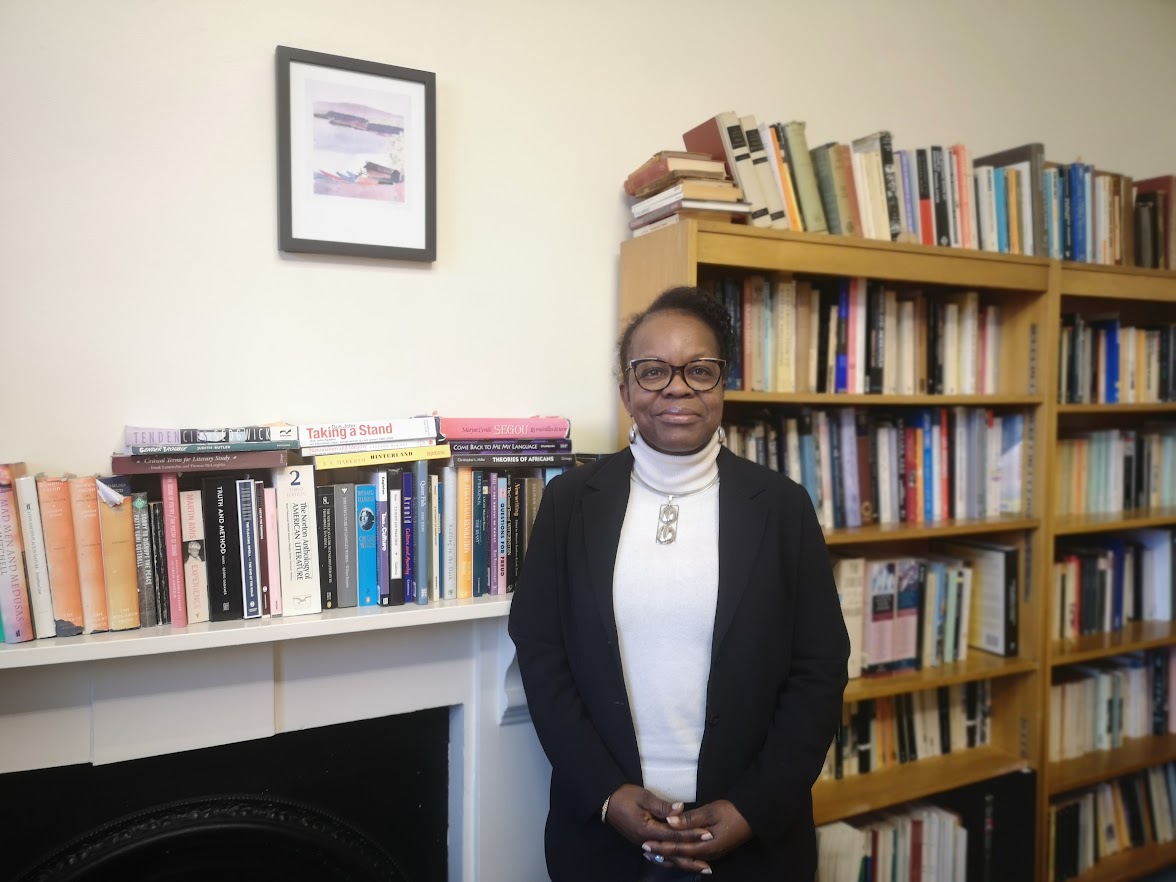
For Dr Marie‑Annick Gournet (pictured) at the University of Bristol, reparative justice is about more than acknowledging historical wrongs – photo: Milan Perera
Against this backdrop, reparative justice has become an increasingly urgent topic for institutions addressing their historic links to that chapter of Bristol’s history.
For Dr Marie‑Annick Gournet at the University of Bristol, reparative justice is about “more than acknowledging historical wrongs”.
“It is about repairing harm through tangible action, shared power and long-term structural change”, a distinction she emphasises, separating symbolic gesture from far-reaching actions.
Backed by a £10m commitment over ten years, the university’s Reparative Futures programme represents one of the most significant institutional investments in reparatory justice in the UK.
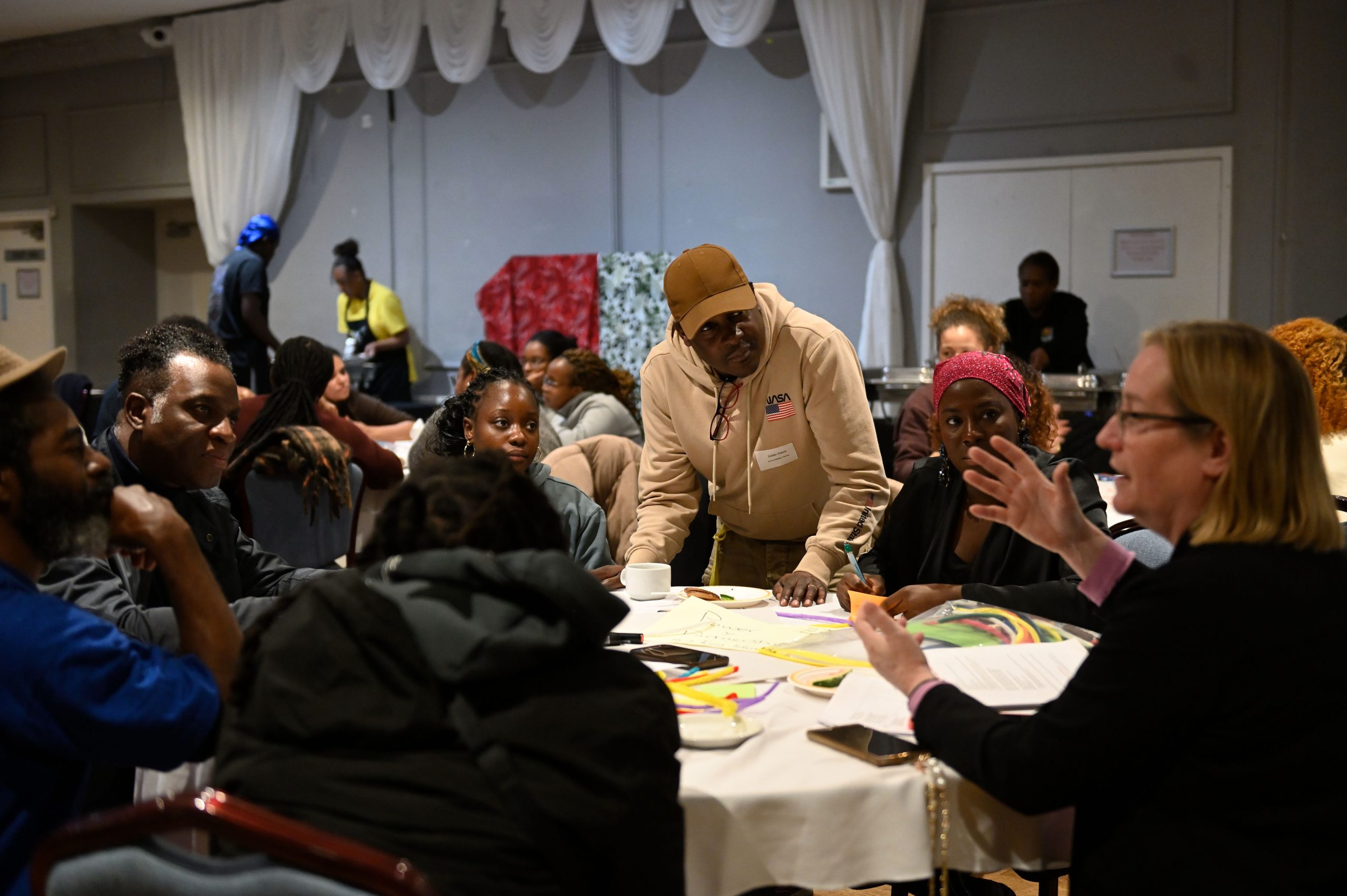
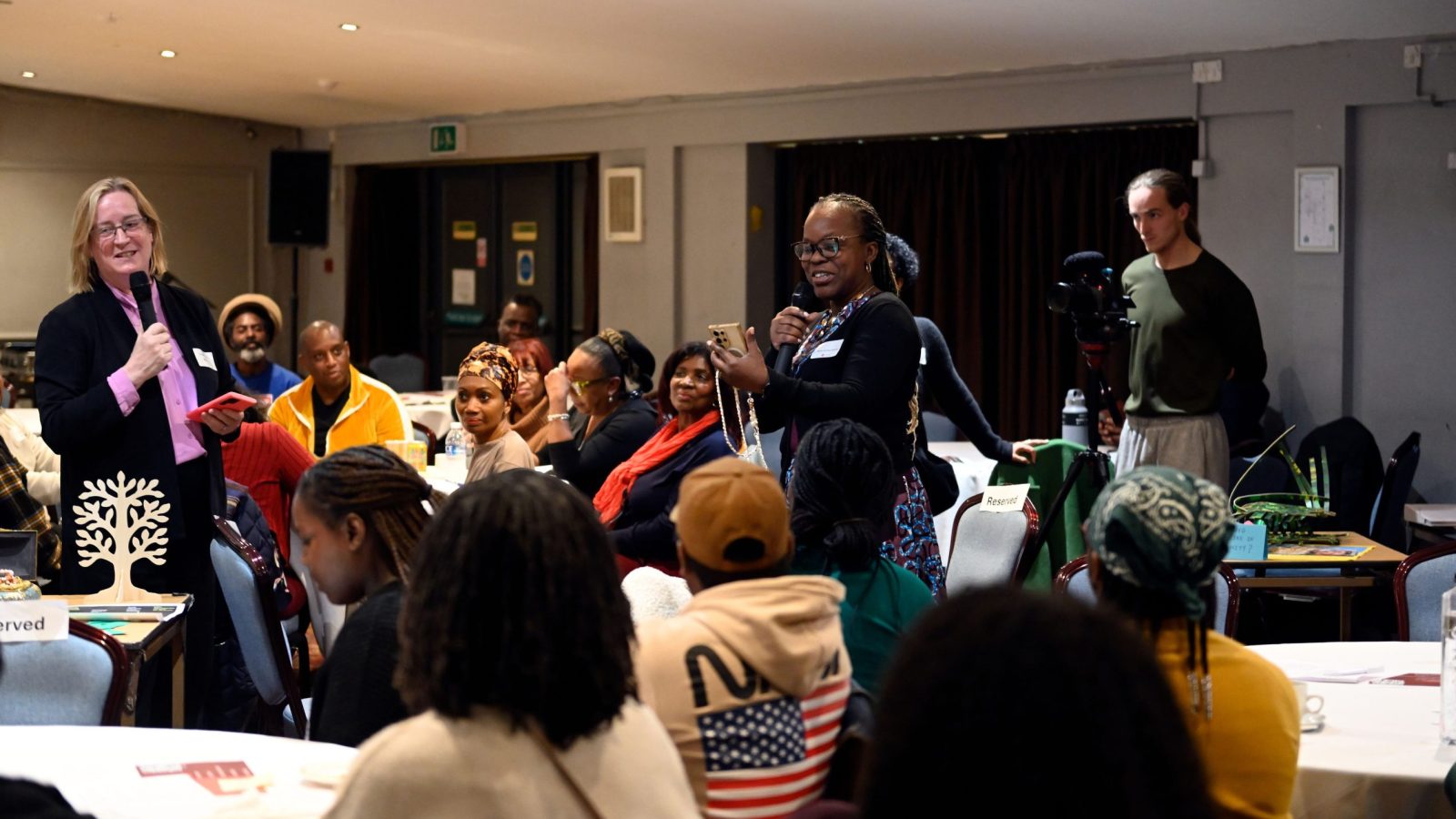
Reparative Futures Annual Community Event 2025 at Rose Green Centre was attended by professor Evelyn Welch, vice-chancellor at the University of Bristol – photo: Bhagesh Sachania Photography
Bristol24/7 recently spoke to Dr Gournet, associate pro vice-chancellor (reparative and civic futures) and programme lead, as the initiative moves from its foundation phase of listening and trust building into delivery and co-creation with the city’s Black community.
The programme seeks to demonstrate that reparative justice is not simply about symbolic acts but about addressing the structural inequalities that persist today, she said.
Launched in February 2024 and running until 2034, Reparative Futures aims to redress systemic injustices arising from historic enslavement while confronting ongoing anti-Black racism within the institution and beyond.
The university has already taken steps on that front. Colston’s dolphin emblem, once incorporated into the institution’s modern insignia, has been removed.
Although the university received no funding from Colston, who died nearly two centuries before it was founded, the emblem had been adopted in 2003 through links with the nineteenth-century Colston Society.
Following public consultation, the sun symbol of the Wills family and the horse emblem of the Fry family remain in the refreshed logo.
The university maintains that the names and symbols of its founders should be retained and explained in their proper historical context rather than erased.
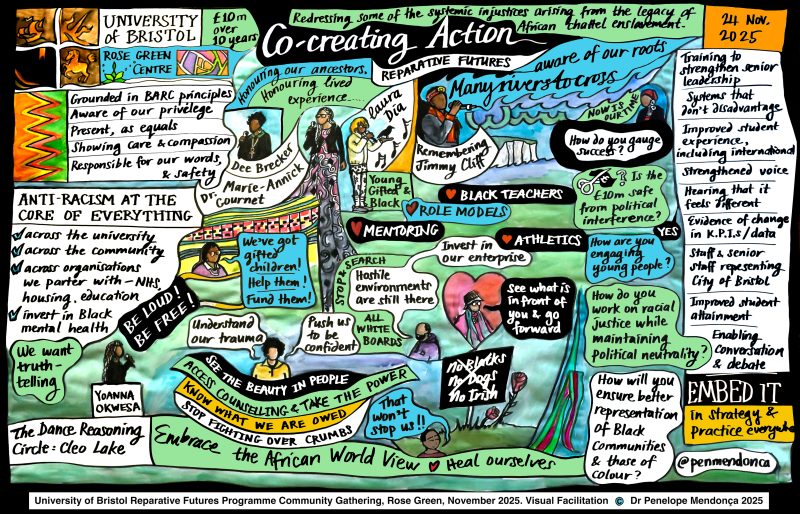
A visual representation of Reparative Futures Programme – photo: Dr Penelope Mendonça
While the Wills and Fry families did not directly own enslaved people, their wealth was connected to commodities such as tobacco, sugar and cocoa produced through endentured labour.
A community fund has also been established to support collaborative education and research projects between the university and local groups tackling inequalities in education, health and economic opportunity.
Dr Gournet said the programme is designed to create sustainable change that continues long after the ten-year funding period ends.
Rather than a single initiative, Reparative Futures is structured as a long-term framework combining funding, research, education and civic partnership with shared governance.
Alongside the university’s broader anti-racism work, the programme focuses specifically on harms linked to enslavement and what Gournet describes as “Afriphobia”, systemic discrimination targeting people of African descent.
For Gournet, the scale and duration of the commitment are central to its credibility.
“Repair takes time,” she said. “This work is about commitment, to truth-telling, accountability and co-creation.
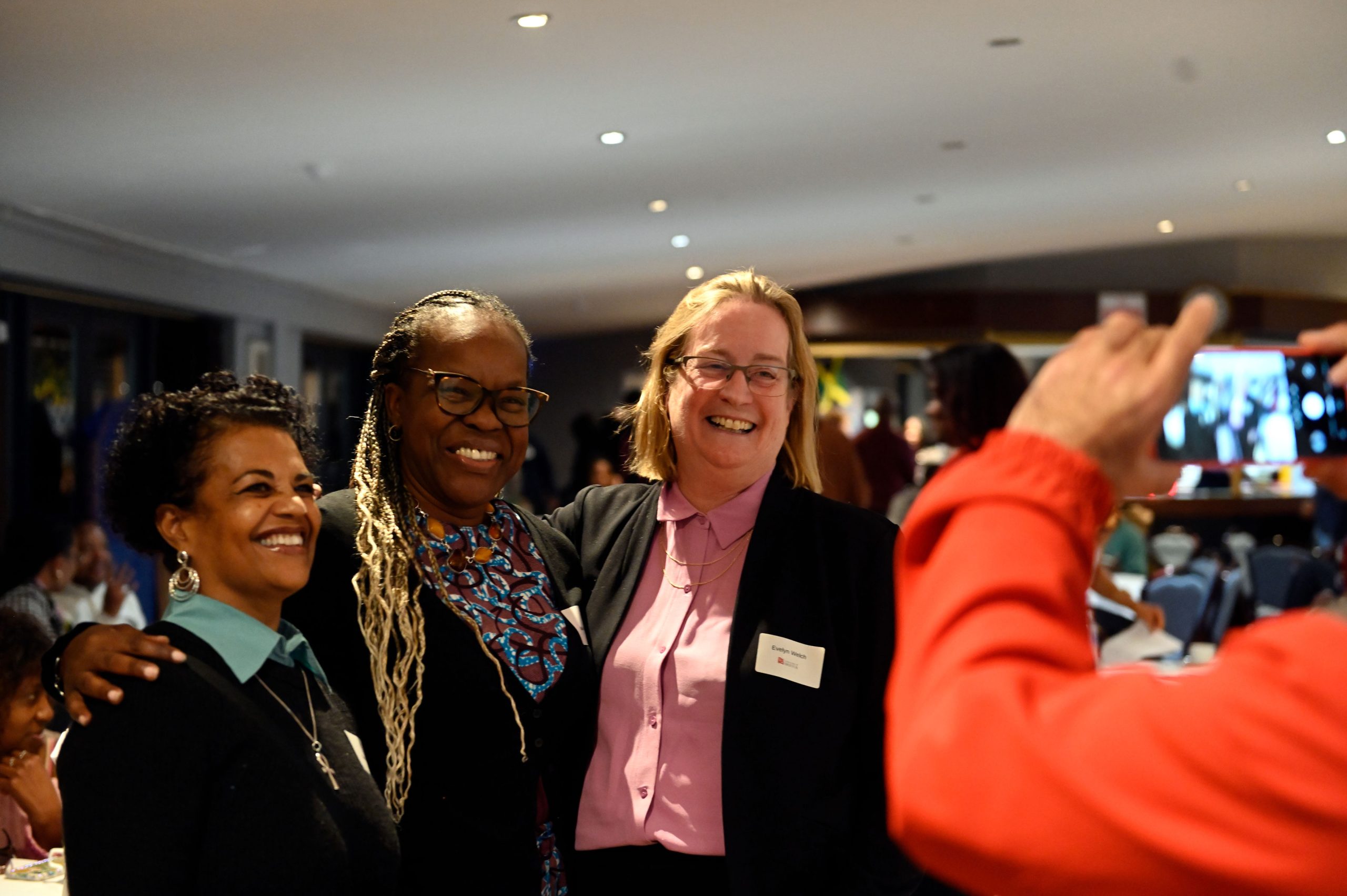
Dee Brecker, host of the Reparative Futures Annual Community event alongside Dr Marie-Annick Gournet and Professor Evelyn Welch – photo: Bhagesh Sachania Photography
“The launch marks the point where we begin moving together from learning into action.”
A recent community gathering at the Rose Green Centre marked the programme’s transition from mobilisation to delivery.
Around 100 community partners, students and staff came together under the theme Confronting the Past, Shaping the Future to reflect on progress and help shape the next stage.
The mobilisation phase had been designed as a period of listening before delivery.
Events were held within and beyond the university to build trust, understand lived experience and establish governance structures capable of holding the institution to account.
Community Accountability Partners were recruited through an open application process, chosen for their experience working with Black communities across areas including education, health, wellbeing, youth opportunity, arts and culture.
These partners provide a vital link between the university and the wider community of African descent, ensuring those most affected have a meaningful voice in shaping the programme.
Describing the process, Gournet said it created “a crucial foundation, building trust, structure and shared understanding before progressing into action”.
Early initiatives include work to contextualise the history of campus buildings and community-led projects such as Who is Guy Bailey? and the establishment of a Caribbean Studies Studio.
A Level 7 archivist and records manager apprentice, the first role of its kind at any UK university, has also been appointed to review archival material connected to enslavement through a reparative lens.
At the Rose Green gathering, a live “Goldfish Bowl” discussion saw Gournet and professor Evelyn Welch, vice-chancellor at the University of Bristol stand at the centre of the room answering anonymously submitted questions.
The format reflected the programme’s emphasis on shared accountability rather than top-down decision making.
Addressing concerns about whether the work might fade with leadership changes, professor Welch said: “This is not symbolic work, and it is not conditional. Our ten-year commitment exists because repairing relationships and systems takes time. Leadership changes, but the commitment will not.”
Looking ahead, Gournet stressed that the next phase must remain collaborative.
“Our approach is around co-creation, working with people in the community, working with students and staff. We are not alone in this city; we must work collaboratively to build the kind of ecosystem required for reparatory justice.”
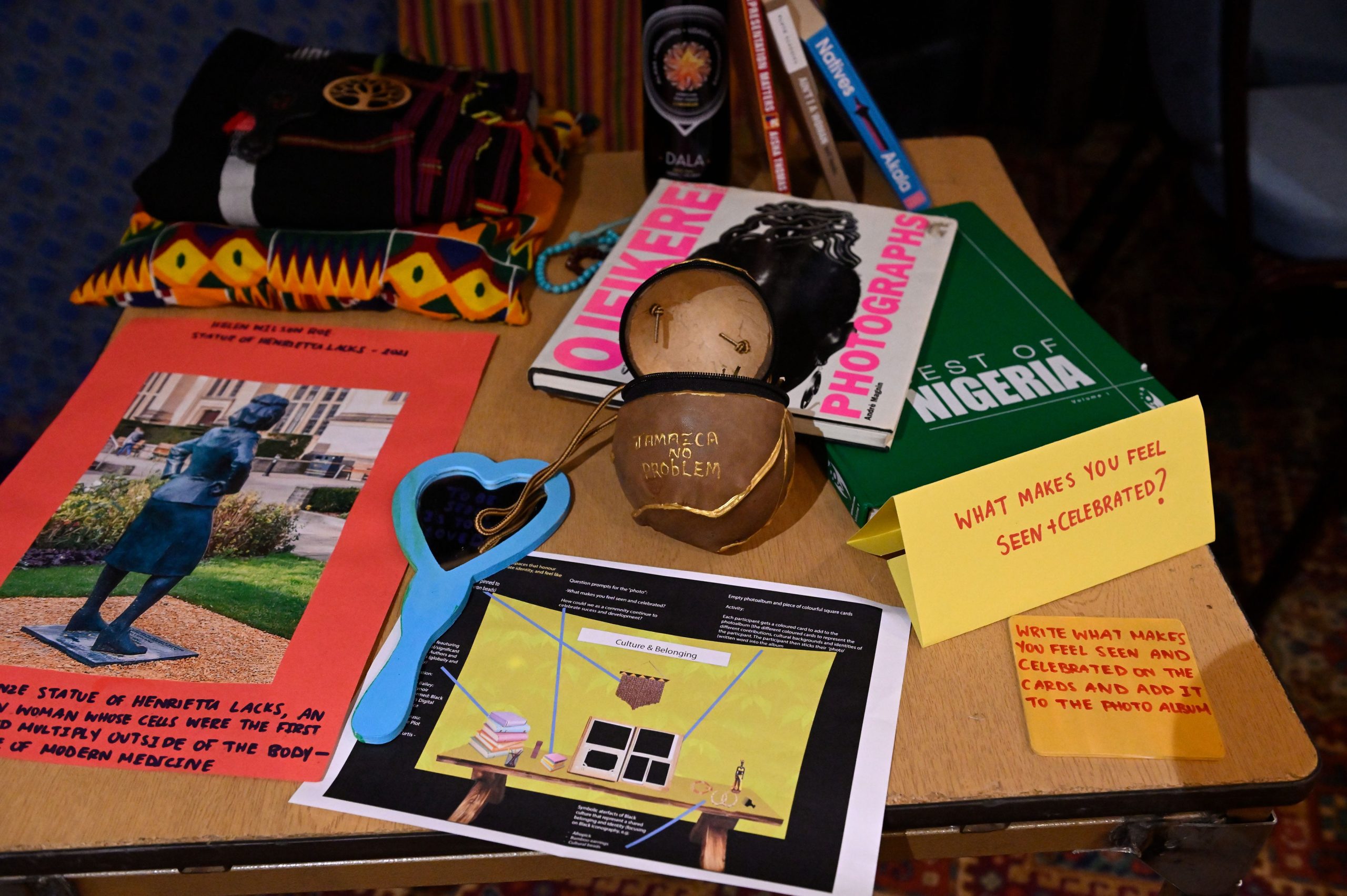
Interactive visioning station created by an accountability partner during the event – photo: Bhagesh Sachania Photography
Over the coming years the programme will focus on expanding educational opportunities for people of Black heritage, supporting partnerships between community groups and the university, and improving access to historical records both physically and digitally.
In autumn 2025, Dr Gournet was part of an influential group advocating for Bristol’s civil rights credentials to be recognised alongside figures such as Marvin Rees, the first elected Black mayor of a major European city, Paul Boateng, the UK’s first Black cabinet minister and Julz Davis, disruptor-in-chief at Curiosity Un(Ltd).
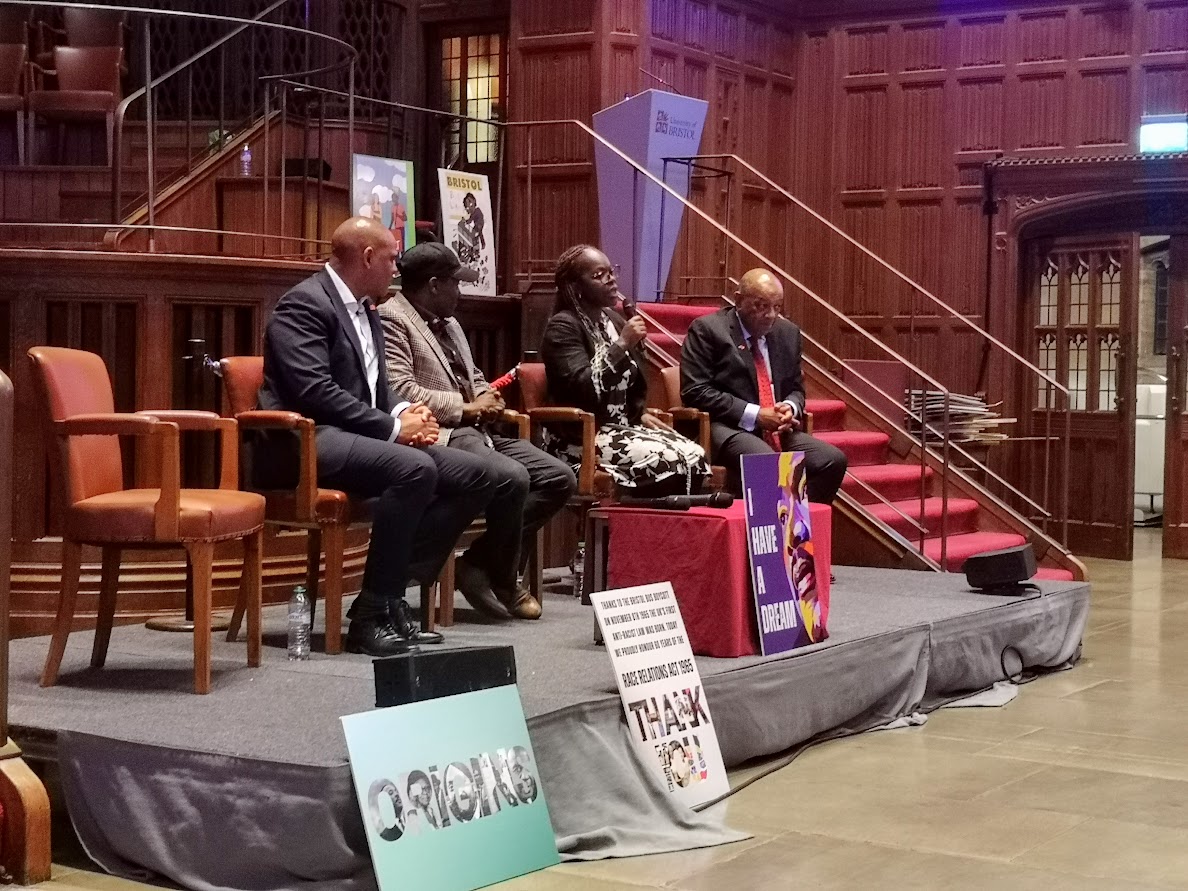
Marie-Annick Gournet championing Bristol’s case as the UK’s capital of civil rights alongside Marvin Rees, Julz Davis and Paul Boateng – photo: Milan Perera
The group put forward a compelling case for Bristol to be recognised as the UK’s capital of civil rights, highlighting the city’s historical significance, including the 1963 Bristol Bus Boycott.
For Gournet, the phrase Reparative Futures reflects the programme’s dual aim of confronting history while reshaping what comes next.
“Reparatory justice cannot be achieved in isolation,” she said. “Confronting this legacy and building a more just future requires deep collaboration across institutions and communities; without it, we will barely begin to address the scale of this historical harm.”
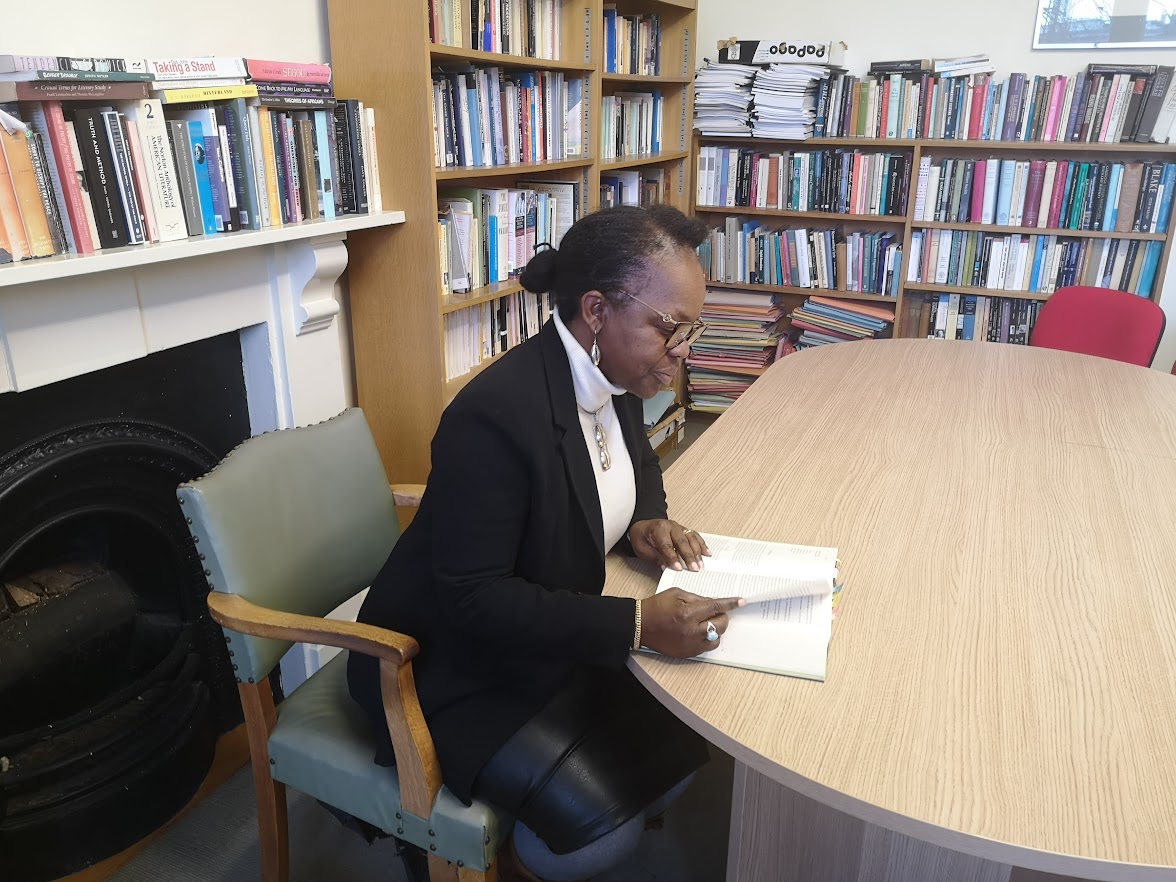
“Reparatory justice cannot be achieved in isolation,” said Dr Marie-Annick Gournet – photo: Milan Perera
Main photo: Bhagesh Sachania Photography
Read next:
 Our newsletters emailed directly to you