News / Research
Bristol academic to lead discussion on macabre Victorian phenomenon
A new talk at Arnos Vale Cemetery will shine a light on one of Victorian Britain’s most macabre phenomena: spontaneous human combustion.
Imagine going for a night out with your friends for a few pints and when you are about to say your goodbyes, you burst into flames and reduce to a cinder. It sounds like the stuff of nightmares. But for Victorians, it was a genuine and reasonable fear.
Dr Pam Lock of the University of Bristol will explore the mysterious phenomenon that gripped 18th- and 19th-century Britain – the belief that the human body could spontaneously ignite.
is needed now More than ever
In an age caught between scientific progress and lingering superstition, reports of people reduced to ash in their own homes fuelled fierce debate among doctors, coroners, clergymen and writers.
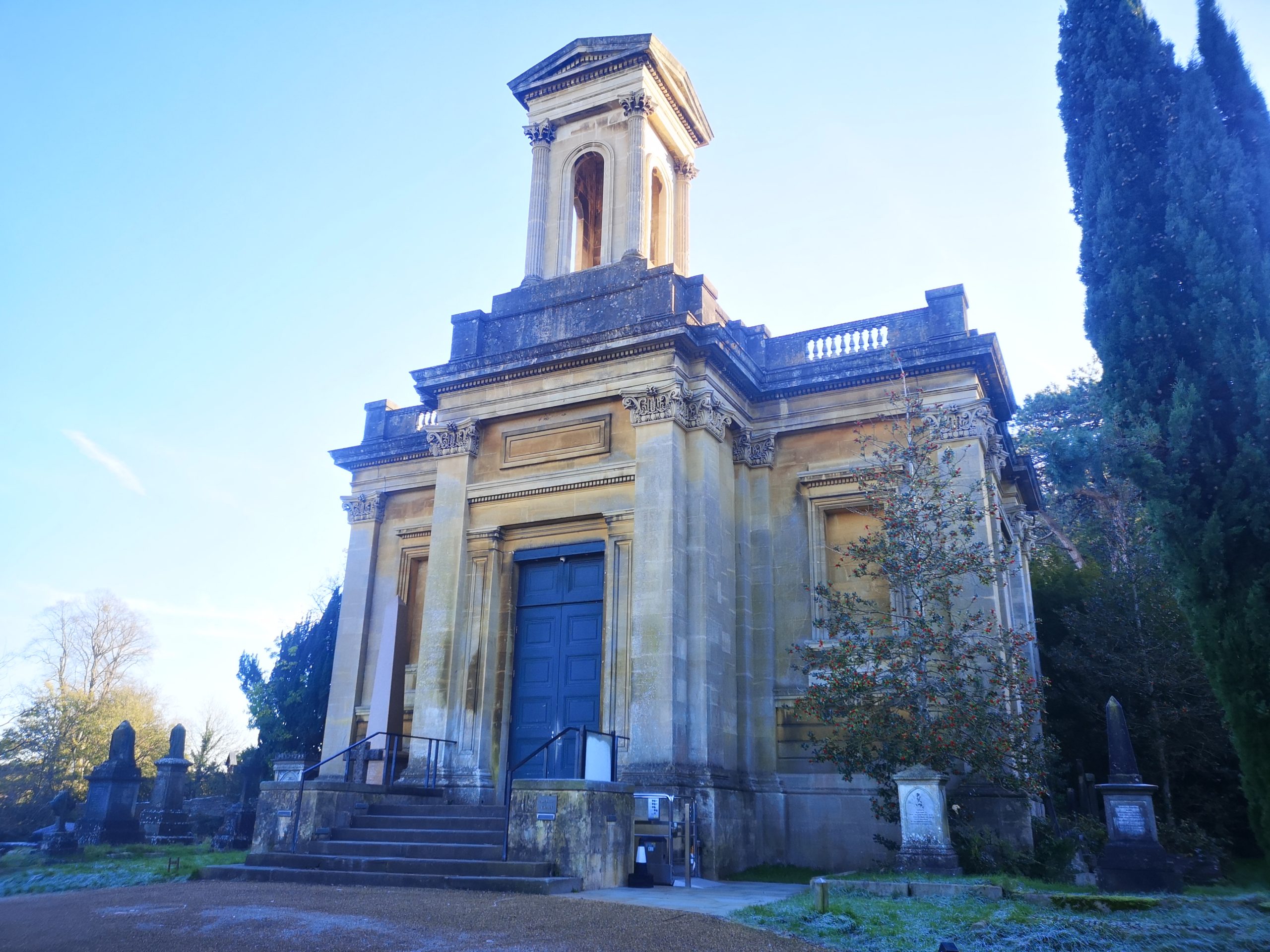
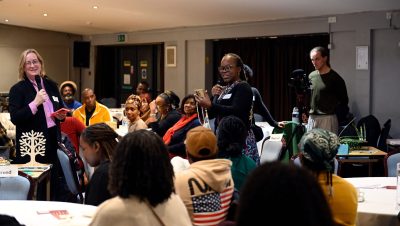
A new talk at Arnos Vale Cemetery will shine a light on one of Victorian Britain’s most macabre phenomena: spontaneous human combustion – photo: Milan Perera
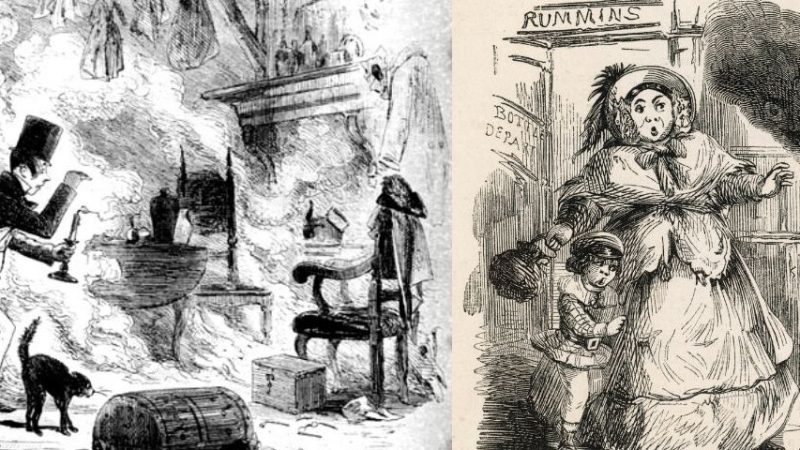
The idea famously appeared in Bleak House, where Charles Dickens kills off the rag-and-bottle merchant Mr Krook by spontaneous combustion.
Dickens believed the phenomenon credible and defended his portrayal when critics accused him of sensationalism.
At the time, newspaper reports and medical journals carried accounts of similar deaths, often described in graphic detail.
Many victims were portrayed as heavy drinkers. Victorian thought held that excessive alcohol consumption made the body highly flammable – a theory that aligned neatly with the era’s moral anxieties and the growing temperance movement.

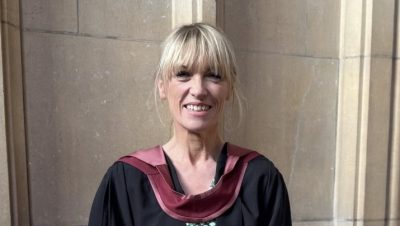
Dr Pam Lock specialises in Victorian literature and the cultural history of drink and intoxication – photo: Pam Lock
Dr Lock, a senior lecturer at the university’s English department, specialises in Victorian literature and the cultural history of drink and intoxication.
She is the author of Dead Drunk: Tales of Intoxication and Demon Drinks (British Library, 2023) and is completing a monograph titled The Drunkard in Victorian Fiction and Culture.
Dr Lock is also involved in interdisciplinary projects on representations of women’s drinking in the 19th century and contributes to research papers focused on drinking studies
Speaking to Bristol24/7, she said: “Spontaneous human combustion fascinates everyone at one time or another, so it was amazing to find an example of this strange notion influencing medicine in a real way. I love Arnos Vale Cemetery and can’t wait to share this research in such an apt and beautiful place.”
Although the earliest recorded case dates back to Milan in 1470 after a man named Polonius burst into flames after a session of heavy drinking, it was in Victorian Britain that the phenomenon became a serious topic of discussion among scientists, theologians and the press – sometimes sensationalised for dramatic effect.
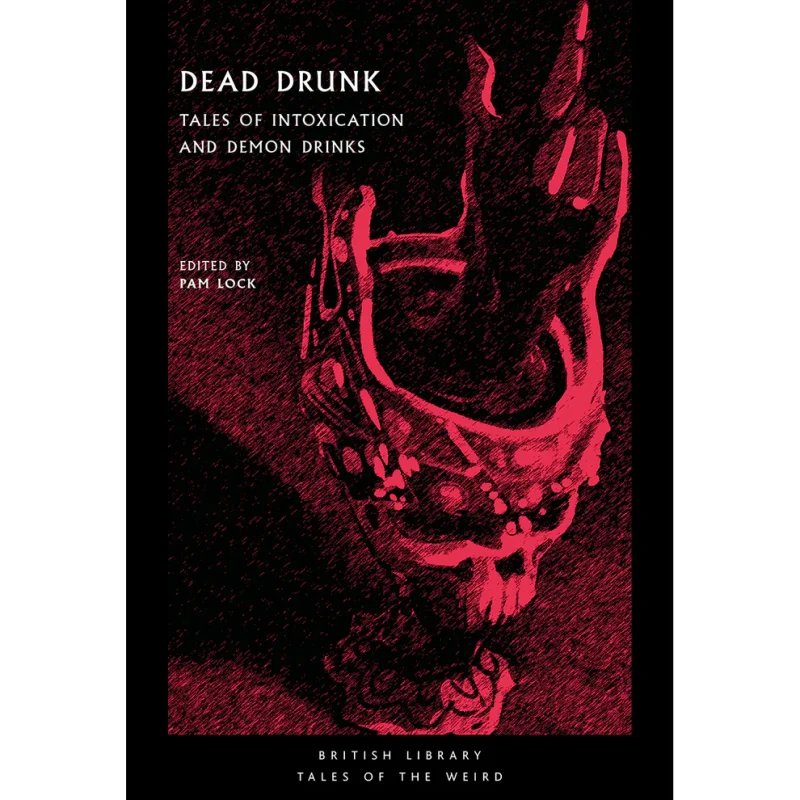
Pam Lock is the author of Dead Drunk: Tales of Intoxication and Demon Drinks (British Library, 2023) – photo: British Library
Dr Lock’s talk will examine how spontaneous human combustion sat at the crossroads of emerging forensic science, popular imagination and Victorian moral panic.
With its sweeping monuments and landscaped grounds, Arnos Vale provides a fittingly atmospheric backdrop for a subject rooted in an era fascinated by death, morality and discovery.
The 45-acre Victorian garden cemetery has been the backdrop for numerous television productions, most recently the Netflix drama The Seven Dials Mystery.
The cemetery has recently launched an appeal for donations to repair its historic gates after being used for nearly two centuries.
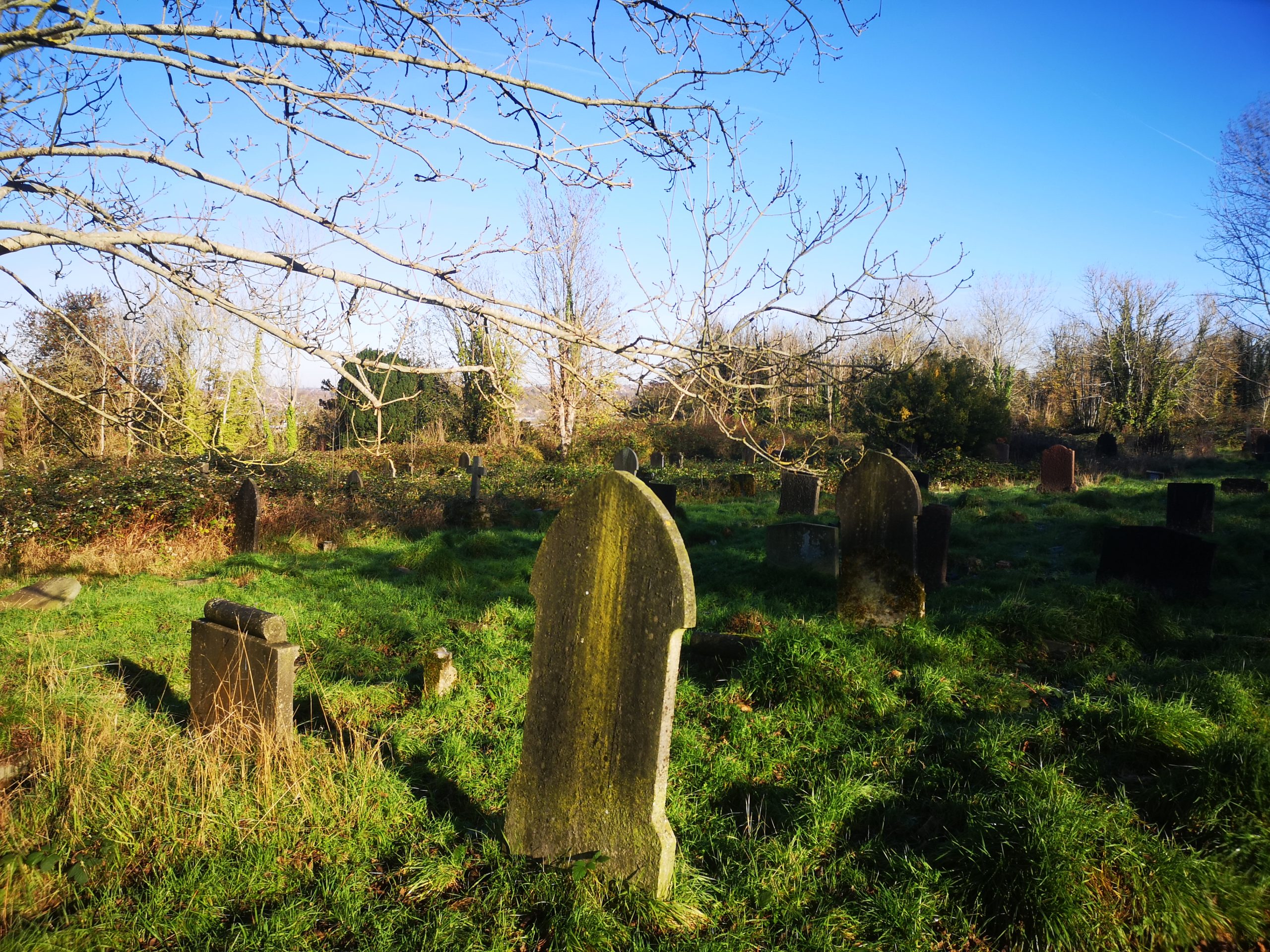
“I love Arnos Vale Cemetery and can’t wait to share this research in such an apt and beautiful place,” saod Dr Lock – photo: Milan Perera
The event will be held at 6.30pm on March 18, both in-person and online, with proceeds going to Arnos Vale Cemetery.
For tickets, visit www.arnosvale.org.uk/spontaneous-human-combustion
Main photo: Pam Lock/Arnos Vale
Read next:
 Our newsletters emailed directly to you