News / Civil rights
Bristol launches bold bid to become UK’s capital of civil rights
Lord Marvin Rees, the first elected Black mayor of a major European city, Lord Paul Boateng, the UK’s first Black cabinet minister, and Dr Marie-Annick Gournet, campaigner on reparative justice, were among those who put forward a strong case for Bristol to be made the UK’s capital of civil rights.
Bristol has taken a major step in cementing its civil rights legacy with the launch of a campaign to make the city the epicentre of the UK’s civil rights movement.
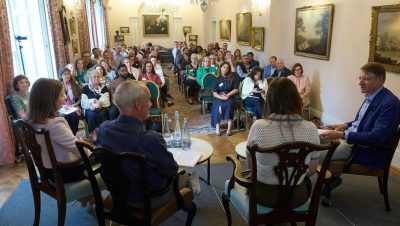
The Talks4Change: Pioneers of Progress summit took place at the Wills Memorial Building on Tuesday, bringing together more than 450 civic, business and community leaders for an evening of discussion, reflection and action.
is needed now More than ever
Hosted by Curiosity Un(Ltd) in partnership with the University of Bristol and supported by Bristol BID, the landmark event marked 60 years since the Race Relations Act 1965 and celebrated the life and legacy of civil rights pioneer Paul Stephenson, who passed away in November 2024.
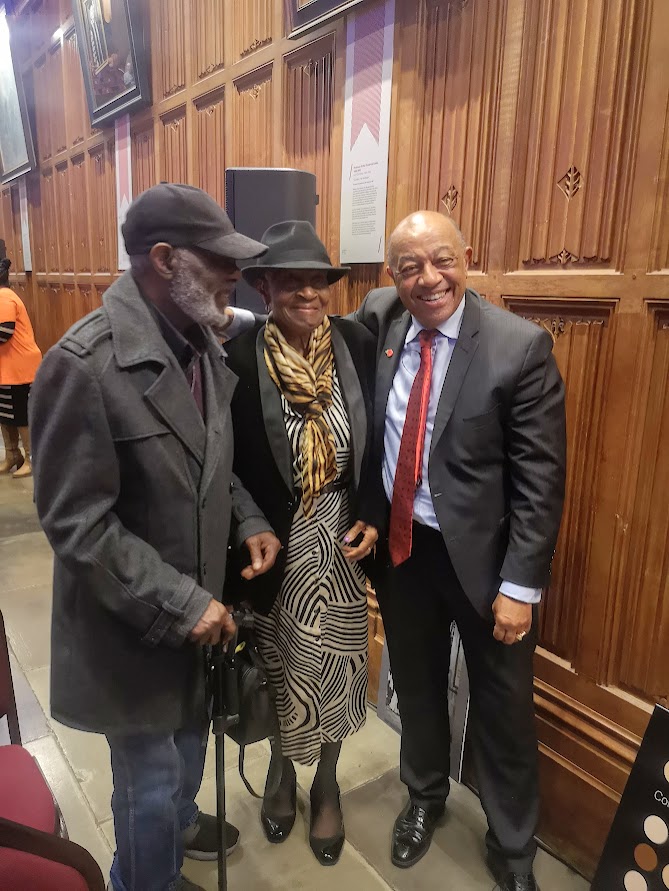
Lord Boateng with Guy Bailey and Joyce Morris-Wisdom, two towering leaders of Bristol’s civil rights movement
The evening began with opening remarks from Dr Marie-Annick Gournet, associate pro vice-chancellor (reparative and civic futures) at the University of Bristol and the first Black academic to hold such a position at a European university.
Gournet highlighted Bristol’s leading role in the UK’s civil rights movement, with particular reference to the Bristol Bus Boycott.
Kalpna Woolf, high sheriff of Bristol, formally opened the summit with a reflection on Remembrance Day, which coincided with the event.
She paid tribute to the selfless sacrifices of Black and Asian soldiers from the Commonwealth who answered the call to defend the freedom of these shores. A one-minute silence was also observed.
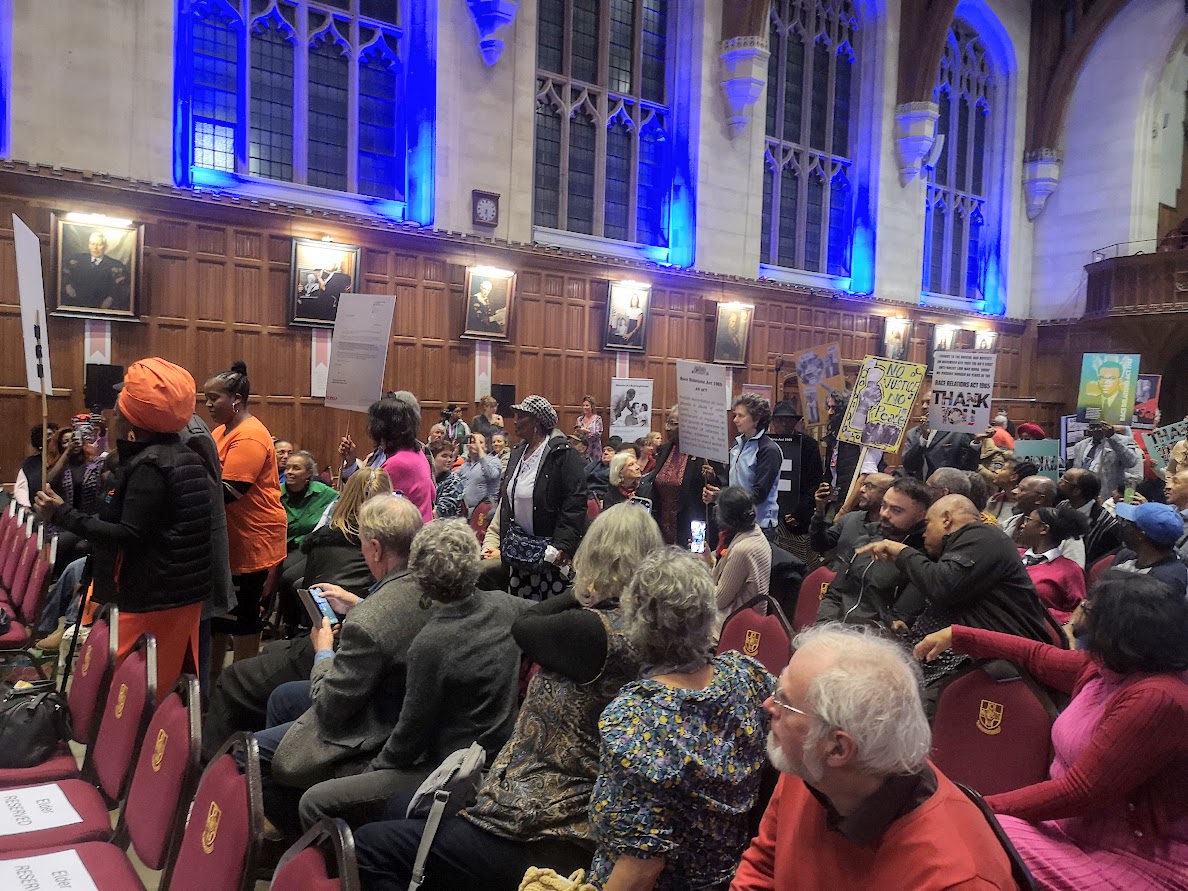
The evening featured a moving We:Memberance procession honouring the Bus Boycott pioneers
A highlight of the evening was a conversation between former Bristol mayor Marvin Rees and Paul Boateng, University of Bristol alumni, lawyer and former cabinet minister, hosted by Julz Davis.
Panels also featured pioneers of the Bristol Bus Boycott alongside next-generation leaders including Mervyn Weir, author of I Can’t Breathe; Darren Miller, founder of the Black Business Initiative; Marti Burgess, chair of the Black South West Network; Marie-Annick Gournet, pro vice-chancellor at the University of Bristol; and Mya-Rose Craig, founder of Black2Nature.
The summit also saw the launch of Blueprint4Change, a new civic framework shaped by more than 1,200 local voices, designed to help businesses and communities build a fairer, more inclusive Bristol.
It forms part of the Bristol Bus Boycott 360 campaign, which has brought together more than 90 public and private partners to advance racial equity and civic leadership.
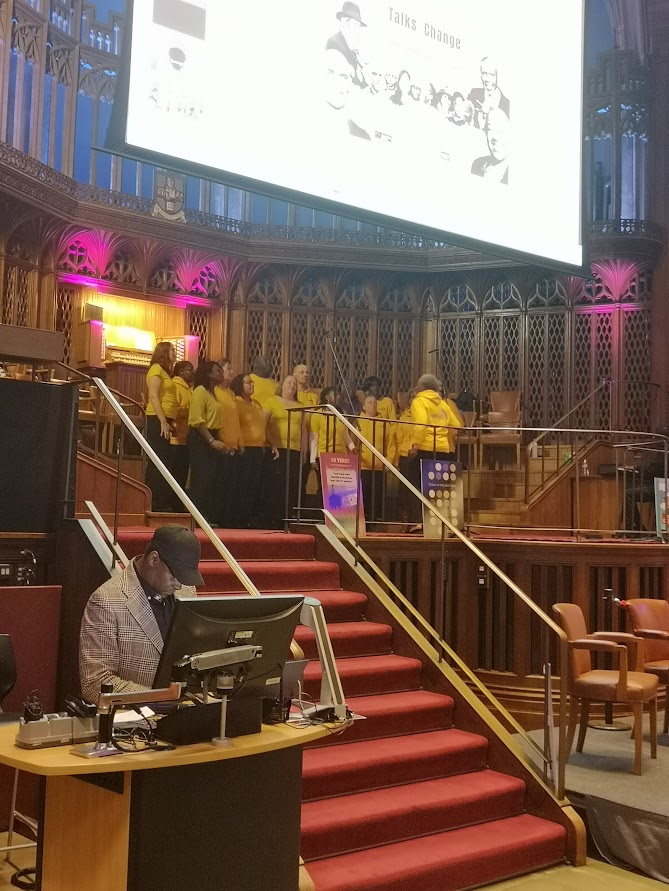
Performance from the Renewal Choir—co-founded by the son of Norman Samuels, Bristol’s first Black bus driver
The multi-year initiative will culminate in 2027, marking 100 years since the birth of Dr Martin Luther King Jr, with his son Dr Martin Luther King III expected to join commemorations in Bristol.
The evening also featured a moving We:Memberance procession honouring the Bus Boycott pioneers, performances from the Renewal Choir—co-founded by Vernon Samuels, the son of Norman Samuels, Bristol’s first Black bus driver.
Also, a specially commissioned poem was performed by Bristol poet laureate Sukina Noor.
Among the original leaders of the Bristol Bus Boycott were Guy Bailey, Barbara Dettering, Joyce Morris-Wisdom and Pearl Quashi-Williams.
Also in attendance was professor Madge Dresser, whose research has been instrumental in preserving the history of the Bristol Bus Boycott, along with family members of Ragbir Singh, the city’s first Asian bus driver.
“This summit embodies Bristol’s ongoing legacy of activism and innovation,” said Steve Bluff, chief operating officer of Bristol BID.
“It’s not just about reflecting on the past – it’s about shaping the future of civic leadership. The conversations we start here have the power to influence how businesses, institutions and communities work together to build a fairer and more inclusive city.”

Marvin Rees, Julz Davis, Marie-Annick Gournet and Paul Boateng in conversation
He added that the business community plays a vital role in driving that progress, using its platforms, resources and networks to turn inspiration into action.
When asked why Bristol should be given the singular honour of being the UK’s capital of civil rights, Lord Boateng pointed to the city’s “chequered past” with enslavement as well as its strong counter-movement, which played a pivotal role in challenging the attitudes of its time.
The former cabinet minister and member of the House of Lords also highlighted the city’s strong nonconformist and Methodist heritage, championed by the likes of John Wesley, which challenged established power and were central to the abolition movement.
That same spirit, he said, lived on through the Bristol Bus Boycott, as championed by the late Paul Stephenson and other local leaders.
Former Bristol mayor Marvin Rees reminded the audience that societal progress is never a given, despite the breakthroughs along the way. He reiterated that progress isn’t inevitable, but something that requires active engagement.
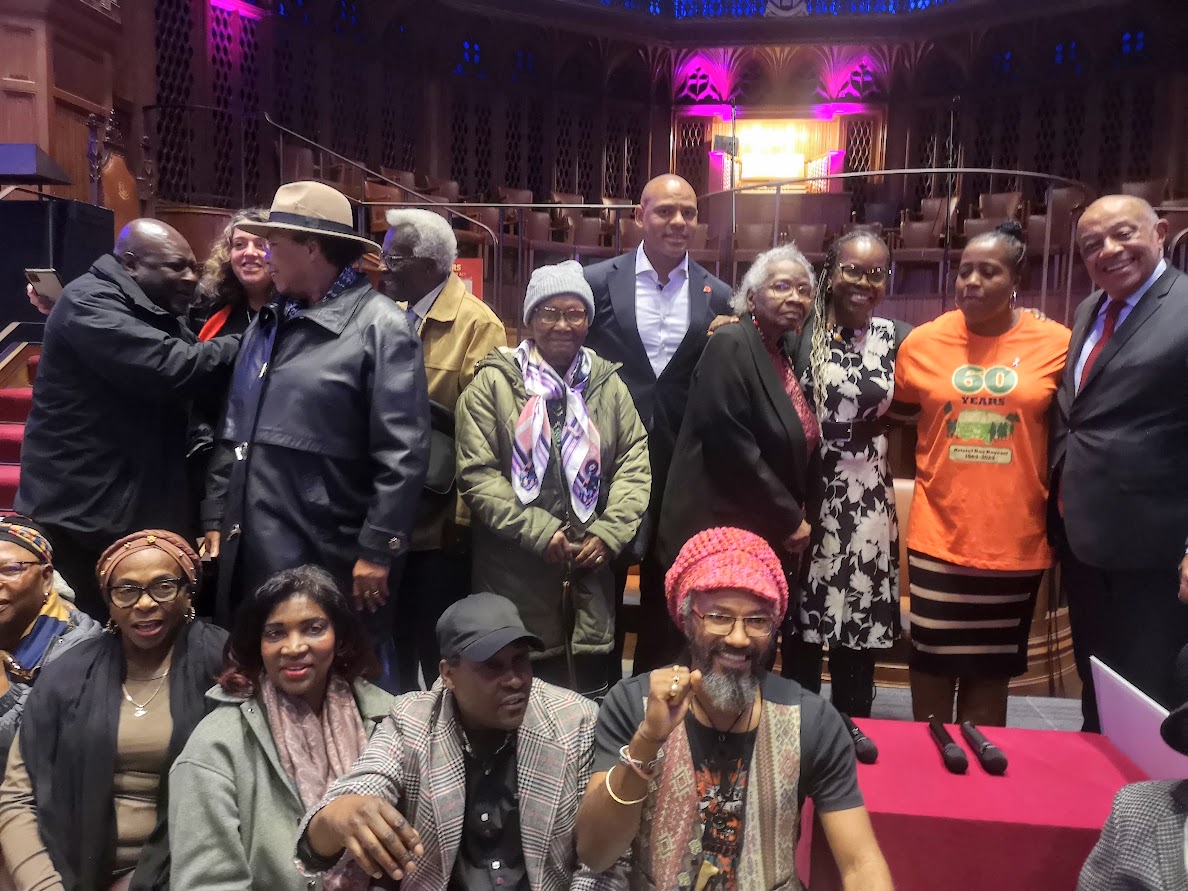
Bristol has taken a major step in cementing its civil rights legacy with the launch of a campaign to make the city UK’s civil rights capital
Julz Davis, disruptor-in-chief at Curiosity Un(Ltd), said the summit was about “creating leadership with legacy in mind — collaboration that outlives campaigns and creates measurable, lasting change.”
All photos: Milan Perera
Read next:
 Our newsletters emailed directly to you