News / Transport
Funds from workplace parking levy must have ‘transformational’ impact
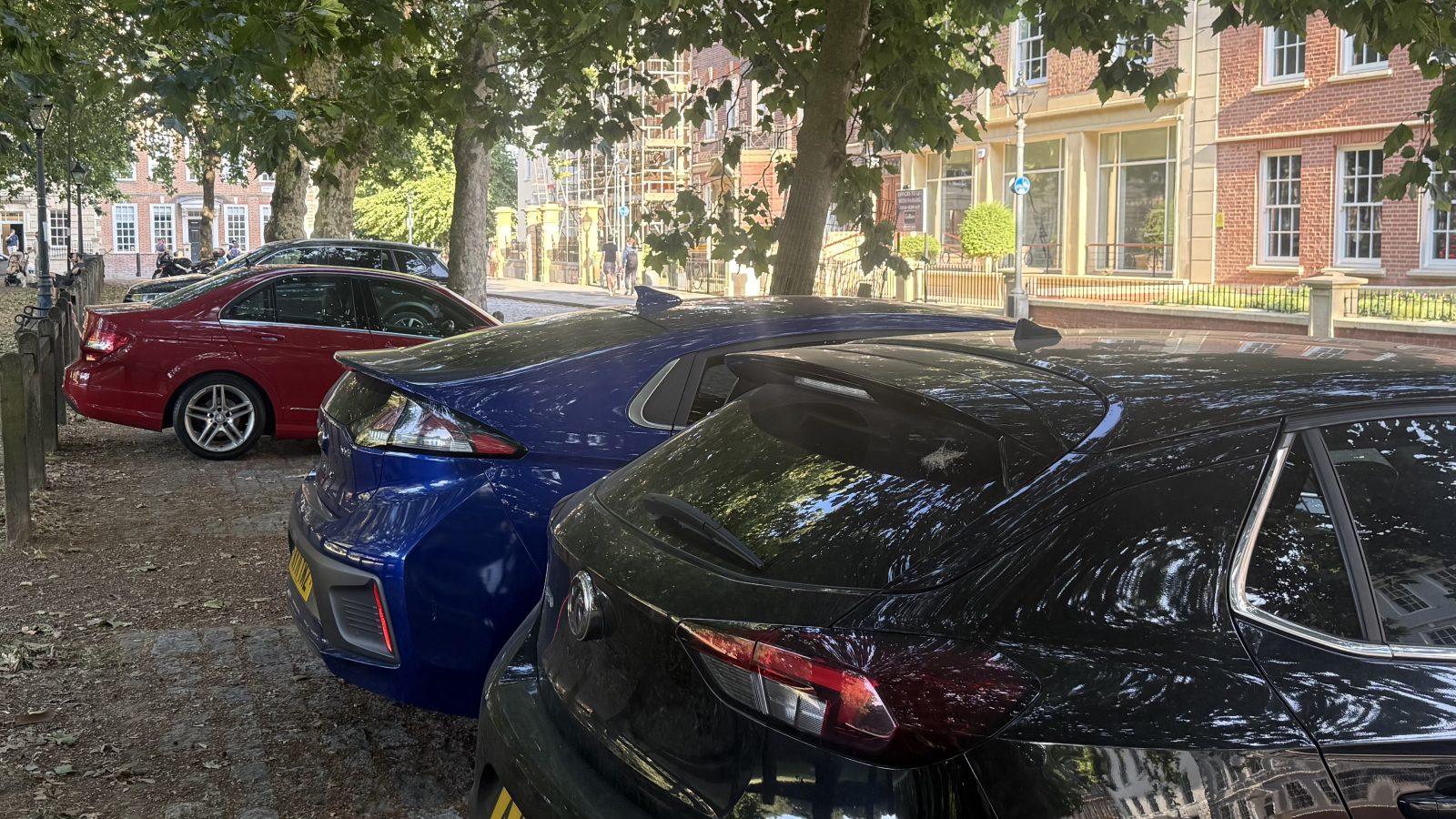
Bristol’s Labour group leader says that the council has to be “absolutely clear about the possible transformational impact” of raising funds from a proposed workplace parking levy which could go towards building a tramline or setting up a new bus company.
“We’re only going to sell this to people if they absolutely believe that we can have a transformative impact on the city and that things will be very different,” said Tom Renhard.
“We know from talking to businesses that that is all about public transport.”
is needed now More than ever
Renhard was talking at a meeting of the transport & connectivity committee in which his Tory counterpart, Mark Weston, slammed the proposed levy, saying it would “clobber workers” and lead to companies relocating outside Bristol.
Weston said: “What’s going to happen here – and we see this in the suburbs too much – is you’re going to use Avonmouth as a cash cow and fund stuff in the centre, because that always happens to us, again and again…
“This shouldn’t see the light of day.”
Bristol City Council is planning to consult the public this autumn about the new charge.
If approved, the levy would be rolled out in 2028 or 2029, raising up to £40m a year for improving public transport, such as cheaper and more regular buses.
Councillors on the transport policy committee voted to approve three illustrative options to be included in an upcoming public consultation.
No decision has been made on what the actual costs will be, where they would apply, nor if the levy will go ahead.
Elsewhere, Nottingham is the only city that has implemented a workplace parking levy, but the idea is now being explored in other cities too, such as Cardiff and Leeds.
In Bristol, around a third of people drive to work, although some of these have to pay for parking already and so would not not be affected by the new levy. Schools, the NHS and other employers could be exempt.
In 2025, the former council leader of Nottingham City Council, Graham Chapman, said there was no loss of business in the city when the levy was first introduced, despite threats of companies relocating.
The money raised from the levy was used to extend a tramline, and the city also has a publicly owned bus company.
In central Bristol, an annual workplace parking levy could range from £750 to £1,250, with a reduced rate of £625 in Avonmouth and the wider city.
Employers would likely pass on the cost to their staff. An annual charge of £750 is equivalent to paying £3.26 per working day, while £1,250 is equivalent to paying £5.43 – similar to two bus tickets into town and back which costs £5.20.
The three illustrative options included in the consultation will be different than first expected, due to a late change suggested by Green councillors.
This also affects how much money the levy would raise each year in total.
Green councillor Ed Plowden, chair of the transport committee, said: “We’ll be using three case studies as illustrative examples of how we want to go about that.
“The three options that we put forward aren’t necessarily exclusive for the future, but they should give us the most information from the public to help us select the options that we take forward, should we decide to do that.”
Main photo: Martin Booth
Read next:
 Our newsletters emailed directly to you