News / Transport
Businesses urge council to spend parking levy on better buses
Businesses have told Bristol City Council that proposed new charges on workplace parking spaces should be spent on better buses.
The new levy would raise money to improve alternative ways of transport, such as buses running more often, mass transit or bike lanes.
Hundreds of employers were asked by the council for their views on a workplace parking levy, and how the money should be spent.
is needed now More than ever
The plans are still at an early stage and the council will consult the public before potentially rolling out the levy in either 2028 or early 2029.
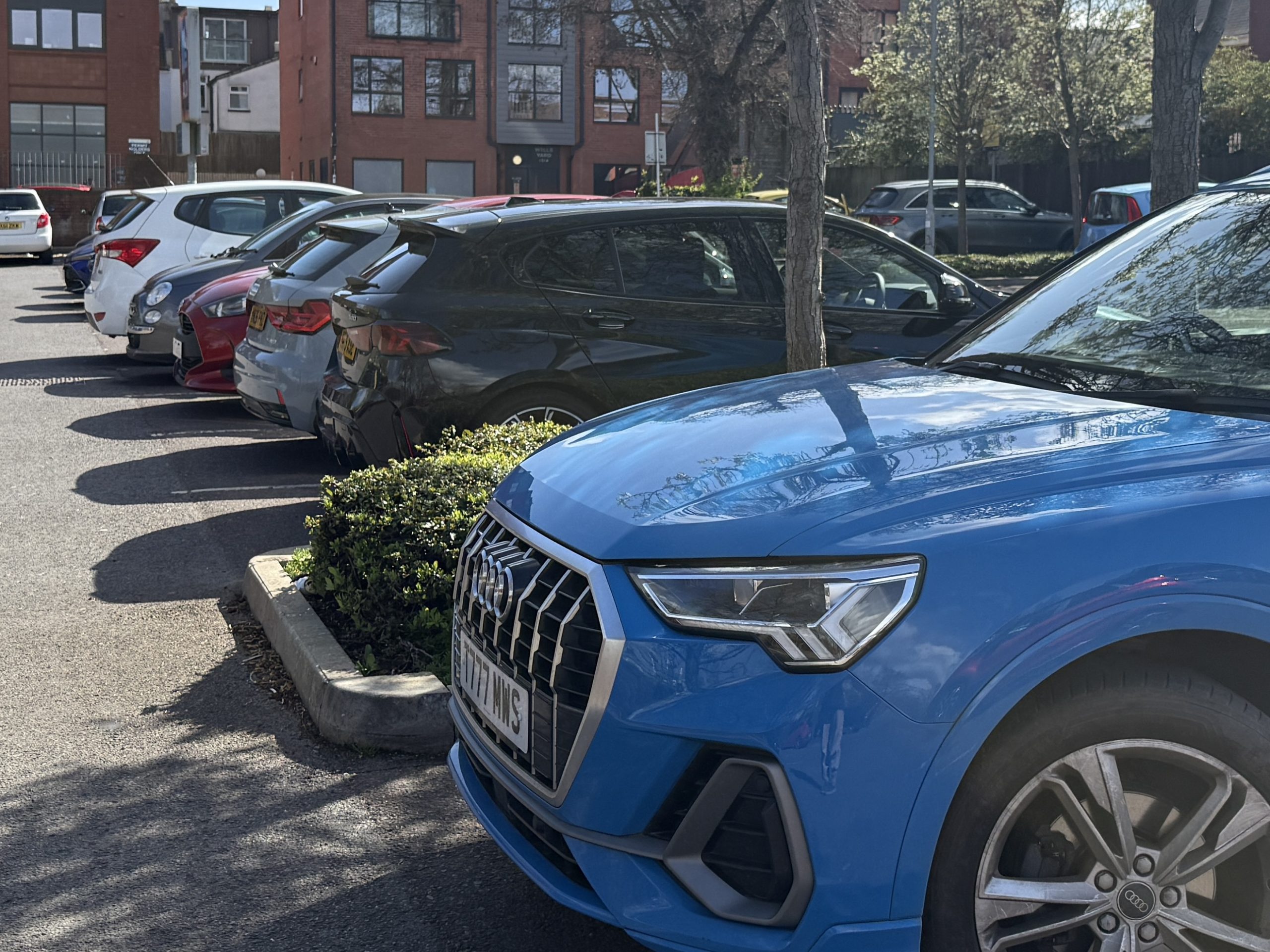
A workplace parking levy is an annual charge that employers pay for each workplace parking space they provide – photo: Betty Woolerton
An update on the workplace parking levy was given to councillors on the transport policy committee on March 19.
Respondents to the survey showed there was clear support for spending the income on improving the frequency of buses and creating new routes.
Adam Crowther, the council’s head of city transport, said: “The business views on how it should be invested is quite interesting.
“A lot of focus on improving buses, so increasing frequencies and new routes, that’s by far the most popular option. Alongside that are local bus routes, looking at reduced fares, then cycling routes and rail improvements.”
There are still question marks about how large an area the scheme would cover, and which employers would be exempt from paying, like schools for example.
So council bosses don’t yet know how many parking spaces would be affected, nor how much money could be raised.
One next step is creating a plan for how the money could be spent on upgrading the city’s transport.
Liberal Democrat councillor for Westbury-on-Trym and Henleaze Nicholas Coombes said: “I’m very supportive of the principle of workplace parking.
“I would like to see it in place as soon as possible, so that we can deter commuting into the city centre and take some revenue to do nice things with transport.”
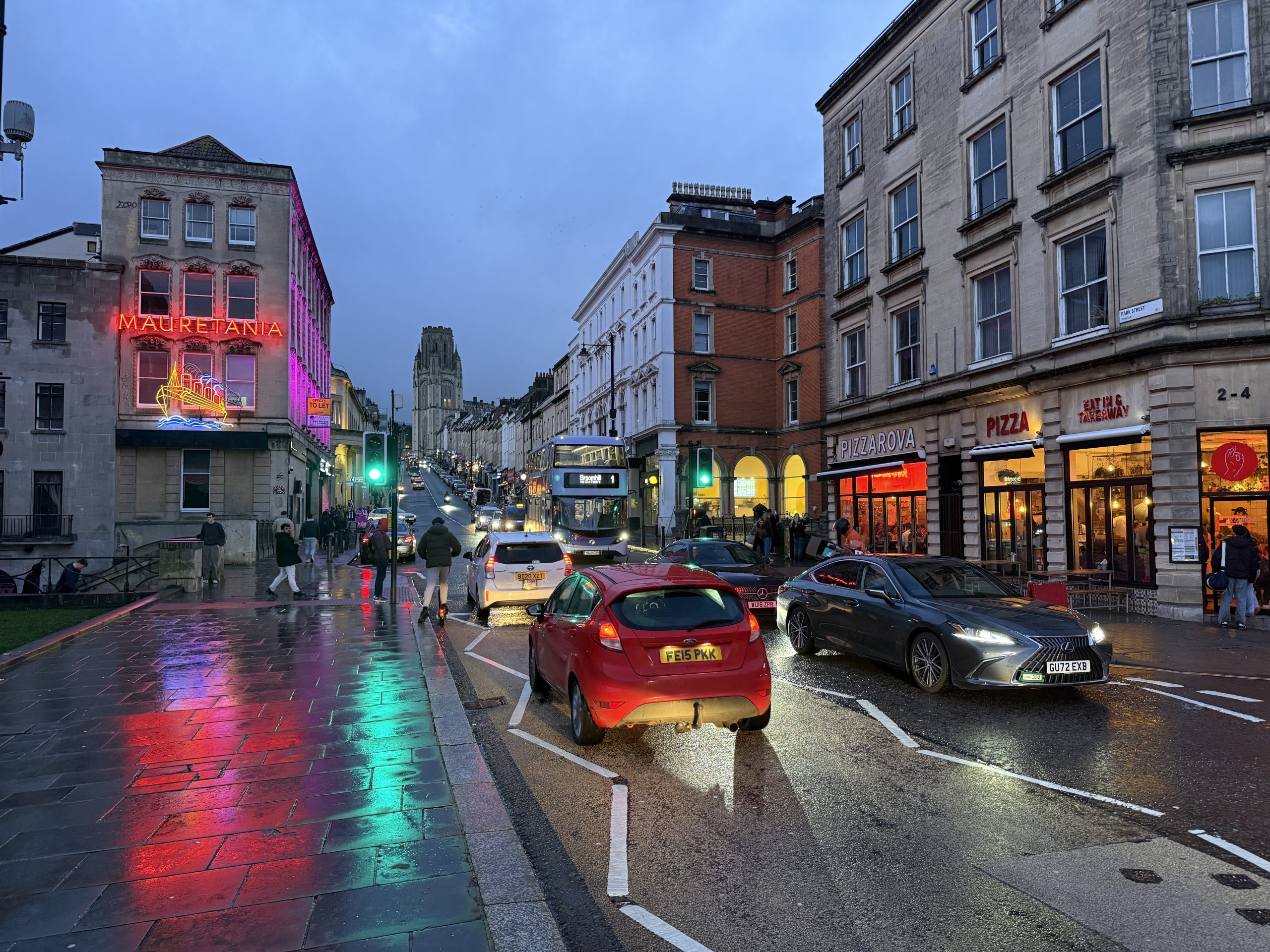
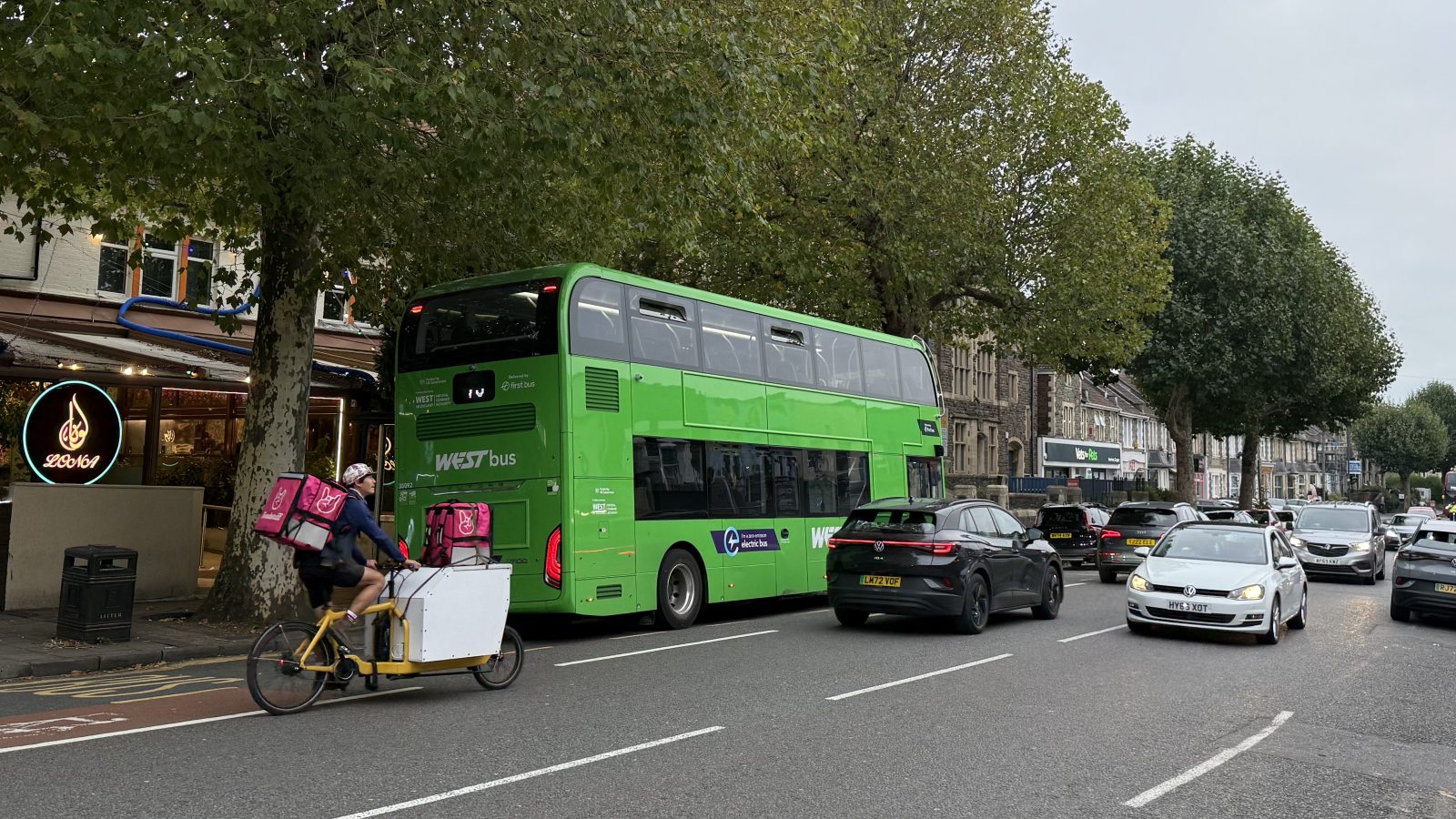
Traffic on Park Street regularly delays bus routes that serve 23 of Bristol’s 34 wards – photo: Betty Woolerton
Many other cities in Europe have much better public transport than Bristol does, including similar-sized cities with trams and metro stations.
In France for example, cities have the power to tax employers to raise money for investing in public transport.
In Bristol, some employers would likely pass on the cost of the new levy to staff, causing concern over a “tax on workers”.
Conservative councillor for Stockwood Graham Morris added: “At the end of the day it’s going to be a tax on workers.
“In terms of the surveys we’ve done already, are we going to use that to forecast if there’s going to be potential job losses, or are we asking businesses if they are planning to relocate if we charge them for parking spaces?”
An upcoming economic assessment will look at the potential impacts of different sorts of levy.
This would include the boundary of the scheme and exemptions for some types of employers. This is expected as part of the outline business case, which hasn’t yet been drawn up.
The scheme aims to encourage employers to manage the number of workplace parking spaces they provide, and promote the use of sustainable transport.
Alex Seabrook is a local democracy reporter for Bristol
Main photo: Martin Booth
Read next:
 Our newsletters emailed directly to you