News / Transport
East Bristol Liveable Neighbourhood to be made permanent
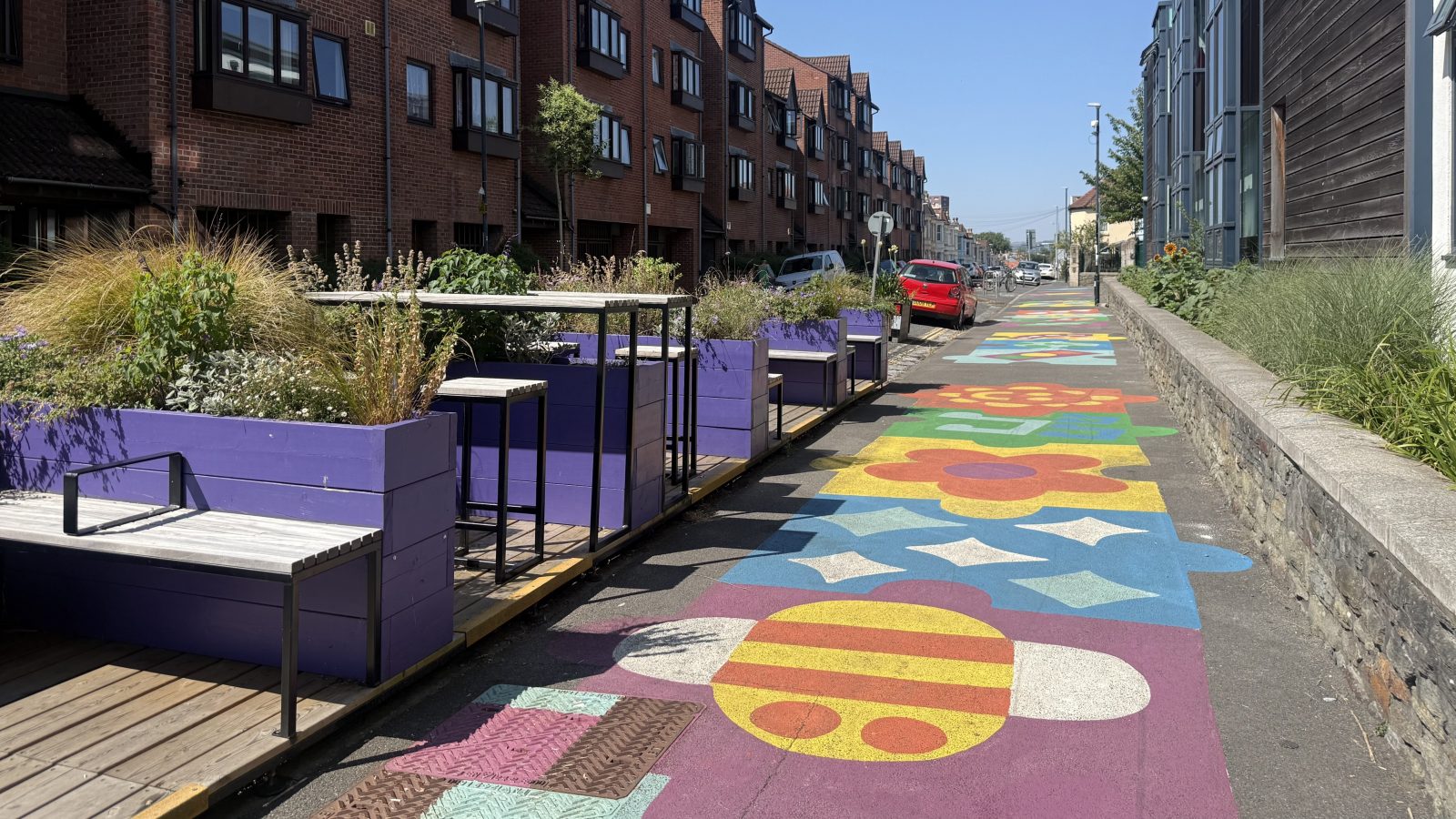
The East Bristol Liveable Neighbourhood will go ahead following a long trial but could still be subject to legal challenges before it is made permanent and still needs almost £10m of funding to be approved by WECA.
The EBLN has been “the key issue” of the last two years for councillors in Bristol, said transport & policy committee chair Ed Plowden, who was among councillors who voted 5-4 for the scheme.
“That was a fucking waste of time,” said one angry voice in the public gallery. “This council is fucking shit.”
is needed now More than ever
Bristol’s Green group leader, Emma Edwards, said the committee needed to show “backbones” and that is what they did, with four Green councillors voting to approve the full business case joined by Lib Dem councillor Nicholas Coombes.
Labour councillors Tom Renhard, Tim Rippington and Kaz Self, and Conservative councillor Mark Weston, voted against; although Weston did also vote to approve a last-minute Green Party amendment.
“What you’ve managed to do is tear a community apart,” said Weston, adding that the scheme “can’t be tweaked” before then voting for a few tweaks.
Renhard, Bristol’s Labour leader, said there should not have been a binary choice to either vote for or against the full business case, but a middle ground and compromise.
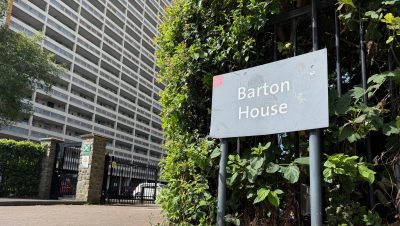
“It has been the most polarised issue I have worked on in my entire adult life,” said Renhard, adding that he “can’t abide with how the scheme has been implemented”, especially with the use of police officers alongside council contractors early one morning in Barton Hill.
Now the full business case has been approved, the total cost of the EBLN scheme is estimated at £10.1m, with £9.9m of this to be funded by WECA and the remaining £160,000 to be funded by section 106 contributions held by the council.
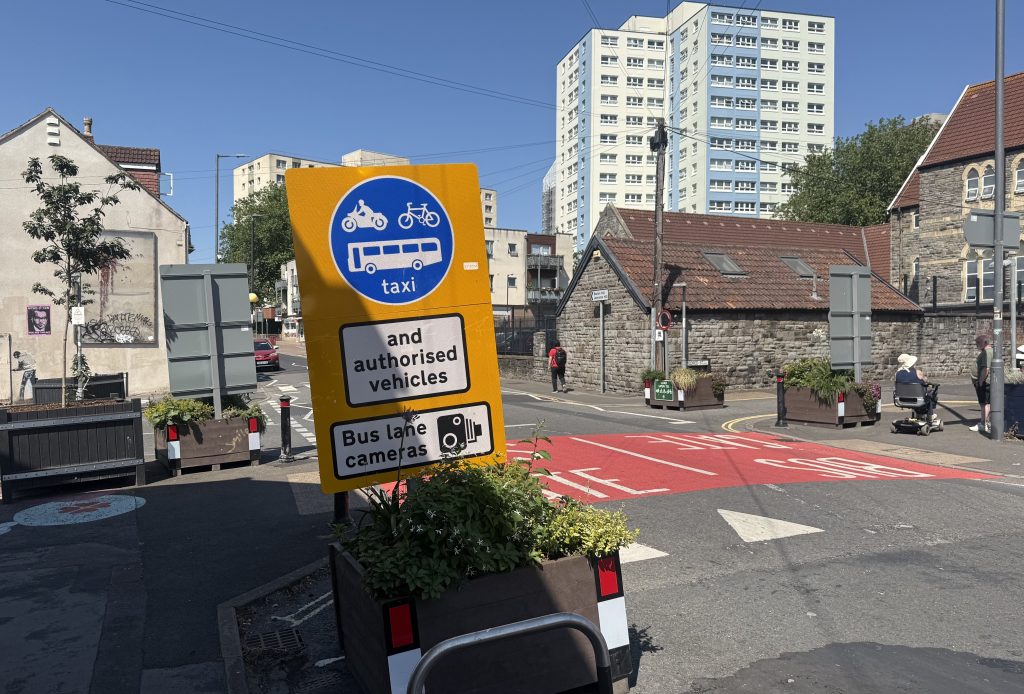
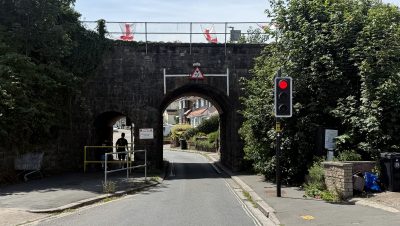
The bus gate on Avondale Road in Barton Hill was one of the most controversial aspects of the trial – photo: Martin Booth
The vote followed some emotional statements from the public gallery from both sides of the debate, with one woman in tears and another person opposed to the scheme threatening “expensive legal action” before the EBLN can be made permanent.
One resident said the trial had caused “profound harm” on streets that were already quiet, with council data claimed to be “gerrymandered” by transport campaigner Matt Sanders who had previously focused his attention on the bus gate on Cumberland Road.
A citywide policy for bus gate exemptions is likely to be made amid other tweaks following amendments proposed by the Green Party.
“I think we should hold our nerves on this,” said Serena Ralston.
“These things take time to bed in and settle down… There are huge benefits to the scheme even though there has been controversy.”
Weston voted for the Greens’ amendment, with the three Labour councillors all abstaining.
The amendment – which followed concerns from Bristol East MP Kerry McCarthy – includes spending £500,000 “to deliver mitigations to surrounding roads and areas demonstrably impacted by changes to traffic patterns following completion of the scheme”.
Affected roads include Crews Hole Road and Troopers Hill Road, with members of the public earlier exasperated that benefits felt within the EBLN trial area meant their own roads were being used by more car drivers.
The amendment will also mean that proposals will be drawn up “for a citywide policy for exemptions for bus gate and camera-controlled modal filters” including for Blue Badge holders and carers.
A third amendment will see council staff continually monitoring the Pile Marsh bus gate before and after the redesign of the junction of Blackswarth Road and Church Road.
Additional exemptions for this bus gate could be extended to churchgoers following the priest of St Patrick’s in Redfield saying that the trial had led to fewer worshippers now attending Sunday mass, “decimating community life”.
Main photo & video: Martin Booth
Read next:
 Our newsletters emailed directly to you