News / Transport
£1.65m overspend on liveable neighbourhood as scheme set to be made permanent
The full business case report for the East Bristol Liveable Neighbourhood highlights the paradoxes of the scheme which the city council has already spent £1.65m more on than what was originally budgeted.
A likely short-term benefit of the EBLN being made permanent is that there will be slower traffic on internal roads; a ‘disbenefit’ is that there will be increased journey times and “reduced journey quality” for private vehicles.
One and the same outcome but one which is seen as both positive and negative.
is needed now More than ever
At a meeting on Thursday, members of the transport & connectivity policy committee are being recommended to approve the full business case for a permanent EBLN scheme in Barton Hill, Redfield and St George.
It will need funding from the West of England Mayoral Combined Authority to make permanent the trial measures currently in place, with the report to councillors also revealing that Bristol City Council had funding of £1.55m confirmed for development of the scheme but has already spent £3.2m on the trial.
This ‘unfunded balance’ is being temporarily paid for by an operational surplus from the Clean Air Zone but if the EBLN is not made permanent, the overspend will have to be covered from reallocating money from other CAZ-funded programmes or from elsewhere in the council budget.
If made permanent, the total cost of the EBLN scheme is estimated at £10.1m, with £9.9m of this to be funded by WECA and the remaining £160,000 to be funded by section 106 contributions held by the council.
These section 106 contributions are also known as community infrastructure levy and are financial contributions from developers.
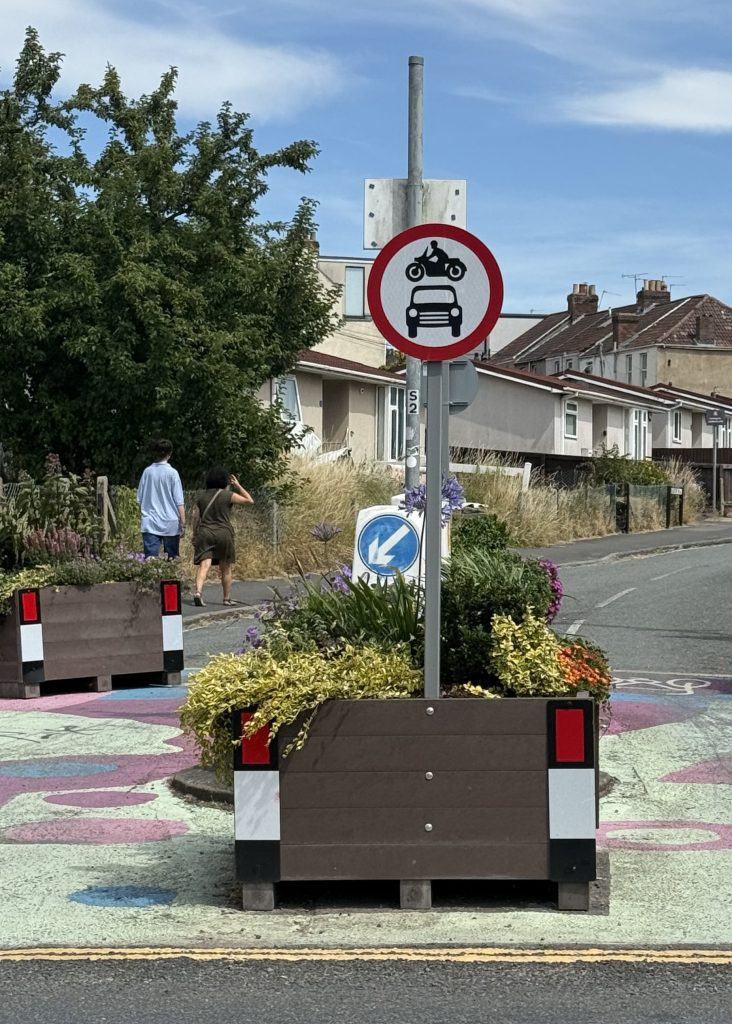
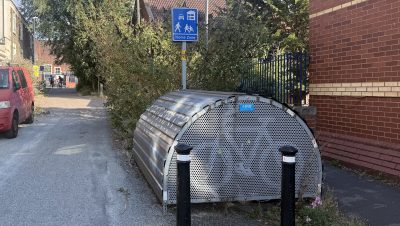
According to Bristol City Council, the EBLN scheme “represents a comprehensive transformation of the urban environment focused on improving active travel infrastructure, enhancing public spaces and reducing traffic in residential areas” – photo: Martin Booth
The report to councillors tells them that the “scheme and its perceived benefits elicited polarised opinion among residents”.
Almost half of those surveyed (46 per cent) oppose the EBLN; with support “especially high among higher social grades”.
But the report adds that the scheme “delivers significant non-monetised benefits, including improved community cohesion, reduced severance, enhanced security and better access to services”.
“These particularly benefit vulnerable groups including children, elderly residents and those from deprived neighbourhoods.
“While some minor adverse impacts are noted for business users and transport providers, these are substantially outweighed by benefits to active travel users and the wider community.”
Main photo: Martin Booth
Read next:
 Our newsletters emailed directly to you