Features / bristol climate and nature partnership
Climate and Nature project celebrates five year milestone
Bristol Climate & Nature Partnership (BCNP) is celebrating five years of its resident-led project which has established new nature habitat, reduced energy bills, created sustainable jobs and secured over £4.3m funding for Bristol.
Recognised nationally, the success of the Community Climate & Nature Action (CCNA) project means it will now be replicated across the West of England region.
The project has responded directly to concern about climate change reported by 83 per cent of people in Bristol.
is needed now More than ever
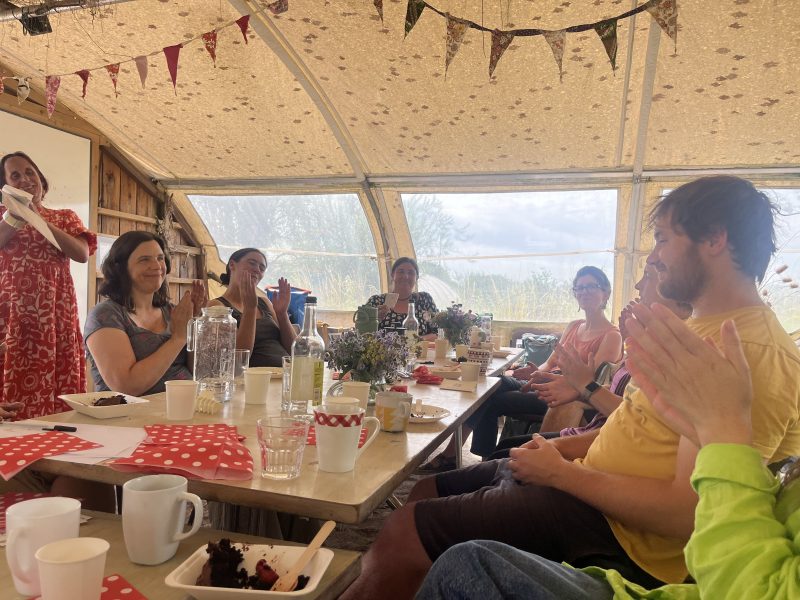
The Community Climate and Nature Action project has resulted in more than 550 community activities, 13 creative commissions and a reduction of 382 tonnes of CO2 (and counting) – photo: Bristol Climate & Nature Partnership
It operates under the premise that societal response to the climate and nature emergencies should be “as varied and diverse as our communities” to create meaningful change.
17 neighbourhoods and communities have been supported to develop documents that lay out concrete action plans to improve their local area and quality of life.
Over 18,000 people have taken part in local climate and nature action as a result, including residents in high deprivation areas, Disabled people, refugees and women from marginalised communities, older people and cricket fans.
The impacts of the project have been wide ranging.
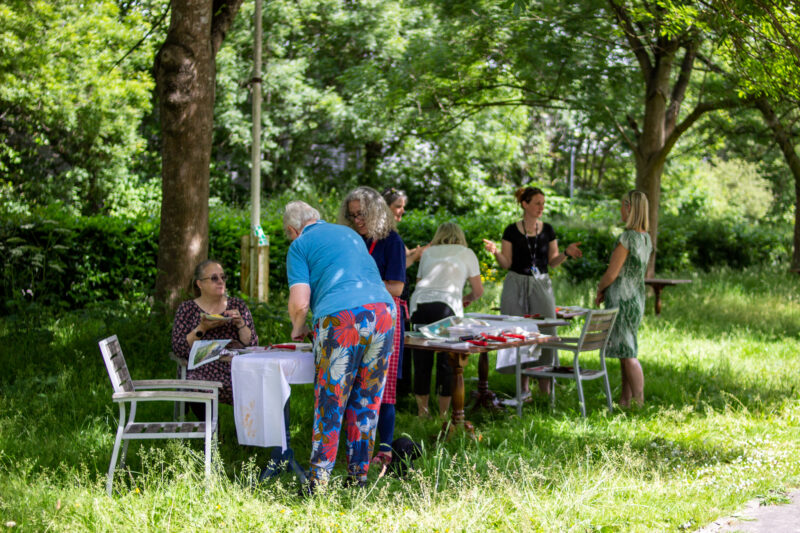
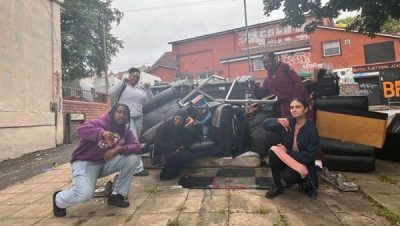
The projects are resident-led, with concrete plans developed to tackle issues raised by the community, including ways to improve local transport, energy, green spaces, food options and more – photo: Bricks
700 people received energy advice over the course of the first three years, with 800 people adopting energy efficiency measures.
In Easton, all participants of the Eastside People Power project reported they had learned new skills to save money and make their homes more energy efficient.
124 people have gained new qualifications and over 30 work placements have taken place, while 32 sustainable businesses and 16 new jobs have been created.
Of these, a chemical-free flower farm and composting enterprise at Heart of BS13, in Hartcliffe, has received national recognition, appearing on the BBC’s Gardener’s World and Save Our Wild Isles.
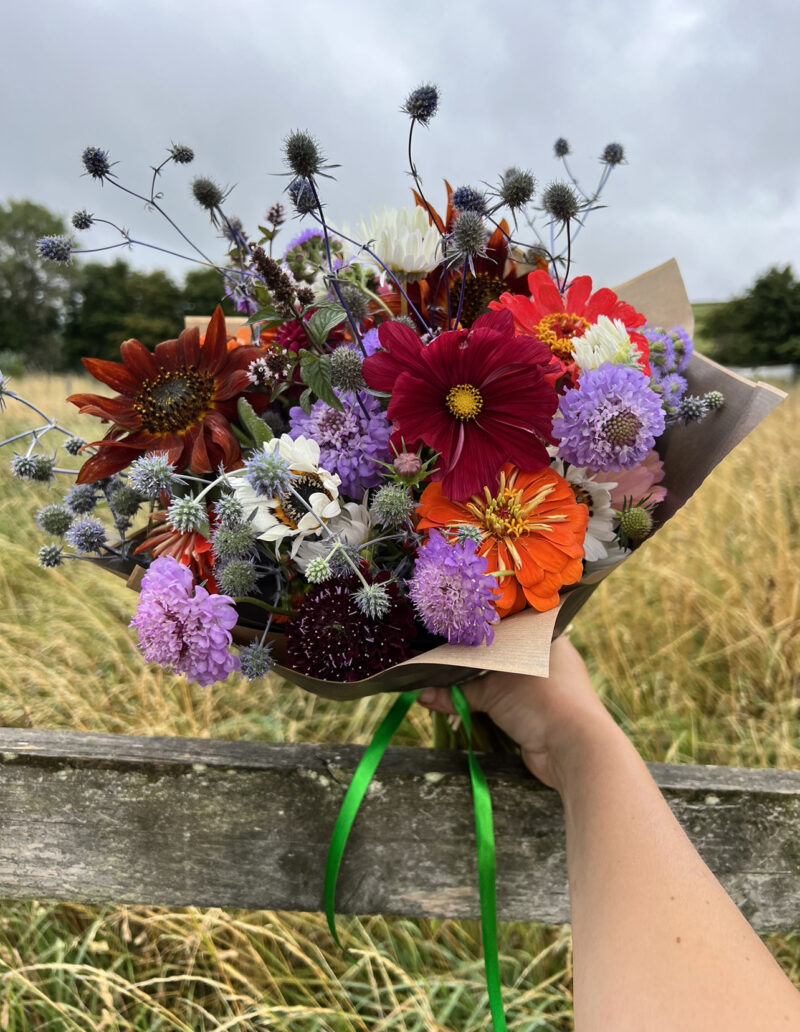
Hartcliffe City Farm’s homemade compost is used to feed their sustainable flower patch, where cut flowers are ‘grown not flown’ without chemicals – photo: Heart of BS13
The city farm has developed a closed-loop composting enterprise that collects local food waste and converts it into nutrient rich soil improver for community food growing, reducing carbon emissions and food miles in the process.
It is a particularly significant resource for the area which is recognised as a food desert, a place where it is difficult for people on low incomes or without transport to find affordable, good quality fresh food.
“The solutions to the climate and nature crisis already exist in our communities. When people are trusted, resourced and listened to, they lead,” said Heart of BS13’s Kirsty Tait.
Residents at Ambition Lawrence Weston have also prioritised local food growing in their action plan, starting a community allotment and teaching growing in schools, producing 1,840kg of fresh produce over the project’s first three years.
An effort to regenerate the area’s green spaces included improving street verges, creating wildflower meadows and new nature habitat.
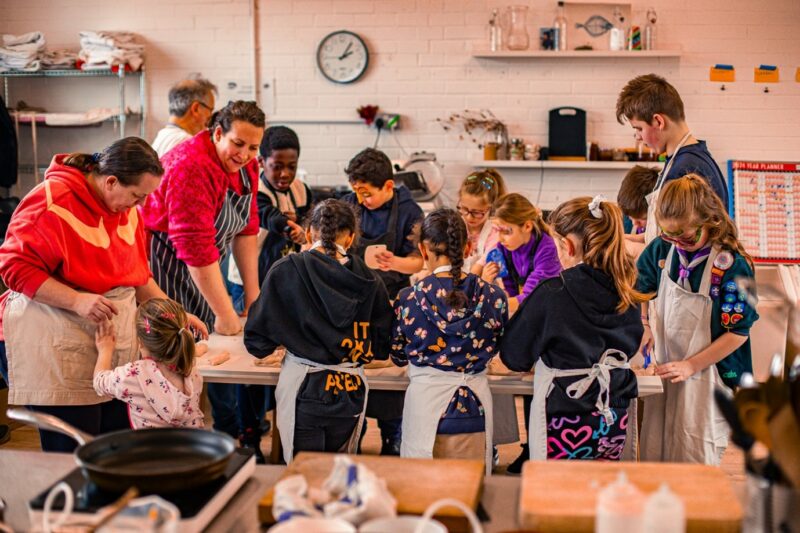
Community climate action in Knowle also focused on connecting people, including children, with fresh food growing and cooking, reducing food miles while improving healthy eating – photo: Knowle West Media Centre
Citywide, 1,842 trees were planted and over 22km of green space created or improved in the project’s first three years,.
Really Wild Lockleaze pioneered work improving land around urban housing estates, increasing floral diversity in the north Bristol suburbs by 486 per cent in three years.
83 per cent of participants reported an increased confidence in taking action for nature, while contact and connection with neighbours increased by 67 per cent.
“Creating social cohesion in Lockleaze is as important as the climate action itself,” said Melissa Blackburn of Lockleaze Neighbourhood Trust. “It is the togetherness and community hive mind that dissolves division and creates positive change.”
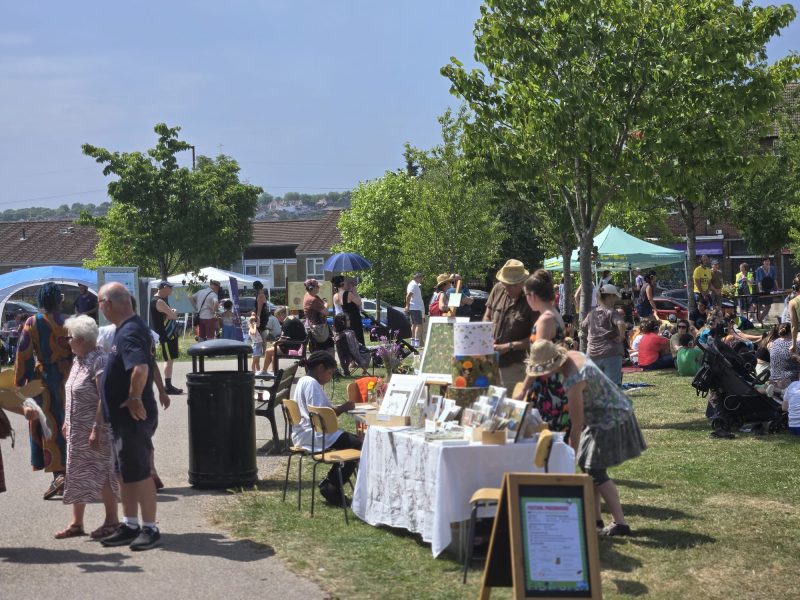
Really Wild Lockleaze has created new wildflower meadows, community orchards, ponds and nature walks, and held a festival of climate and nature action to celebrate – photo: Lockleaze Community Trust
The CCNA plan by and for Disabled people has been recognised as a groundbreaking world first, and contains an inclusive transport vision which is now embedded in the city’s transport policy, ensuring transport will be both more sustainable and accessible going forward.
Altogether, in its first three years the project resulted in a reduction of 382 tonnes of CO2, the equivalent of the amount generated by 2,255 short haul return flights, planting 3,294 trees or heating 156 homes for a year.
“There is widespread support for climate and nature action, and transformation happening from a neighbourhood level upwards,” the BCNP report says. “However, the costs and benefits need to be fairly distributed across society.
“When solutions are shaped by communities, they reflect the views of local people and can lead to reduced inequality and improved quality of life.”
Main photo: Hillfields Community Garden
Read next:
 Our newsletters emailed directly to you