Features / community radio
One Love One Planet: Bringing the climate conversation home
“People would say, ‘what do you talk about every week?’ And I’d say, oh my god, everything! It’s all relevant in one way or another!”
Penny Southgate’s passion for her medium shines through. A dedicated and concerned environmentalist, the founder of BCFM‘s One Love One Planet (OLOP) programme was determined from the outset to show the subject from as many different perspectives as possible.
“My whole thing about OLOP, when it started, was I wanted it to take an intersectional lens. Everything you look at you can see it through a climate and nature lens.”
is needed now More than ever
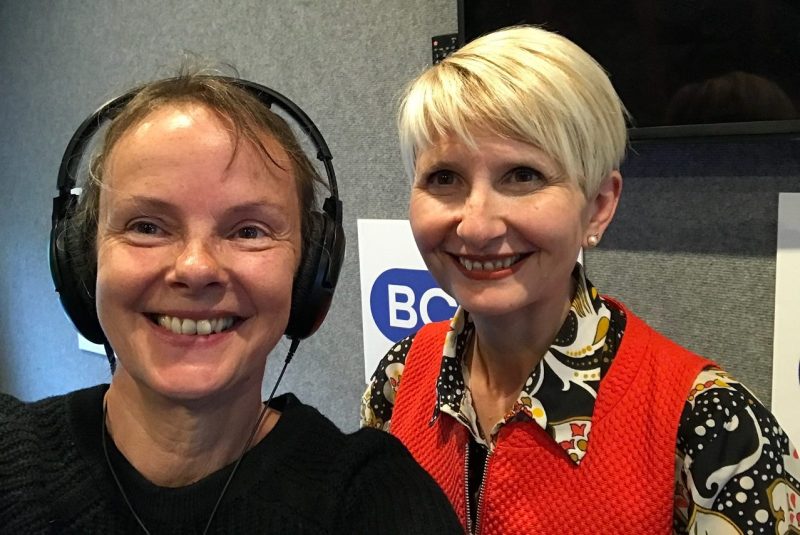
Penny Southgate, here with one of the guests that inspired her most – the Shell whistleblower Caroline Dennett – has shaped a show that has been praised for its varied topics, interesting conversations and professional output
Southgate, who also set up the Community Radio Environment Network and coordinates its annual Our Earth Week, has found no dearth of guests for the show since it began in 2020.
“We’ve had musicians and artists, politicians, campaigners… Everywhere you look, especially in Bristol, there is someone who has something interesting to say about this.”
A TV producer who worked behind the scenes in the BBC’s science department, Southgate became hooked on reading about environmental degradation, global warming and ice melting in the 1980s.
In 2018 she inadvertently became part of a moment when she joined George Monbiot and thousands of others in rebellion on the streets of London.
The movement had been provoked by a growing concern around political inaction, particularly the “tumbleweed” response to the IPCC’s report laying out the 12 year timeline to planetary disaster:
“I fully expected it to be plastered across the front pages and Theresa May to be coming to the steps of number 10 to say she’s calling an emergency meeting. There was nothing. I was really concerned at that point.”
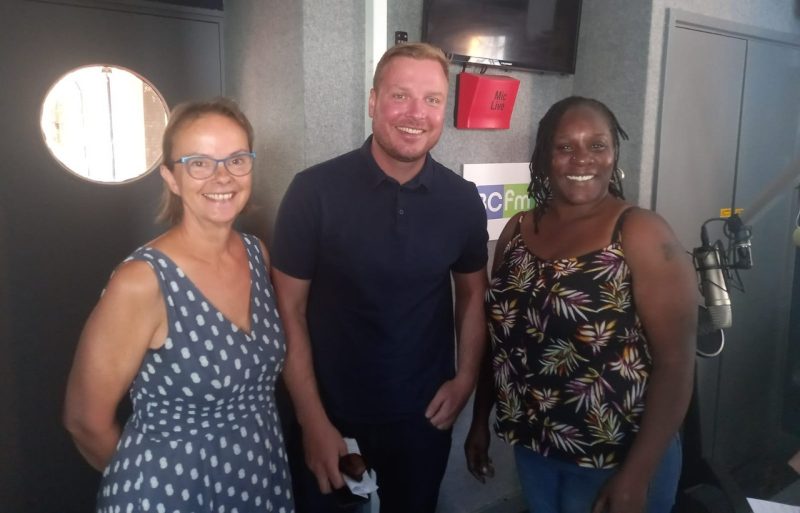
Southgate – here with former councillor Kye Dudd and Bristol Waste’s Naomi Davis – has interviewed politicians, artists, musicians, journalists and activists. She says there is no end to the potential guests and contributors to the show
Southgate immensely enjoyed the experience in London, which happened to coincide with her birthday – “It was all very, very exciting and amazing actually” – so she joined Extinction Rebellion and set about complaining to her former employers, the BBC, about their lack of coverage of the crisis.
As a presenter on local station BCFM, it was around this time it dawned on Southgate that she could perhaps combine her two lives: “I suddenly realised: I have a platform right here with community radio.”
The station’s management were very supportive and a monthly environmental slot on the Breakfast Show quickly turned into a weekly slot, then a show in its own right.
Now Southgate oversees a roster of seven presenters, all with different interests and specialisms, including campaigners and activists, journalists, artists, councillors and a musician.
She describes a handful of recent guests and topics, from global to local relevance, including a Mediterranean sea rescue worker – “We have so many asylum seekers and refugees in Bristol (who) may have made a journey like some of the people this guy is rescuing.
“He went down to the nitty gritty detail about what they go through, sitting in the boat and getting burnt because of the petrol and fumes and the gas… It was very moving and harrowing and really brought things home.”
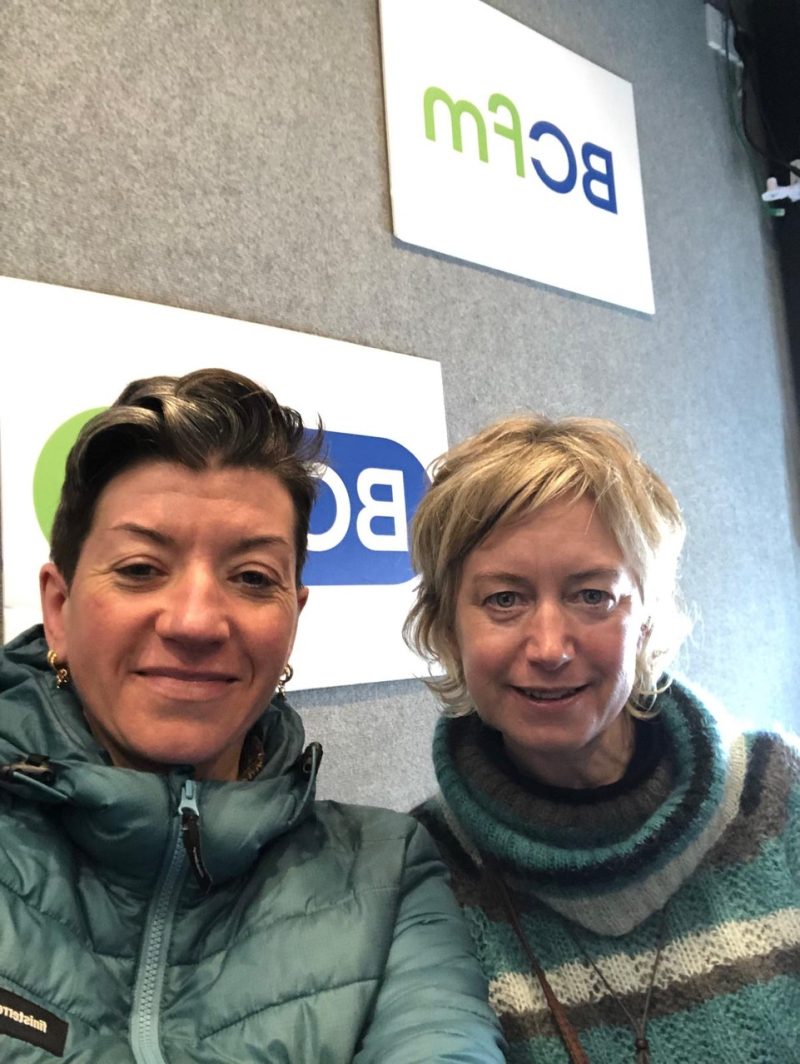
Marianne Brown of Bristol Energy Coop and Karen Woods, a musician with interests in nature therapy and climate activism, are two of the show’s current seven presenters
Bristol poet Caleb Parkin appeared on the show to discuss the queer experience with a view to relating to non-human species, former Bristol Pound director Diana Finch spoke about the economy and climate change and the CHEESE CIC discussed their work in local renewable energy.
Nigel Shipley is presenting a series on the National Emergency Briefing and Caroline Dennett, who very public resigned from Shell, introduced the film she made with Bristol-based activist Oluwa Shittu.
“They were brilliant, relating the global to the local – if you bought your petrol from a Shell garage in Bristol then it’s relevant, this is the kind of activity our money is funding when we fill up our cars,” says Southgate, demonstrating the scope covered by OLOP.
“It’s not simply at the level of recycling… It goes way beyond that. The most fundamental thing is our understanding of how we are part of nature rather than separate from it. That seems to underpin everything almost every week.”
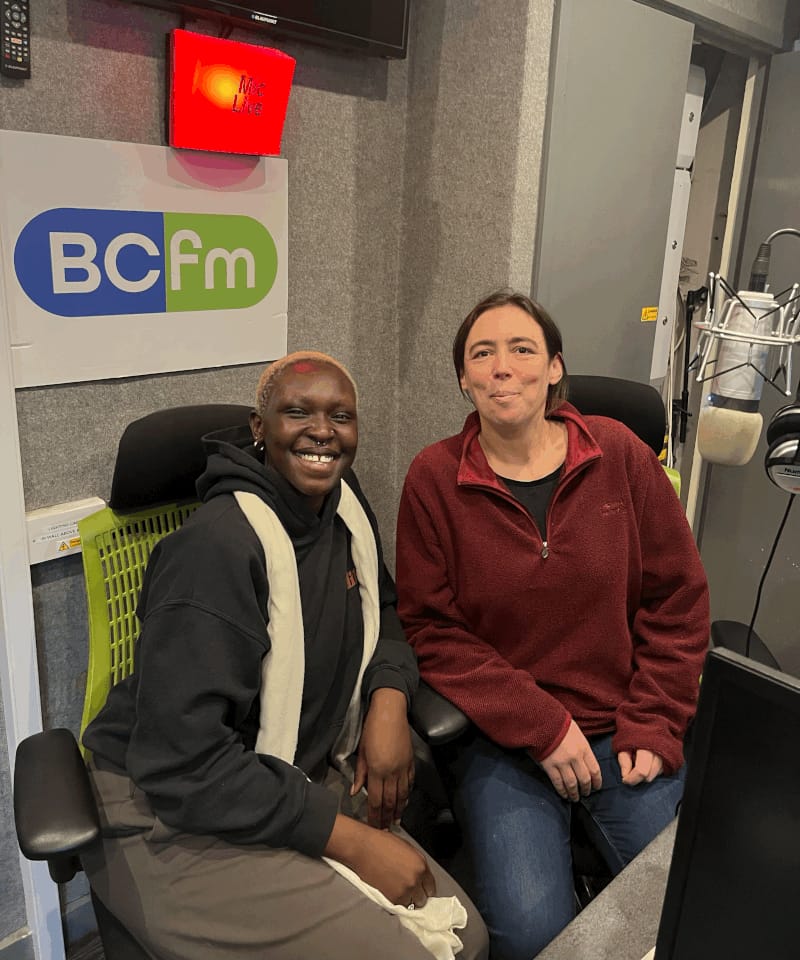
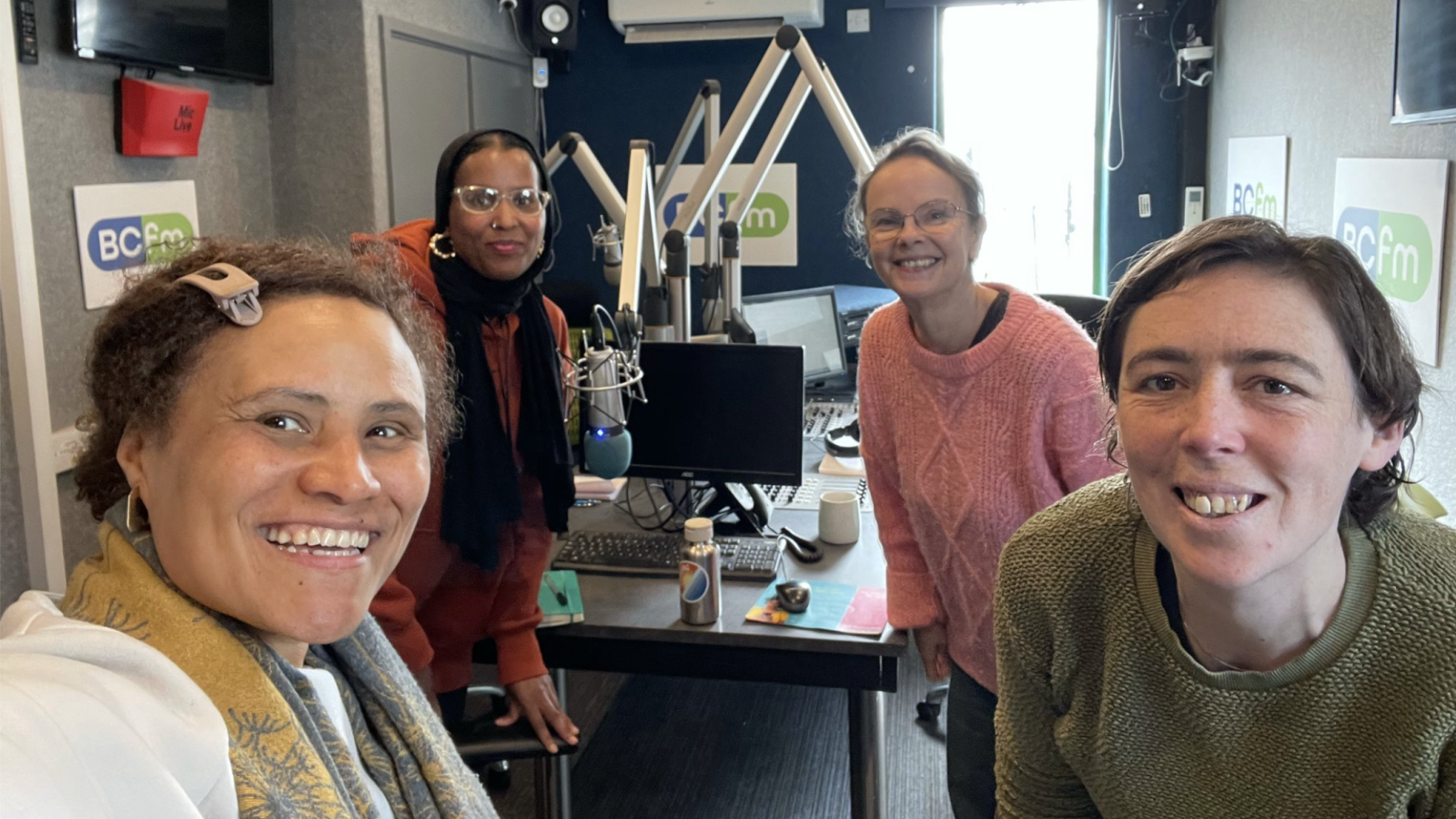
Having a mix of presenters means the show is able to cover many different aspects of environmental interest, global and local – like Vic Wakefield Jarrett (right) talking to Liza Bilal (left) about the new YES Bristol scheme giving young people a leg up into green careers
Community radio is vital to the climate conversation, she says, as the presenters know the local community – “one of the ways we’re going to survive all this is by being a strong community” – and research shows people trust what they hear on local radio more than any other medium.
And it’s an independent platform, with more freedom to question things.
“People can still be quite mocking about community radio but we’re still a fledgling media in the big scheme of things,” she says, noting the medium is only around 25 years old in the UK but also that BCFM’s figures are surprisingly high: 40,000 people tune in weekly, while half as many download the station’s podcasts.
“It’s much more established in Australia – it’s been around for about 60 years, and community radio stations there have far more standing, funding, they’re on much more of a level technical footing than we are.”
But despite its limitations Southgate has great faith in the power of community radio, while being realistic about their potential impact.
“If you just affect one individual who goes out and does amazing stuff…. Say we only have a few 100 listeners one day, I say to people, imagine giving a talk at a hall and several hundred people turn up – you’d be so pleased!
“I’m relatively philosophical about numbers but that doesn’t mean we don’t care deeply about what we do and don’t try to do a professional job. We want the show to be as good as it can be, and we do it well because we are all professionals.
“We do this because we love it and we think it’s really important.”
Tune into One Love One Planet at bcfmradio.com
Listen to the podcast at southgatepenny.podbean.com
The show welcomes ideas for talking points, interviews and event news. Email [email protected] to get in touch, putting One Love One Planet in the subject heading.
All images: One Love One Planet
Read next:
 Our newsletters emailed directly to you