Your say / Transport
‘Chasing easy votes by not taking action is much easier – but in the long term, it will harm all of us’
Clean air, better public transport, and safe and friendly residential streets based around communities.
These are principles at the heart of the Green ethos.
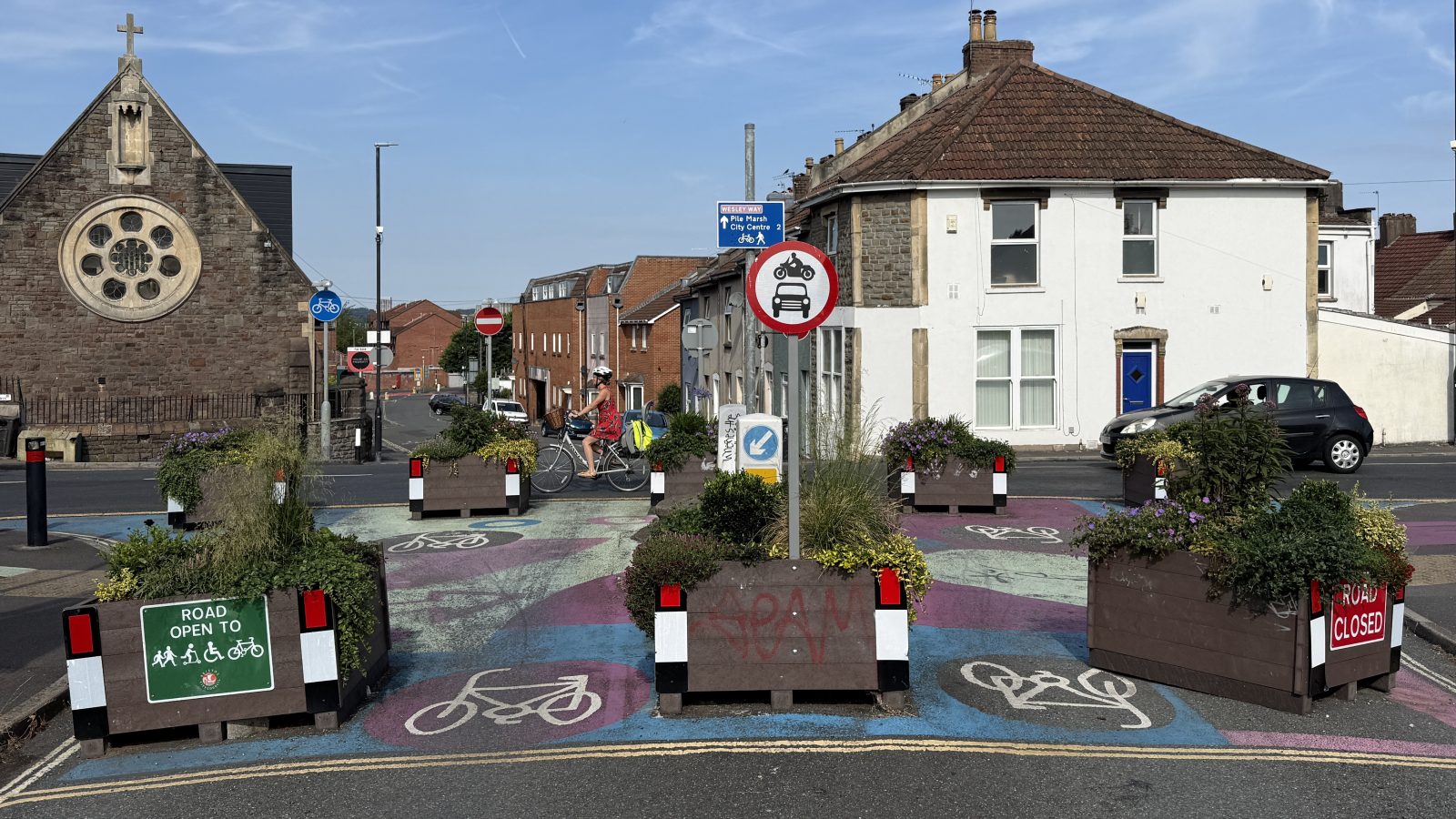
This is why we support the broad aims of the East Bristol Liveable Neighbourhood (EBLN): to reduce traffic, boost active travel and public transport use, along with all the positive health and environmental impacts this brings.
is needed now More than ever
And why we put support for liveable neighbourhoods in our 2024 local election manifesto.
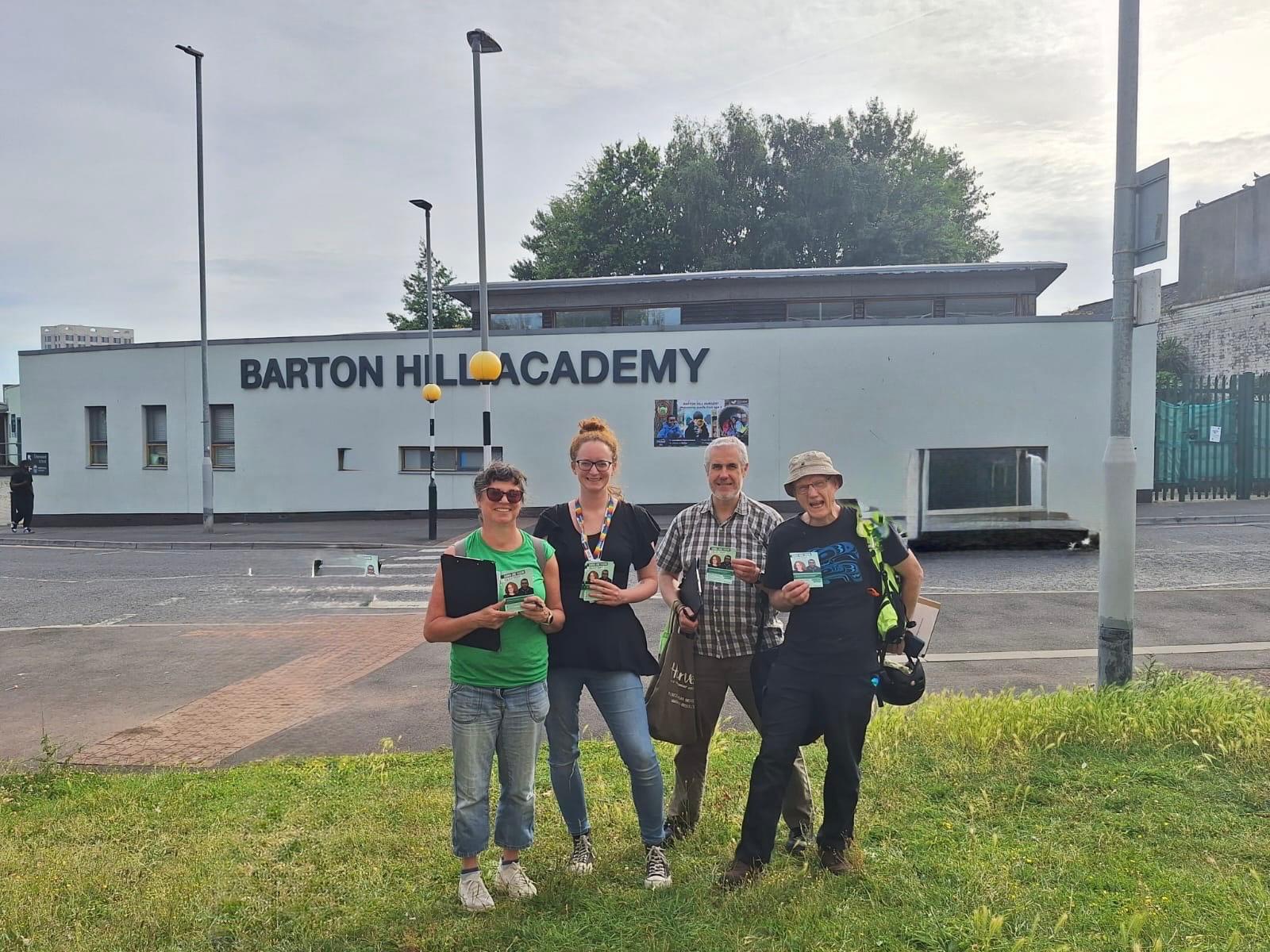
Cara Lavan (left) and Shona Jemphrey (second left) are Green councillors representing wards within the East Bristol Liveable Neighbourhood area, with the scheme’s future set to be decided at a council meeting on Tuesday – photo: Green Party
The challenges
We knew implementing any scheme that aims to address these issues in a significant way would be hard.
But when the Green Party were voted into every councillor position bar one in the EBLN area, we were given an electoral mandate to get on with the job.
Before the election, we had been critical of the Labour-led consultation on the EBLN and were well aware that they had left it to the new administration to implement – precisely because of the challenge it presented.
But we also knew that residents had been complaining about traffic volumes, speeds, and air pollution for years – and nothing substantial had been done about it.
Air quality and health outcomes in this area have been poor. Some of this is due to other issues such as overcrowded housing; but some of it is simply because this is a really central area and lots of people travel through it, often by car.
Over the last 30 years, government policy has made it cheaper to drive cars than use public transport.
In cities like Bristol where the streets can’t be made any bigger, this has created a situation where local councillors get increasing complaints about traffic speed, noise and parking.
Looking to the future, Bristol’s population size is increasing, and the city simply cannot sustain an ever-increasing volume of motor vehicles.
All the while, Labour continue to do nothing about it.
This Labour government raised the bus cap soon after they came into power causing bus fares to go from £2 to £2.40 in one fell swoop, and the Labour mayor of the West of England has also repeatedly refused to share any clear plan on mass transit, or how to take buses back into public ownership.
We are listening
We have spoken to residents at both ends of the EBLN who report experiencing the benefits of cleaner air and quieter streets.
Children going out to play, teenagers being safer travelling on bikes to school, the return of the sounds of nature outside homes and many people noticing the benefits of walking short journeys that they used to drive.
The data also shows that the scheme is delivering on its goals – traffic has reduced inside the scheme without a significant impact on outside roads.
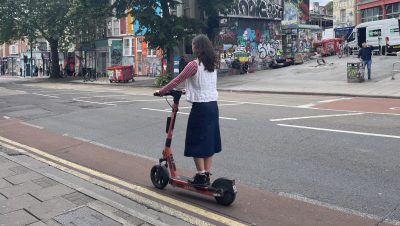
Cycle volumes have also increased by 22 per cent overall on weekdays, and bus users have more than doubled for services running through the area.
But the EBLN has always been about striking a balance, with an eye on the future.
Long term goals for a better future have to be balanced with the cost-of-living crisis.
Chasing easy votes by not taking action is much easier – but in the long term, it will harm all of us.
We know that some people need to travel to get to work and many have absolutely no choice but to drive.
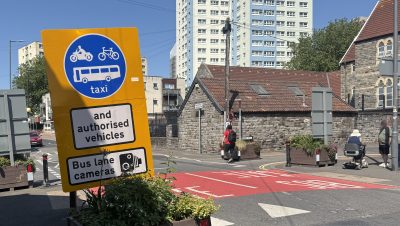
Exemptions to the bus gates are available to those on low incomes or who have disabilities.
But also there are many people, who do not own a car, who suffer the impacts of noise, pollution and unsafe roads.
Inside the EBLN, this number is higher than average. People who live inside the EBLN are less likely than the average Bristolian to own a car.
The council survey found that these are the people who are significantly more likely to say the scheme has made a positive difference. But they say it quietly.
Many people living outside the EBLN have experienced heavier traffic and longer journeys at rush hour.
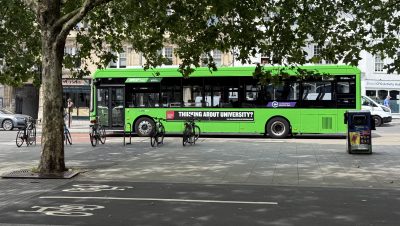
But they’ve also benefitted from a new bus route (the number 16), expansion of other local bus routes and better cycle paths through the area – with a potential extension of the Wesley way cycle route in the pipeline.
The scheme has been adjusted over time, and we have continued to refine it to reduce the worst impacts while trying to strengthen the benefits. Trying to find the balance.
One bus gate has been removed, and another adjusted, to support residents who have to drive through the scheme and access the GP.
Some of the bollards will be replaced with cameras to make it smoother for the emergency services.
We have heard that these changes are starting to have some of the desired impacts and make life easier for the people who need their cars – while still making the streets safer for people who don’t.
We have heard the genuine fears about difficulties the emergency services have faced – and the fear this instils, especially in people living in tower blocks.
Several physical barriers have been removed in response and replaced with ANPR cameras – and there is regular communication between the fire services and the highways teams.
Most recently, through knocking on doors and having direct conversations with residents, we’re finding a pattern of around 40 per cent in favour, 40 per cent against and 20 per cent who have mixed feelings or don’t care.
There continue to be some areas that need work; for example, renewing bus gate exemptions is too complicated as a process and needs improved.
From our deep listening exercises with the different communities within the EBLN area, it’s clear that there is a tale of two cities.
In the Barton Hill part, residents say they were led to believe by the initial consultation that their area would be transformed, their housing would be improved, their streets made cleaner and safer.
The language that was used wasn’t clear and not enough effort was made to hear residents’ perspectives.
This is what leaves many of the residents of Barton Hill feeling betrayed.
They still suffer with poor housing conditions, damp and mould, overcrowding and open drug dealing on the streets.
They still don’t have a pharmacy within easy reach and they are worried about the impact of an increasing population size on their schools and their doctors’ surgeries.
These are not things the EBLN was ever going to fix but residents here were made to believe this was the case.
This is a big part of they feel so badly let down and this is why, whatever happens with the vote about the transport scheme, Green councillors will continue to fight for the people of this area to achieve the living standards they deserve.
This is an opinion piece by Cara Lavan, Green councillor for St George Central, and Shona Jemphrey, Green councillor for Lawrence Hill
Main photo: Betty Woolerton
Read next:
 Our newsletters emailed directly to you