News / Transport
Bus fare hike in Bristol slowing rise of passenger numbers
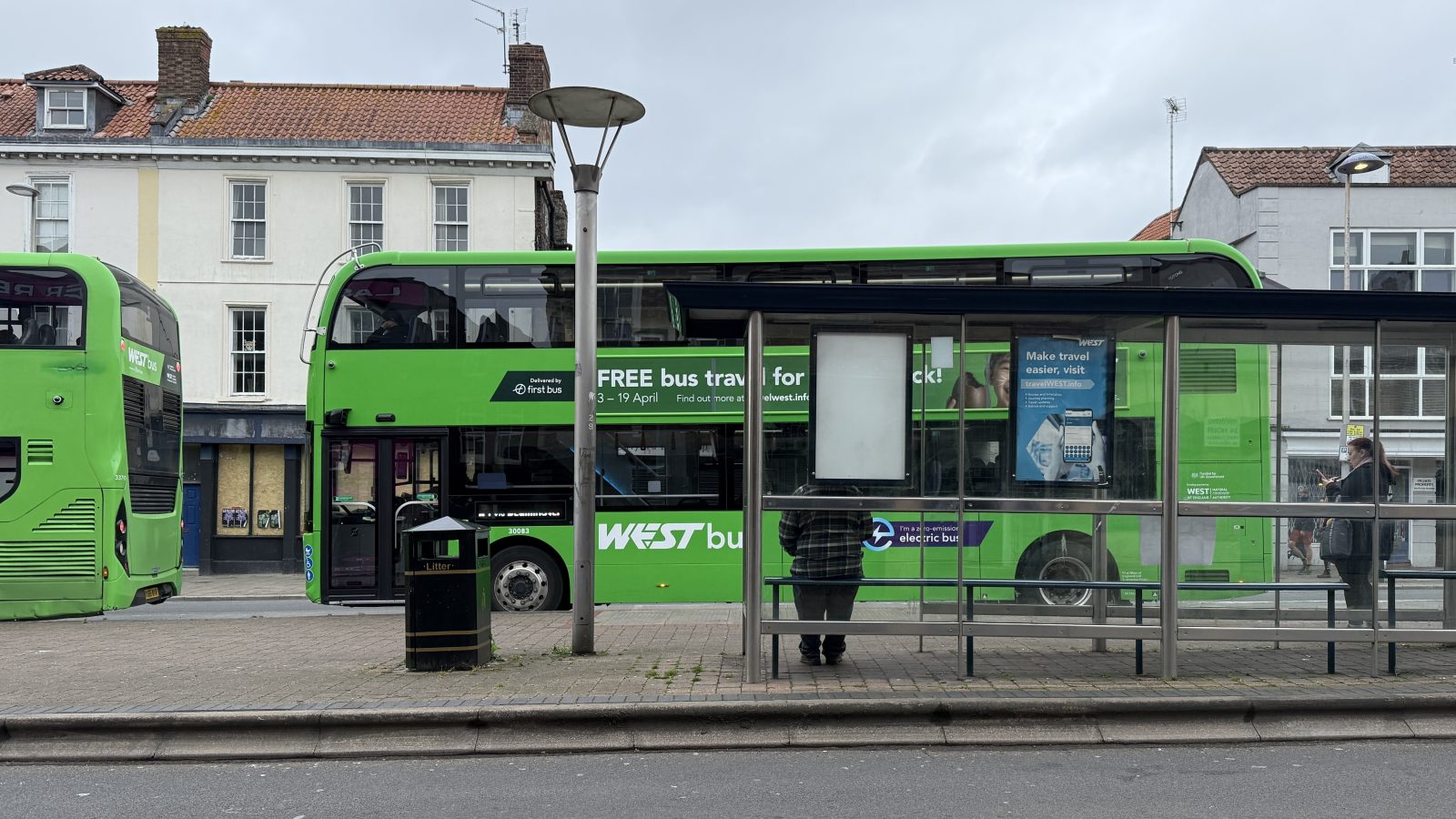
Recent hikes in bus fares in Bristol have been slowing down the rise of passenger numbers back to pre-pandemic levels.
Getting into town and back now costs £5.20 after the price cap was lifted to £2.60 for a single journey and popular return tickets were axed.
Both Bristol City Council and the West of England Combined Authority play an important role in the buses.
is needed now More than ever
The council is responsible for maintaining bus shelters and building bus lanes, while the combined authority sets the price cap and deals with companies like First and Stagecoach.
An update on passenger numbers was given to councillors on the transport policy committee on May 14.
They heralded the “good news” of an increase in passengers but were warned that the higher prices have been putting off potential passengers from getting on board.
Adam Crowther, head of city transport, said: “We are still increasing, but the increases are getting smaller.
“We’ve had the fare increase that has come in, for example, over the last year or so, which has clearly impacted the growth of people returning to buses.
“It’s increasing, but it’s increasing less than before.”
…………………………
This article is published as part of the BBC-funded Local Democracy Reporting Service. Another website in Bristol is making its readers pay for LDRS stories but at Bristol24/7 we will never have a paywall. If you want to support our independent journalism, please consider becoming a member from just £3 per month
…………………………
In September more night bus services started running, which are paid for using income from the Clean Air Zone.
The daily charge and fines levied on drivers of dirty vehicles, like old diesel cars, brings in money for the council to then spend on alternative ways of getting around the city.
Part of this has been paid to support bus companies to run more buses overnight.
Green councillor for Knowle Toby Wells said: “It’s a good news story.
“It’s really good to see that going in a fantastic direction.
“In a few quarters time we may well be saying we’re at the highest bus passenger numbers ever on record.”
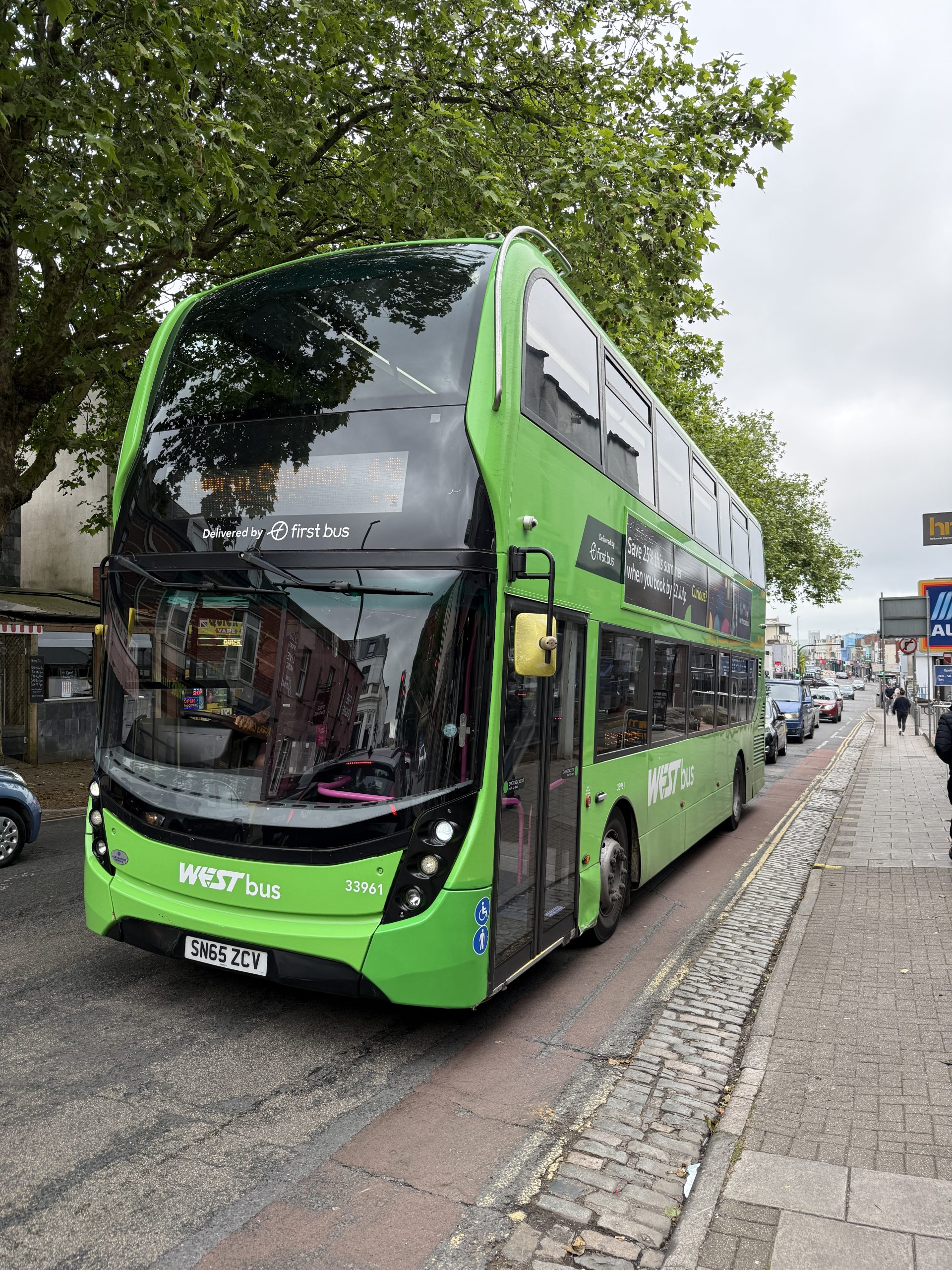
Bus passenger numbers before the 1980s were much higher than in the past two decades
In other parts of the country, fares are still capped at £2, such as in Greater Manchester.
The buses there were recently brought back under public control, via the franchising model.
This means the combined authority has democratic oversight of routes, fares and standards.
A free bus even runs around Manchester city centre.
In the West of England, the region’s Labour mayor Helen Godwin has said the franchising model is not a priority, because that would mean a new levy on top of council tax bills to pay for the extra work needed on buses.
She has however given schoolchildren free bus rides during the school holidays.
Under the former Labour mayor, Dan Norris, the West of England capped fares at £2 for a single and £3.50 for a return, from September 2022 until December 2024. This rose to £2.40 in 2025, then £2.60 in 2026.
Meanwhile in West Yorkshire and the Liverpool City Region, single fares are still capped at £2.
A single fare in London is just £1.75, despite wages being much higher.
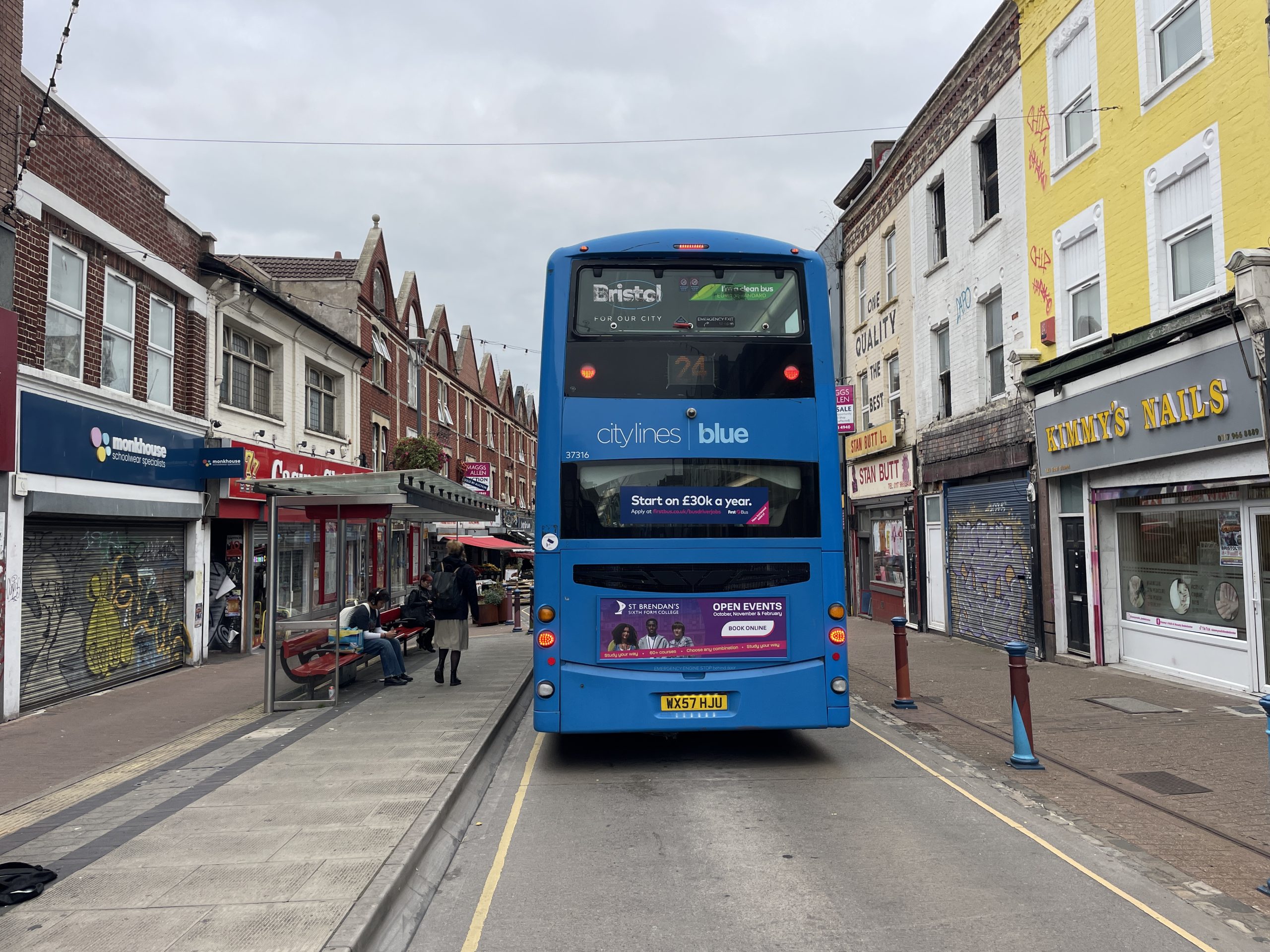
Getting into town and back now costs £5.20 after the price cap was lifted to £2.60 for a single journey
In 2012 in Bristol, around 26 million bus trips were taken.
This steadily rose until 2019 when 41 million trips were taken, before the pandemic brought this to a sudden stop.
Since then, Bristol has seen some of the quickest return to passenger numbers across the country, but has still not reached pre-pandemic levels. The latest annual figures stand around 40 million trips.
While exact figures are not available for Bristol, bus passenger numbers before the 1980s were much higher than in the past two decades.
But when former Conservative prime minister Margaret Thatcher deregulated bus services, giving much more control to private companies, passenger numbers plummeted.
Services were also then cut back, due to the drop in funding.
Several major schemes are in the works in Bristol to get more people onto the buses, with new bus lanes on main routes like the Wells Road and the Portway.
The government has also provided extra day-to-day funding to support bus services as well.
In July the transport committee will hear new plans to bring in extra funding for buses, although details are unclear.
All photos: Betty Woolerton
Read next:
 Our newsletters emailed directly to you