News / Tech
Uni incubator marks decade of growth and impact
A university incubator has marked its tenth anniversary of innovation and impact, linking research with business opportunities.
Future Space, based at the UWE Bristol’s Frenchay campus, has supported nearly 180 high-tech businesses since opening in 2016.
The incubator has also contributed £56m to the economy over the past ten years.
To mark the ten-year anniversary of the incubator, a special celebration was held on Thursday, featuring a panel discussion and networking session charting the incubator’s achievements and the future of regional innovation.
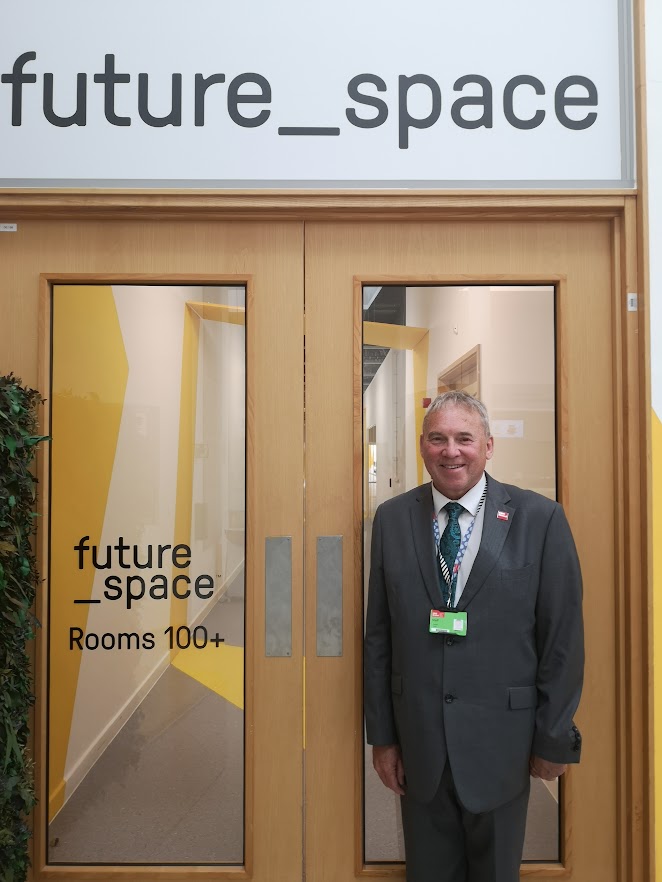
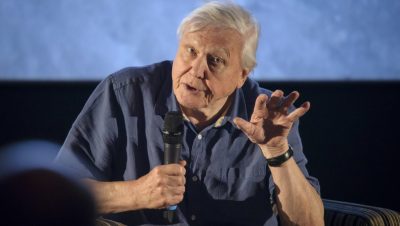
Professor Steve West, vice-chancellor at UWE Bristol, described the centre’s role as “connecting university researchers, students and businesses to foster entrepreneurship” – photo: Milan Perera
The panel event, hosted by Andrea Dell from Futures West, included professor Marc Griffiths, pro vice-chancellor for regional partnerships, engagement and innovation; tech entrepreneur and member of the West of England business board Nick Struge; and Dr Jenny Bailey Cooper, academic and a resident business founder at Future Space.
The discussion pointed out the challenges facing regional innovation zones in retaining home-grown talent and economic impact amid the lure of Silicon Valley and the Golden Triangle, consisting of London, Cambridge and Oxford.
Professor Griffiths highlighted the importance of businesses supporting one another within an ecosystem such as Future Space, while Sturge pointed to the need for better infrastructure, connectivity and transport to help businesses scale and create a “virtuous circle”.
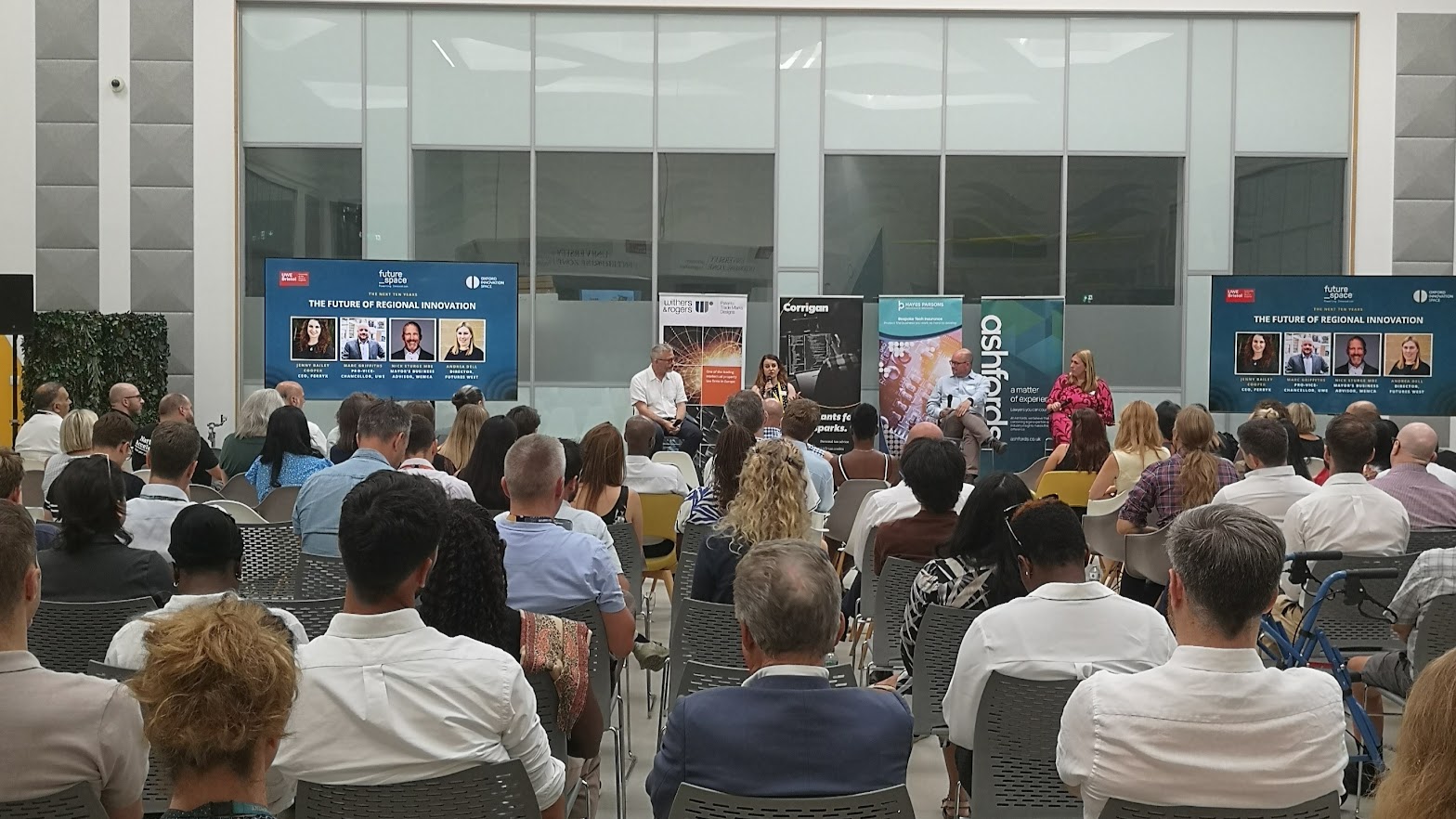
The panel event attended by professor Marc Griffiths, Dr Jenny Bailey Cooper, Nick Sturge and Andrea Dell – photo: Milan Perera
According to figures, businesses supported by Future Space have secured more than £136m in investment and grant funding over the past decade, while nearly 1,000 skilled jobs have been created.
Furthermore, it has developed 588 new products, services and patents during the ten-year period.
Future Space, launched with a 16m initial investment, provides workspace and support for start-ups and scale-ups working in sectors including robotics, artificial intelligence, biotechnology and medical technology.
Speaking to Bristol24/7, professor Steve West, vice-chancellor at UWE Bristol, described the centre’s role as “connecting university researchers, students and businesses to foster entrepreneurship”.
He said the next stage is about creating facilities that allow companies to continue growing while remaining connected to the university.
He added: “Many of the businesses are now looking at their next phase of growth, and our ambition is to create the facilities they need to scale up while staying connected to the university.
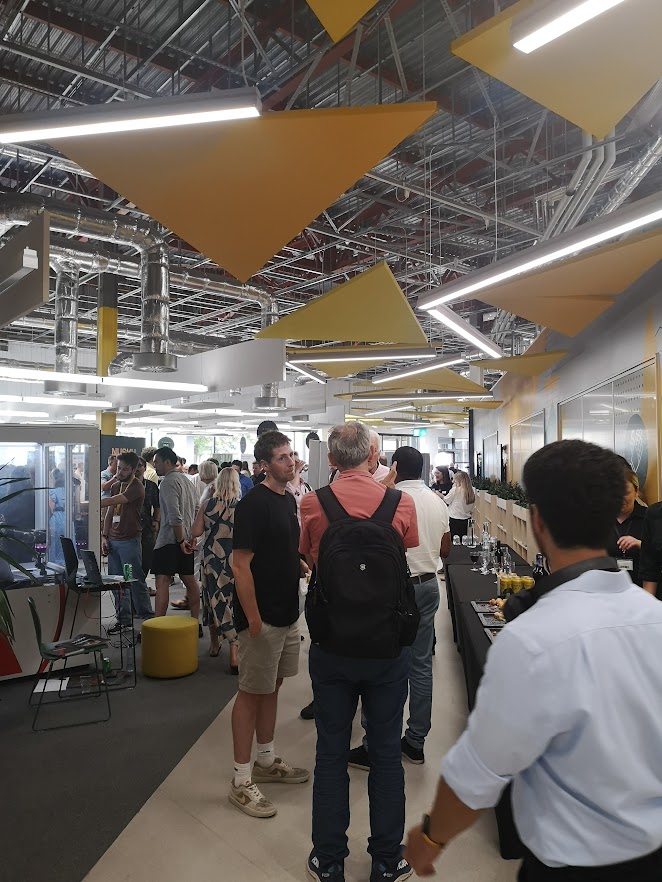
The networking session introduced some of the resident businesses to the attendees of the event – photo: Milan Perera
“That’s part of a much bigger ambition for the campus: bringing together activity from our other sites so that students from creative disciplines, health and other subject areas are all based here.
“The real magic comes from genuine partnership and collaboration, creating real benefits through innovation and enterprise. Together, we’re building the future.”
Future Space businesses include SAH Diagnostics, which provides specialist cancer diagnostic services to 34 NHS trusts and hospitals.
The company recently opened a new cancer diagnostic centre in Bradley Stoke after spending three years at Future Space developing what it describes as the world’s first mobile urology unit.
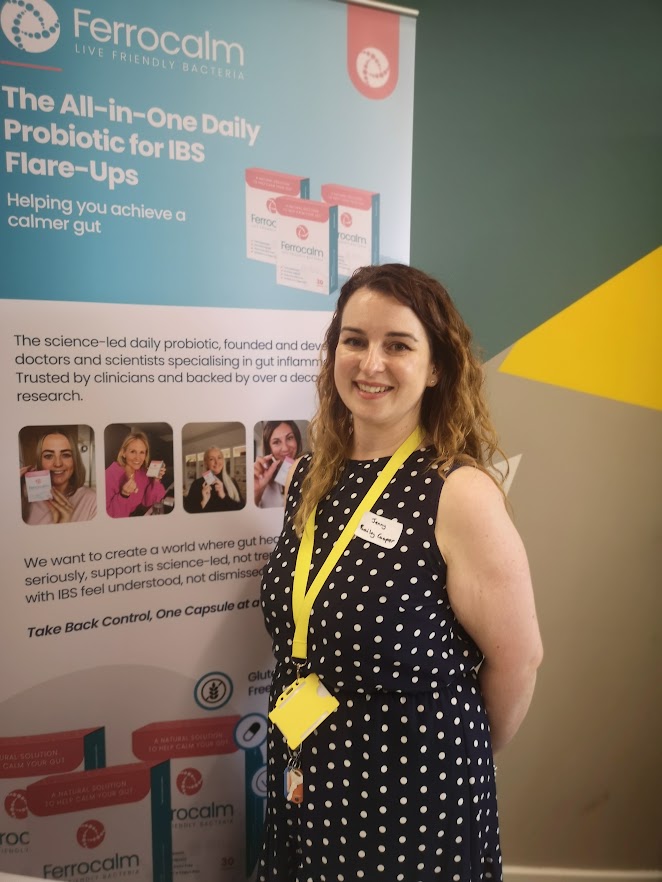
Dr Jenny Bailey Cooper, founder of Ferryx, developed a supplement to support people living with Irritable Bowel Syndrome (IBS) – photo: Milan Perera
Other businesses supported by the centre include Supersmith, which developed a self-adjusting disability scooter tried by Prince William during his visit in January, and Ferryx, the biotech company founded by Dr Jenny Bailey Cooper which developed a supplement to support people living with Irritable Bowel Syndrome (IBS).
The resident firm Milbotix has developed SmartSocks®, wearable technology designed to monitor movement and heart rate to detect distress in people living with dementia.
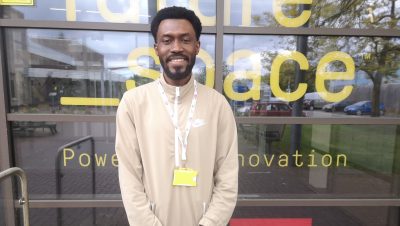
One of the newest residents, Nyata AI, founded by UWE Bristol graduate Ibrahim Maina, has developed an app connecting disadvantaged people with vital services. With 500 active users, the company is now looking towards its expansion phase across the West Country.
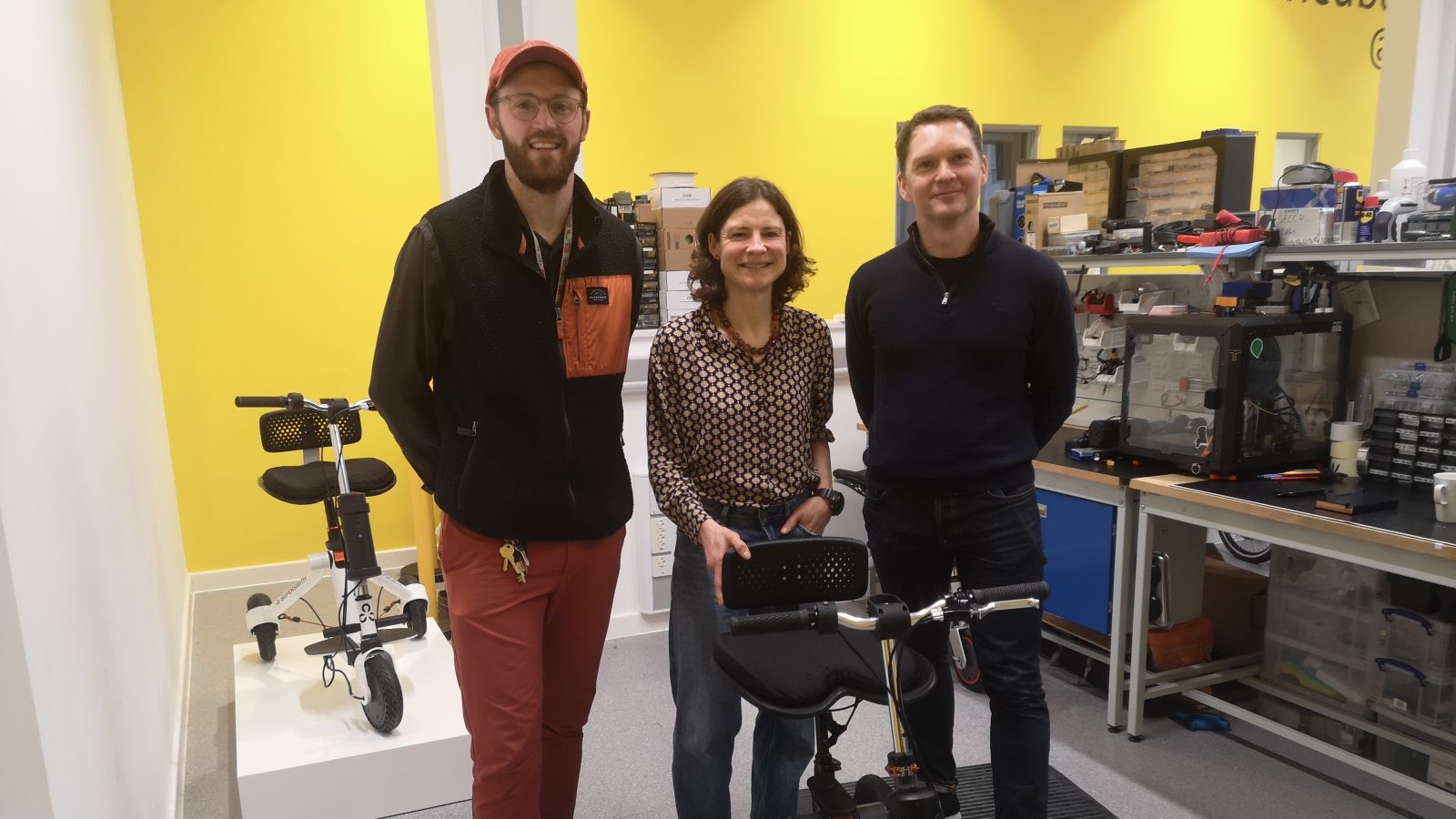
The founders of Supersmith with the self-adjusting mobility scooter they developed – photo: Milan Perera
Professor Matt Freeman, director of Future Space, said: “Over the last decade, Future Space has become a place where businesses, researchers and student talent stop operating in separate worlds and start innovating together.
“Our impact figures tell a story of hundreds of new products and innovations, almost a thousand jobs, over £136m of investment secured, and thousands of moments where researchers, students, founders and partners have come together to turn ideas into real-world impact.”
More than 400 UWE Bristol students have worked with businesses based at the centre over the past year through projects, internships and part-time roles.
Professor Darren Reynolds, pro vice-chancellor for research and knowledge exchange, said the future was “already here” as Future Space looks towards its next phase.
He said: “People work here, live here and raise their families here. They’re contributing to the region, and that’s the kind of inclusive, prosperous growth this place represents.
“Universities like ours need to meet the moment. People need opportunities now. They need good jobs, strong public services, green spaces, excellent education and places where they can build their lives.”
Future Space has also been recognised in the UK Government’s final evaluation of the University Enterprise Zone programme, which identified it as one of the strongest-performing centres in the country.
The report found it outperformed comparable enterprise zones in areas including jobs created per £1m invested, knowledge exchange activity and turnover growth.
Dr Jenny Bailey Cooper said Future Space had provided “valuable support” as she moved from academia into business.
She added: “When we first joined Future Space, I was fresh out of academia and didn’t really know much about running a business.
“I wanted to put myself in the right environment to learn those skills, both from the support systems available here and from the peer network, which has been invaluable.”
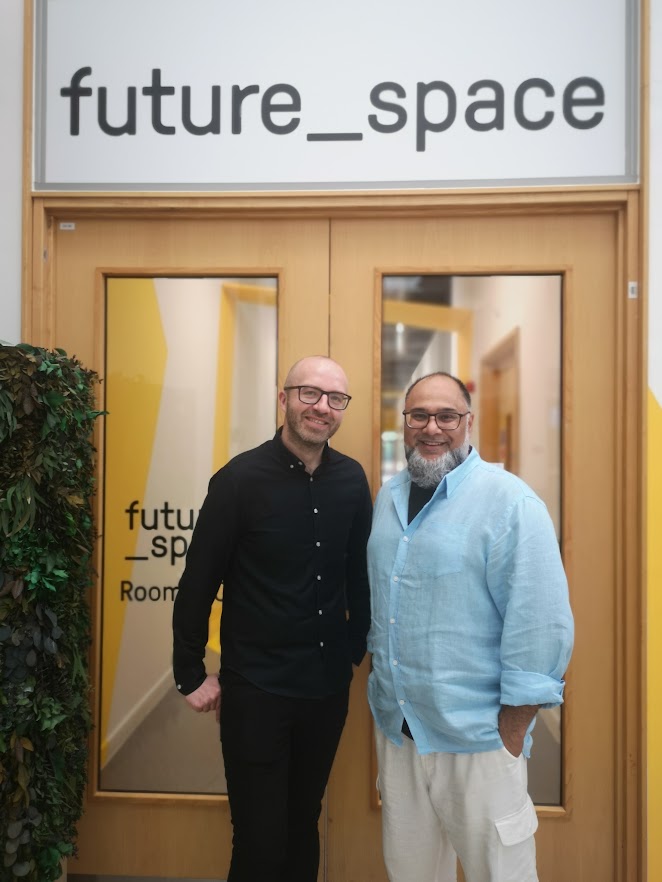
Professor Matt Freeman, director of Future Space with Feroz Agad, founder of SAH Diagnostics during the event – photo: Milan Perera
Feroz Agad, founder of SAH Diagnostics, said the company had chosen to remain at Future Space despite opportunities to move elsewhere.
Agad added: “We were offered the opportunity to leave Future Space and move into a 22,000 square foot building. But as a company and as directors, we decided not to take that offer because the ecosystem you get here simply can’t be replicated elsewhere.
“We are a US company that chose to base ourselves in Bristol because of the ecosystem that exists here.”
Tom Morgan, co-founder of Supersmith, developed the prototype for his mobility scooter after becoming frustrated with existing models following his sister’s multiple sclerosis diagnosis. He described the incubator as “the primordial soup where new life emerges”.
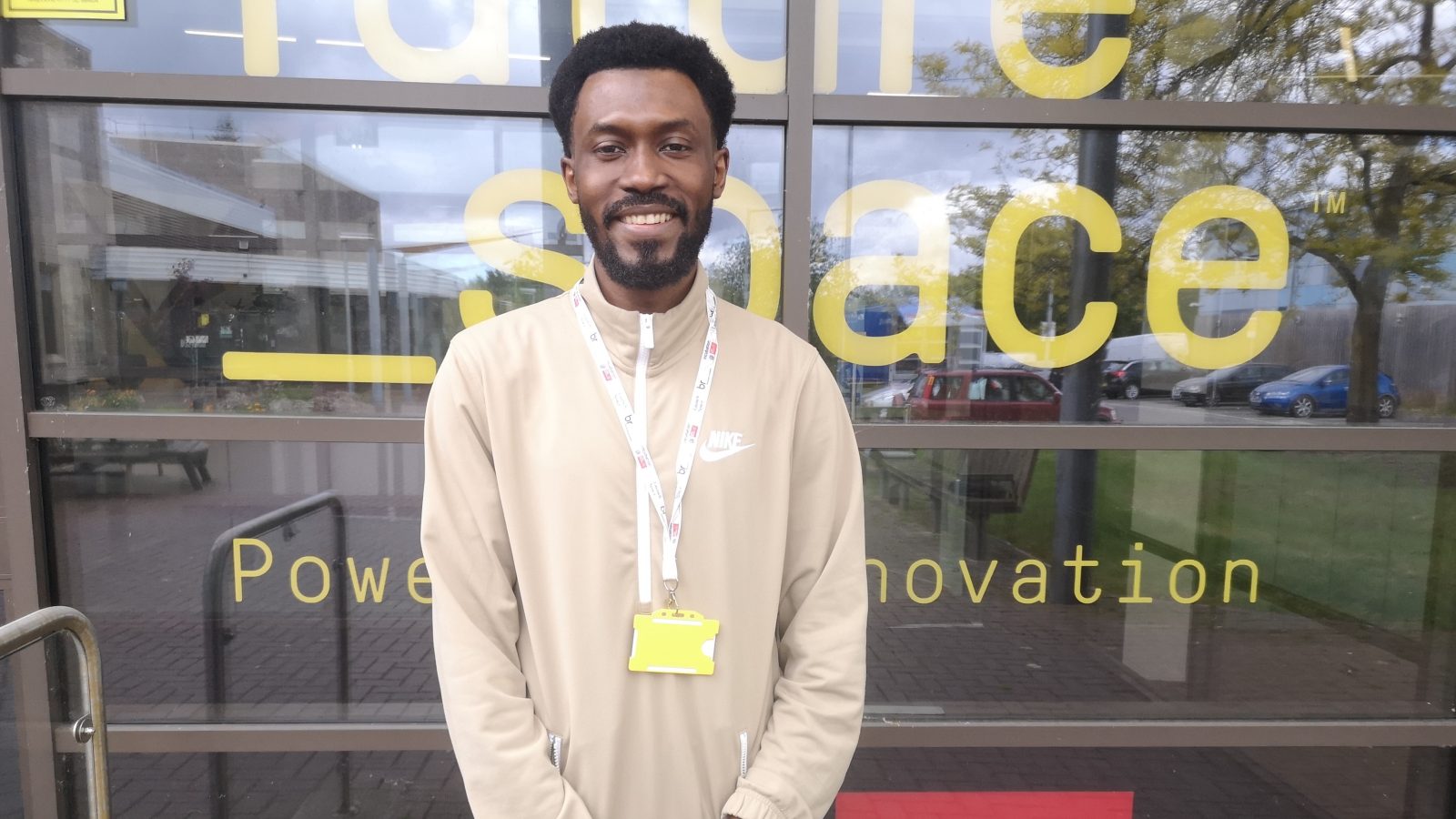
One of the newest residents, Nyata AI was founded by UWE Bristol graduate Ibrahim Maina (pictured) – photo: Milan Perera
Morgan said: “Over the past decade, Future Space has created a genuinely strong environment for ambitious companies to connect with research, talent and industry, and that’s had a real impact on the wider Bristol tech community.
“It’s been great to see that the ecosystem continues to evolve, and we’re proud to be part of Bristol’s growing innovation story as Supersmith prepares for its next phase of growth.”
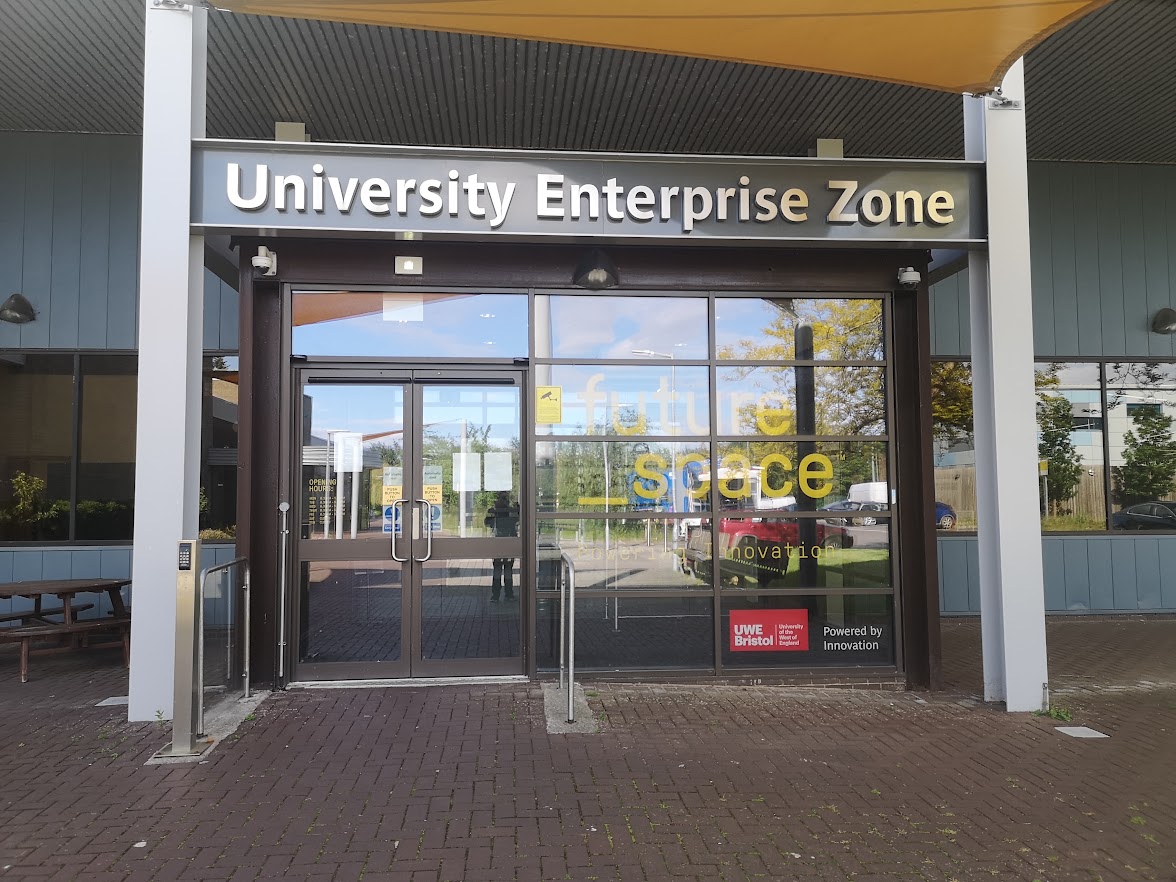
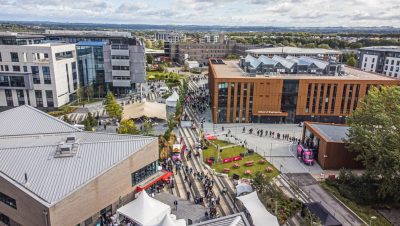
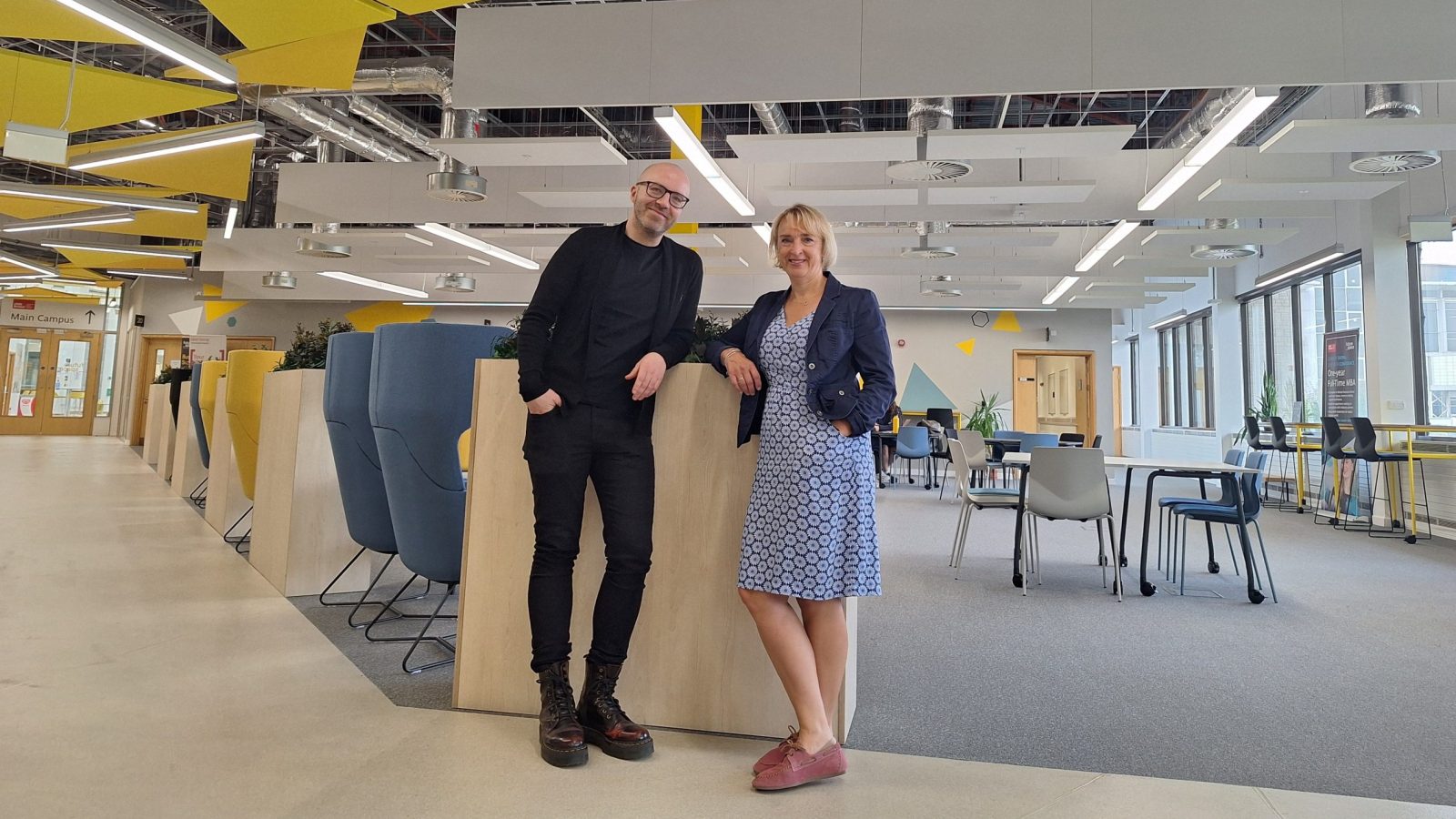
Future Space has marked its tenth anniversary of innovation and impact, linking research with business opportunities – photo: Milan Perera
Main photo: UWE Bristol
Read next:
 Our newsletters emailed directly to you