Music / Review
Review: Bristol Youth Orchestra, Bristol Beacon – ‘A heartfelt musical homage to English countryside’
The Campaign to Protect Rural England (CPRE), the Bristol Youth Orchestra and Bristol Beacon have teamed up again to mark CPRE’s centenary, celebrating years of campaigning for the English countryside, often against insurmountable odds.
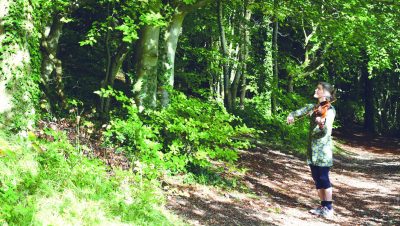
The Bristol Youth Orchestra was previously involved in a tree-planting event with the Avon & Bristol branch of CPRE in the lead-up to the special anniversary concert.
During the event, the budding musicians planted native trees on the outskirts of Bristol near Pensford, before exchanging their trowels for musical instruments to serenade the newly planted trees in a powerful symbolic gesture.
is needed now More than ever
The special anniversary concert was preceded by an address from Jonathan Dimbleby, chair of the trustees at Bristol Beacon, highlighting the importance of CPRE’s work over the years, particularly in the face of growing urban development.
View this post on Instagram
The programme opened with Ballade in A minor by Samuel Coleridge-Taylor, an influential Black composer who sadly died at just 37 in the early part of 20th century, whose work shows a strong affinity to nature. The orchestra captured rolling coastal landscapes with a touch of folk influence to a tee.
The seascape-inspired piece segued neatly into an extract from The Wasps Overture by Ralph Vaughan Williams, whose West Country roots and lifelong love of folk music and the countryside shine through his compositions.
The orchestra, under the baton of Tim Harrison, rose to the challenge, painting a hazy, sunlit countryside. The pacing, crescendos and balance between woodwind and strings were deftly executed, while the humming, buzzing motif mimicking the sound of wasps was a particular delight.
The music of Edward Elgar is perhaps inseparable from his affection for the countryside, especially the Malvern Hills, where he was born.
He famously said, “Music is in the air – you simply take as much as you require”.
A former vice-president of the CPRE Herefordshire branch until his death, his deep love for the natural landscape is beyond doubt. Any conversation about Elgar is incomplete without mention of his evergreen Cello Concerto in E minor, immortalised by the late Jacqueline du Pré.
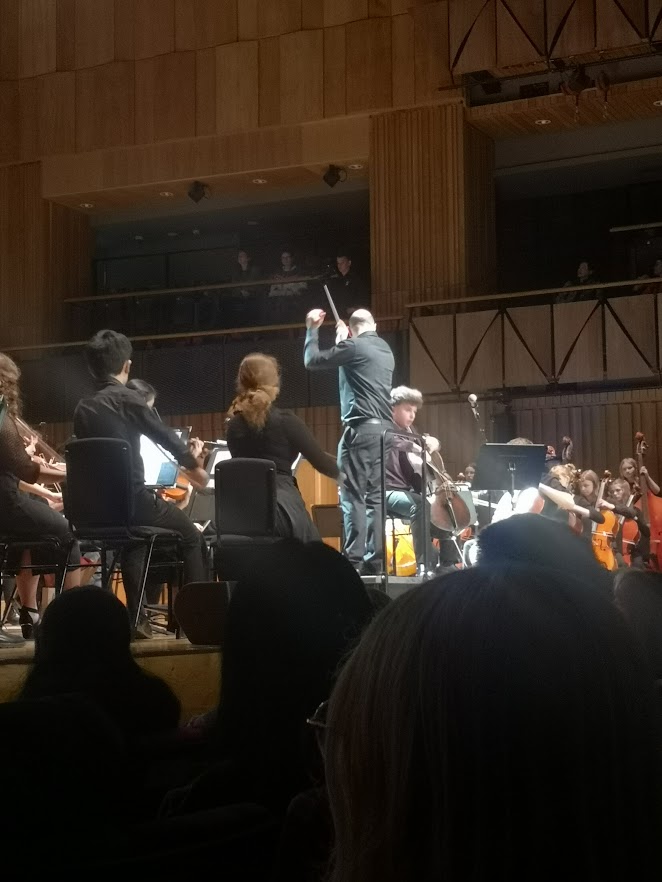
Jonathan Moss, one of Bristol’s own, rose to the challenge with the opening movement of Elgar’s cello concerto
Nathanael Moss, one of Bristol’s own, rose to the challenge with the opening movement of the concerto, composed in the aftermath of World War I as something of a swansong to a vanishing world of pastoral beauty and innocence.
Moss, who attends Bristol Pre-Conservatoire and is a member of the Bristol Youth Orchestra, played the brooding, long lines with sensitivity and empathy. The orchestra supported the slow lament with both control and vigour, never drowning the soloist with a flood of sound.
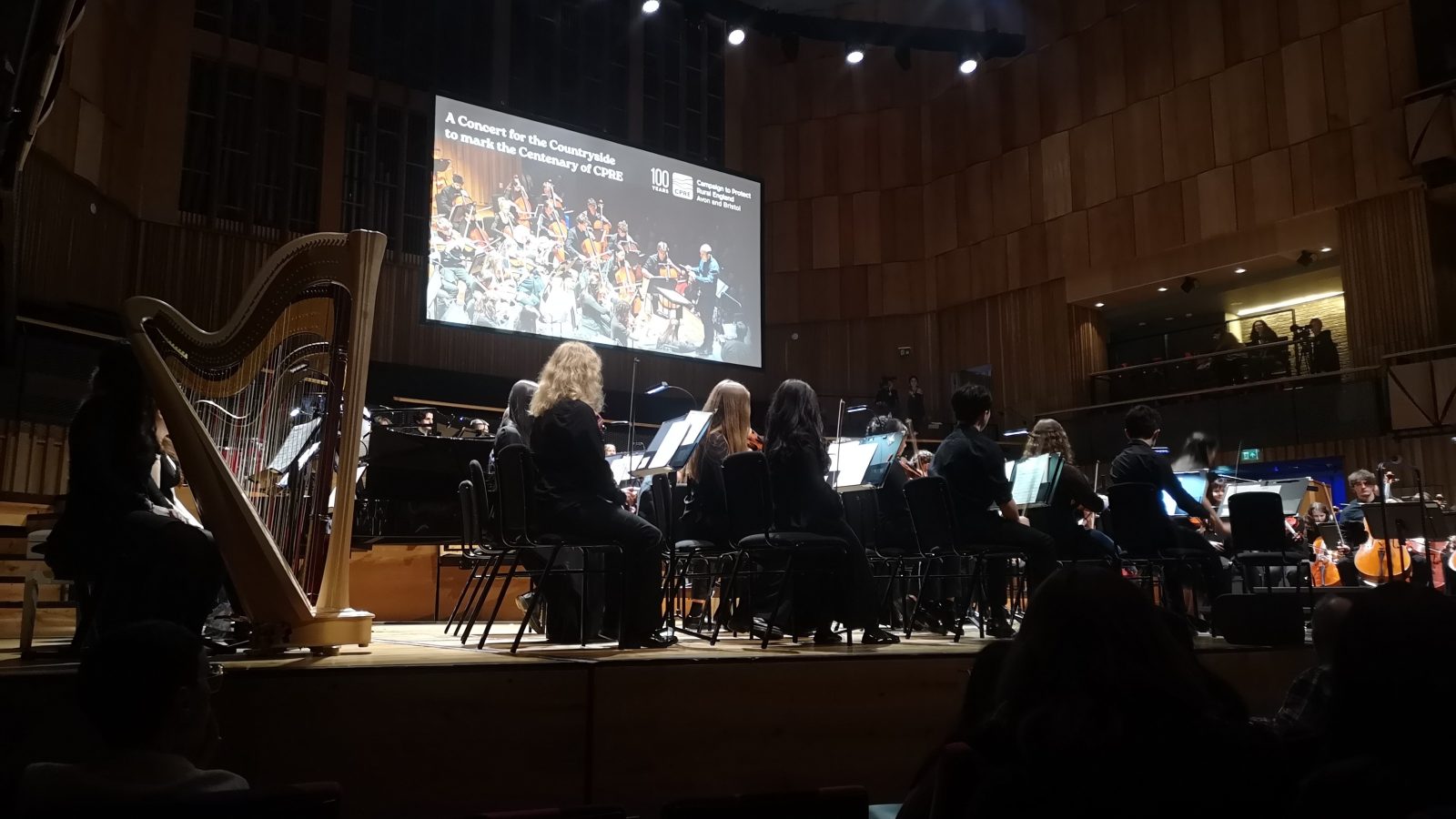
All pieces were accompanied by a visual montage on the backdrop, charting both the challenges and triumphs of CPRE over the years – from deforestation and urban development to the “Dig for Victory” campaign during WWII, the establishment of Green Belts and the creation of nature reserves on the edges of expanding cities.
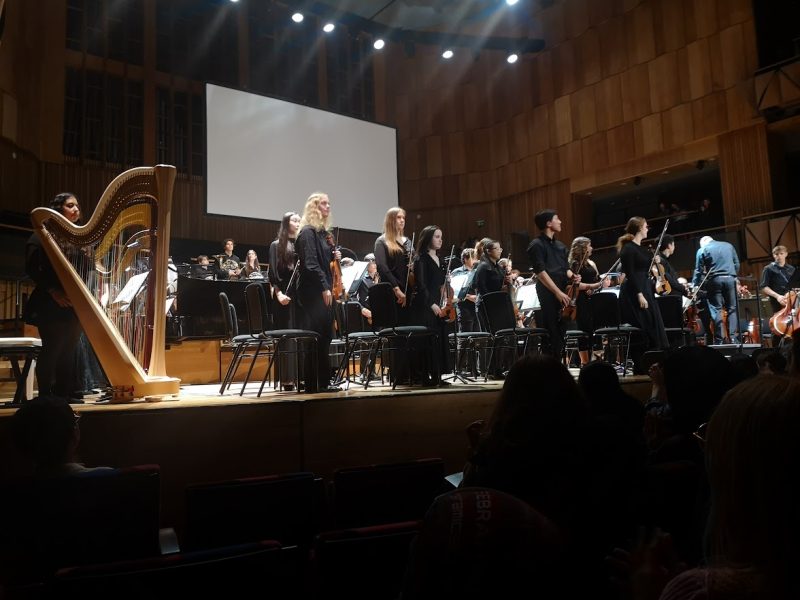
Didn’t the Bristol Youth Orchestra shine again? The city’s flagship instrumental ensemble features over 90 of Bristol’s most talented young musicians, aged 12 to 18.
The orchestra rehearses weekly at Bristol Cathedral Choir School and performs both the works of the orchestral repertoire and ambitious new commissions, such as the evening’s showstopper: the world premiere of Regenerate, Protect and Celebrate by the acclaimed British composer Debbie Wiseman.
The evening was made even more special as Wiseman herself attended to conduct the orchestra for the premiere of her work.
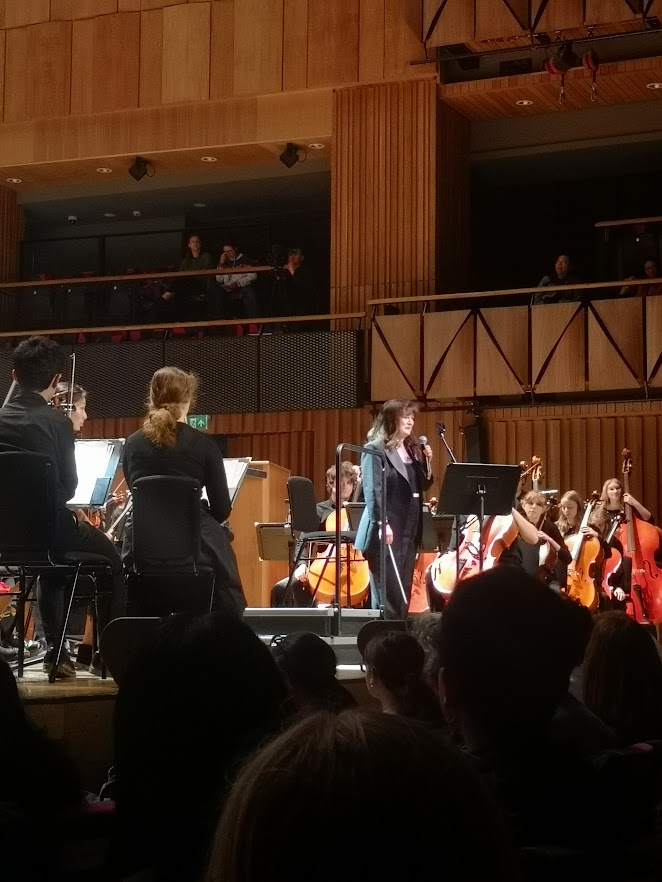
The programme also included the world premiere of Regenerate, Protect and Celebrate by the acclaimed British composer Debbie Wiseman
Widely considered as one of the UK’s greatest living composers, Wiseman boasts a vast repertoire including television and film scores, as well as original orchestral music, which includes Queen Elizabeth II’s Diamond Jubilee music.
The pastoral and ethereal elements of the first movement were perfectly complemented by a backdrop montage featuring rolling hills and lush green pastures in bright technicolour.
Subsequent movements captured the dramatic changes to the landscape brought about by housing, farming and post-war deforestation for new towns.
An ominous dialogue between strings and woodwind evoked the perennial tension between urban development and the integrity of greenlands and natural habitats.
The conflict resolved with a return to the pastoral theme of the first movement, restoring a sense of natural order.
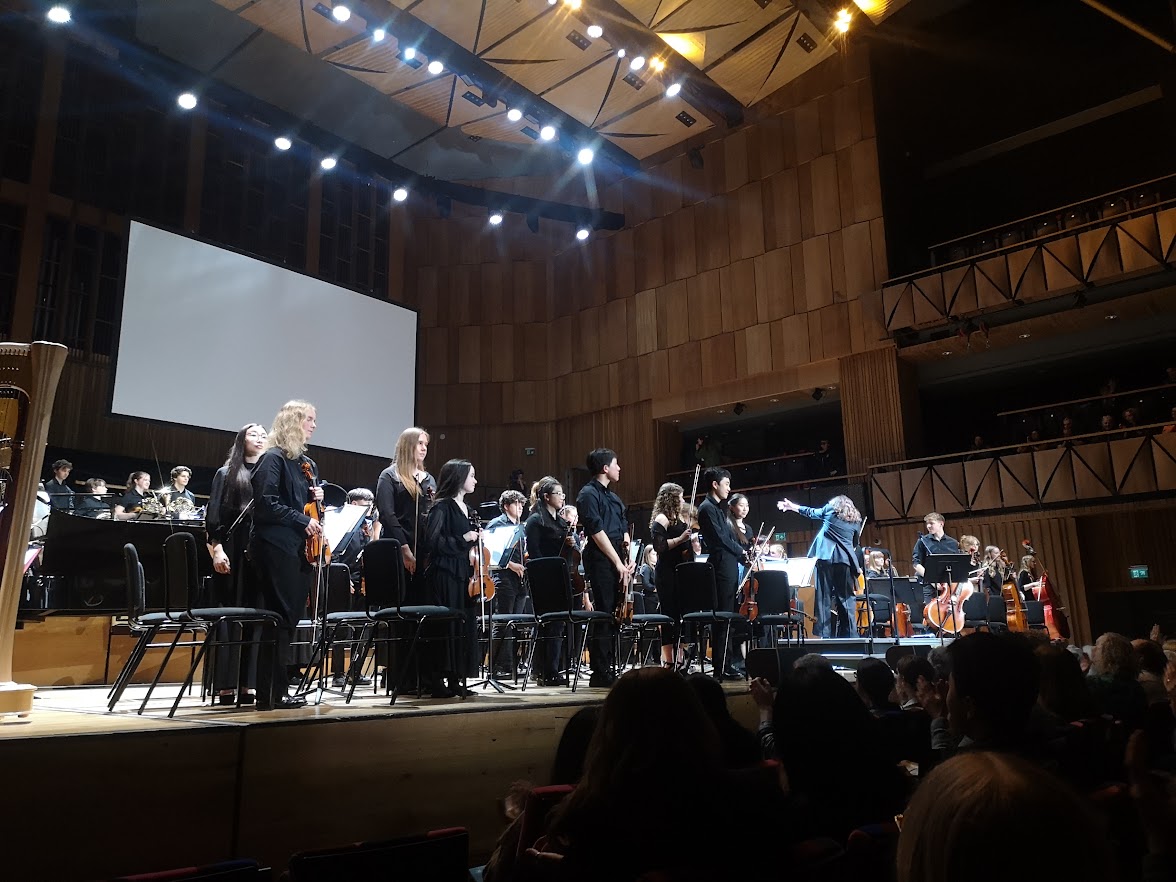
The CPRE, the Bristol Youth Orchestra and Bristol Beacon have teamed up again to mark CPRE’s centenary, celebrating years of campaigning for the English countryside
The composer-conductor herself congratulated the orchestra, bringing the evening to a raucous applause and concluding an uplifting programme of music, which was perhaps an ode to the English countryside.
All photos: Milan Perera
Read next:
 Our newsletters emailed directly to you