Music / Review
Review: Bournemouth Symphony Orchestra, Bristol Beacon – ‘A vivid sonic landscape of contrasts’
Bournemouth Symphony Orchestra (BSO), resident orchestra at Bristol Beacon, has been enthralling audiences since the refurbished venue reopened in autumn 2023.
Its summer concerts range widely from hidden musical gems and crowd pleasers to orchestral showstoppers.
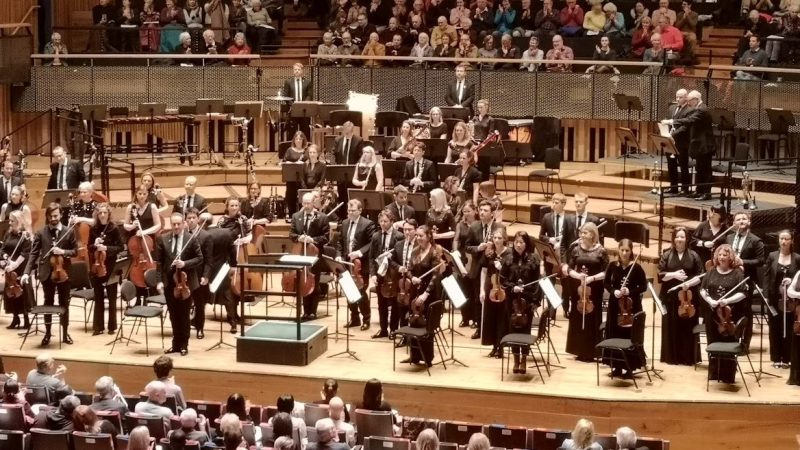
The BSO, under the baton of Mark Wigglesworth, returned for an evening of contrasting pieces marking the beginning of a busy summer.
is needed now More than ever
As the Bristol summer gently beckoned amid sleet and showers, the programme included the aptly titled Summer, followed by Ravel’s scintillating Piano Concerto in G major and Rachmaninov’s less performed Symphony No. 3.
View this post on Instagram
Frank Bridge perhaps had the misfortune of being eclipsed by some of his contemporary luminaries such as Edward Elgar, Gustav Holst, Frederick Delius and Ralph Vaughan Williams.
But as his tombstone simply states, he was “Frank Bridge, musician”. His evolution from a deeply Romantic foundations to a keen interest in the atonality of Berg and the impressionism of Debussy, with a fascinating transitional period in between, remains striking.
Summer belongs to this middle phase where he flirts with chromatic colours and impressionist textures.
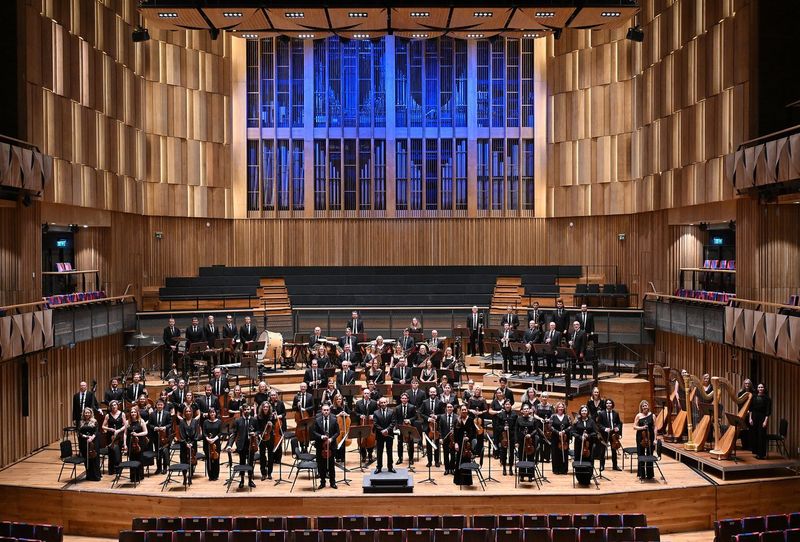
Bournemouth Symphony Orchestra (BSO), resident orchestra at Bristol Beacon, has been enthralling audiences since the refurbished venue reopened in autumn 2023 – photo: Mark Allan
The tone poem remains rooted in Romantic language but shows clear Debussian influence.
The sense of light, warmth and languid stillness was neatly executed by the orchestra. The harmonic language, richer and more chromatic than traditional Romanticism, was neatly portrayed by BSO under Wigglesworth.
Without a doubt, the showstopper of the night was Maurice Ravel’s Piano Concerto in G major with Alexandre Tharaud as soloist.
The Frenchman captured the essence of his compatriot’s fireworks of a concerto with its contrasting influences, from the jazz of George Gershwin to the lucidity of Mozart.
From the first arpeggio it was a tour de force. The opening movement draws heavily on jazz idioms following Ravel’s sojourn in America where he famously met Gershwin.
It literally opens with a crack of the whip and immediately establishes its mercurial, jazz inflected character.
The influence of Basque folk music is also present, a nod to Ravel’s heritage. Brilliant and almost cheeky in its wit, the writing is lean and transparent, never heavy.
Tharaud’s playing in the first movement was so fine that it prompted an unconventional approval of applause from the audience, never waiting till the finale.
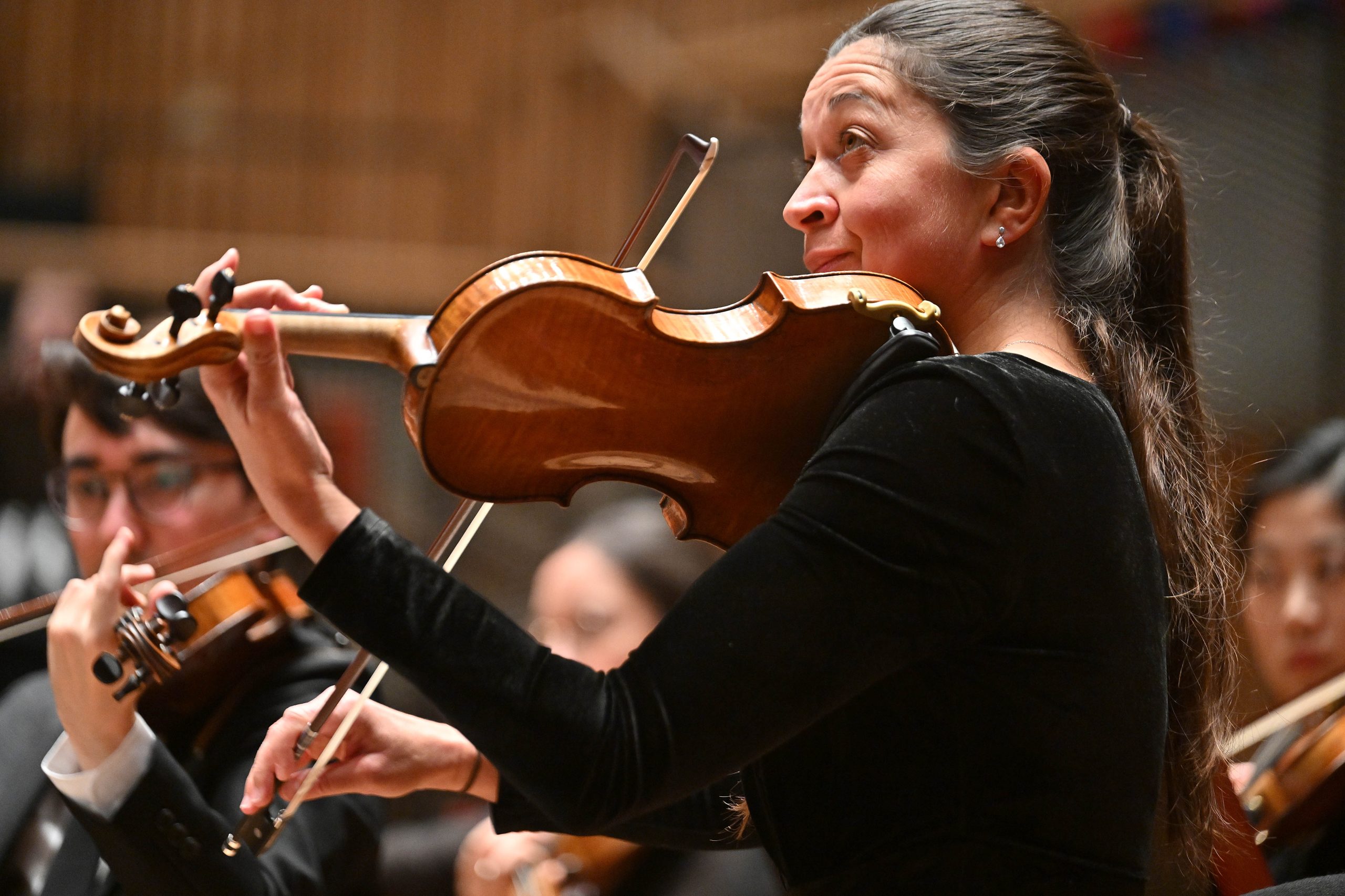
The BSO has set itself for a busy summer season covering rare gems, crowdpleasers to symphonic showstoppers – photo: Mark Allan
The second movement unfolds languidly, but Tharaud avoided the temptation to turn it into the slow movement of a Chopin concerto, instead maintaining control of articulation and pedalling.
Ravel is said to have spent weeks composing this movement, drawing inspiration from Clarinet Quintet by Mozart. The dialogue between woodwind, led by cor anglais with piano was exquisite and the BSO winds hit it for six.
If the second movement was brilliant, the third and final movement was sublime.
A breathless, exhilarating finale returning to the jazz inflected wit of the first movement was executed with dazzling precision by Tharaud.
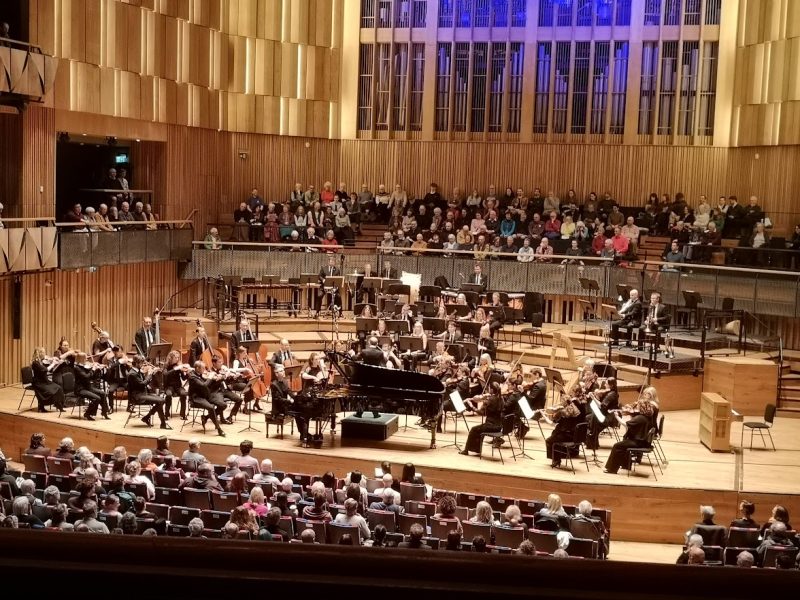
Alexandre Tharaud captured the essence of his compatriot’s fireworks of a concerto with its contrasting influences, from the jazz of George Gershwin to the lucidity of Mozart – photo: Milan Perera
Passages demanding enormous agility and lightness looked ridiculously effortless, bringing the concerto to a brilliantly high octane conclusion. It was no wonder the raucous applause lasted for a good four minutes, prompting the Frenchman to offer an encore.
Following the interval it was time to revisit a hidden gem of the repertoire.
Sergei Rachmaninov’ s Third Symphony remains one of his most searching and undervalued works, leaner and more inward than the celebrated Second but ultimately more sophisticated in its emotional complexity.
Written in 1936, the music carries the unmistakable weight of exile and nostalgia following the Russian Revolution.
It demands an orchestra at the top of its game and under the baton of Wigglesworth the BSO just did that.
From the opening string theme, quiet and folk like, the ensemble played with striking unanimity of tone. When the first movement surged to its great string climax the sound was rich and powerful without ever turning coarse.
The exposed horn writing in the adagio was warm and ethereal, while the sudden dance-like scherzo section showed just how tight and responsive the orchestra has become.
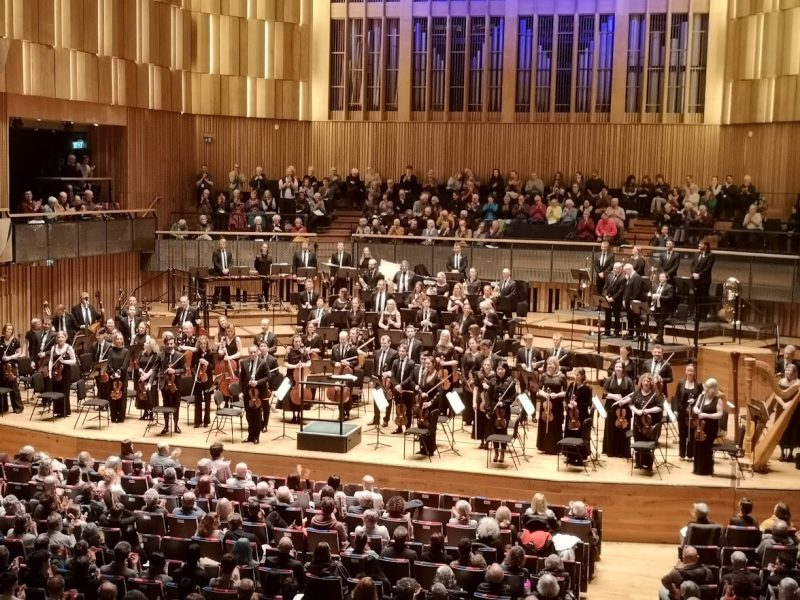
The BSO, under the baton of Mark Wigglesworth, returned for an evening of contrasting pieces – photo: Milan Perera
Wigglesworth held the finale’s cumulative strands of sound with real discipline, ensuring the brass never overwhelmed and the strings maintained their stamina to the last bar, a performance that did full justice to one of Rachmaninov’s most undervalued works.
Main photo: Milan Perera
Read next:
 Our newsletters emailed directly to you