Film / Reviews
Review: Berlin Syndrome
Berlin Syndrome (15)
Australia 2017 116 mins Dir: Cate Shortland Cast: Teresa Palmer, Max Riemelt, Lucie Aron
From Wake in Fright to the Wolf Creek flicks, the Outback Horror genre has done much to warn potential tourists that Australia’s psycho inhabitants and its wildlife are out to polish them off. So it seems only fair that an Australian director should export the backpacker abduction thriller to Europe. Cate Shortland, whose reputation was established with her stunning 2004 debut Somersault, slaps an arthouse veneer onto this well-worn template and, as the titular allusion to Stockholm Syndrome suggests, adds a provocative twist of complicity with a protagonist whose victim status is complicated by continued sexual attraction to her captor. Despite a strong central performance by Teresa Palmer, the result is only partially effective, with a draggy middle section, frustratingly opaque character psychology, and some plotting elements that will leave genre enthusiasts groaning.
is needed now More than ever
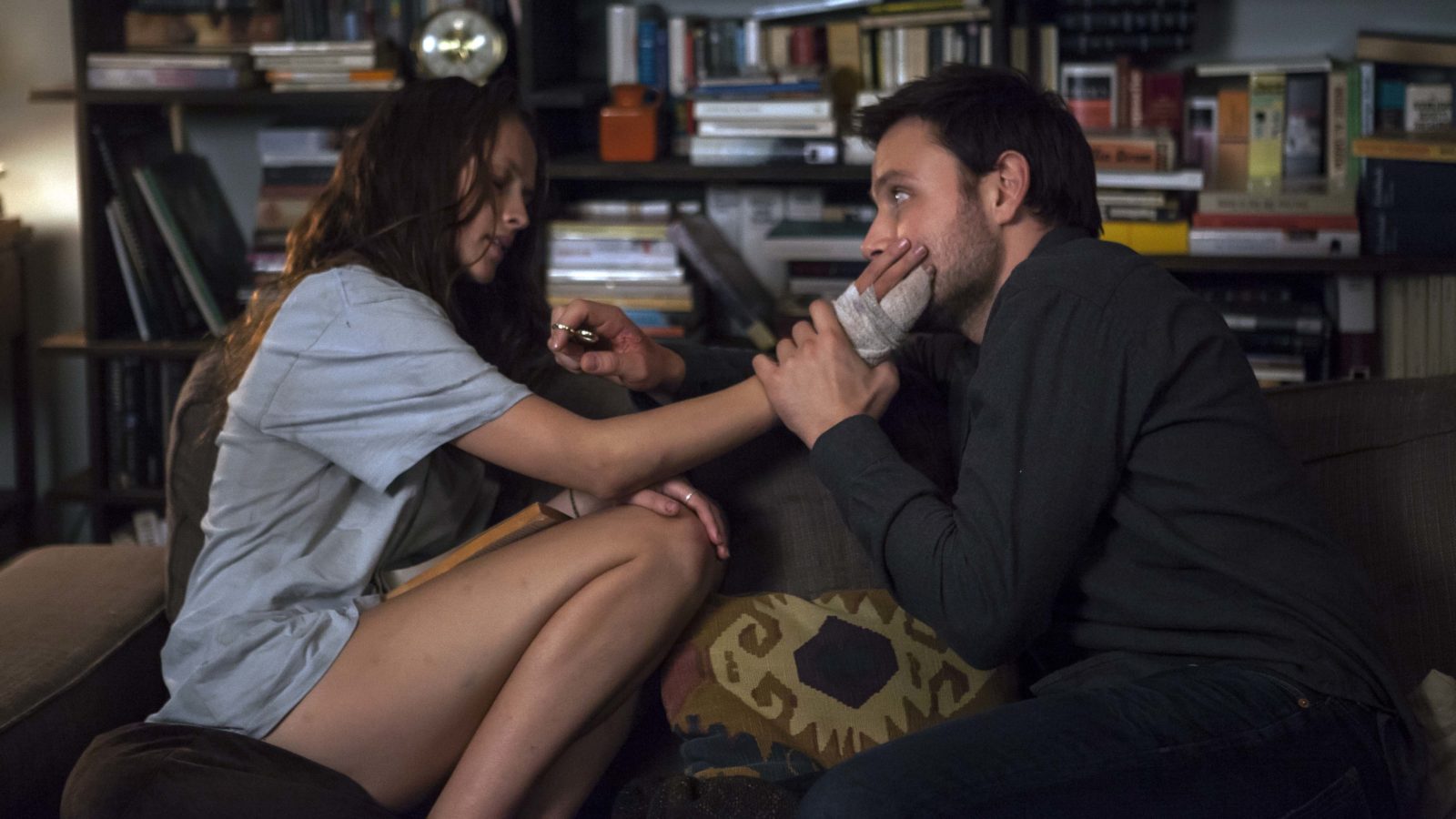
The set-up is all too familiar. Young, aimless and slightly naive lone Brisbane backpacker Clare (Palmer) is trundling round Berlin photographing East German architecture, as you do, when she encounters schoolteacher Andi (Riemelt), who turns on the charm with well-rehearsed chat-up lines. After some flirting, they wind up back at his pad, which turns out, rather improbably, to be the sole occupied flat in an abandoned apartment block. Foreshadowing alert! “No one will hear you,” he reassures her when she stifles her moans of ecstasy during sex, as if Bryony Marks’s unsettling electronic score hadn’t already alerted us to the fact that this outwardly likeable fella may not be all he seems – even before he enquires solicitously whether Clare’s mum knows where she is. Sure enough, she awakes after a night of passion to find herself alone and firmly imprisoned inside Andi’s fortress-like apartment. What’s more, her SIM card is missing. And she soon begins to suspect that she’s not the first young woman to find herself in this situation.
The only man with any key involvement in its production is Snowtown writer Shaun Grant, who adapts Melanie Joosten’s novel, which means that Berlin Syndrome qualifies for an F rating. Shortland has said she sees the film more as a relationship movie than a thriller, which distinguishes it from fellow abduction psychodrama Room, to which comparisons are bound to be drawn. She certainly explores the ambiguity of Clare’s interactions with her one-night-stand-turned-creepy, Collector-style abductor, who describes them as a ‘team’ and carries around snaps of his captive’s naked body. Following the director’s trademark sensuality in her depiction of the couple’s initial encounter, we’re never entirely sure how much Clare is playing along with Andi’s twisted version of domestic bliss to gain his trust while plotting her escape or remains genuinely, troublingly attracted to him.
Last seen in a thankless girlfriend role in Hacksaw Ridge, Teresa Palmer delivers a convincing, nuanced performance, but there’s only so far she can take this in a film that’s at least 30 minutes too long and sags badly once its protagonist becomes trapped. Attempts to hint at Andi’s background and formative experiences as an explanation for his behaviour prove even less successful. That leaves the somewhat unsatisfactory pulpy horror-thriller plot element. Shortland generates a degree of tension once the film abandons psychology and locks into convention during its final straight. But in order to get there, she relies upon contrivance that even the most forgiving fans of this over-populated sub-genre might find hard to swallow.
 Our newsletters emailed directly to you