Film / Reviews
Review: Frantz
Frantz (12A)
France/Germany 2016 114 mins Subtitles Dir: François Ozon Starring: Pierre Niney, Paula Beer, Ernst Stötzner, Marie Gruber, Johann von Bülow, Anton von Lucke
Modest in scale and low of key, prolific François Ozon’s first largely German language feature takes its cue from a Maurice Rostand play whose title was all spoiler (I shan’t repeat it here), which was first adapted for the screen in 1932 by Ernst Lubitsch as Broken Lullaby. The Lionel Barrymore melodrama was, however, very much of its time. Ozon’s masterstroke is to retain the bare bones of the first half of the story, swapping the perspective from male to female. He then reworks the entire second half to draw out a symmetry that will resonate with anyone who’s alarmed by the current rise of nationalism and xenophobia.
is needed now More than ever
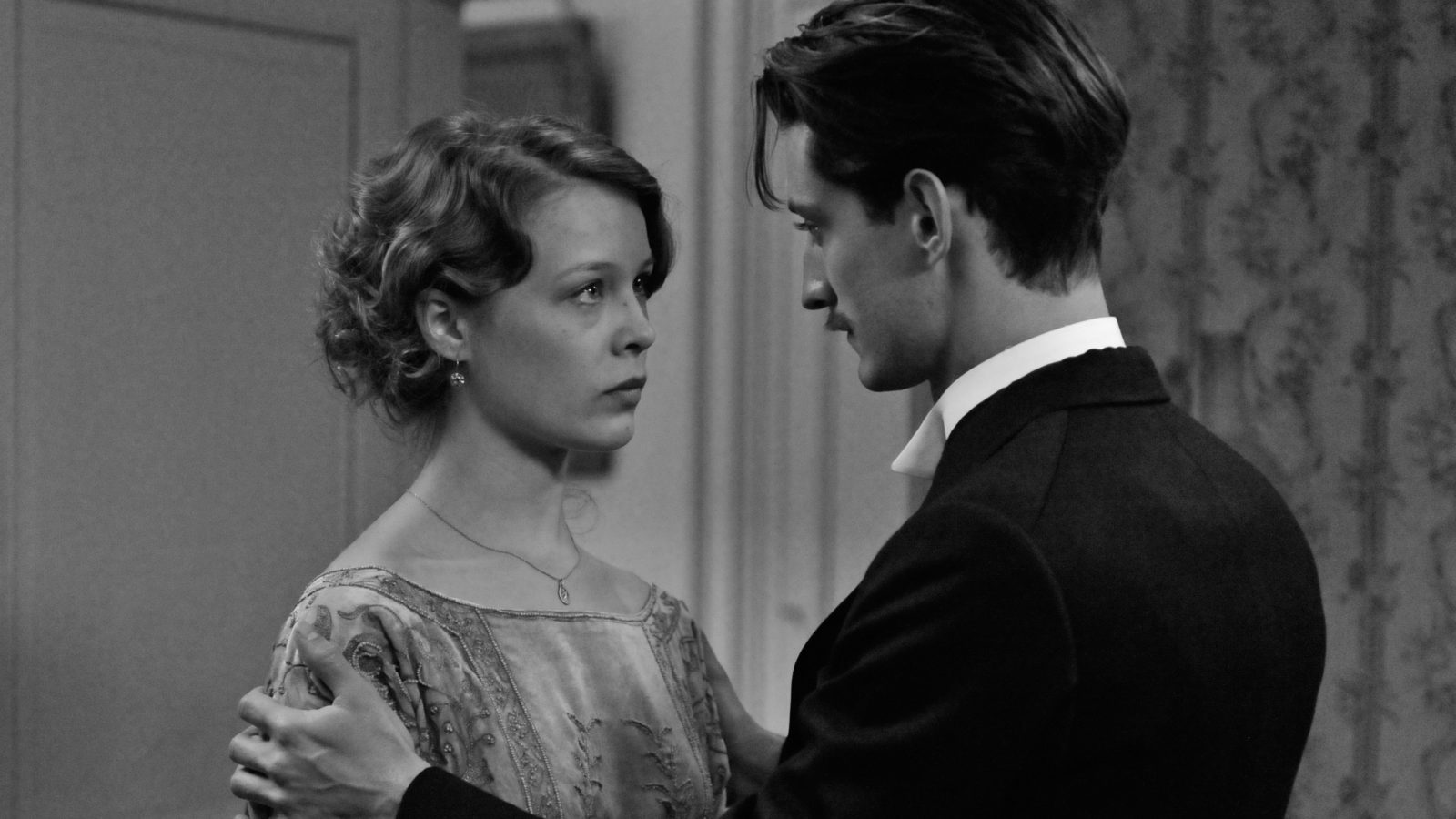
It’s 1919. In the town of Oldenburg, Lower Saxony, bereaved young Anna (Beer) mourns the death of her soldier fiance Frantz (von Lucke), who was killed in France during WWI. She now lives with his parents, local doctor Hoffmeister (Stötzner) and his wife Magda (Gruber), regularly tending Frantz’s grave, which we later learn is empty. Concerned that she should move on, the equally devastated Hoffmeister and Magda encourage Anna to accept a proposal from odious proto-Nazi Kreutz (von Bülow), whose clumsy wooing techniques include a promise that he’ll make her forget her fiance. The arrival of a handsome, weepy, haunted young foreigner to place flowers on the grave changes everything. Anna learns that he’s Adrien (Niney, who resembles a younger Adrien Brody), a Frenchman who claims to have been friends with Frantz in Paris. A fundamentally decent fella with a reassuring beard, Herr Hoffmeister is nonetheless initially hostile (“Every Frenchman is my son’s murderer!” he exclaims), but gentle, sensitive, artistic Adrien soon wins over the family, enchanting Frantz’s parents with stories of his cultural adventures with their son and drawing Anna out of her shell. But is he really who he claims to be?
Ozon milks the mystery in flashback, with hints of homoeroticism very much to the fore, until the big reveal about an hour into the film. But it’s at this point that the story starts to get interesting. Before long, lies start to pile up, generally for altruistic reasons, and we’re asked to ponder whether these can be justified to produce a modicum of happiness in the wake of tragedy (even a priest gets his oar in at one point) when they also give rise to a ripple effect of repercussions. In exploring the need for forgiveness, Ozon skilfully underlines the fact that there are no winners among this ‘lost generation’ on both sides of the conflict. Nobody in Oldenburg has been untouched by the war, and with the benefit of hindsight we know where the ugly hotbed of ultra-nationalism this engenders is heading. The hostility shown towards Adrien in Germany is mirrored when Anna travels to France and has to endure hearty singing of the remarkably bloodthirsty La Marseillaise (“Let impure blood/Water our furrows” indeed). It’s all rather less chilly than Michael Heneke’s broadly comparable The White Ribbon, thanks mainly to Paula Beer’s warm and empathetic performance and Ozon’s regular collaborator (Jeune & Jolie, The New Girlfriend) Pascal Marti’s striking cinematography, which bleeds from monochrome to colour during moments of hope and joy, both in the past and present.
 Our newsletters emailed directly to you