Features / Advertising Feature
Why Small Form Factor PCs Are Ideal for the UK’s Hybrid Workforce
When offices across the country closed their doors in 2020, few people imagined that the temporary shift to working from the kitchen table would reshape British working life for good. Five years on, hybrid working is no longer an emergency measure but an established way of doing business. Flexible working requests are now a day-one right for employees, home-office set-ups have become a fixture in countless households, and shared spaces, co-working hubs and hot-desking arrangements have quietly become the norm rather than the exception.
Amid all this change, one detail tends to go unnoticed: the hardware sitting on the desk. For many professionals, the choice of computer still defaults to whatever was bought years ago, yet the equipment we rely on now plays a far bigger role in how flexible — and how comfortable — our working lives can be. As people move between rooms, buildings and even cities, the humble desktop is being quietly reinvented for a more mobile way of working.
The New Reality of Hybrid Working in the UK
The way Britain works looks very different from the way it did half a decade ago. Most office-based employees no longer spend five days a week at the same desk. Instead, they split their time between home and the workplace, often building their week around when collaboration is genuinely needed in person and when focused work is better done alone.
This shift has fuelled demand for flexible workspaces of every kind. Co-working environments have expanded well beyond the major cities, giving freelancers, small businesses and remote teams somewhere professional to land for a day or a month at a time. At the same time, many organisations are rethinking how much permanent office space they actually need, optimising their footprints, reducing fixed desks and leaning on bookable seating instead.
The common thread is movement. Technology can no longer be designed around a single, fixed desk that never changes. It has to support people who might work from a spare bedroom one day, a shared office the next and a client site after that — without forcing them to compromise on the tools they depend on.
Why Traditional Desktop Setups Can Feel Outdated
For all their power, conventional tower PCs were built for a world that no longer exists. They are large and heavy, taking up a generous slice of any desk and often spilling onto the floor beneath it. They tend to gather a tangle of cables, making even a small reshuffle of the room feel like a project. And because they were never meant to move, relocating one — whether to another room or another building — is rarely a quick job.
In shared or flexible workspaces, these drawbacks become more obvious still. A bulky machine simply does not fit the rhythm of hot-desking, where the goal is to sit down, plug in and start working within moments.
For many UK professionals the constraint is space itself. A great number of people work from flats, terraced houses or city-centre apartments where every square metre counts and a dedicated study is a luxury rather than a given. In a city like Bristol, where period homes, converted flats and compact new-builds sit side by side, the challenge of carving out a usable workspace is a familiar one. Increasingly, urban professionals are looking for practical ways to make the most of their living and working space without giving up the performance their jobs demand.
What Makes a Small Form Factor PC Different?
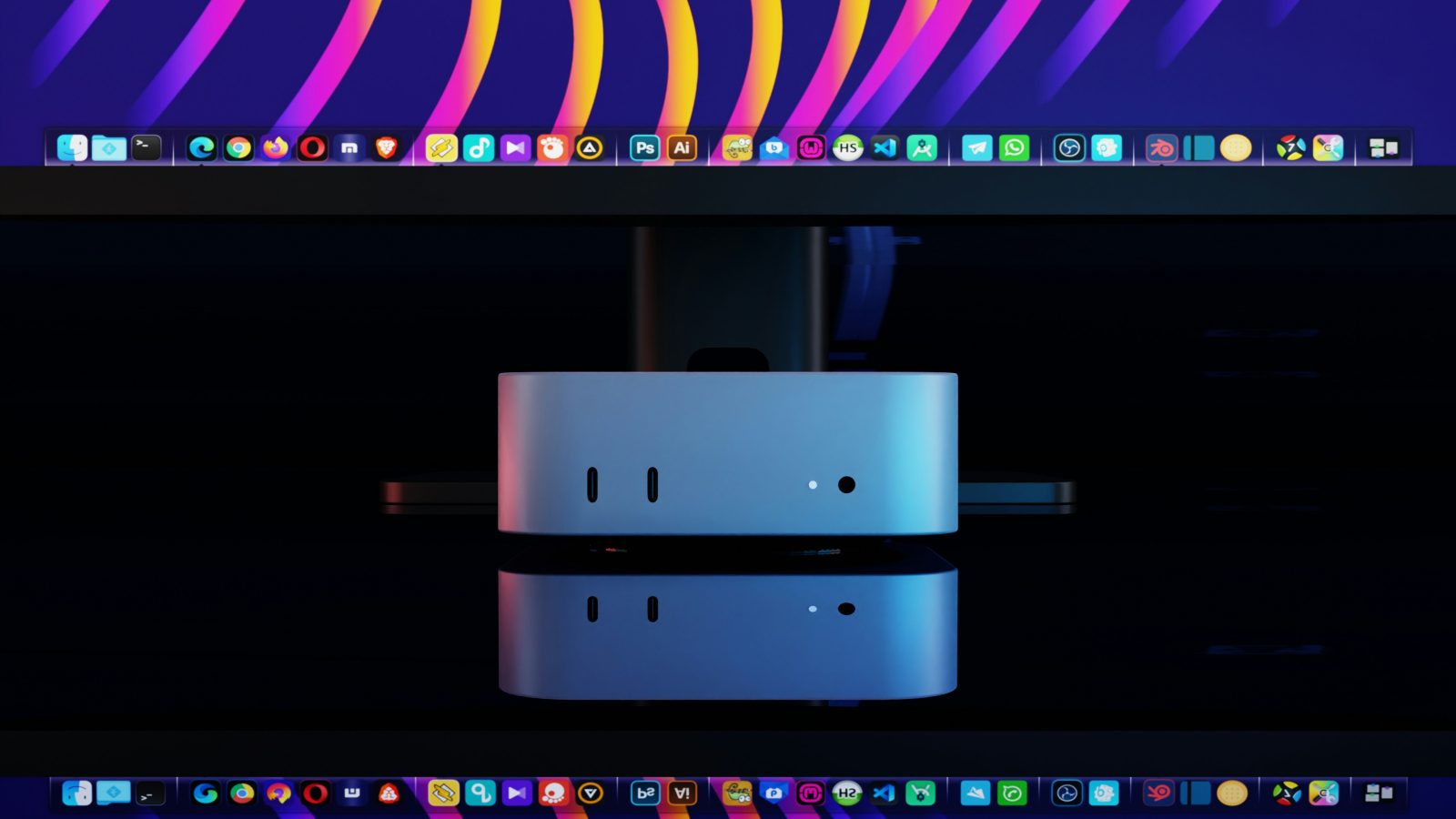
This is where compact computing has changed the conversation. A small form factor PC packs full desktop-class performance into a footprint small enough to sit on a shelf, tuck behind a monitor or slip into a bag, yet still delivers the processing power, memory and professional-grade connectivity that serious work requires.
The appeal goes beyond size alone. These machines tend to be markedly more energy efficient than traditional towers, drawing less power while running quietly and coolly. Their flexible placement means a workstation can be set up almost anywhere — mounted out of sight, carried between locations or simply moved aside when the room needs to serve another purpose. It is worth dispelling an old assumption here: modern compact PCs are no longer niche, underpowered devices. Many are now perfectly capable of handling demanding, real-world workloads that would once have required a far larger machine.
Supporting Productivity Across Multiple Workspaces
The real value of compact computing shows itself in how naturally it fits the patterns of modern work.
Home Office Setups
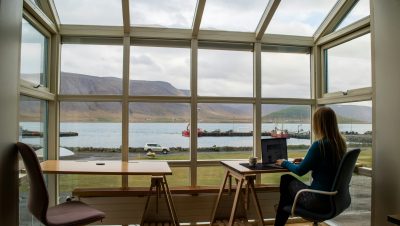
At home, desk space is often at a premium, and the same room may double as a dining area, study or family space. A compact machine keeps the workstation tidy and unobtrusive, leaving more room to live in and making it easy to clear the desk at the end of the working day.
Shared Office Environments
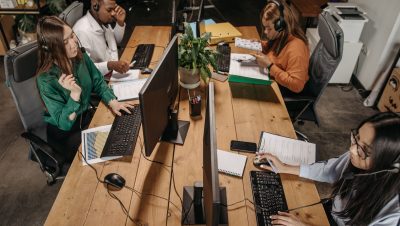
In hot-desking and flexible-seating arrangements, a small, portable computer is far easier to deploy. Workers can settle into whatever desk is free, connect quickly and get on with the day, while organisations benefit from equipment that adapts to changing layouts rather than dictating them.
Creative and Professional Work
For content creators, graphic designers, data analysts and anyone juggling several demanding applications at once, performance still matters enormously. Compact systems have closed much of the gap with larger machines, supporting heavy multitasking and creative workloads without commanding a vast amount of desk space.
The lesson across all three is that portability is not only about travelling with a device. It is about being able to adapt quickly to whatever working environment the day happens to require.
Less Space, Less Waste: The Sustainability Perspective
Smaller hardware also brings a welcome environmental dividend, something that resonates strongly in a city with Bristol’s green credentials. Compact PCs typically consume less power than their full-sized counterparts, which adds up over a working year both for the planet and for energy bills. Their smaller size means fewer raw materials in manufacture and far less packaging in transit. And because many are built to be upgraded rather than replaced wholesale, they can enjoy a longer, more useful life before reaching the recycling stage.
These factors increasingly shape how people buy. Sustainability is no longer a fringe consideration but a genuine deciding factor for many businesses and individuals weighing up a purchase. Choosing equipment that does more with less is one small, practical way that everyday decisions can align with broader environmental values — a theme that runs through so much of life in the South West.
Creating a More Comfortable and Productive Workspace
There is a quieter benefit too, one that has as much to do with wellbeing as with technology. A cluttered desk is a constant low-level distraction, and the cabling and bulk of a traditional setup do little to help. Swapping it for something compact frees up surface space, simplifies cable management and makes a workspace far easier to keep organised.
The effect on focus should not be underestimated. Research into workspace design has consistently linked tidy, well-ordered environments with better concentration and fewer distractions, while cleaner aesthetics simply make a space more pleasant to spend time in. For anyone who cares about how their home or office feels — not just how it functions — the difference a smaller machine makes can be surprisingly significant.
What to Look for When Choosing a Small Form Factor PC
If you are considering the switch, a few practical factors are worth weighing up. Processor performance and memory capacity will determine how comfortably the machine handles your day-to-day workload, so it is worth being honest about how demanding your tasks really are. Storage options matter for anyone working with large files, while strong connectivity and reliable multi-monitor support keep a flexible setup productive across different desks. Finally, the potential to upgrade components down the line helps protect your investment and extends the device’s working life.
Manufacturers such as GEEKOM have helped popularise compact desktop systems that balance performance, energy efficiency and space-saving design for modern professional environments. With a growing range of options on the market, it has never been easier to find a Mini PC that suits the way you actually work, rather than the way desktops used to demand we work.
The Future of Workspaces Is Flexible
Hybrid working looks set to remain a permanent feature of British working life, not a passing trend. As it does, the flexibility of our workspaces will continue to influence the technology decisions we make — and compact computing sits squarely at the centre of that shift, offering professionals the efficiency, adaptability and performance they increasingly expect.
In the end, the principle is a simple one. Technology should adapt to how people work today, rather than forcing people to adapt to outdated workspace requirements. For the UK’s hybrid workforce, a smaller machine may well prove to be the bigger upgrade.
Main image by BoliviaInteligente on Unsplash
 Our newsletters emailed directly to you