News / Transport
Some bollards in liveable neighbourhood area to be removed
Cameras will replace some bollards and planters in the East Bristol Liveable Neighbourhood to stop the fire service from getting delayed.
A freedom of information request recently revealed that several fire engines were delayed in reaching incidents in Barton Hill, Redfield and St George.
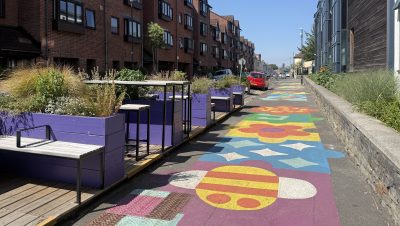
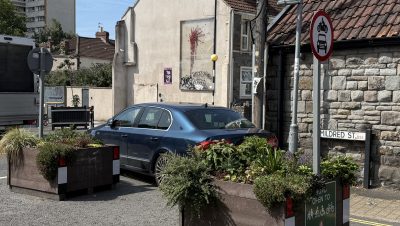
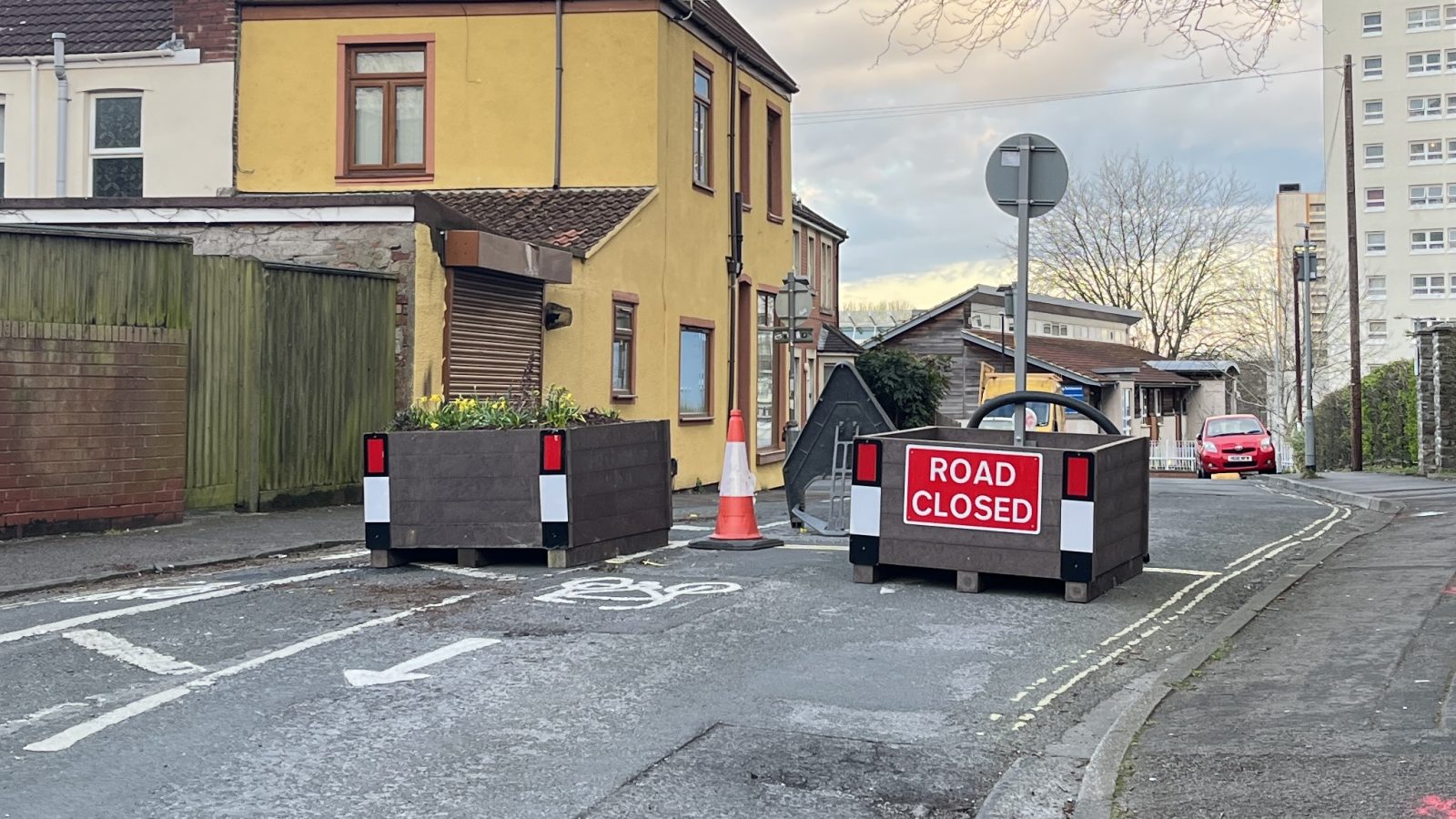
The neighbourhoods have recently become part of a trial to reduce the amount of traffic cutting through the area. and involves bollards, planters and bus gates blocking cars from passing through certain sections of roads. But so far these have had some unfortunate consequences.
is needed now More than ever
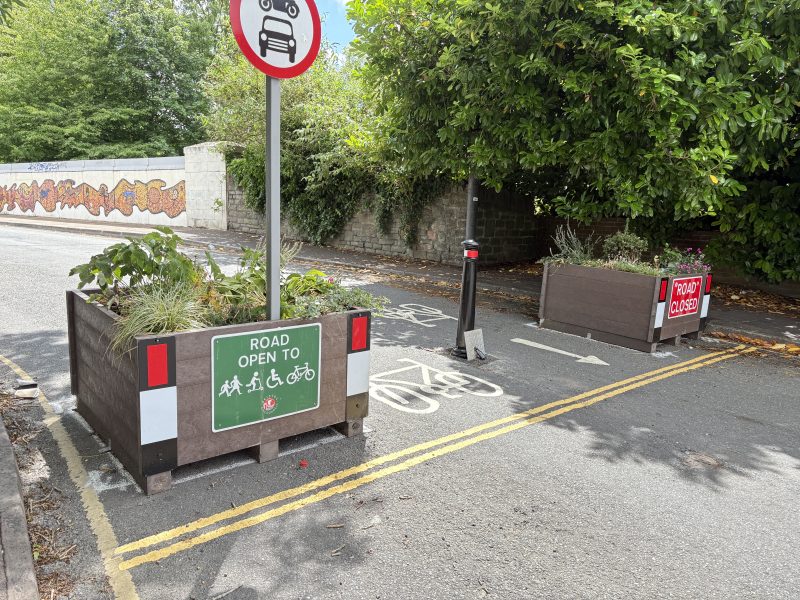
Some bollards and planters across Barton Hil, St George and Redfield will be replaced with cameras
Cameras catch drivers passing through bus gates and then issue fines to vehicles which aren’t exempt. This would allow fire engines and ambulances to get through.
Leading councillors faced questions about the delays during a member forum meeting on Tuesday.
Labour councillor Fabian Breckels, representing St George Troopers Hill, said: “What we need to know is: are lives more important than anti-car dogma?”
He quoted feedback from Avon Fire Service about responding to calls in the area and being delayed by planters and bollards. He added that some crews had to respond to calls on foot, as the fire engine couldn’t reach the scene of the incident. Council staff will review each bollard and planter in the East Bristol Liveable Neighbourhood, and will likely remove some of them.
Green councillor Ed Plowden, chair of the transport policy committee, said: “We’re going through all of them on a case-by-case approach and reviewing them. Some of them we intend to change from bollards and planters to camera enforcement instead.
“Once we’ve done that, if we were to commit to removing every single one of these, I think it would not be appropriate, because that would open up new routes.
“So we actually need to be quite smart about this, tackle the ones that really are making a difference, and make sure we’re updating the fire service and their navigation software so they don’t get blocked any more.”
Another issue affecting fire engines is “inappropriate and illegal” parking, which makes the roads narrower and harder for large vehicles to turn around corners.
Drivers across many parts of the liveable neighbourhood tend to park on pavements, both blocking them for pedestrians and large vehicles. The council is planning to ramp up parking enforcement to discourage this.
Labour also asked councillor Plowden and councillor Heather Mack, deputy leader of the council, to apologise for the bollards that were installed in the middle of the night in the remaining parts of the liveable neighbourhood. The two Green councillors were briefed ahead of the controversial drama in March, when contractors carried out work at 4am flanked by police officers, avoiding protesters.
Councillor Plowden said: “I do stand by the decision to commence an operation at 4am and I note that the police have apologised. I wasn’t given any operational details of that operation.”
Councillor Mack added: “We were aware of the early morning operation, not the police operational details. Given the situation that we were in with the protests and the feeling of the community — following an engagement process which was done under Labour — I want to support Ed saying I do stand by an early-morning operation.
“We didn’t have the details of that operation, just the plan of doing it early before traffic in the morning.”
A decision on whether to make the trial permanent is expected in March. This will consider feedback from local residents, as well as data on traffic counts and air pollution.
Alex Seabrook is a local democracy reporter for Bristol
All photos: Karen Johnson
Read next:
 Our newsletters emailed directly to you