News / Transport
Exploring the impact of the East Bristol Liveable Neighbourhood
An “immersive soundpiece” is the culmination of a project which aims to monitor the impact of a liveable neighbourhood scheme on everyday lives.
The Bristol Civic Observatory used “listening circles” to engage “communities that feel left behind” by the East Bristol Liveable Neighbourhood.
Created by a team of researchers, the installation brings together dozens of local voices who speak anonymously about the effects of the controversial scheme.
is needed now More than ever
One resident branded it “a car crash of epic proportions” and “a case study in the future of how not to do a liveable neighbourhood” while another said it had been “life changing in a really positive way”.
The track, predominantly recorded in a mobile recording studio at Barton Hill’s Wellspring Settlement, will be presented to Bristol City Council in January.
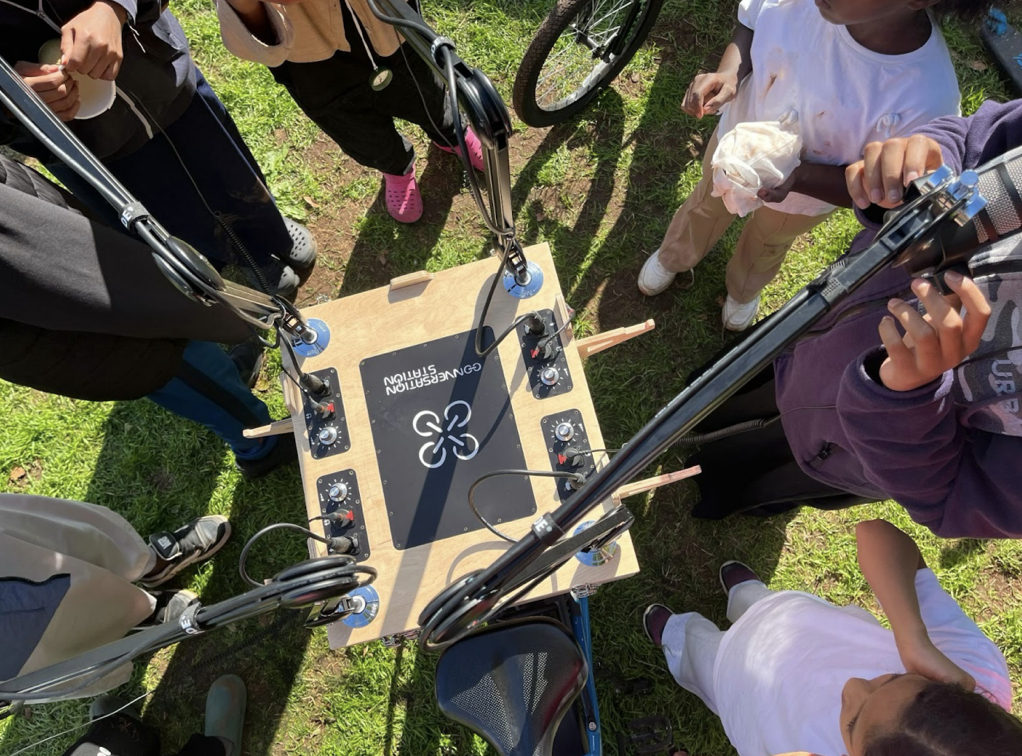
The project engaged with groups such as Bristol Somali Youth Group, Barton Hill Activity Club and Lawrence Hill Neighbourhood Forum – photo: Bristol Civic Observatory
The council introduced the East Bristol Liveable Neighbourhood in October 2024 as a trial and is currently deciding whether it will be made permanent, with an outcome expected in spring.
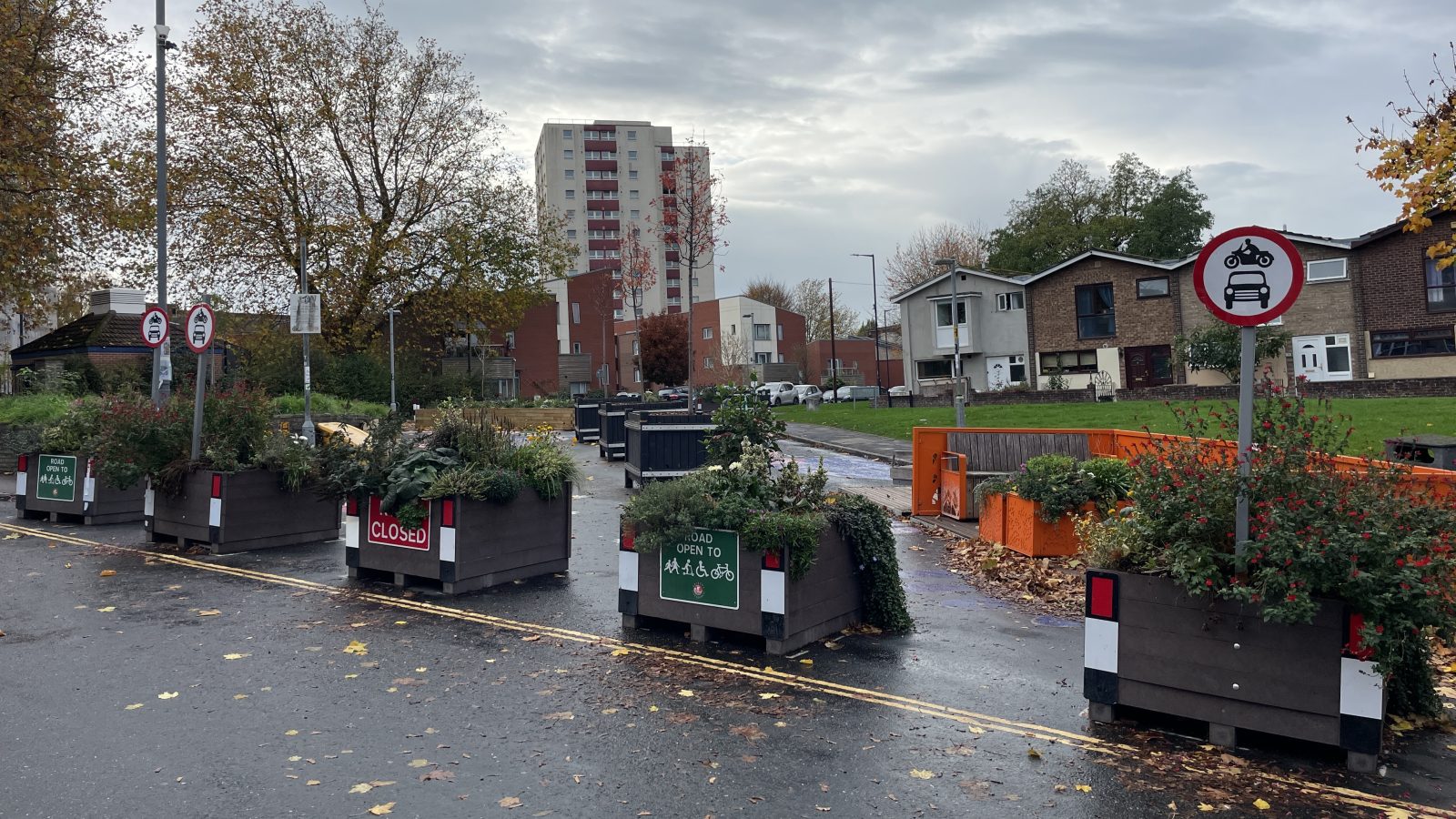
The scheme’s vision is to reduce traffic and improve air quality in Barton Hill, Redfield and St George by creating no-through roads for private vehicles, alongside other measures.
Exhibited publicly at Watershed on Saturday, the council-commissioned installation showcased a range of views, both positive and negative, about the scheme.
Critics mentioned increased traffic on main roads, negative impacts on Disabled people, longer car journeys and a lack of community consultation.
Residents who spoke positively raised cleaner air, quieter roads and school streets, increased safety for cyclists and pedestrians and a feeling of greater connection to nature.
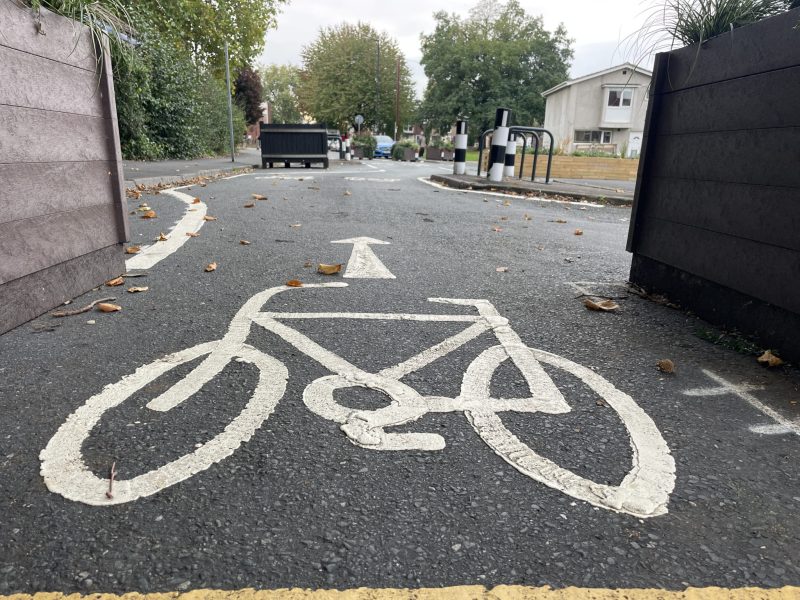
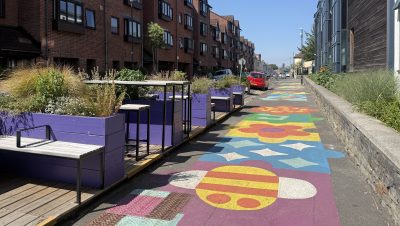
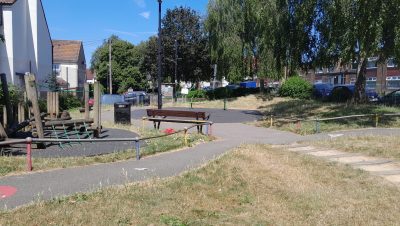
The scheme has rolled out measures such as bus gates, planters, bollards and pocket parks in parts of BS5– photo: Betty Woolerton
Bristol Civic Observatory is a project enabled by Greengage and funded by EU Horizon and UK Research and Innovation.
It worked with other organisations including Knowle West Media Centre and UWE Bristol, as well as artist Nik Rawlings, aiming to bring “restorative” practices to neighbourhood planning.
Annali Grimes, who worked on the project, said: “Bristol City Council were aware that they needed to and re-engage with the communities that felt left behind and not considered in former consultation, so we went into the communities and spoke with many different groups.”
“The observatory idea is about centering marginalised voices to input into policy making.”
The installation is being exhibited at Wellspring Settlement on Tuesday.
Main photo: Bristol Civic Observatory
Read next:
 Our newsletters emailed directly to you