News / University of Bristol
Smaller building at new university campus might never be built
Major changes to the University of Bristol’s new Temple Quarter Enterprise Campus have been proposed.
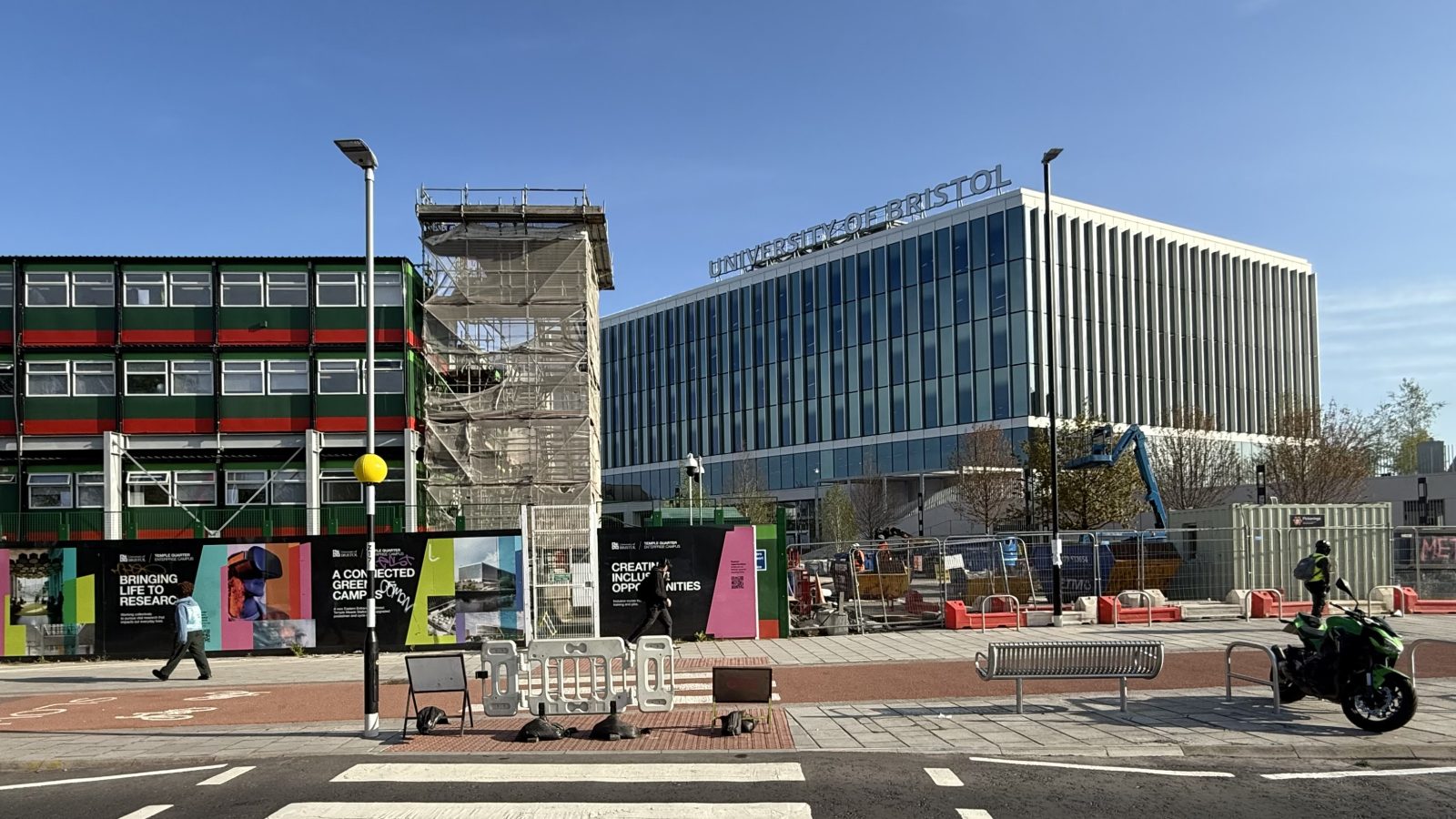
The main building is nearly complete and set to open in September along with the new eastern entrance to next door Temple Meads.
But soaring costs in the construction industry have forced the university to reconsider when – or even whether – to build the smaller of two buildings, which would be used as offices and administration space for staff.
is needed now More than ever
Instead, the university is now applying for temporary planning permission to use that area for outdoor events and exhibitions.
However, this ‘temporary’ consent could last for as many as 15 years, up to five times longer than is usually allowed for interim permission.
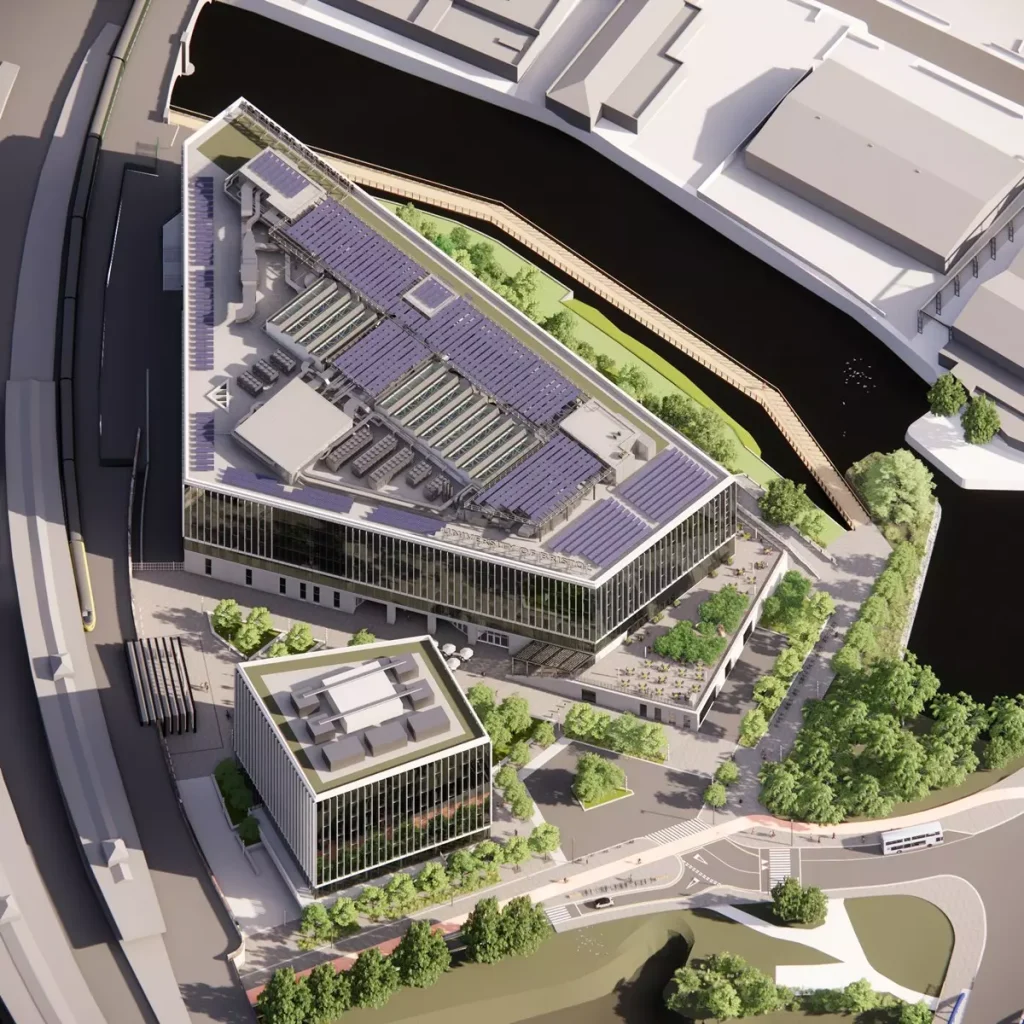
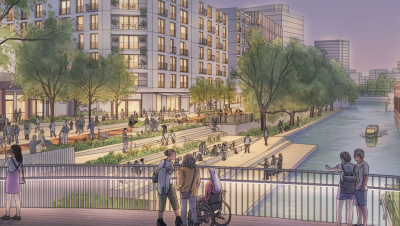
The smaller building is due to be built facing Cattle Market Road on the site of the former Cattle Market Tavern – image: Feilden Clegg Bradley Studios
In planning documents to Bristol City Council, the university’s agents said no work had started yet on the second building and that the land was being used as the construction compound for the main building.
They said that because the project was under way, consent remained lawful “at a future point” for the other block, referred to as CM2.
“However, UoB is not yet in a position to move forward with the construction of CM2,” the agents said.
“Accordingly, there is a desire to make best use of the land in the intervening period through the delivery of a ‘meanwhile use’.
“Bringing forward the proposed meanwhile use would ensure that efficient use of the land would be achieved rather than leaving it unfinished or cordoned off through hoarding or heras fencing.
“The meanwhile use is proposed to involve the creation of an area of open public realm which could be utilised by UoB for such things as ad-hoc events or temporary installations.
“When events are not being held, the space will serve as public realm with seating steps, bench seating with attractive landscaping and planting areas.”
The agents added: “The proposals seek to make efficient use of the land approved for CM2 in the intervening period whilst a decision is made on when to construct the building.
“For the avoidance of doubt, CM2 remains implementable at a future point in time by virtue of the permissions having been implemented, which therefore remain extant.
“The meanwhile use would principally comprise an area of public realm with associated landscaping, street furniture and tree planting.
“It is proposed that the main open area is used to host ad-hoc events or temporary installations, such as ‘Freshers’ Week’ and other events within the UoB calendar, with the potential for use by local community groups.
“This application is seeking temporary planning permission for a period of up to 15 years for the meanwhile use.
“It is understood that temporary permissions are usually granted for periods of circa three to five years.
“However, a longer period is sought to provide UoB with sufficient time within which to consider timescales for the development of CM2, whilst also accounting for fluctuations in build costs and the property market generally.
“This would ensure that the land still serves a purpose for staff, students and the local community, and is not simply cordoned off or left behind heras fencing for an unknown period.
“It would be regrettable to have an undeveloped, unattractive parcel of land immediately adjacent to the new key important building and thoroughfare within Bristol city centre.
“The proposed meanwhile use would serve to provide an attractive, appropriate and compatible use of the land for the intervening period.
“As a meanwhile use, the application would not be seeking to formally change the use of the land in planning terms.
“However, it would essentially be serving as an extended area of public realm/multi-use area.”
Agents said the request for a 15-year permission reflected “current uncertainties around considerations such build costs, establishing UoB’s need for additional floorspace, and changes to both the property market and higher-education”.
They added that temporary permission “would not replace or negate the extant planning status”.
Main photo: Martin Booth
Read next:
 Our newsletters emailed directly to you