News / youth unemployment
Lifting a ‘lost generation’
A recent event brought together leaders of the city from business, education and the public sectors for a discussion on the growing youth unemployment in the UK, especially in the age group of 16 to 24.
The event, The Society of Merchant Venturers’ Next Generation Employment, followed the recent publication of the Milburn Report on why a disproportionately large number of people aged 16 to 24 are not in education, employment or training (NEET).
In his 217-page report, the former cabinet minister turned social mobility advisor, called the current situation in NEET not just an economic crisis but a “moral” one as over 1m young people fall into this bracket.
is needed now More than ever
Milburn wrote: “That is a moral crisis. It has economic consequences. Every month a young person spends detached from education or work adds cost. Cost to them, above all else. To their confidence. Their health. Cost to their future income.”
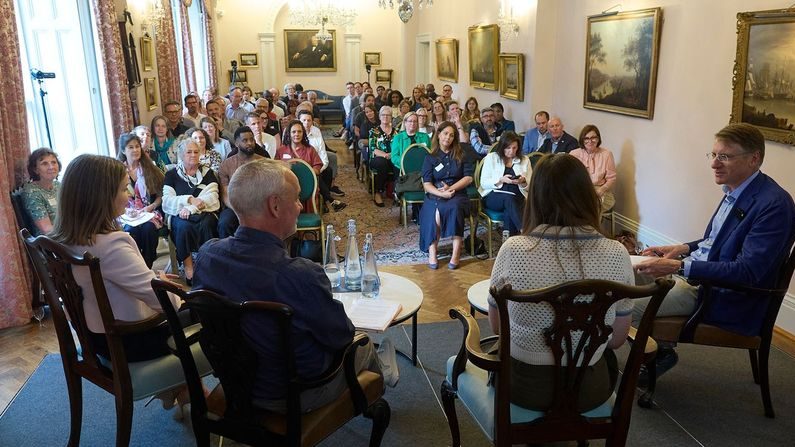
The event started with a discussion between Helen Godwin, mayor of West of England and Charlie Mayfield, former chair of the John Lewis Partnership and author of the UK Government’s Keep Britain Working white paper – photo: The Society of Merchant Venturers
The conference, which was held at Merchants Hall, had the guest speakers Helen Godwin, mayor of the West of England and Charlie Mayfield, former chair of the John Lewis Partnership and author of the UK Government’s Keep Britain Working white paper.
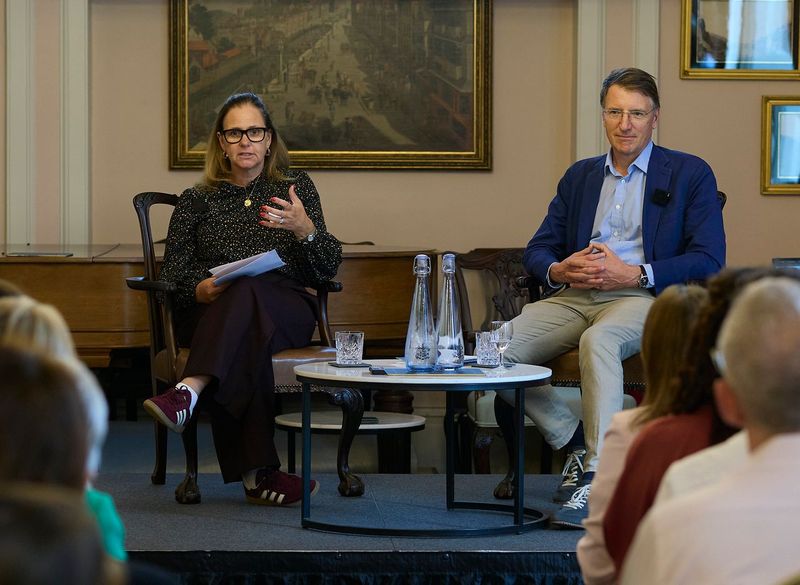
The second half of the event consisted of a panel discussion, chaired by Mayfield which included Julia Gray, principal of City of Bristol College; Carmen Peacock, South West chair of the CBI; and Andy Bamford, founder and chief executive of PointZeroGroup and chair of the Bristol24/7 board.
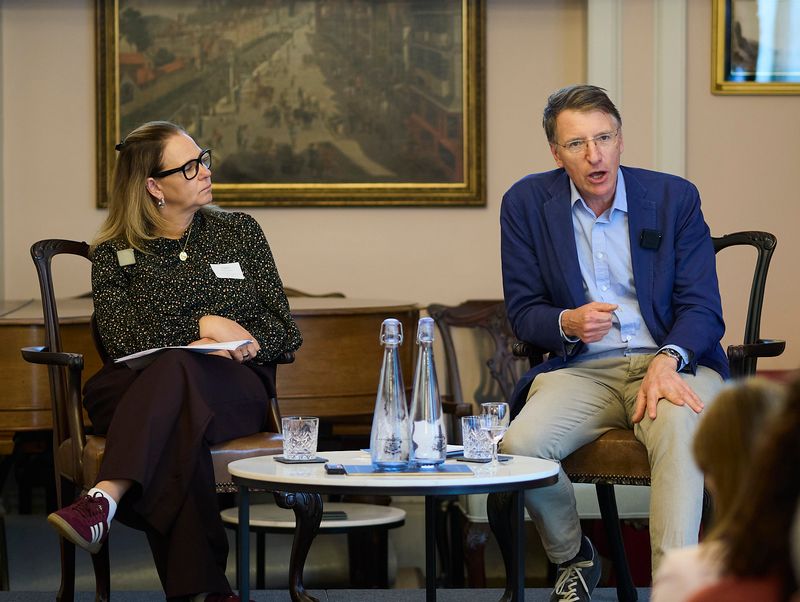
“Engaging and mobilising people at a local level is absolutely crucial,” said Charlie Mayfield – photo: The Society of Merchant Venturers
Both Godwin and Mayfield highlighted the importance of a “joined-up support system” and earlier intervention to address inequality.
Milburn’s report highlights how six in ten young people who are NEET have never had a job and many are facing barriers in entering the workplace.
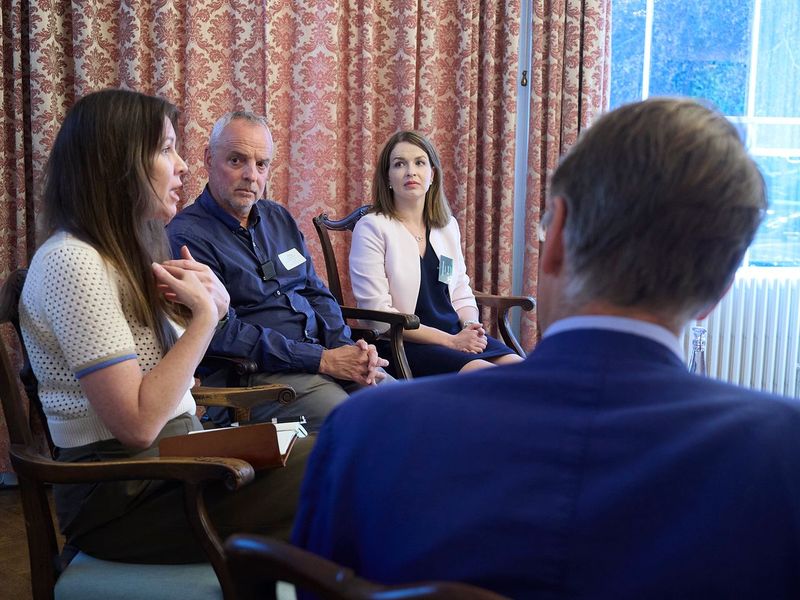
The panel discussion, chaired by Charlie Mayfield, had Julia Gray, principal at City of Bristol College; Andy Bamford, founder and chief executive of PointZeroGroup and chair of the Bristol24/7 board; and Carmen Peacock, South West chair of the CBI – photo: The Society of Merchant Venturers
The discussion pointed out how a “one-all” would not be effective as each NEET case is unique.
Godwin said: “Young people need to know their value to the future of not only the region, but the country.”
She highlighted the importance of ensuring that pathways into education, training and employment are visible, accessible and attainable for every young person, regardless of background or ability.
She asked organisations to consider how they could play a more active role in opening doors and creating opportunities.
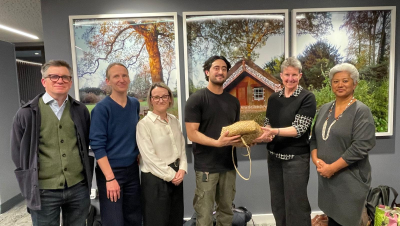
Mayfield, who earlier in the day visited 224 Youth Zone in Hartcliffe, met Matt Justice, chief executive of the organisation and Heather Frankham, chair of the board of trustees.
He lauded the efforts of the youth centre in south Bristol in its attempt to be a part of the solution by working with young people.
224 Youth Zone, which will open at the end of June, is expected to cater to some 5,000 young people in south Bristol and beyond.
Mayfield added: “Engaging and mobilising people at a local level is absolutely crucial.”
The discussion also pointed to how prevailing problems, such as transport and connectivity could also precipitate the problem.
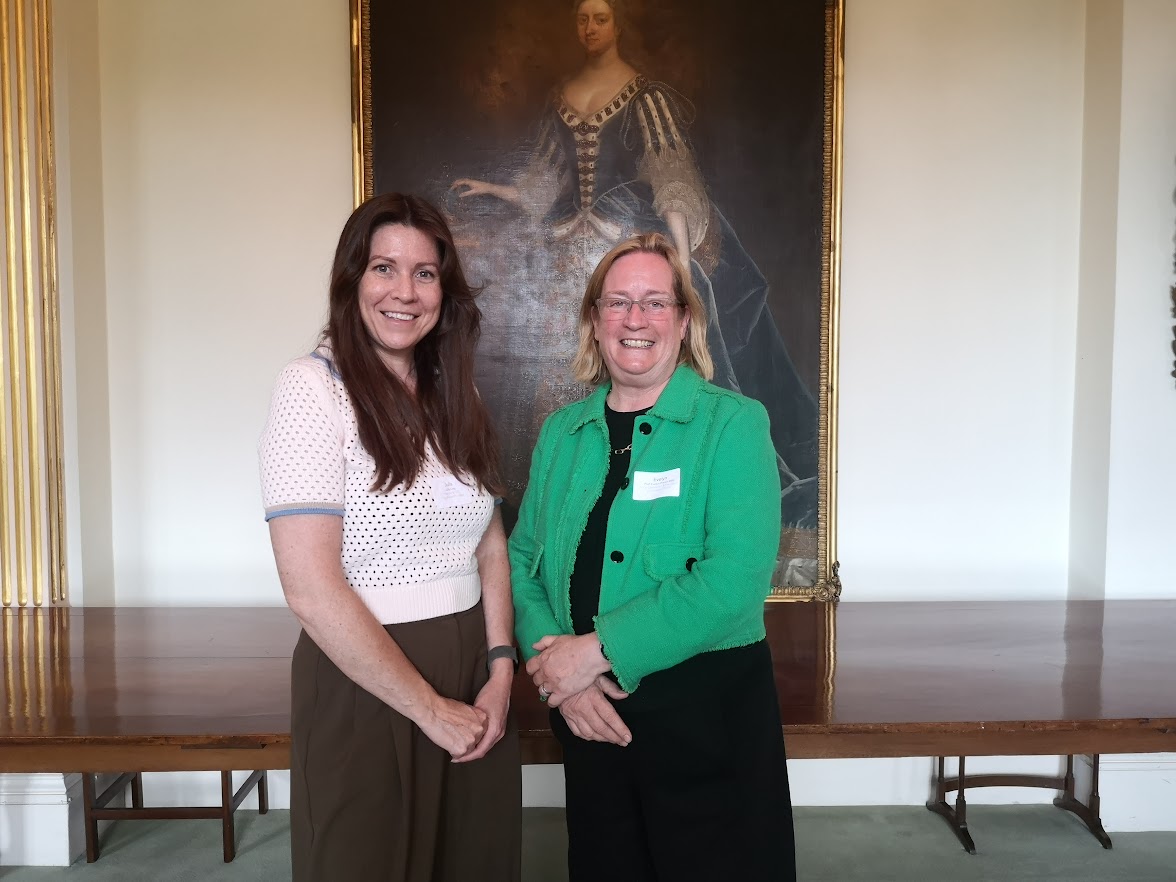
Julia Gray, principal of the City of Bristol College and professor Evelyn Welch, vice-chancellor at the University of Bristol represented the educational institutions of the city for the event – photo: Milan Perera
The event was attended by organisations representing education, charity and business, which included the University of Bristol, City of Bristol College, 224 Youth Zone, Community of Purpose, Babbasa, BBRC, Ablaze, Young Bristol, Empire Fighting Chance, Bristol City Council, Bristol Airport, Bristol Beacon, Bristol Old Vic, Lloyds Bank, TLT, Osborne Clarke, Deloitte, NatWest Group, Not Impossible and British Business Bank.
The panel discussion talked about the existing difficulties in the labour market with slower rate of job creation and dwindling number of apprenticeships, due to issues faced by businesses across the board.
The panel also discussed how mental health problems among young people as a result of not being in education or work affect them talking up new jobs even when the opportunities arise.
Andy Bamford said: “If you’re an employer who can offer something to young people, raise the bar beyond providing interview practice or help writing a CV – provide a real job opportunity and create the environment for that young person to thrive.”
It was agreed that the education providers in the city have a huge part to play in finding solutions to the crisis.
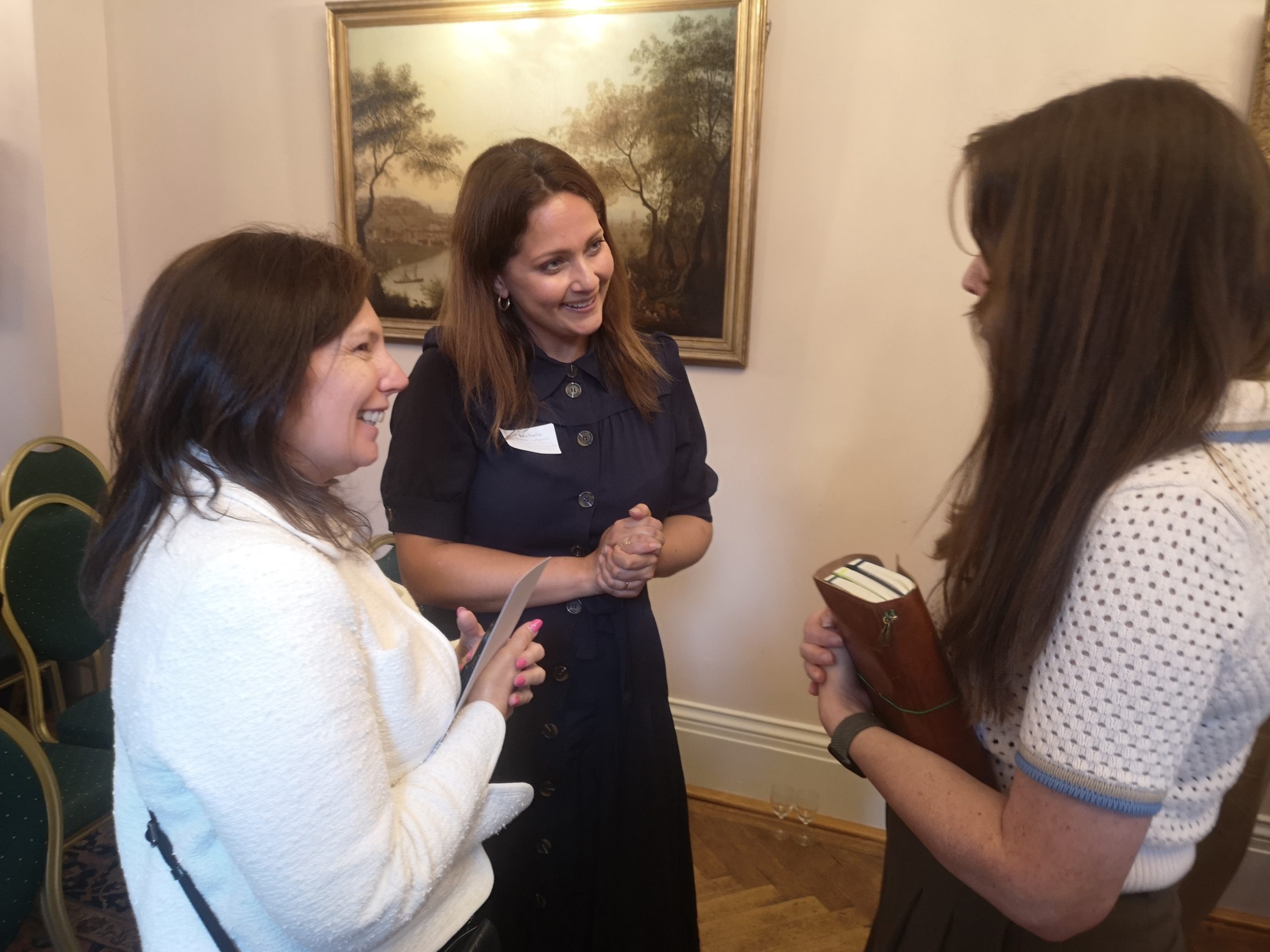
Heather Frankahm, Michelle Graffagnino and Julia Gray during the event – photo: Milan Perera
Speaking to Bristol24/7, professor Evelyn Welch, vice chancellor at the University of Bristol, said: “So, there is a real challenge around the million plus young people in the UK who are not in education, employment or training.
“We are part of a system, and we need to be part of the solution. Firstly, we’re major employers, we employ almost 10,000 people in the region, and we need to lean into our responsibility there.
“But secondly, we’re part of an educational system where we need to make sure that opportunity never ends, the people see whether they want to go and do qualification in one of our micro campuses, either at Barton Hill or Hartcliffe, that gives them a taste or flavor of what coming into higher education could do to them.”
Julia Gray, principal of City of Bristol College, said: “We have to be able to provide cohesive solutions that all young people can access, so they have to be able to see pathways that allow them to progress into the workplace, and also understand what the various careers are that are available to them.
“There’s a lot that we can do. We just need to make it happen between us. Fortunately, we have really good working relationships across the region, so we can make that happen.”
The micro campuses in the city were highlighted as a means of “bridging the gap” in education, where institutions work closely with communities rather than “parachuting in”.
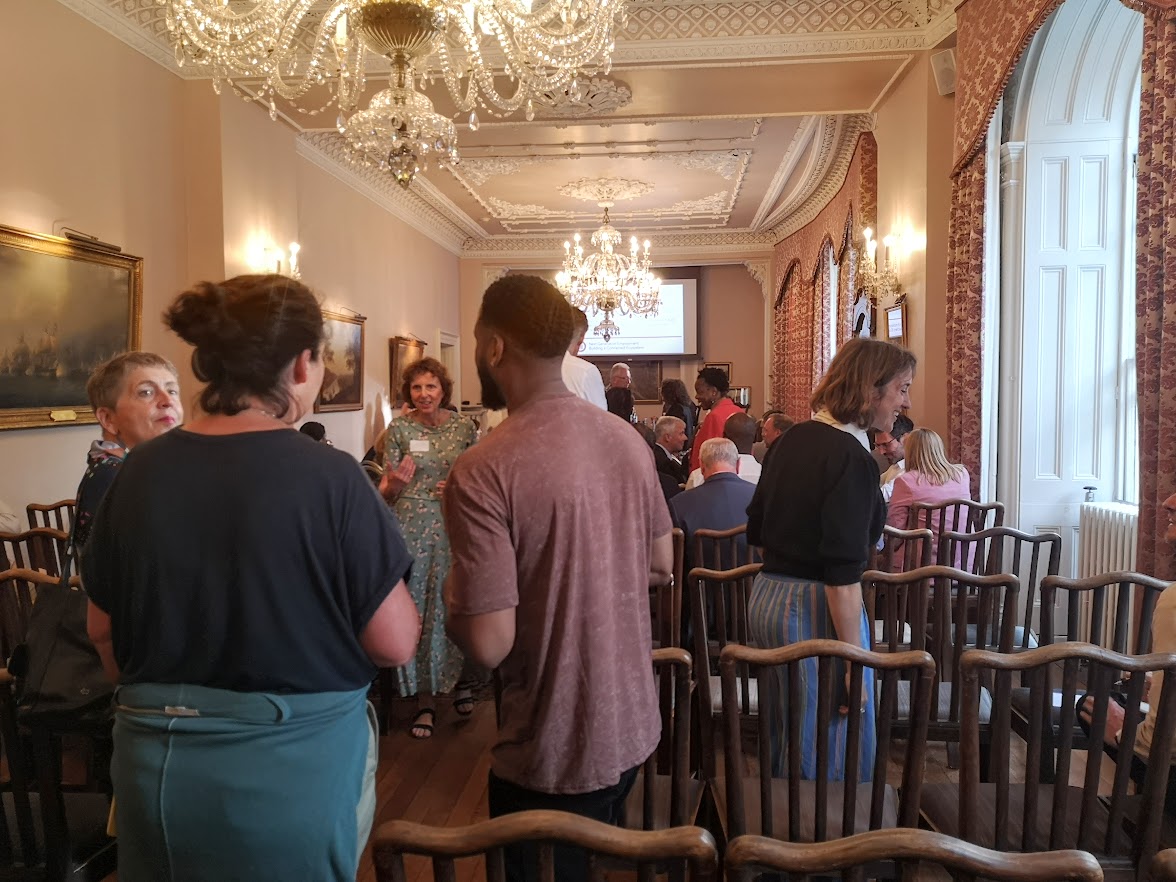
The event was attended by the representatives of the city’s education, business, charity and social sectors – photo: Milan Perera
The accredited courses are expected to provide a springboard for either entering into the university system or taking a career path with newly-gained skills.
Michelle Graffagnino, micro-qualification lead at the Hartcliffe and Withywood micro campus, said: “ The first initiative is to listen to the people to find out what they need and how we can support them and and direct them to a pathway and I think that’s the really important thing links to tonight’s event with the ecosystem that we co design.
“We don’t just parachute in and believe that we’ve got all the answers and solutions, but actually we listen, we find out the needs, and then we meet those needs, and we support the individuals through and beyond the initiative. That’s really important.”

A recent event brought together leaders of the city for a discussion on the growing youth unemployment in the UK – photo: Milan Perera
Hannah Woodhouse, executive director of the children and education directorate for Bristol City Council, added: “The Report highlights a significant challenge and it’s encouraging that tonight we have an event packed with people who are invested in young people and their futures. We must be positive and optimistic about the way forward.”
Main photo: The Society of Merchant Venturers
Read next:
 Our newsletters emailed directly to you