News / Homes
Council-backed housing scheme breaks ground
Construction has officially begun on Baltic Wharf, a major new harbourside neighbourhood built by Goram Homes, the development arm of Bristol City Council.
The scheme is expected to deliver 166 homes to Bristol’s Spike Island, with 40 per cent designated as affordable housing.
This includes 50 homes for social rent and 16 for shared ownership, all to be owned and managed by Sovereign Network Group (SNG).
is needed now More than ever
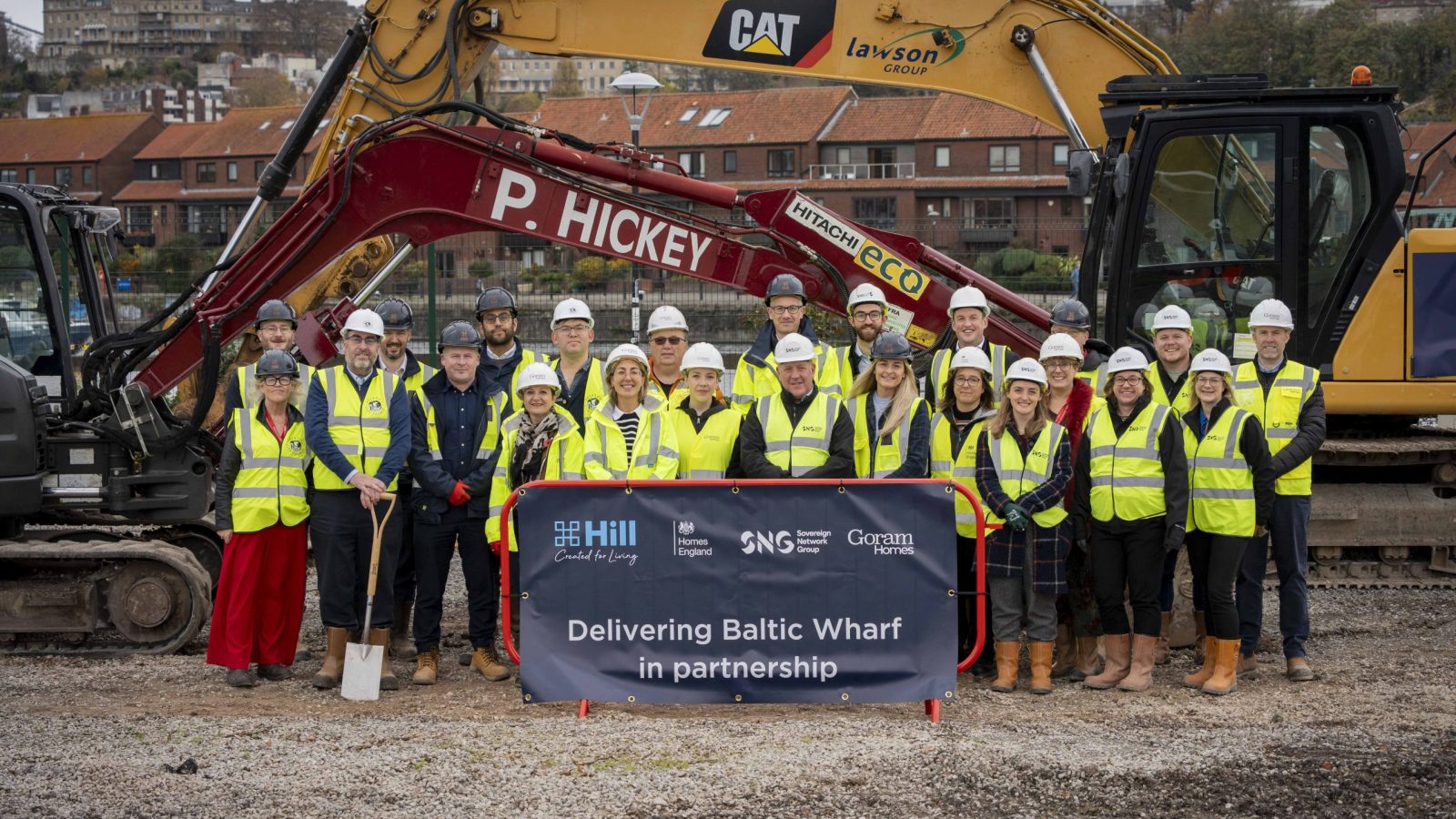
A groundbreaking event was attended by Tony Dyer, leader of Bristol City Council and Barry Parsons, chair of the homes and housing delivery committee, alongside colleagues from the council and representatives from Hill Group, Goram Homes, SNG and Homes England.
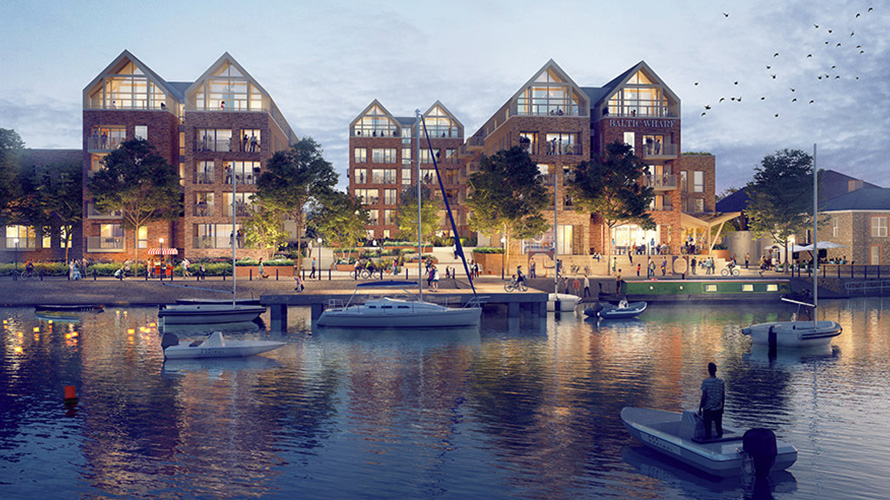
The scheme is expected to deliver 166 homes to Bristol’s Spike Island, with 40 per cent designated as affordable housing – photo: Goram
Parsons said the “homes will be for everyone, not just the wealthy”.
He said: “These will be homes for everyone, not just the wealthy, giving people the chance to build their lives together right in the heart of Bristol.
“And this is only happening because we’re working together to build affordable and social rent homes.
“The groundbreaking brings us a step closer to delivering much-needed new and affordable homes that Bristol urgently requires. This milestone is a great example of what can be achieved through strong collaboration.”
“Together, the council, Goram Homes, and The Hill Group are transforming a challenging brownfield site into a vibrant new neighbourhood, right in the heart of our city.”
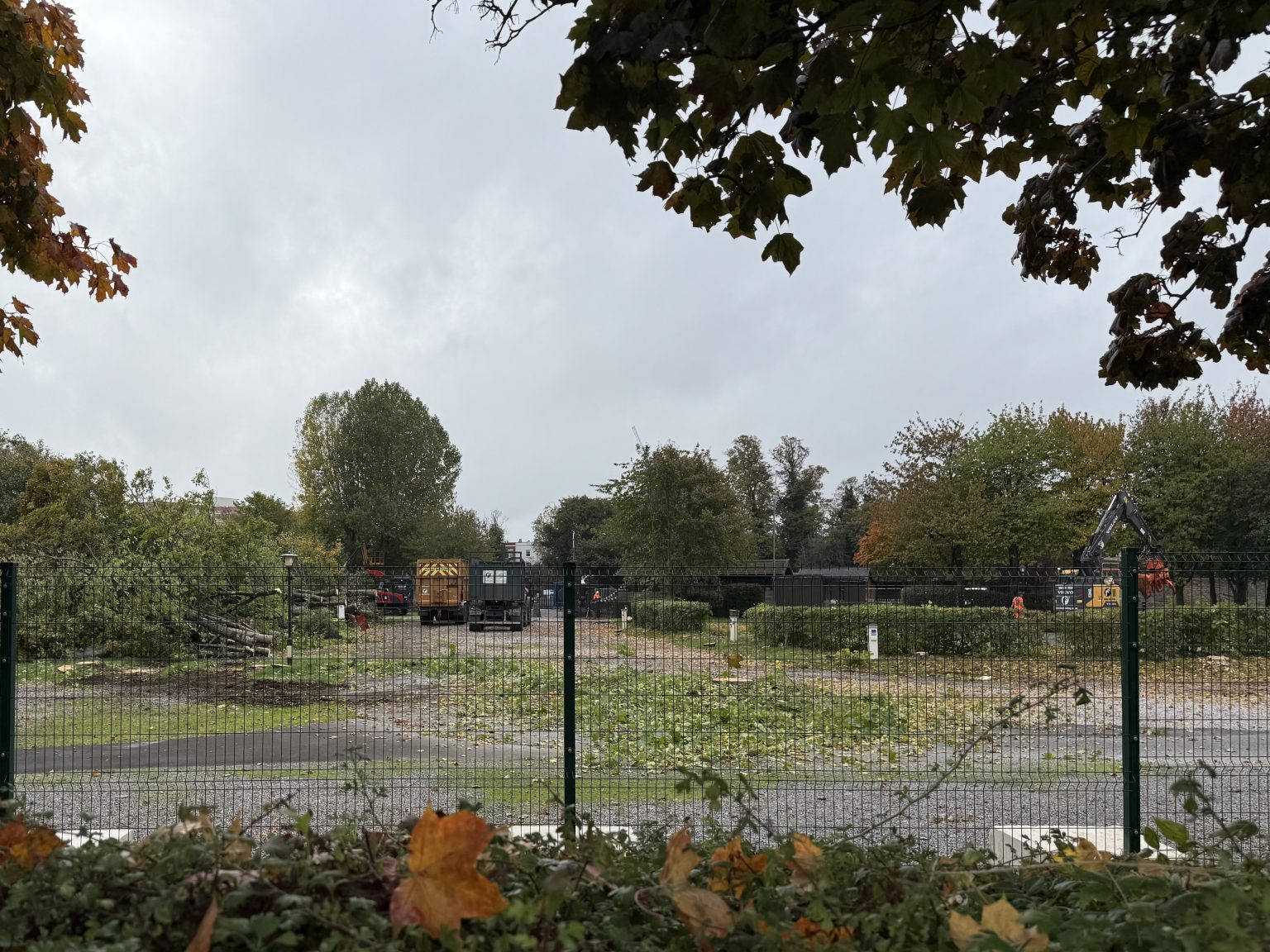
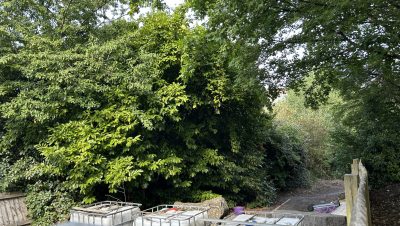
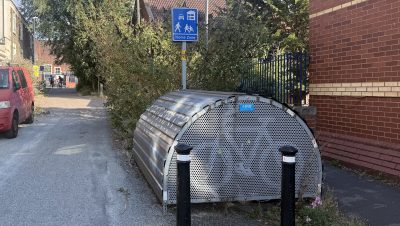
While supportive of affordable housing, many residents questioned whether new homes could be delivered without felling mature trees – photo: Martin Booth
The development is expected to transform a previously closed-off section of the harbourside into a new public neighbourhood featuring apartments, landscaped green spaces, commercial units, a cafe and improved pedestrian links reconnecting the River Avon and Floating Harbour.
However, the scheme is not without its critics, with some environmental groups and local residents raising concerns over the removal of trees and green space.
While supportive of affordable housing, they questioned whether new homes could be delivered without sacrificing mature trees or existing neighbourhood infrastructure.
The city council defended the tree removal, noting that many of the trees were in poor condition or inaccessible on the former caravan site.
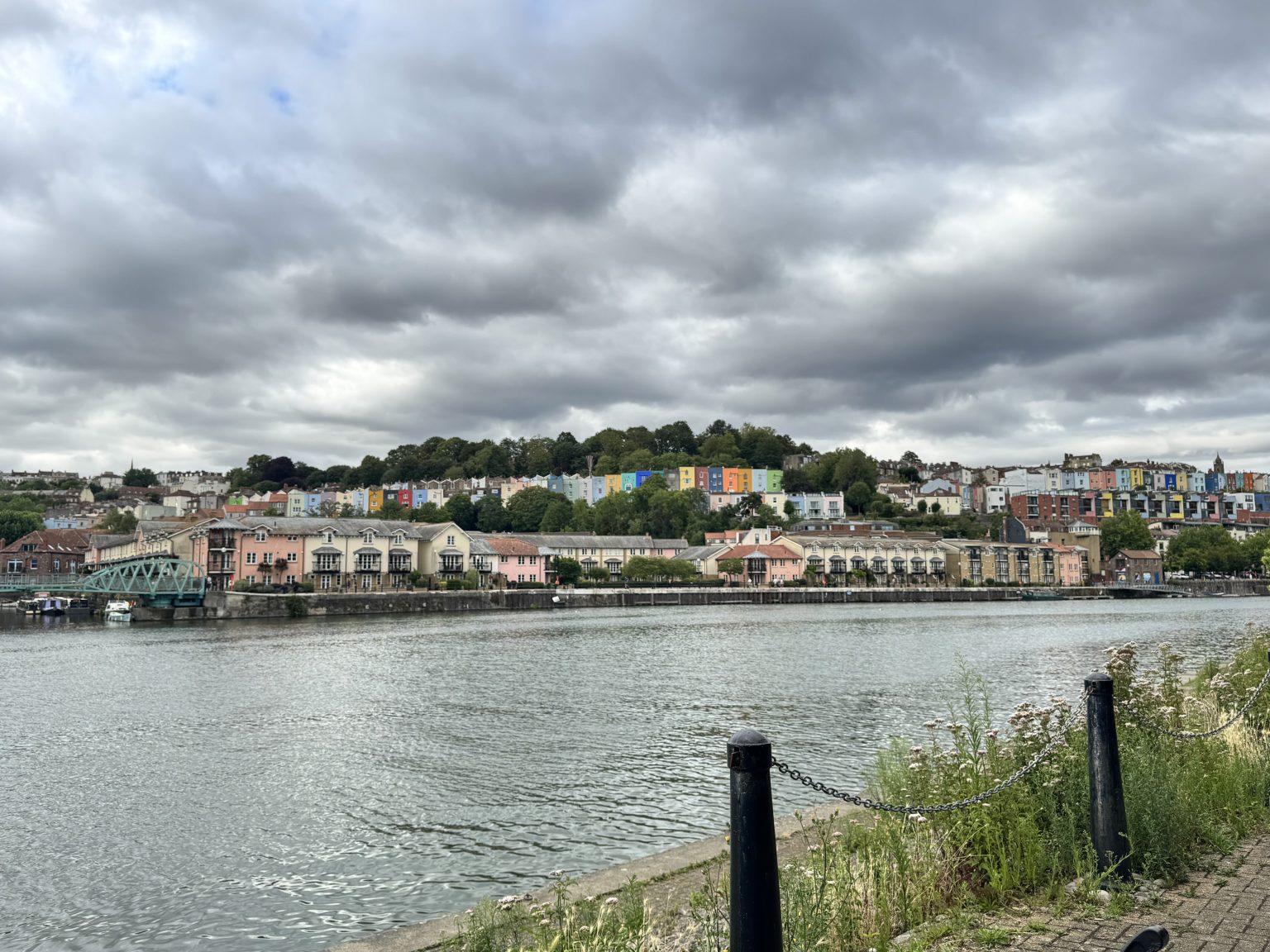
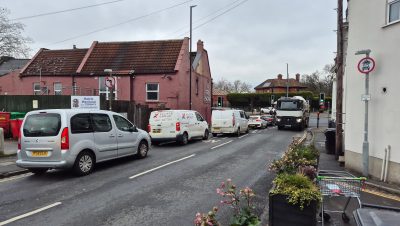
The view from Baltic Wharf – photo: Hannah Massoudi
They also highlighted that the development will deliver homes for some of the 22,000 households on Bristol’s waiting list, with more than 150 new trees to be planted.
The houses will feature green roofs, air-source heat pumps, solar PV panels and extensive cycle storage.
Stephen Baker, managing director of Goram Homes, said: “Baltic Wharf demonstrates that with an innovative approach, there are solutions for addressing Bristol’s housing crisis even in the very heart of the city.”
Rob Melling, regional director at The Hill Group, added that the project will provide low-carbon homes while opening up a long-closed stretch of the harbourside for local people.
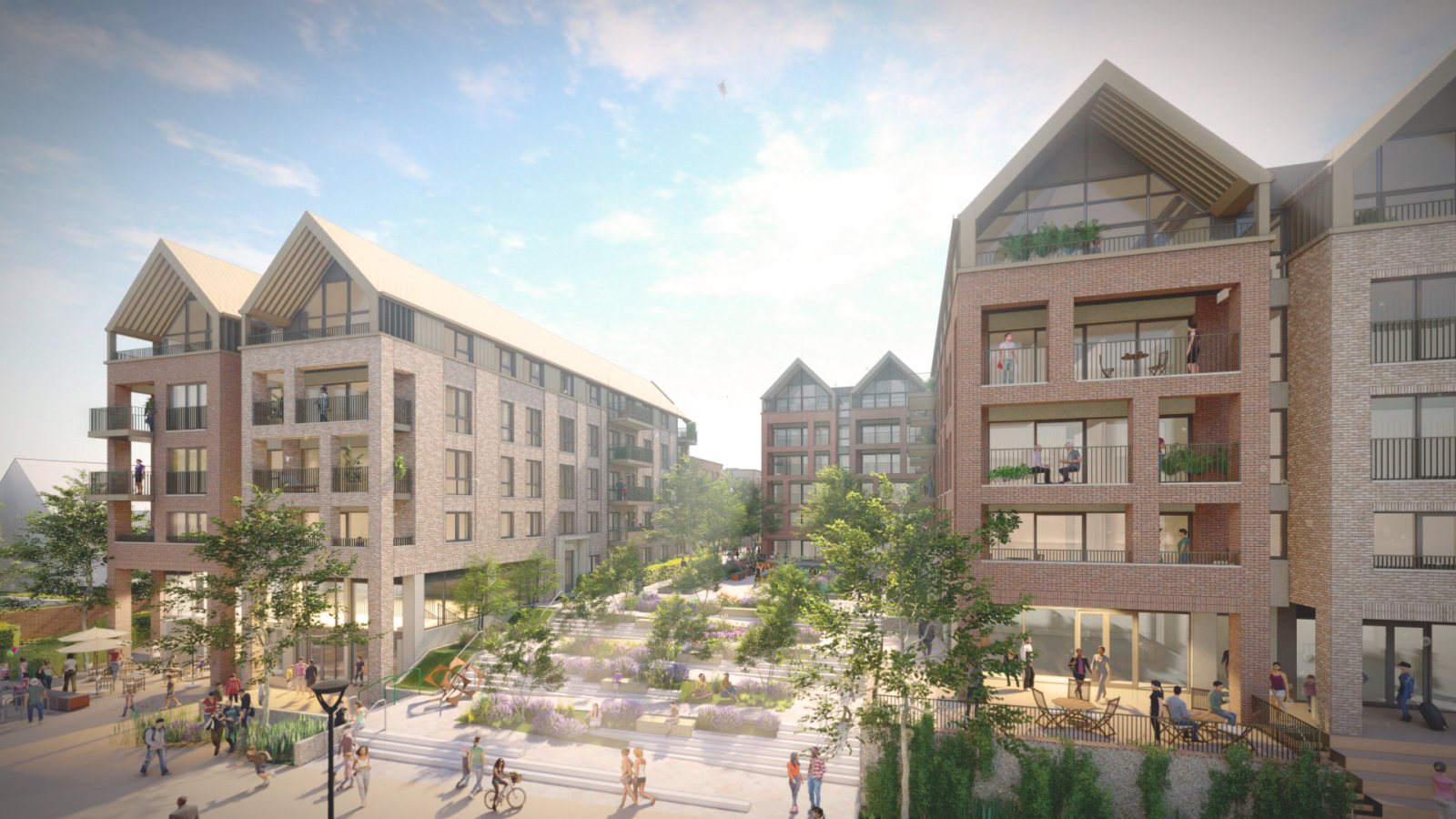
Hill Group will deliver the project with Goram Homes, the city council’s development arm – photo: Goram
Supported by a £2.4m Brownfield Land Release Fund grant, the first homes at Baltic Wharf are expected to be completed by spring 2027.
Main photo: Goram Homes
Read next:
 Our newsletters emailed directly to you