Motoring / Advertising Feature
A Practical Checklist for Buying a Second-Hand Car in Bristol
Navigating the bustling automotive market in the South West can feel like a daunting task, especially with so many options scattered from the city centre to the outskirts of Filton. Whether you are looking for a compact hatchback to navigate the narrow streets of Clifton or a sturdy SUV for family trips across the Mendips, finding a reliable second-hand vehicle requires a bit of local know-how. The used car market is currently thriving, but it’s essential to approach every potential purchase with a clear strategy to ensure you don’t end up with a costly mistake.
While it’s tempting to rush into a deal because the paintwork looks shiny under the forecourt lights, a methodical approach is the only way to protect your investment. Bristolian drivers have a wealth of choice, ranging from small independent lots to massive supermarket-style outlets. By keeping a cool head and following a structured set of checks, you can filter out the duds and focus on vehicles that offer genuine longevity and performance.
Now let’s get into how to distinguish between a bargain and a burden, and why choosing the right seller makes all the difference.
is needed now More than ever
Choosing Between Private Sales and Dealerships
When searching for your next ride, you’ll likely come across plenty of private listings on social media or local classifieds. While private sales sometimes offer a slightly lower sticker price because the seller doesn’t have the overheads of a physical site, they come with significant risks. In a private transaction, you have very little legal recourse if the engine fails a week later. It’s essentially a ‘sold as seen’ situation, which can be a gamble if you aren’t an expert mechanic yourself.
On the other hand, visiting established used car dealers in Bristol provides a much higher level of consumer protection. Under the Consumer Rights Act 2015, vehicles sold by a trader must be of satisfactory quality, fit for purpose, and as described. Most reputable dealers will also perform a multi-point inspection before the car even hits the lot, often providing a three-month warranty as standard.
This peace of mind is usually worth the small premium in price, especially when you consider that dealers can often help you arrange finance or take your old vehicle as a part-exchange.
Spotting True Value for Your Money
A car might look like a steal, but the value isn’t just the number on the window. To figure out if you’re getting a fair deal, you should compare the car against similar models online. If a price seems suspiciously low, it’s often because there’s an underlying issue, such as a lack of service history or a high number of previous owners. A car that’s been well-maintained will always be a better investment than a neglected one that’s priced a few hundred pounds cheaper.
Mileage per Year
Check the mileage against the car’s age. The UK average is roughly 10,000 to 12,000 miles per year. A vehicle with significantly higher mileage might need expensive components replaced sooner, such as the cambelt or clutch. Conversely, a very low-mileage car that’s spent years sitting idle in a garage might have perished rubber seals or battery issues. Always ask the dealer for the service book to see if the maintenance has been carried out at the correct intervals.
The Essential Inspection Points
Before you sign any paperwork, you should carry out a thorough physical inspection. Don’t be afraid to get your hands a bit dirty or ask the salesperson questions about the car’s history. Here’s what you should focus on:
- Bodywork and Tyres: Look for inconsistent panel gaps or mismatched paint colours, which could indicate previous accident repairs. Check that all four tyres have at least 3mm of tread for safety.
- The Interior: Test every single button. It’s better to find out if the air conditioning or the electric windows don’t work before you leave the dealership.
- Under the Bonnet: Look for signs of leaks or ‘mayonnaise’ under the oil cap, which can signal a head gasket failure.
- The Test Drive: Listen for any knocks or rattles over bumps. Ensure the car doesn’t pull to one side when you brake and that the gears change smoothly.
Verifying the Paperwork
Documentation is the backbone of any used car sale. You must see the original V5C logbook to confirm the vehicle’s identity and ensure it isn’t a stolen or scrapped vehicle. It’s also a smart move to check the MOT history online using the government’s free service. This will show you exactly what the car has failed on in the past and what ‘advisories’ might need attention in the coming months.
A reputable dealer will usually provide an HPI check, which confirms the car doesn’t have any outstanding finance and hasn’t been written off by an insurance company. If you’re buying from a smaller outfit, it’s worth paying for one of these checks yourself. It’s a small price to pay to ensure you actually own the vehicle once the money has left your bank account.
To Summarise
Buying a second-hand car in Bristol doesn’t have to be a stressful experience if you take your time and do the legwork. By prioritising dealerships over private sellers, you gain the protection of the law and the assurance of a professional inspection.
Remember that a good deal is one where the car is reliable, the history is transparent, and the price reflects its true condition. Once you’ve ticked every box on your checklist, you can drive away with the confidence that your new vehicle is ready for the road.
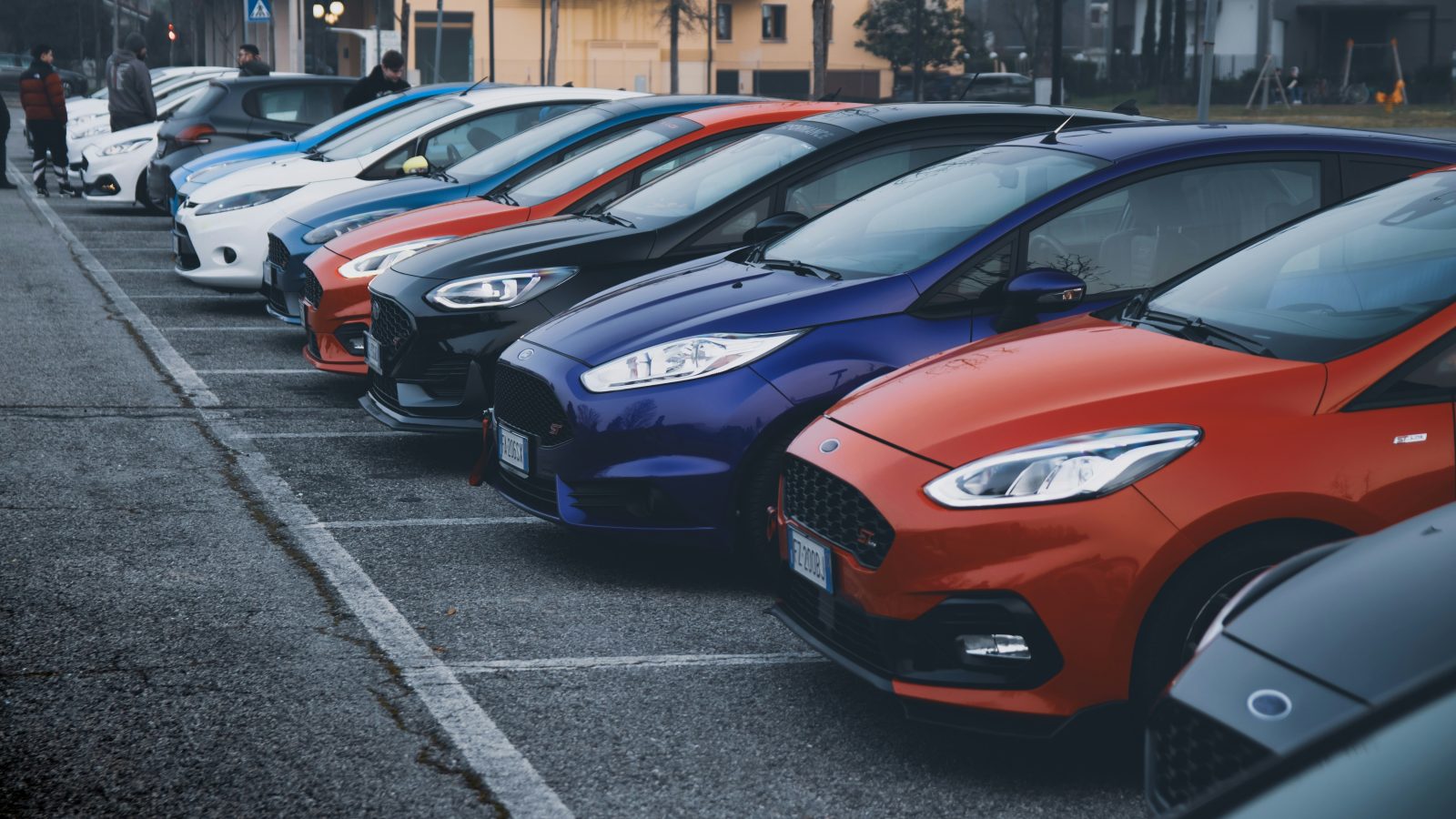
Main image by Francesco Vantini on Unsplash
 Our newsletters emailed directly to you