Motoring / Advertising Feature
Motocross Gear Guide: Choosing the Right Equipment for Safety and Performance
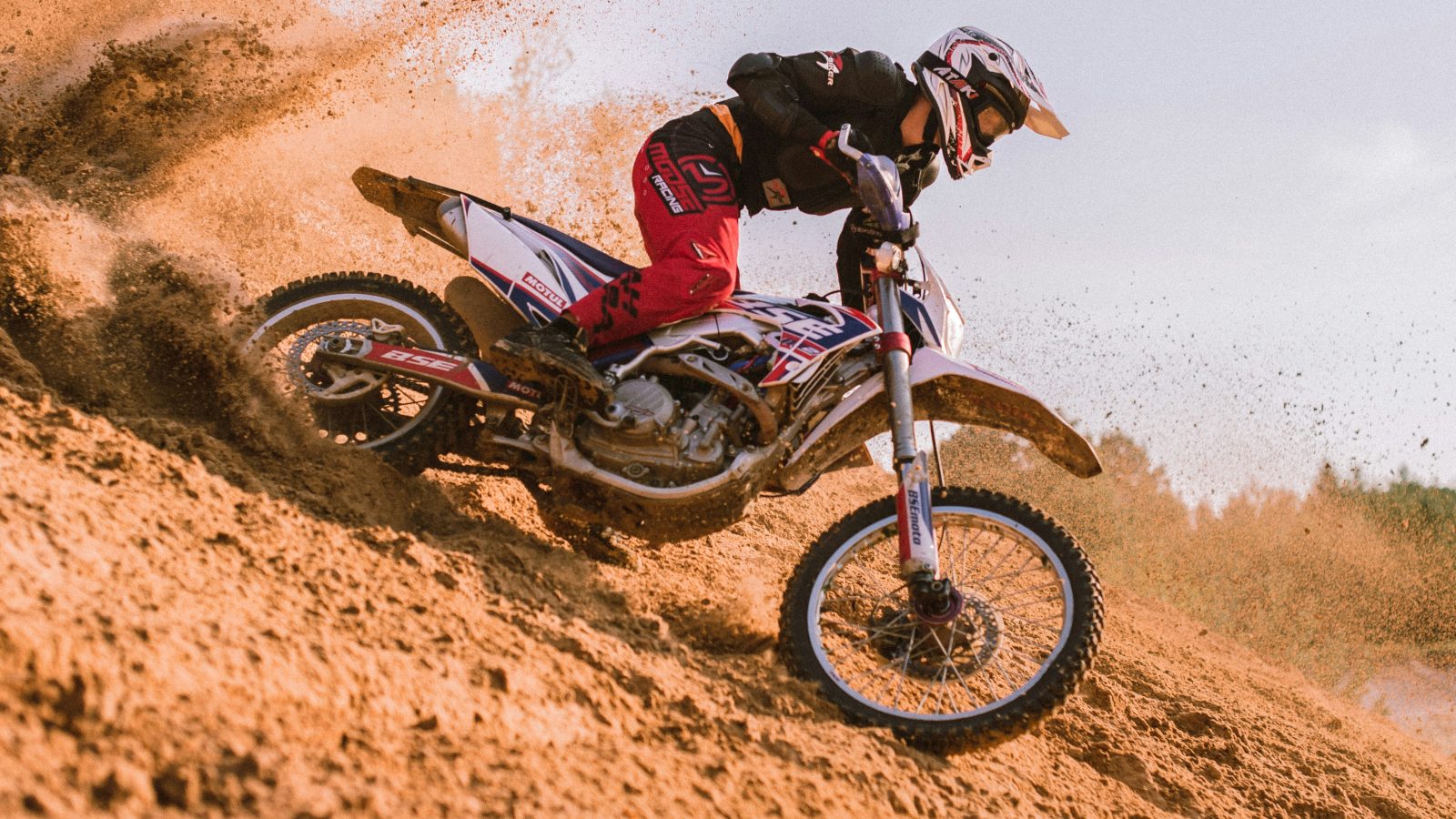
Motocross is fast, physical, and unforgiving. It combines power, balance, and split-second decision-making on unpredictable terrain. The thrill is undeniable, but so is the risk. Every jump, corner, and landing demands control. And control begins long before the engine starts.
The right gear does not just protect you when something goes wrong. It improves your riding when everything goes right. Clear vision sharpens reaction time. Stable boots improve stance. A properly fitted helmet reduces fatigue and distraction.
If you want to ride harder, longer, and safer, your equipment matters. Here is how to choose it wisely.
is needed now More than ever
Why Is a Quality Helmet Non-Negotiable?
Your helmet is the single most important piece of motocross equipment.
A proper motocross helmet is engineered to absorb impact and reduce the force transferred to your skull and brain. Look for recognised safety certifications such as DOT or ECE. These marks confirm that the helmet meets strict testing standards.
Fit is everything. A helmet should feel snug without creating pressure points. It should not shift when you move your head. Too loose and it cannot protect effectively. Too tight and it becomes uncomfortable, especially during long sessions.
Weight also plays a role. Lighter helmets reduce neck strain over rough terrain. Ventilation is equally important. Motocross generates heat, and airflow keeps you focused rather than overheated.
Inspect your helmet regularly. Replace it after any significant crash, even if no cracks are visible. Protective materials degrade over time, so periodic replacement is essential.
How Do Goggles Protect Both Vision and Performance?
In motocross, clear vision is a safety tool.
Dust, mud, small stones, and wind are constant threats. Without eye protection, even minor debris can end a ride instantly. High-quality motocross goggles create a secure seal around your eyes while delivering sharp, undistorted vision.
Lens choice matters:
- Clear lenses work best in low-light or cloudy conditions.
- Tinted lenses reduce glare in bright sunlight.
- Anti-fog coatings help maintain visibility in humid or muddy environments.
Choose lenses based on your usual riding conditions. Ensure the goggles sit comfortably within your helmet opening, with no gaps that allow dirt inside. The strap should be secure but not overly tight.
Good goggles improve depth perception and reaction speed. When you see clearly, you ride confidently.
What Should You Look for in Protective Clothing?
Motocross jerseys and pants are designed not just for style.
They must withstand abrasion while allowing complete freedom of movement. Reinforced stitching and impact zones add durability in high-stress areas. Stretch panels around knees and hips help maintain aggressive riding posture.
Armour can be built in or worn separately. Chest protectors, back protectors, and shoulder guards absorb impact and reduce injury severity during falls.
Breathability is crucial. Overheating leads to fatigue, and fatigue leads to mistakes. Quality gear balances protection with ventilation so you can ride longer without discomfort.
Why Are Gloves Essential for Control and Safety?
Your hands manage throttle, clutch, and brake. Without proper gloves, you compromise control.
Motocross gloves provide grip and protect against impact. Look for textured palms that enhance handlebar control, even in wet conditions. Padding around knuckles shields your hands from debris and minor collisions.
Fit should be snug without restricting movement. Loose gloves bunch up and interfere with feedback from the handlebars.
Inspect gloves regularly. Worn palms reduce grip and safety. Replace them when stitching weakens or material thins.
How Do Boots Protect Your Lower Body?
Motocross boots are built for stability and impact resistance.
They protect ankles, shins, and feet from crushing forces and twisting injuries. Key features include reinforced toe boxes, rigid ankle support, secure buckle systems, and durable soles with proper traction.
Boots should feel firm but not painful. They often require a short break-in period. However, they should not pinch or restrict circulation.
Lower leg injuries are common in motocross. Proper boots significantly reduce that risk.
What Additional Safety Gear Should You Consider?
Beyond the basics, extra protection can make a major difference.
Knee guards protect against impact and awkward landings. Elbow guards reduce joint injuries. Neck braces help stabilise the cervical spine during high-impact crashes. Chest protectors add reassurance for aggressive riders.
Lightweight gear may suit casual trail riding. Competitive or high-speed riding demands heavier protection.
Assess your riding style honestly. Match protection to intensity.
How Does Proper Fit Influence Performance?
Even premium gear fails if it fits poorly.
Loose armour shifts during crashes. Ill-fitting helmets cause distraction. Oversized gloves reduce throttle control. Each piece should feel secure and integrated with your body.
Try gear on before purchasing whenever possible. Move in it. Bend, crouch, simulate riding posture. Comfort is not luxury. It directly affects concentration and mobility.
When your gear fits correctly, you stop noticing it. That freedom improves both safety and performance.
When Should You Maintain or Replace Your Gear?
Motocross gear faces serious wear and tear.
After every ride:
- Clean off mud and debris.
- Allow gear to air dry naturally.
- Inspect for cracks, loose stitching, or weakened straps.
Replace items that show structural damage. Helmets should always be replaced after heavy impact. Goggles with scratched lenses reduce visibility and should be updated.
Investing in high-quality gear often pays off in durability and protection. Cutting corners on safety rarely ends well.
Conclusion
Motocross rewards preparation. The right equipment protects you during crashes and supports performance during every lap.
A certified helmet protects your head. Reliable goggles preserve vision. Protective clothing and armour shield your body. Gloves maintain control. Boots stabilise your stance. Additional gear enhances safety when riding intensity increases.
As your skill level evolves, review your gear regularly. Upgrade when necessary. Replace worn equipment without hesitation.
When your equipment works with you, not against you, you ride with clarity, confidence, and control. In motocross, that difference matters every single time you hit the track.
Photo by Alina Rubo on Unsplash
 Our newsletters emailed directly to you