News / Tech
Uni researcher develops digital tool to help people with anxiety disorders
A researcher at UWE Bristol has developed a new digital tool designed to help people better manage anxiety disorders using existing wearable devices.
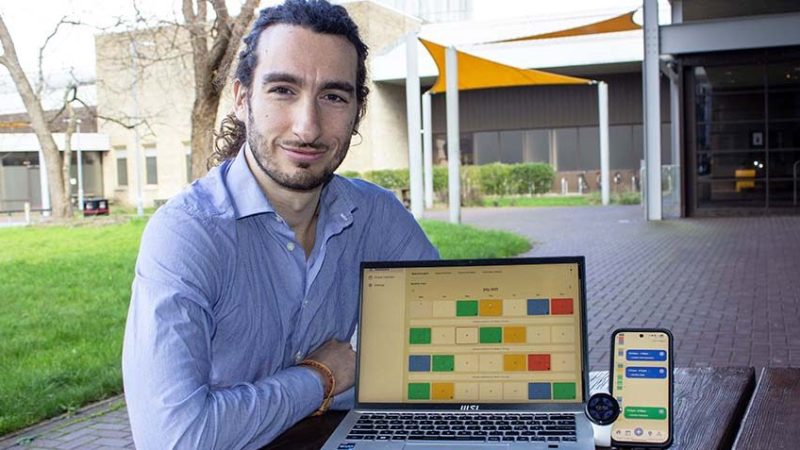
Doctoral researcher Luigi Moretti has created an app, MEMoPAD, which uses data from smartwatches such as Google Pixel Watch 2 to detect signs of anxiety in real time.
The data from the device on heart rate, skin temperature and sweat levels are then used to indicate ‘emotions’ that the user is experiencing, which includes episodes of anxiety
When symptoms are identified, the app prompts users to take action, such as breathing exercises or meditation, to help manage their condition.
Moretti said: “I’ve watched loved ones navigate the complexities of mental healthcare.
“Faced with their long-term struggles and feeling powerless to help despite my medical background, I saw a clear and urgent need for better tools and a more empathetic system, an opportunity to make a meaningful difference that couldn’t be ignored.”
The tool also allows users to log notes about their experiences and share this data with clinicians, helping to improve understanding of triggers and support more informed treatment.
It is reported that one in ten people in the UK experience anxiety disorders.
Moretti, a medical doctor working at UWE Bristol’s Health Tech Hub hopes the technology will lead to earlier intervention, better self-awareness and improved conversations between patients and healthcare professionals.
Developed in collaboration with patients, clinicians and carers, the project aims to fill a gap in how wearable tech is used for mental health, moving beyond basic stress tracking to provide more meaningful, personalised support for conditions such as anxiety, OCD and PTSD.
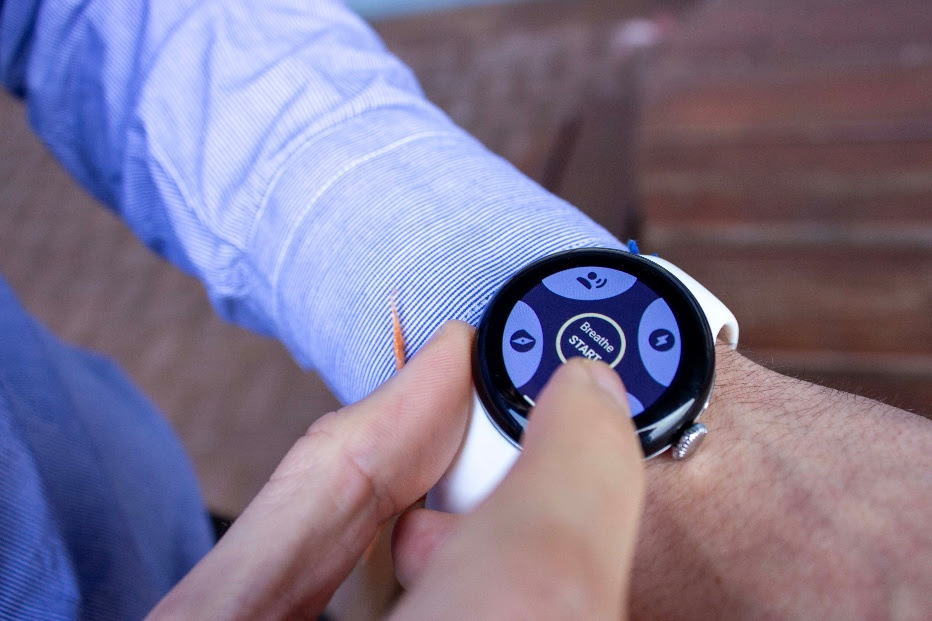
The app uses data from smartwatches to detect signs of anxiety in real time
Moretti added: “Technology built in a vacuum often fails. Our foundation is built on listening. We use a co-design methodology, actively partnering with patients, clinicians, and carers at every stage.
“Their lived experiences and professional insights are not just feedback: they are the blueprint for building a tool that is truly relevant, safe, and effective.
All photos: UWE Bristol
Read next:
 Our newsletters emailed directly to you