News / television production
Attenborough and building ‘Green Hollywood’ in Bristol
What Nashville is to country music, Silicon Valley to tech and Hollywood to film, Bristol has become to wildlife filmmaking: the undisputed global centre of natural history broadcasting.
There is one central figure who paved the way for this recognition – David Attenborough, who marked his 100th birthday on Friday.
For over 70 years, David Attenborough and BBC Bristol have grown together, one becoming the world’s most recognisable natural historian, the other earning the moniker “Green Hollywood”.
Although Attenborough never lived in the city during his seven-decade association with Bristol, the city honoured him by awarding the freedom of the city in 2013, and both universities in Bristol bestowing him with honorary degrees.
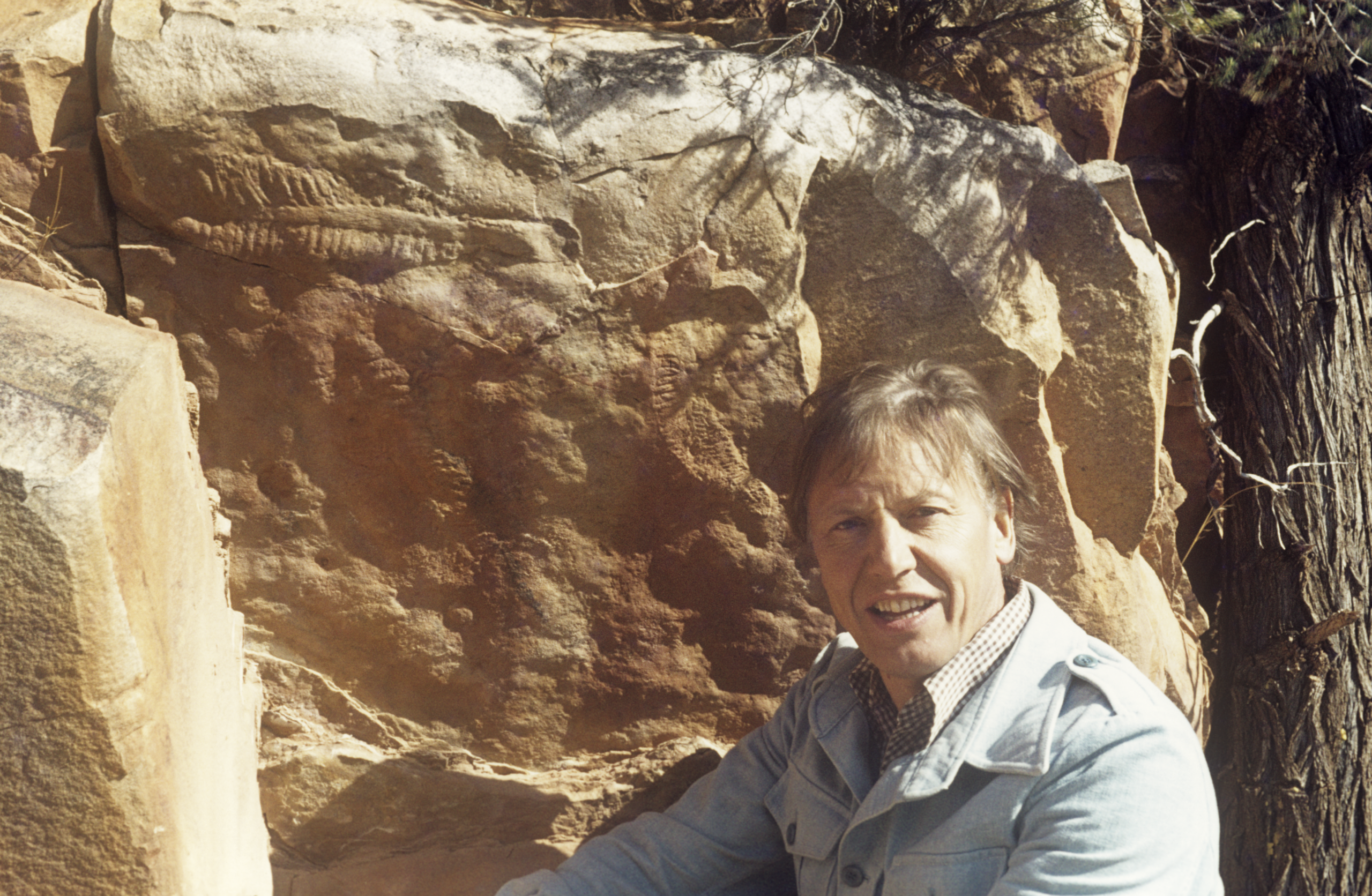
David Attenborough filming the 1979 series Life on Earth – photo: Wildscreen/Chris Parsons
But his far-reaching influence on the city’s education, economy and filmmaking ecosystem casts long shadows.
David Attenborough joined the BBC in London in 1952 as a trainee producer and his long association with Bristol began in the mid-1950s as the corporation developed a specialist natural history operation in the city.
The BBC Studios Natural History Unit on Whiteladies Road was formally established in 1957, with Attenborough quickly emerging as its defining figure.
Together, Attenborough and BBC Bristol’s filmmakers transformed wildlife television from earnest educational programmes into cinematic masterpieces watched by millions around the world.
The partnership reached new heights with landmark productions such as Life on Earth, widely regarded as a watershed moment for natural history broadcasting.
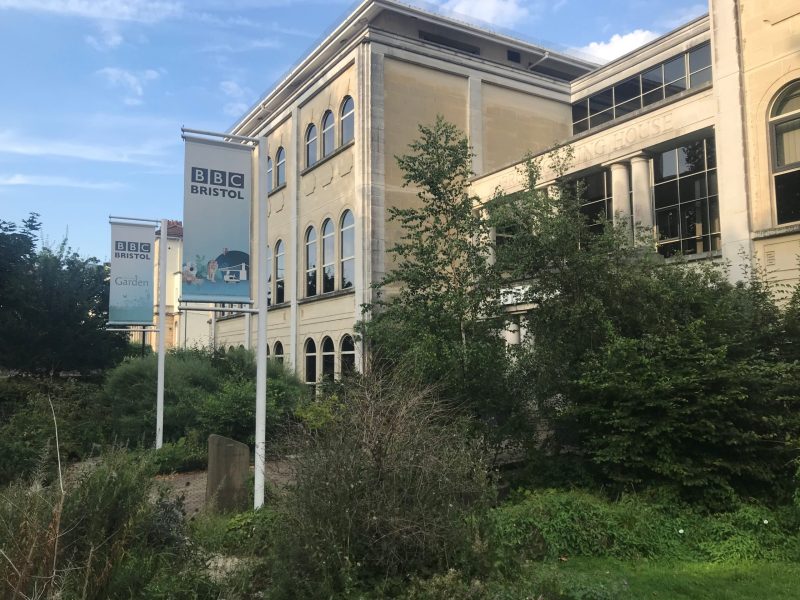
BBC Studios Natural History Unit, founded in 1957, was based at Whiteladies Road before moving to Bridgewater House in Finzels Reach in 2022 – photo: Martin Booth
It paved the way for globally acclaimed series including The Blue Planet, Planet Earth and Frozen Planet – productions that sealed Bristol’s status as the world capital of wildlife filmmaking.
It became a rare partnership between a broadcaster and a city, one that helped redefine how the world sees nature.
What attracted major investment, technicians and production crews was Attenborough’s ambition to create benchmark wildlife programmes filmed across hundreds of locations worldwide. Life on Earth alone carried a budget of more than £1m, an enormous sum for television back in 1979.
He never believed in sub-par productions done with shoe-string budgets.
Year after year, reams of film materials were edited, sound-mixed and post-produced all in Bristol studios.
A report published in 2024 examined Bristol’s credentials as “Green Hollywood” and the wider ripple effect of the natural history industry, from the growth of wildlife filmmaking courses at local universities to the expansion of studio space and the creation of highly skilled jobs across the city.
There were several attempts to move the NHU to London in the past, but Bristol fought for its corner to remain the hub for natural history.
The BBC Bristol Economic Impact Report found that natural history production accounted for 44.2 per cent (£127.2m) of Bristol’s £288m screen production industry turnover in 2022.
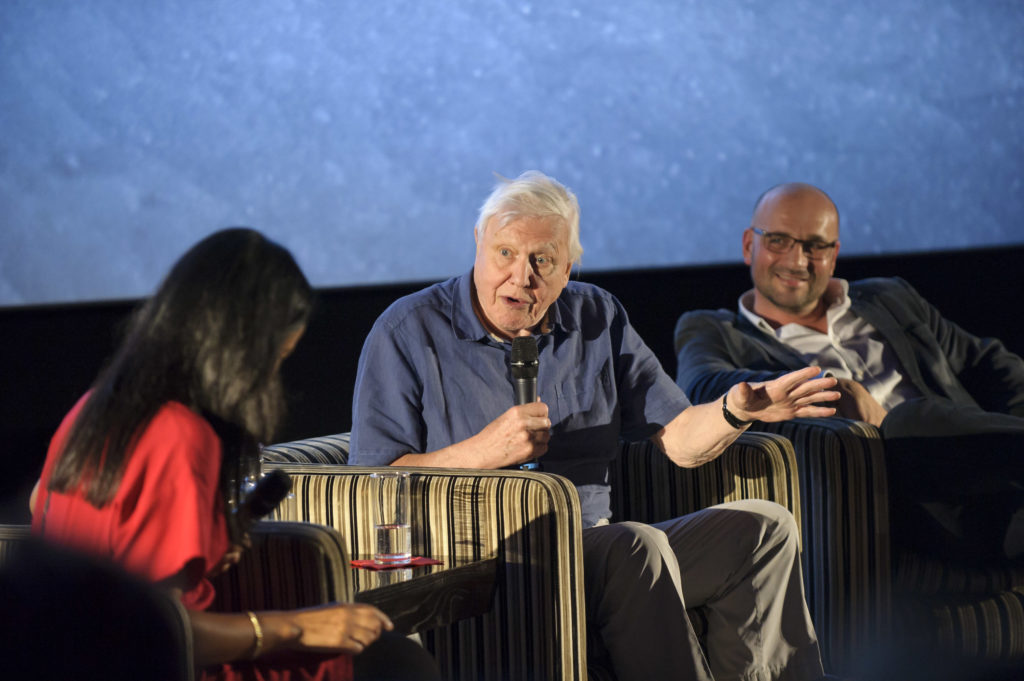
David Attenborough speaking at the 60 year celebrations of the NHU at Cinema de Lux in 2017 – photo: Alistair Heap
But Bristol did not simply host productions; it built an entire industry around them.
The city’s natural history sector now supports studios, independent production companies, universities, post-production houses and highly specialised crews ranging from drone operators to sound designers and editors.
Recent productions such as The Green Planet and Wild Isles generated millions for the UK economy and supported scores of local jobs.
From the relatively rudimentary days of early wildlife filmmaking, Attenborough-led productions introduced cutting-edge technology that would later become industry standard.
More than 75 per cent of BBC natural history commissions broadcast between 2019 and 2022 attracted inward investment.
Over that period, every £1 invested by the BBC Public Service generated a further £1.86 from third-party investors.
View this post on Instagram
The report found that natural history programming creates significant economic value for Bristol and the wider UK.
The Green Planet, filmed across 27 countries between 2019 and 2022, generated £7.4m in Gross Value Added (GVA) for the UK economy.
Much of that spending benefited Bristol directly through employment at the NHU and the local supply chain, supporting more than 50 full-time equivalent jobs.
Similarly, Wild Isles, produced in Bristol by Silverback Films, led by Keith Scholey, was filmed across more than 145 UK locations and generated an estimated £9m GVA for the UK economy and supported more than 80 full-time equivalent jobs during its three-year production.
Scholey was one of many who were inspired into the industry by Attenborough. The former first met Attenborough in 1981 as a University of Bristol zoology graduate hoping to break into television. And the rest, as one might say, is history.
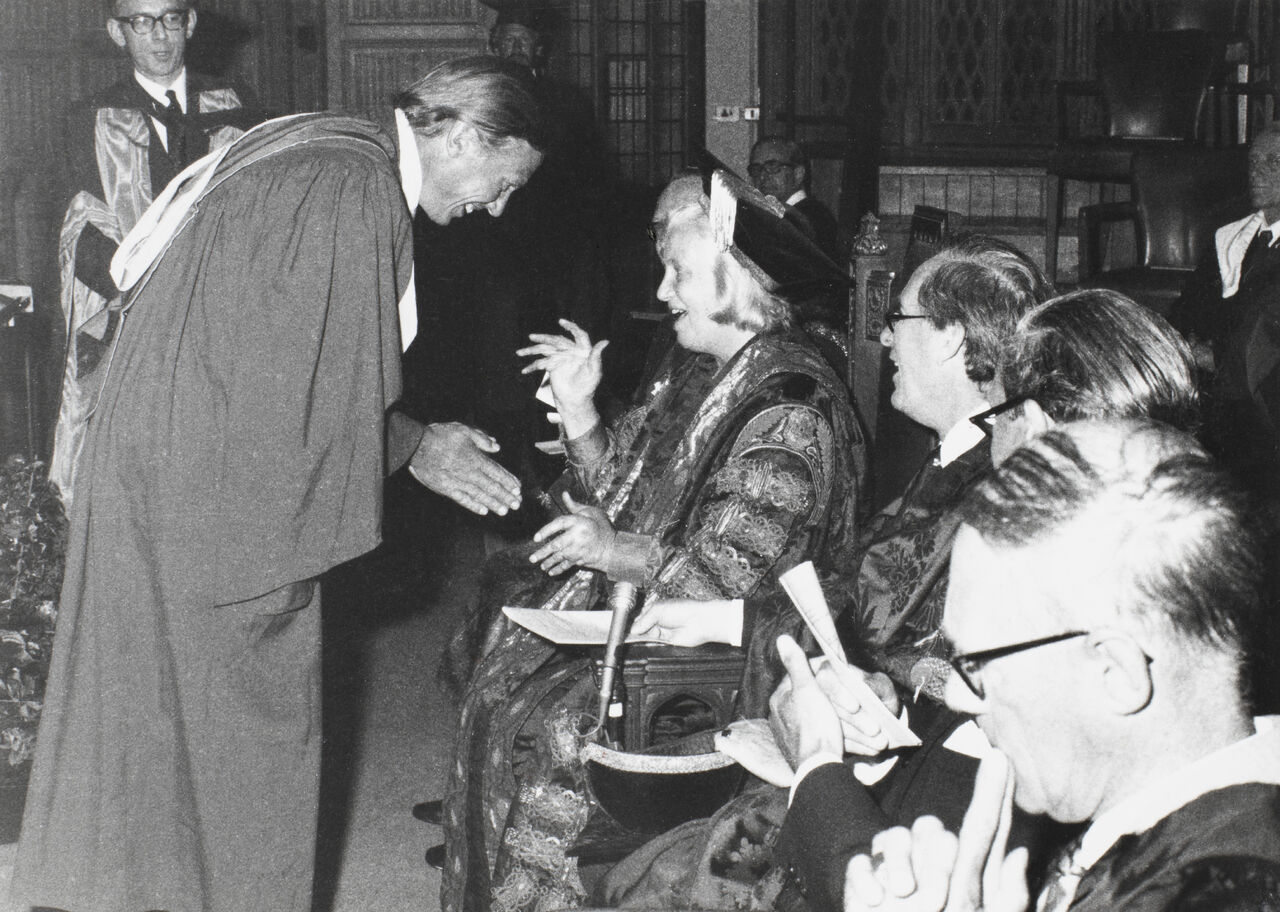
David Attenborough received an honorary degree from the University of Bristol in 1977 – photo: University of Bristol
Attenborough went on to collaborate with academics and researchers of the University of Bristol for documentaries such as Life in Colour and Attenborough & the Sea Dragon using the latter’s expertise in paleontology.
The figures do not include the wider social value generated by natural history programming, which researchers estimate has contributed around £134m through increased wellbeing and positive behavioural change among audiences.
The report also highlighted how BBC Studios works with partners including Bristol City Council and UWE Bristol to develop local talent and attract new entrants into the industry.
For example, UWE Bristol’s MA Wildlife Filmmaking course, co-designed and accredited by the NHU, has seen 94 per cent of graduates move into employment each year.
Around 32 per cent of graduates between 2016 and 2023 went on to work at the NHU or elsewhere within the BBC, creating a clear pipeline of future talent for Bristol’s wildlife filmmaking industry.
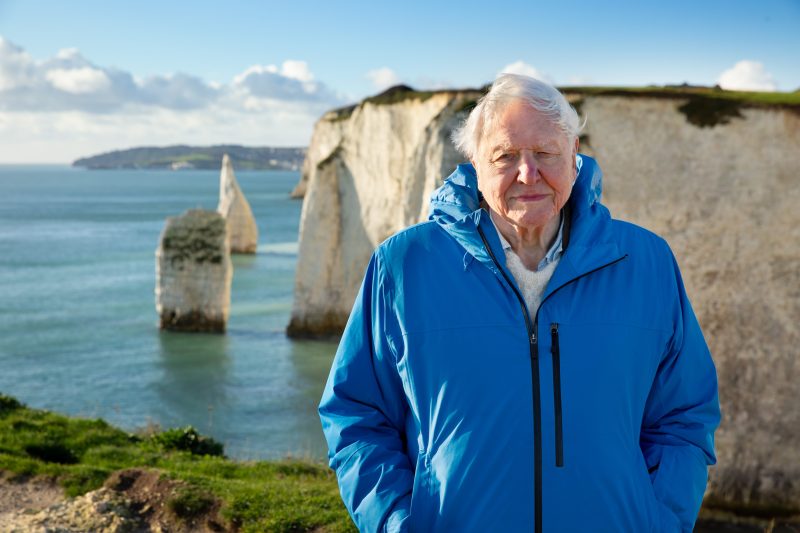
For over 70 years, David Attenborough and BBC Bristol have grown together, one becoming the world’s most recognisable natural historian, the other earning the moniker “Green Hollywood” – photo: Keith Scholey/Silverback Films/Open Planet Studios
Bristol’s adoration of David Attenborough has remained undiminished for more than seven decades.
In 2017, when the BBC Studios Natural History Unit celebrated its 60th anniversary alongside the premiere of Blue Planet II, queues snaked out of Cabot Circus’ Cinema de Lux as crowds spilled into the shopping centre.
Even more striking was the demand for tickets: more than 105,000 people entered a ballot for just 200 seats. The NHU director at the time famously remarked: “You were 50 times more likely to get tickets to Glastonbury.”
To mark Attenborough’s 100th birthday, Bristol once again celebrated his legacy. Alongside countless celebrations and dedications across the city, Upfest, Europe’s largest street art festival, celebrated his legacy with a mural.
View this post on Instagram
The birthday fanfare for his 100th birthday at the Royal Albert Hall may have quietened, but in Bristol, Attenborough’s legacy, intertwined with the city’s creative identity and an industry that shaped both wildlife filmmaking and the local economy, will have a lot to say for years to come.
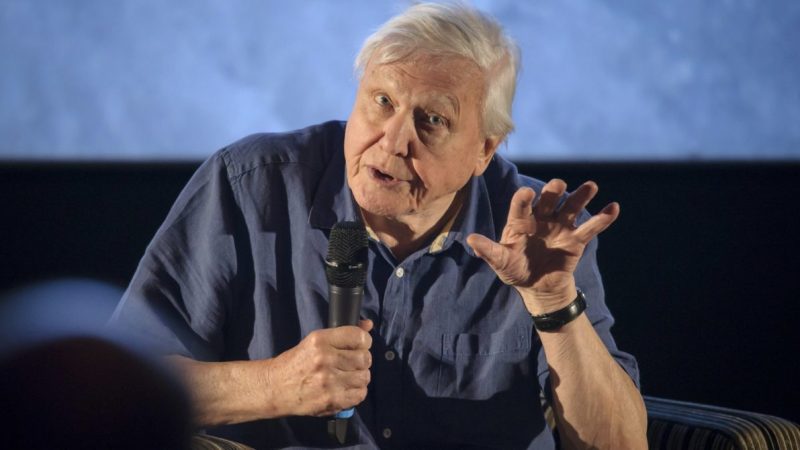
Main photo: Alistair Heap
Read next:
 Our newsletters emailed directly to you