News / Deep Tech
New deep tech incubator to open in regeneration district
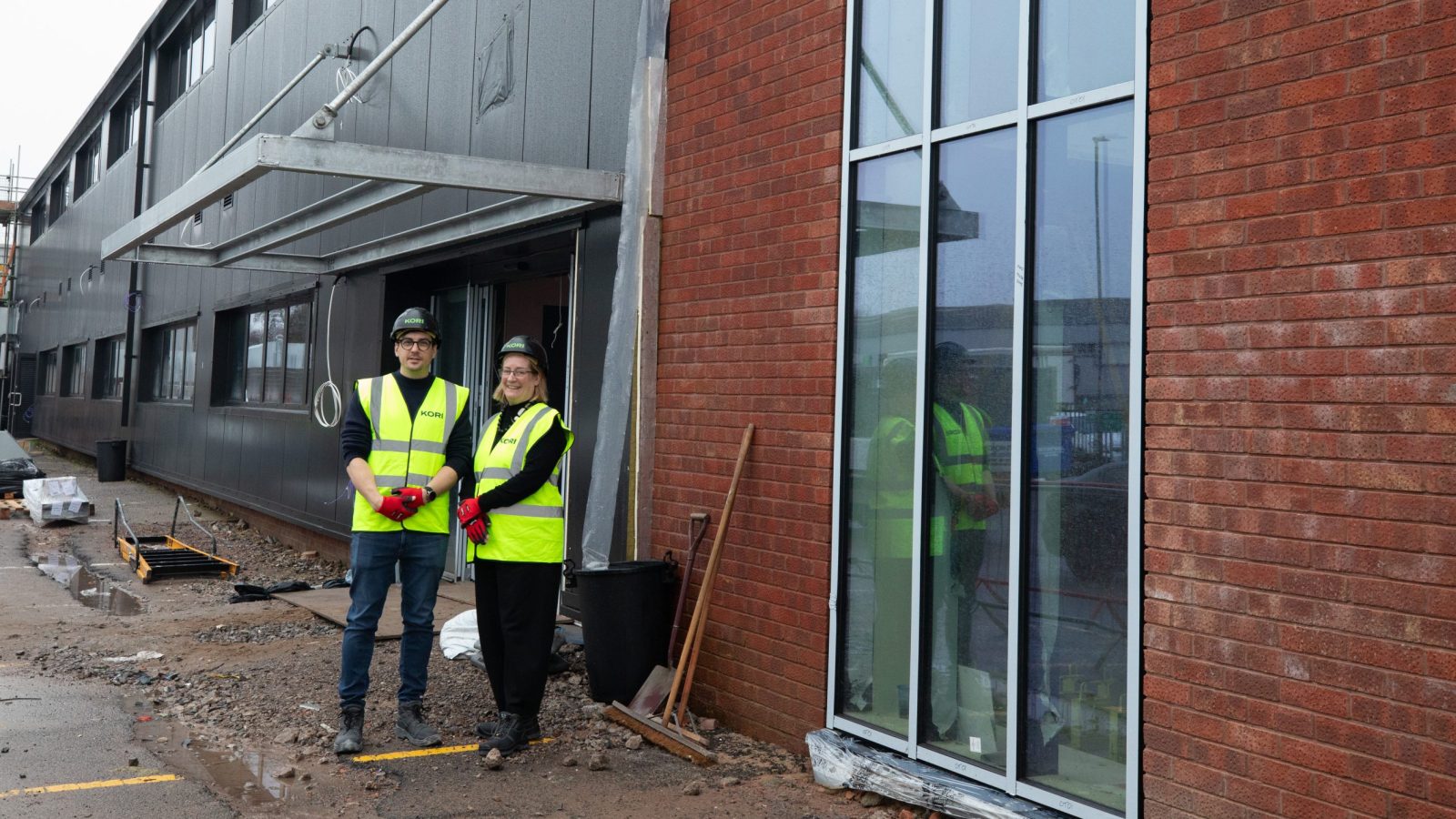
A Bristol-based deep tech incubator is set to open its third dedicated lab and incubator site.
The new facility from Science Creates is being billed as a major step in cementing Bristol’s position as the UK’s leading deep tech city outside the Golden Triangle.
OMX, a 30,000 sq ft laboratory and scale-up space near Bristol Temple Meads, has been developed by Science Creates in partnership with the University of Bristol and is backed by Research England.
Opening in March 2026, the site will offer flexible labs ranging from 1,000 to 5,000 sq ft for startups and high-growth companies ready to move beyond early research into commercial expansion.
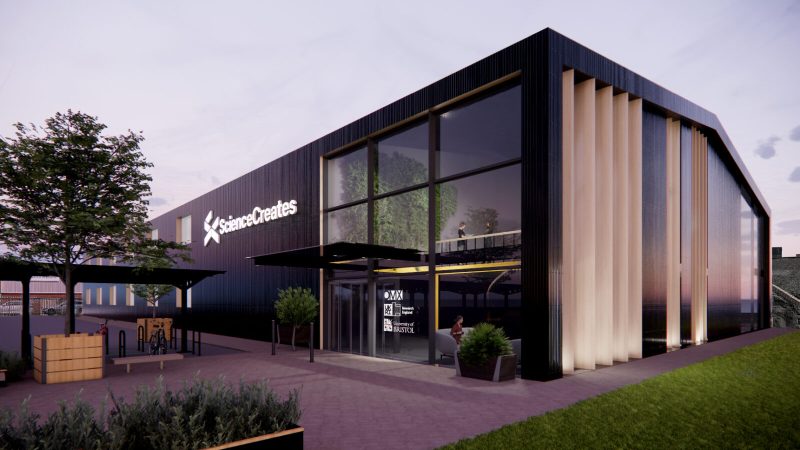
The new facility from Science Creates is being billed as a major step in cementing Bristol’s position as the UK’s leading deep tech city outside the Golden Triangle – photo: Science Creates
The facility will bring the total specialist lab space supported by the partnership in the city to more than 75,000 sq ft, creating one of the largest dedicated deep tech ecosystems in the UK outside the Golden Triangle (London, Oxford and Cambridge).
OMX has been created by retrofitting an industrial unit near Temple Meads, delivering 30 high-specification labs aimed at supporting spinouts and scale-ups in the region.
Professor Evelyn Welch, vice-chancellor at the University of Bristol, said: “When we opened our first incubator with Science Creates in 2017, Bristol ranked 20th in the UK for spinouts.
“Today we’re fifth. That’s what happens when you invest consistently in infrastructure, talent and a genuine partnership between university and industry. OMX is the next chapter — ensuring our best companies have room to scale here in Bristol, keeping talent, IP and long-term economic impact in the South West.”
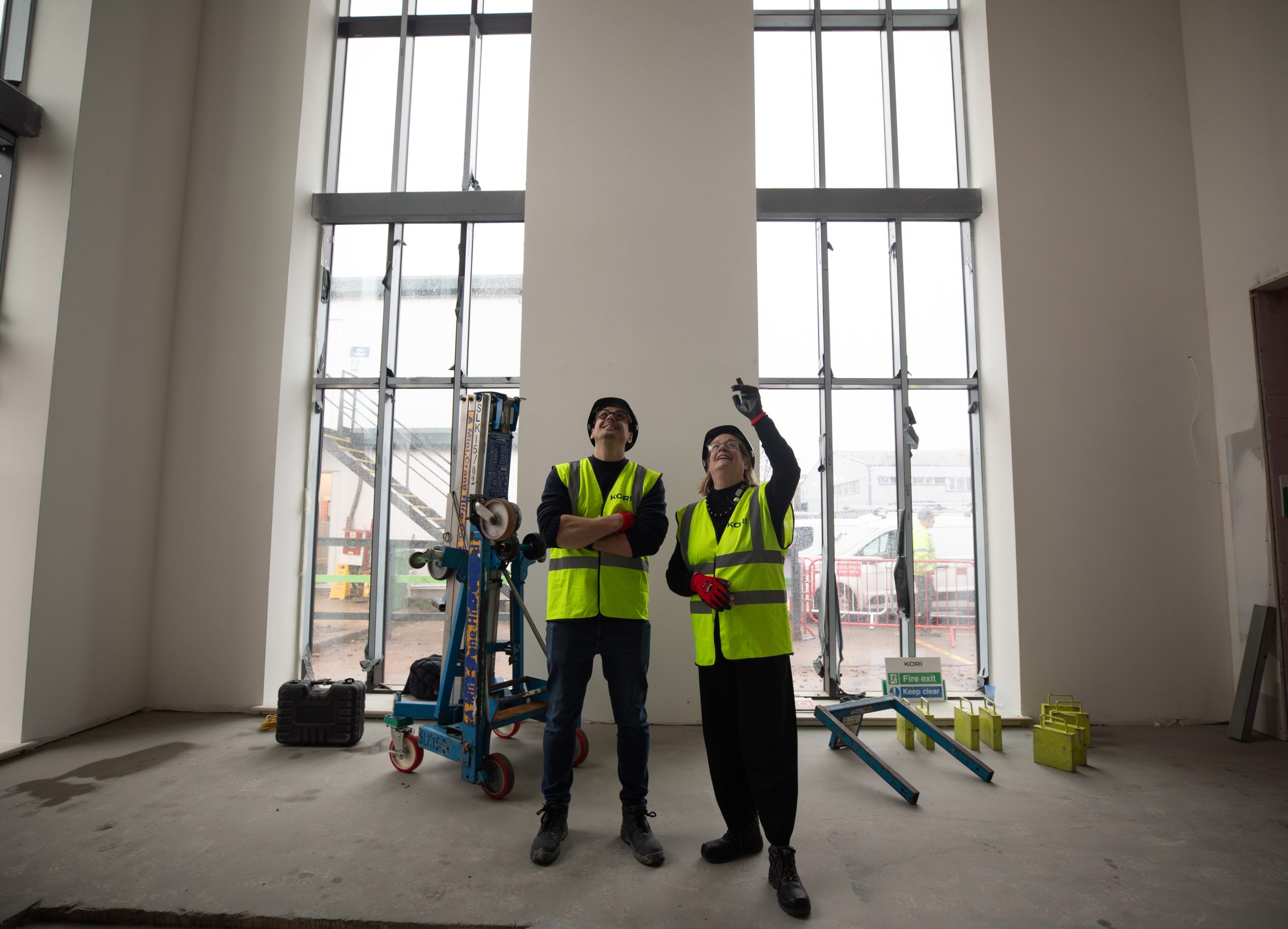
Dr Harry Destecroix and Professor Evelyn Welch checking the work in progress at OMX in Temple Quarter – photo: Science Creates
Dr Harry Destecroix, founder of Science Creates, added: “We built OMX because we kept seeing the same problem — brilliant companies outgrowing their lab space and having to leave Bristol to find somewhere to scale… With OMX, we can now offer deep tech companies a flexible home from early-stage R&D experiments through to commercial growth.”
Destecroix, a leading figure in the Bristol tech scene, was recognised for his services to science in the King’s New Year Honours in 2025, where he was awarded an MBE.
As both an academic and tech entrepreneur, he has previously spoken about the difficulties faced by startups and spinouts, experience that helped shape the creation of Science Creates.
OMX is designed specifically for scale-ups in areas including quantum technology, engineering biology, advanced materials, climate tech and health innovation.
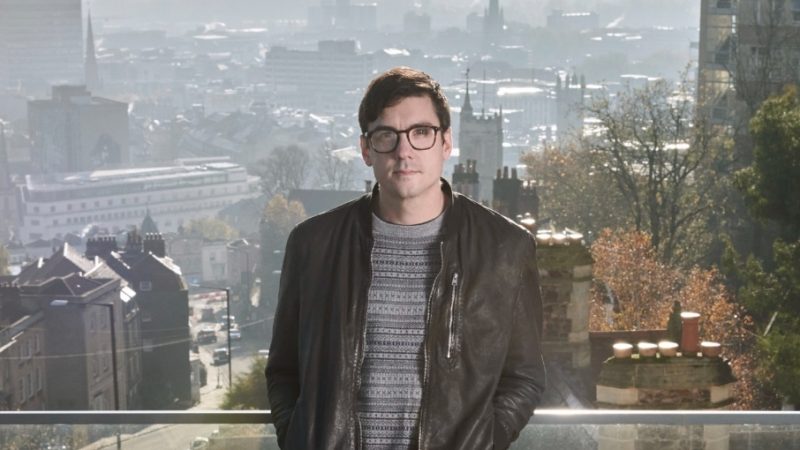
Harry Destecroix (pictured), a leading figure in the Bristol tech scene, was recognised for his services to science in the King’s New Year Honours in 2025 – photo: Science Creates
Facilities include CL2-ready labs, integrated lab-office suites, and shared meeting and event space, alongside access to the wider Science Creates community of more than 100 deep tech founders.
The project addresses a long-standing shortage of scale-up lab space in Bristol, which has previously forced some spinouts to relocate at a crucial stage.
By expanding local infrastructure, partners hope to ensure more companies can grow and create skilled jobs without leaving the South West.
The new facility will sit next to the University of Bristol’s Temple Quarter Enterprise Campus, due to open in September, which will be home to the Bristol Innovations Zone (BIZ).
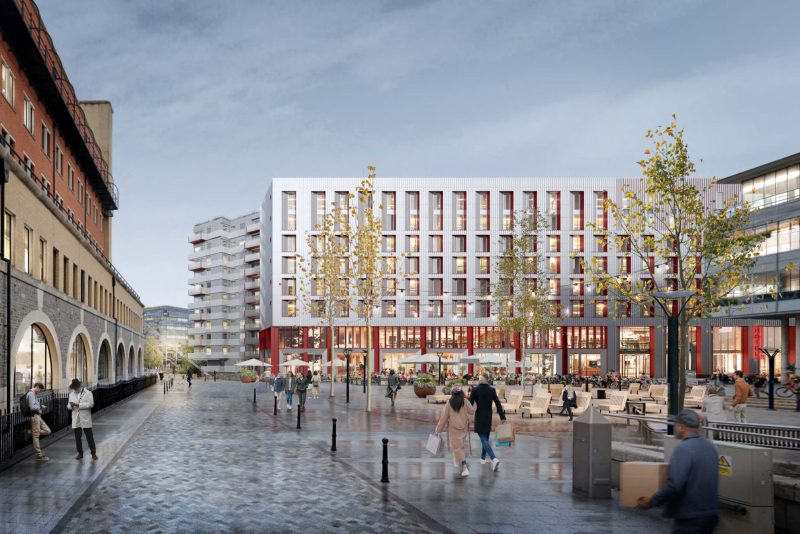
Both Enterprise Campus and OMX will be residents of the wider Temple Quarter Regeneration Zone, one of the largest brownfield redevelopment projects in the UK – photo: Conversation PR
Both Enterprise Campus and OMX will be residents of the wider Temple Quarter Regeneration Zone, one of the largest brownfield redevelopment projects in the UK.
Science Creates’ other Bristol sites include its St Philip’s facility, opened in 2017, and its Old Market site, completed in 2021.
Main photo: Science Creates
Read next:
 Our newsletters emailed directly to you