News / Engineering
How a Bristol-made washing machine is transforming lives in conflict zones
Like all great inventions, the inception of Divya – the Bristol-made manual washing machine – stemmed from a real-life problem faced by millions around the world.
“How do you clean your clothes?” It could be one of the most bizarre questions you could ask in the northern hemisphere, which is likely to receive a curt response along the lines of: “What do you think? Washing machine, obviously.”
Yet it is reported that some four billion people – around 50 per cent of the world’s population – wash their clothes by hand. In many of those places, water and electricity are scarce commodities.
A young engineer Navjot Sawhney, who was working for Jaguar Land Rover at the time, had first-hand experience of this on a field trip to India, where he came across a woman named Divya – the name which he would later adopt for his future invention. Hearing about her daily struggle to wash clothes prompted him to put on his engineer’s hat.
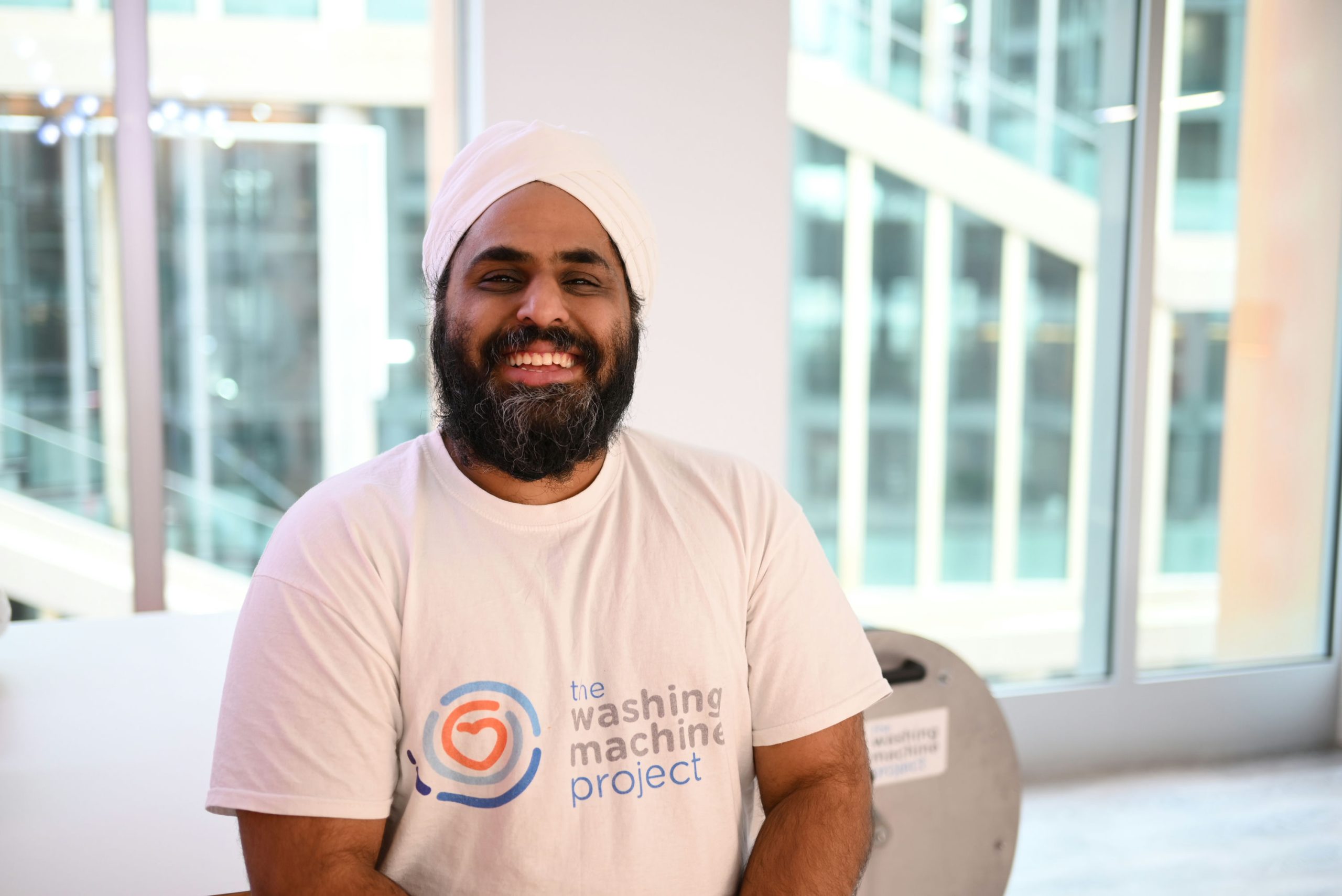
The Washing Machine Project was founded by Navjot Sawhney back in 2018 – photo: TWMP
A postgraduate of the University of Bath, Navjot’s vision coalesced when he founded The Washing Machine Project in 2018. Its manually operated machines are designed by a team of engineers in Bristol.
Bristol24/7 recently visited their base in Easton on Felix Road, and spoke to some of the team.
When we entered the facility, boxed manual washing machines were ready to be dispatched to war-torn areas. In February, they will send 20 machines to Gaza, with plans to send 1,000 to the region by the end of the year.
Speaking to Bristol24/7, Navjot said: “In Gaza, everyday tasks that most of us don’t think twice about have become incredibly hard.
“Washing clothes, blankets or hospital scrubs is essential, but when electricity is unreliable, water systems are damaged and fuel is rationed, it becomes almost impossible.
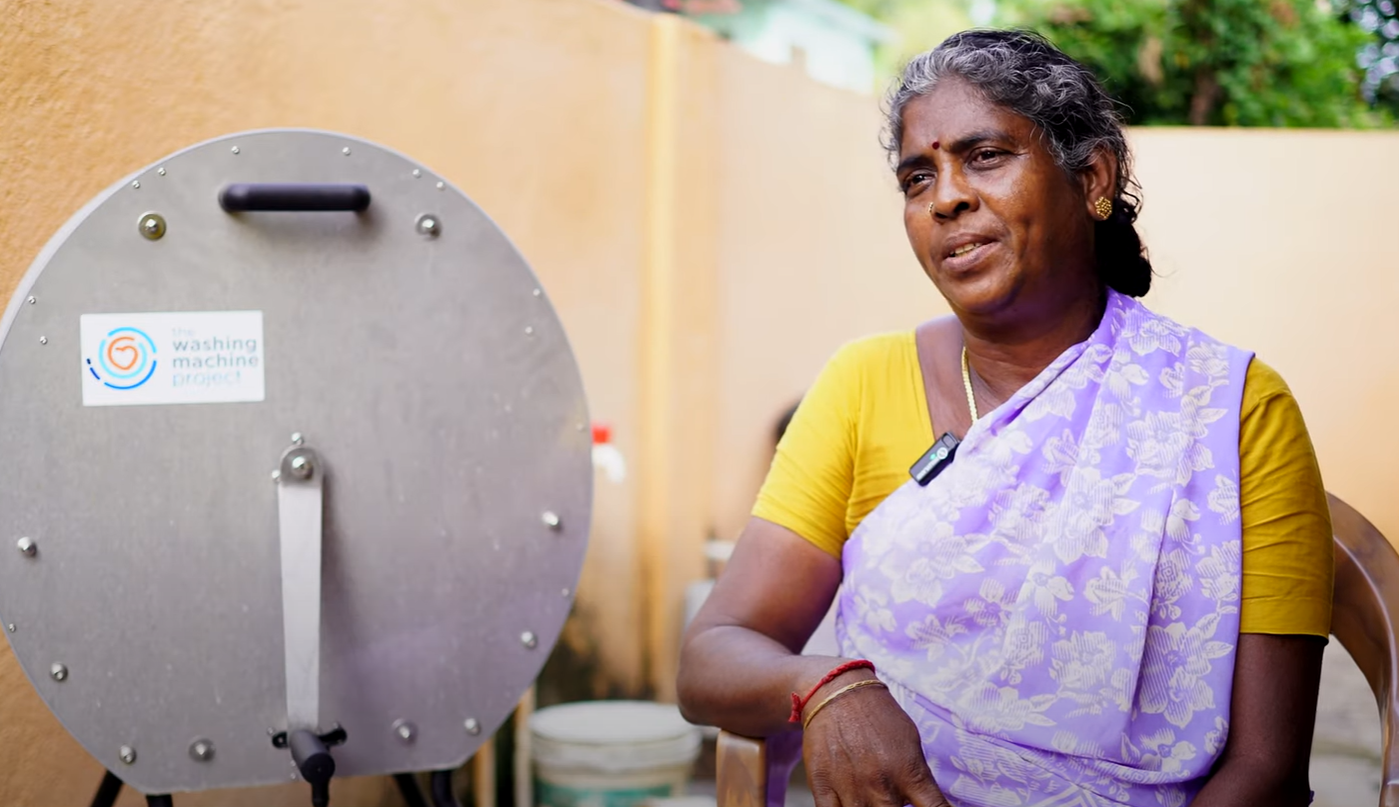
The hand-operated washing machine has been a huge help for 57,000 people around the world – photo: TWMP
“This pilot builds on the machines we sent last year with UK-Med, which were used in hospitals in Al-Mawasi. The Divya Washing Machines don’t need electricity or fixed water systems, and they don’t add pressure to generators that are already under huge strain.
“Seeing them used to wash heavy blankets and medical scrubs showed us just how much difference something simple can make in the middle of a crisis.
“I’m so proud of our team in the UK that has built these 20 machines to send out and we can’t wait to tell everyone about the impact they are having.”
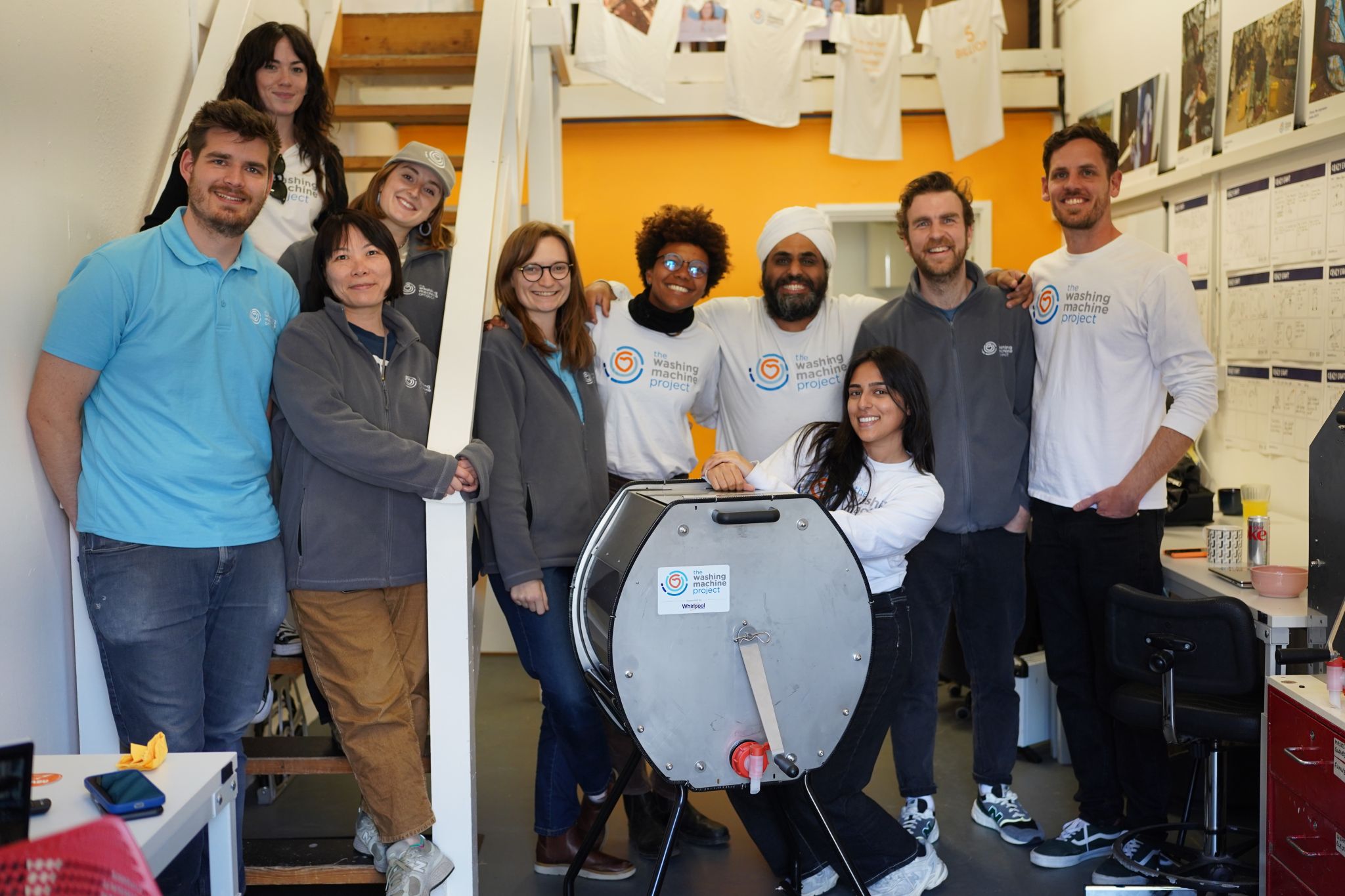
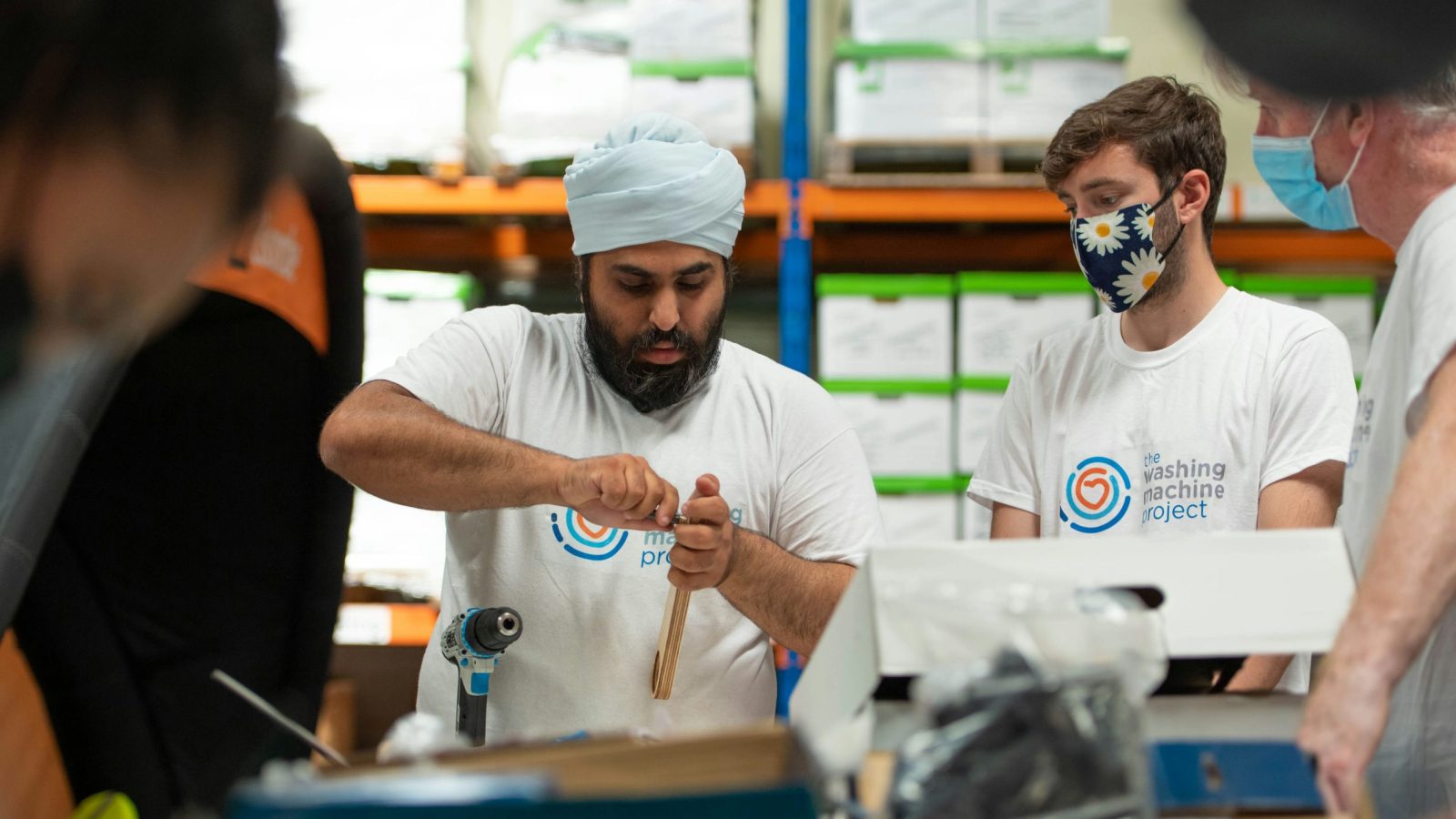
The team at their base in Easton with “Divya” – photo: TWMP
Laura Tuck, research and development lead at The Washing Machine Project, is an engineering graduate from the University of Cambridge with a capacious mind for “building things” from a young age.
She has worked for several leading names, including Dyson prior to her engagement with The Washing Machine Project.
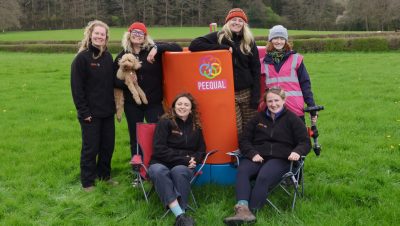
The Frenchay-based engineer, who boasts a glowing CV, was also a design consultant for Peequal, which significantly slashed queues for women’s toilets at festivals.
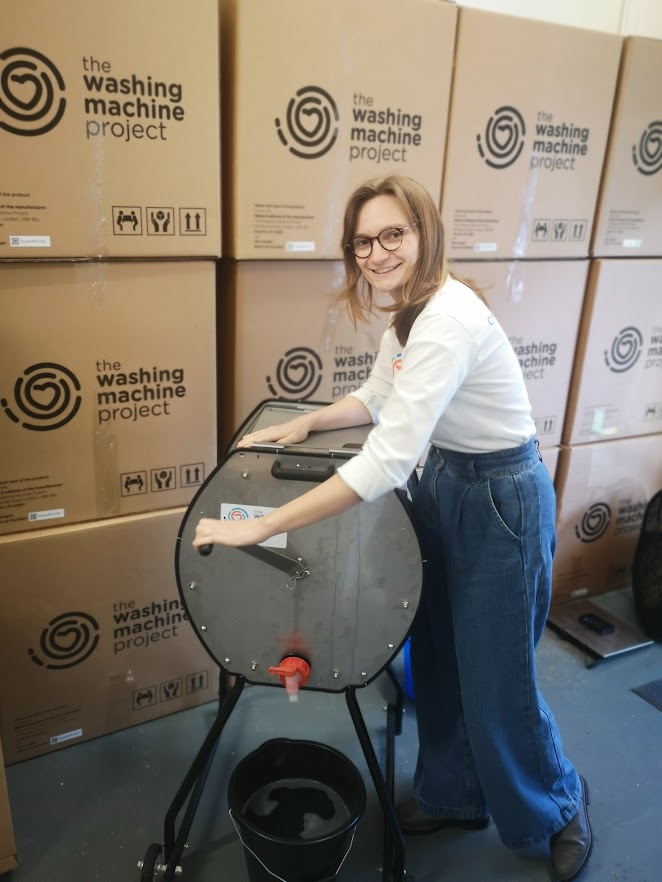
Laura is demonstrating how easy it is to operate the manual washing machine – photo: Milan Perera
The project has helped some 57,000 people worldwide by providing washing machines in refugee camps and underserved areas. Machines have been distributed in Greece, Gaza, the Congo and Uganda, improving access to clean clothes.
The facility is both a design and manufacturing hub. The operation has expanded its wings with “pop-up factories” at partner sites around the world. They are currently eyeing expanding it into India and other locations where potential users are based.
The largest partner site in Michigan has the capacity to produce 40 washing machines a day, though day-to-day operations vary significantly, Laura said.
For Laura, the biggest challenge was making the mechanism as simple and linear as possible.
Previous prototypes had gearboxes, which made operation more complex for the average user. The current machine can be dismantled into a flat pack, with repairs designed to be straightforward.
The washing machine can clean everything from clothes, scrubs and sheets to heavy blankets. In one cycle it is capable of washing 25 pieces of clothes in less than 30 minutes with no electricity.
Laura said: “The machine has been designed so that, with a set of spanners and Allen keys, it can be completely dismantled. That means when something goes wrong in the field, local teams we’ve trained can take it apart, fix the issue and reassemble it themselves. Repairability has been built in from the start.
“We’re now at the stage where, if a problem does arise, we’ll get a phone or video call from one of our technicians asking for advice on the best way to fix it. That direct contact with users helps us understand what’s going wrong and continually refine the design to make it more reliable in future.”
Laura, who joined The Washing Machine Project in 2022, said she is delighted to be part of an engineering venture capable of transforming lives, even in the most difficult circumstances. For many around the world, clean clothes are a luxury.
She said: “In the UK, you just assume everyone washes their clothes in a washing machine. When we give talks, we often start by asking: ‘How did you wash your clothes?’ People look at us as if it’s a strange question.
“But around half the world’s population doesn’t have access to a washing machine. For many of us, it’s a privilege we barely even think about.
“As for my role in the project, I’ve been involved in several stages of the process – from development and design through to working directly with partners and users. That’s included helping refine the product, supporting implementation on the ground and feeding real-world experience back into improving the machine.”
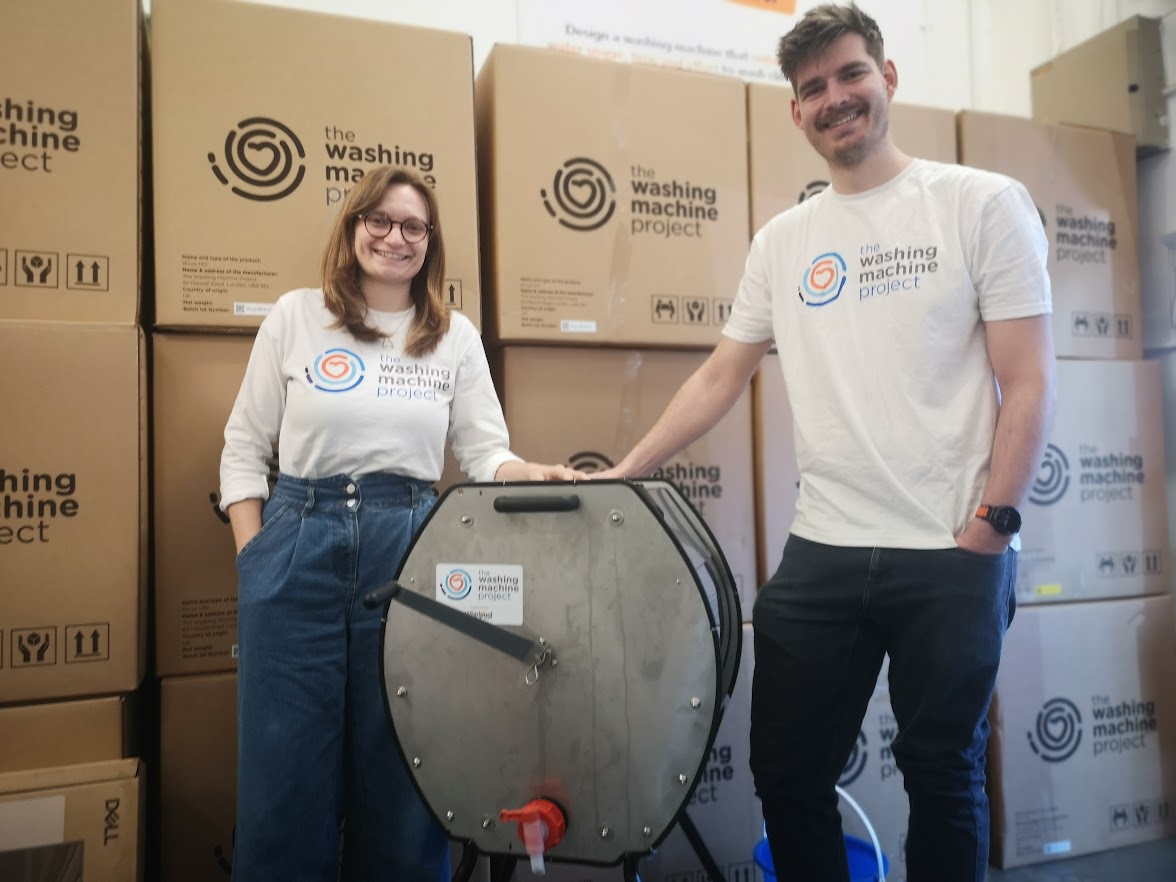
The lead engineers Laura and Jack at their base in Easton – photo: Milan Perera
Partnerships with organisations including RS Group, Jaguar Land Rover and Santander, as well as humanitarian bodies such as UNHCR and Oxfam, have helped propel the project towards global scale, with additional backing from the Whirlpool Foundation.
Speaking to Bristol24/7, Jack Biltcliffe, a research and development lead, summed up the wider impact of the product.
He said: “It’s hard to sum up, really. I’ve had the incredible opportunity to meet individual users and carry out research with people who hand wash their clothes every day. You see first-hand the impact of spending hours on laundry – time that could be used for work, education or family.
“When they see our machine and realise what it could mean for them, it can be genuinely life-changing. To have played a part in delivering that is extraordinary. It’s hugely motivating and makes me want to keep pushing forward.”
Navjot has received recognition from around the world, from the George H.W. Bush Points of Light Award to praise from UK prime ministers and London mayor Sadiq Khan.
He was presented with the Points of Light honour by then prime minister Rishi Sunak. He was also a member of Engineers Without Borders, which helped shape his worldview.
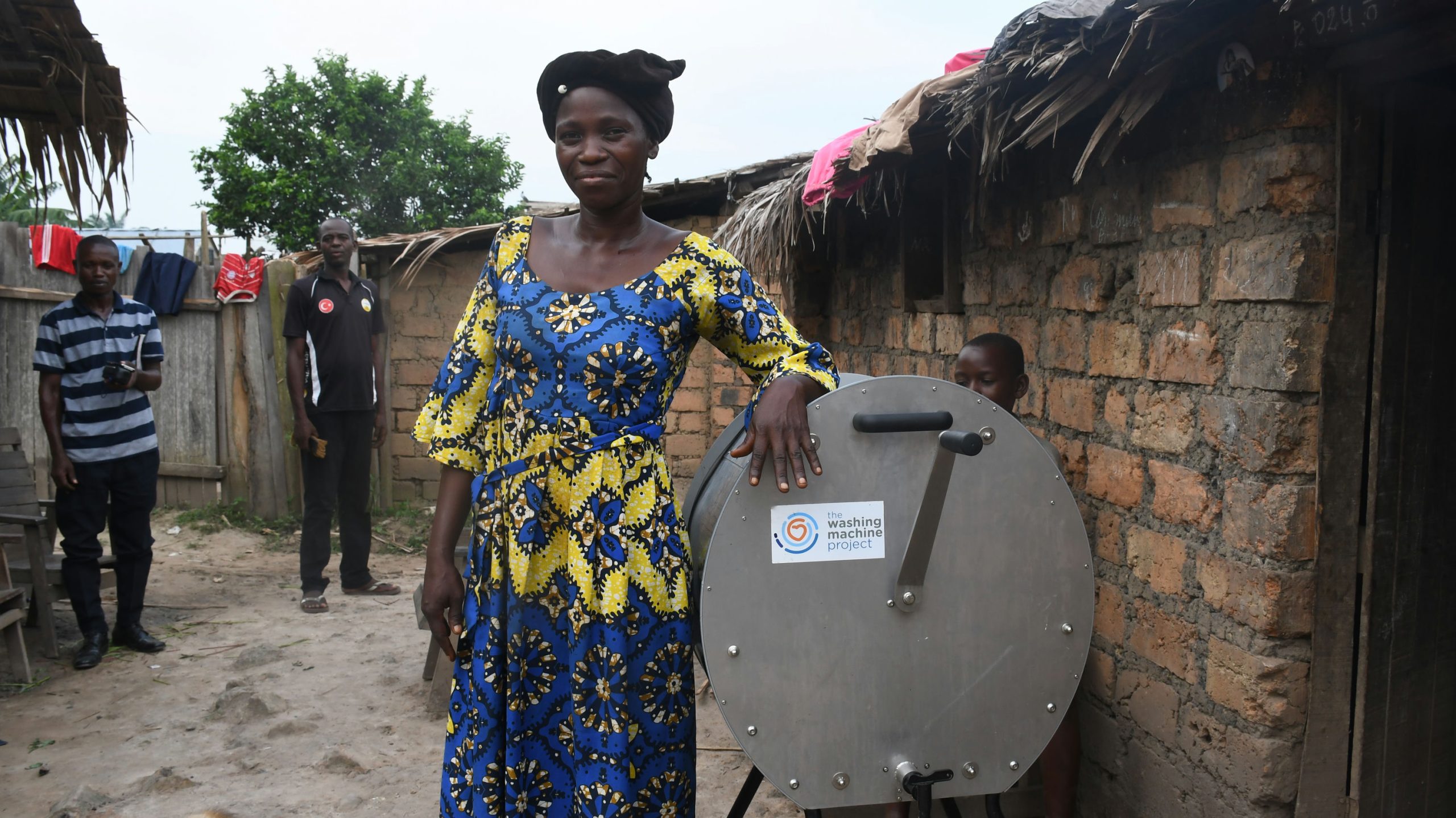
Divya in action in the Republic of Congo – photo: TWMP
However, it has not been plain sailing for Navjot. A few years ago, a racist attack at the hands of a bouncer at a Polish nightclub made national news.
Following the incident, he addressed the situation candidly about the deep-seated stereotypes about people of colour and the realisation that “you can do everything right” and still be reduced to one.
He was flooded with support from around the world, including an apology from the Polish Embassy. He had the last say on the matter.
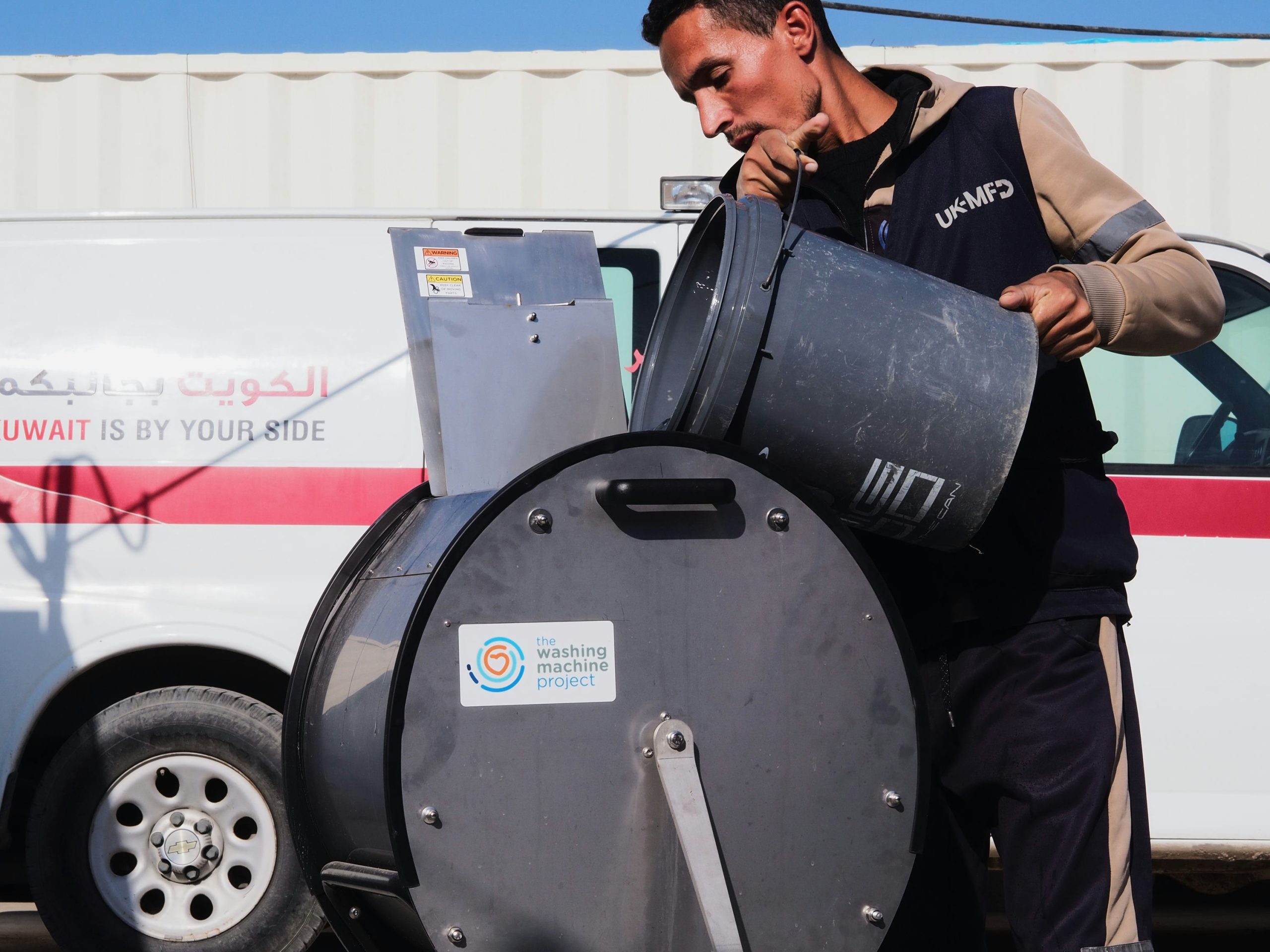
The Washing Machine Project is expected to send 20 washing machines to Gaza in February – photo: TWMP
The team is growing and has attracted the cream of local engineering talent. The team has so far worked with 18 students from the University of Bristol on projects with three internships. Currently they have a placement from UWE Bristol.
The operation of the manual washing machine could not be simpler – but sometimes the best inventions are those that are user-friendly and truly impactful.
Navjot concluded: “This is the first step. If it works, we want to take this much further, so families and frontline workers have one less thing to struggle with as they try to get through each day.
“We’ve seen this before from our work in Kyangwali Refugee Camp in Uganda, to projects in the Republic of Congo and Iraq.
“Laundry is often overlooked in humanitarian response, but we see the real impact these machines can have not just practically, but on people’s wellbeing and mental health too.”
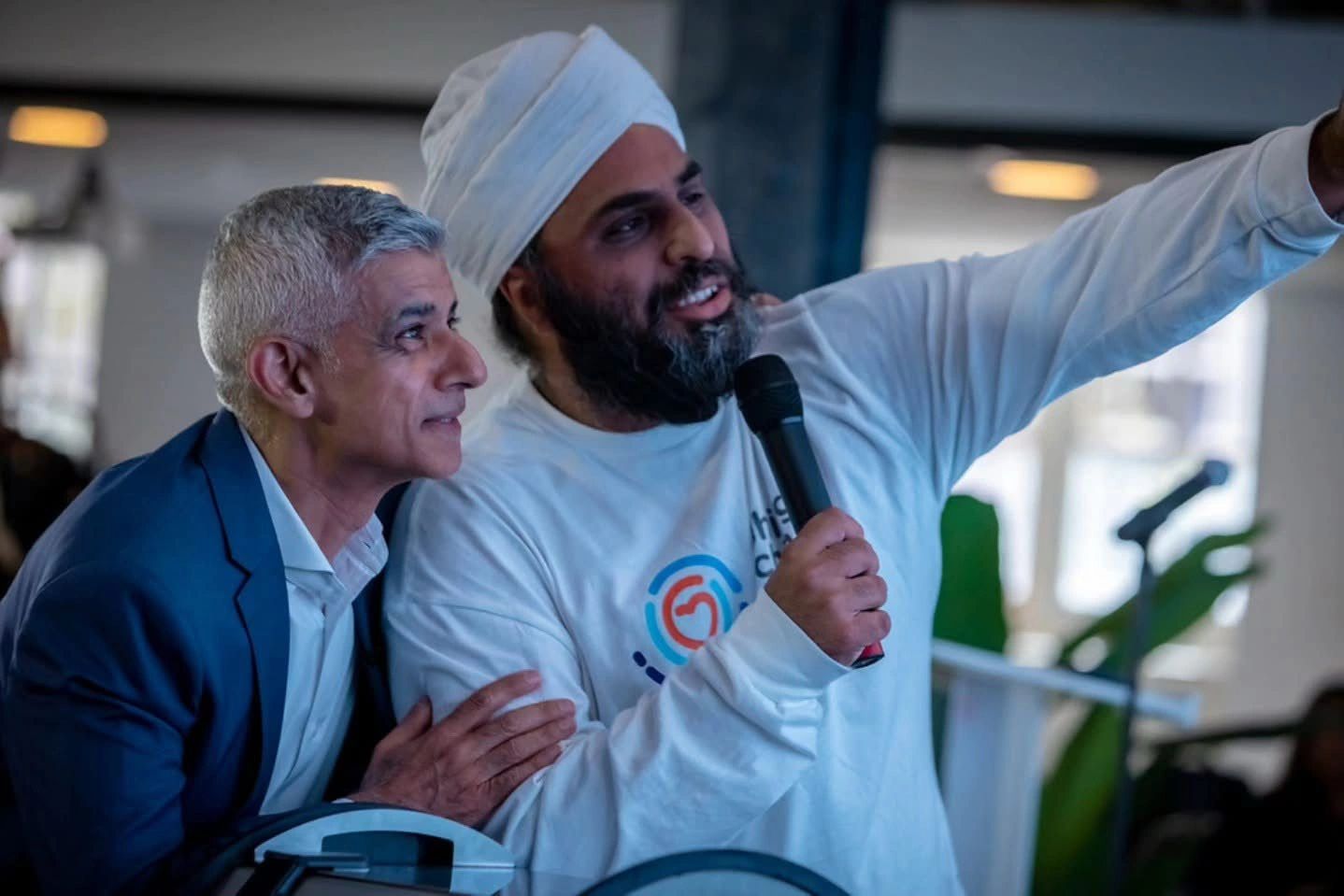
Navjot’s engineering venture with a difference has received the endorsement from many leading figures, including the London mayor Sadiq Khan – photo: TWMP
Main photo: TWMP
Read next:
 Our newsletters emailed directly to you