News / Hospitality
Bristol hospitality calls PM’s business rates cuts ‘well short of what’s needed’
The newly ascended prime minister was recently seen pulling pints at a pub in Essex to accompany his latest announcement of business rates cuts.
Prime minister Andy Burnham vowed “the cavalry is coming” to rescue the hospitality industry, especially the pubs.
The Burnham premiership, which promises to be “pro business”, has introduced a 20 per cent cut in business rates for pubs, clubs and live music venues from April 2027 – but cafes, hotels, cinemas and restaurants will not receive the benefits of the changes.
The prime minister, who championed the night economy of Manchester while he was the mayor of the city, said the new changes are the “first step” of a £100m package, funded and earmarked.
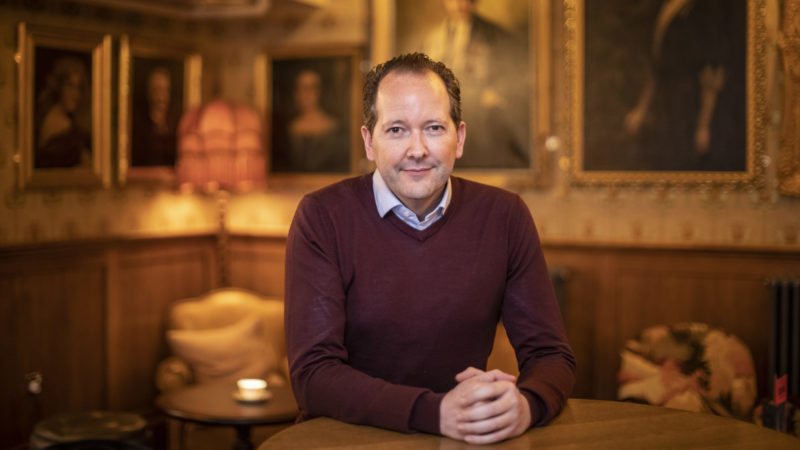
Alex Reilley, co-founder of Loungers group, called the move “good headlines” but “a tiny plaster to cover an increasingly gaping wound for thousands of businesses” – photo: Loungers
10 Downing Street said under the new changes to business rates, a pub could save up to £1,100 a year.
However, the premier’s enthusiasm has not been widely shared by the leaders of Bristol’s hospitality sector as they question the far-reaching impact of the move for an industry that has “already been under increasing pressures”.
Alex Reilley, co-founder of one of the largest hospitality groups in the UK, called the move “good headlines” but “a tiny plaster to cover an increasingly gaping wound for thousands of businesses”.
Alex Reilley, along with Dave Reid and Jake Bishop, launched Loungers group back in 2002 from a former optician’s shop on North Street with the princely capital of £10,000. And the rest, as they say, is history.
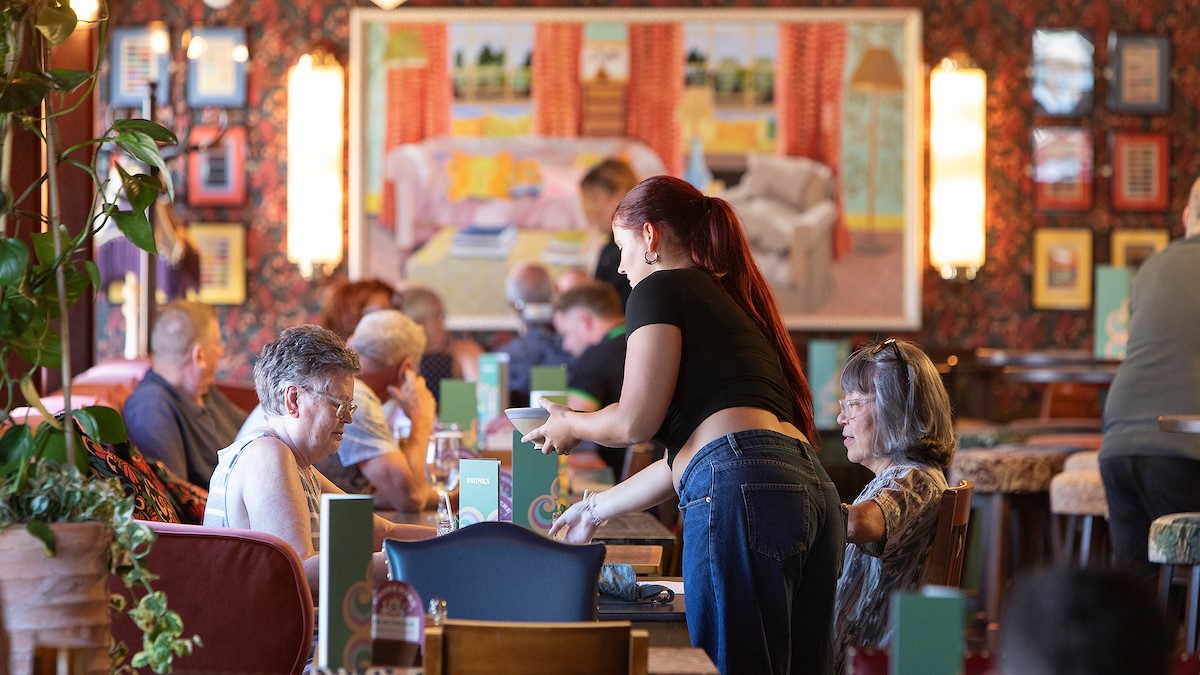
Bristol’s hospitality sector questions the far-reaching impact of the new policy for an industry that has already been under increasing pressures – photo: Milan Perera
Loungers has become a phenomenon for its food and drink offerings with outlets up and down the country. The group recently opened its 314th overall site in Barry in Wales.
But the hospitality boss is far from impressed with the prime minister’s new policy move.
Speaking to Bristol24/7, Reilley said: “Bristol’s hospitality scene is increasingly being defined by our excellent and critically-acclaimed independent restaurants.
“What the new PM has announced provides no help for them or countless other restaurant, cafe and hotel businesses in the city.”
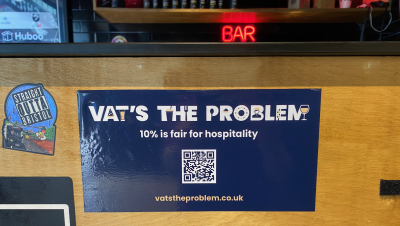
Bristol’s hospitality businesses, especially restaurants, got behind the petition launched by the celebrity chef Tom Kerridge in unison asking the government to slash VAT from 20 per cent to ten per cent.
Reilley said: “It’s a tiny plaster to cover an increasingly gaping wound for thousands of businesses and absolutely nothing for thousands more. It makes good headlines, I guess, but sadly there’s nothing substantial.”
View this post on Instagram
Reilley’s sentiment is shared by other hospitality providers in Bristol.
The Bristol Hotelier’s Association (BHA) said the announcement is “encouraging” but only “scratches the surface”.
BHA has called for VAT cuts from 20 per cent to ten per cent for the whole hospitality sector.
BHA chair Adam Flint said a VAT cut would provide “meaningful support” to businesses facing rising National Insurance contributions, higher wages, increased energy and supplies costs.
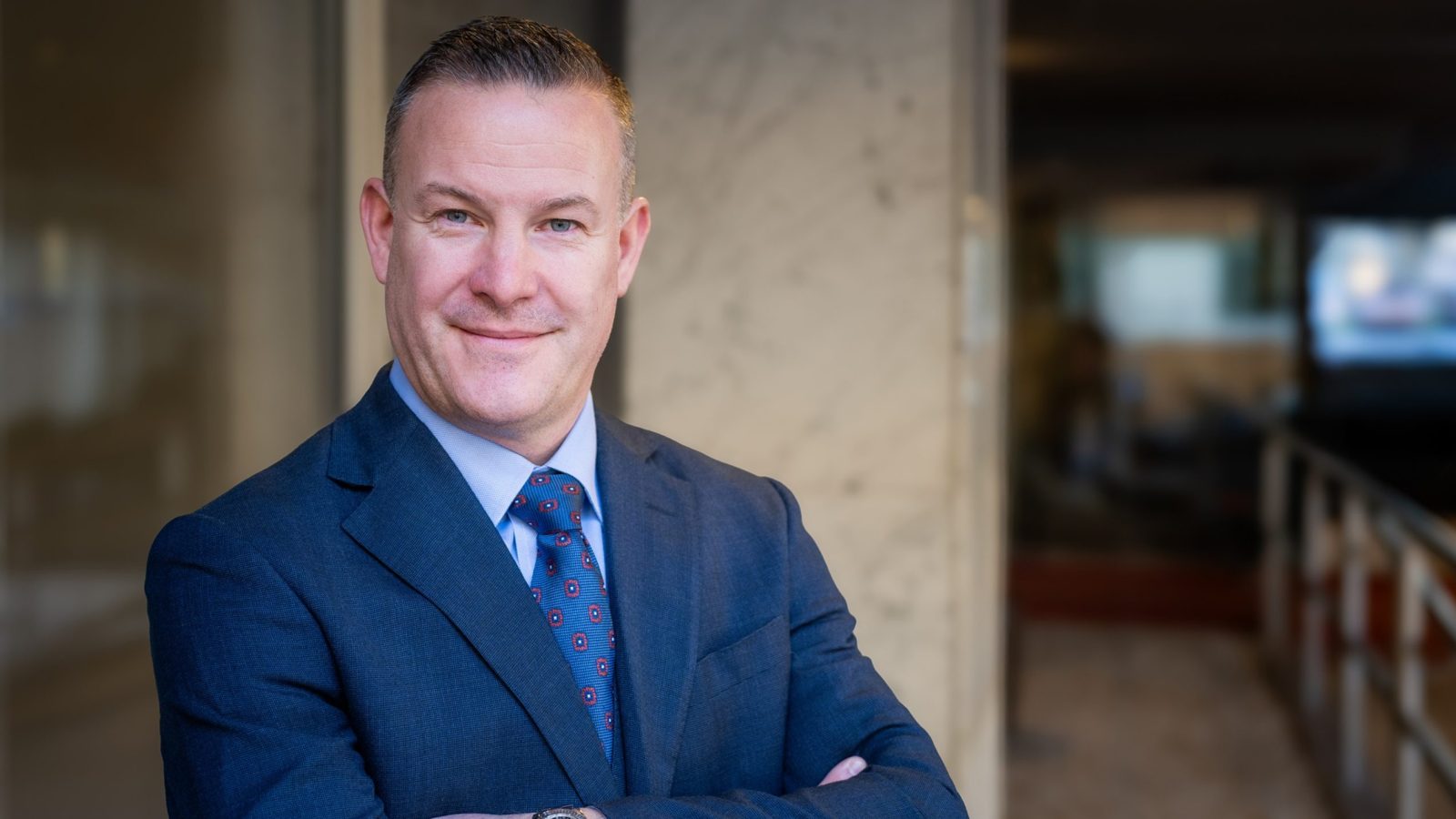
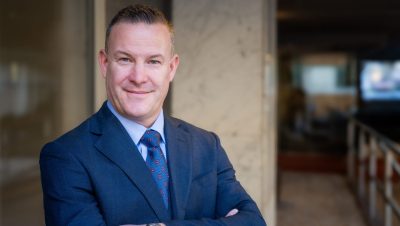
Adam Flint, chair of BHA welcomed the new policy change but added that it “barely scratches the surface of what is needed” – photo: BHA
He said: “The business rates reduction is an encouraging move from Mr Burnham so soon into his time as prime minister, but in reality, it barely scratches the surface of what is needed.
“What will make a real, positive, difference is to cut the rate of VAT, something the sector has been calling for ever since the rate returned to 20 per cent post-pandemic.
“This would enable the whole of the hospitality industry to benefit, including hotels. The past few years have been tough for all of us, not just the pubs, clubs and live music venues.
He added that the reduction in VAT will encourage consumer sales and bring prices down to “a more reasonable level, as many other countries in Europe operate with right now”.
Main photo: Tim Mossford / UNP
Read next:
 Our newsletters emailed directly to you