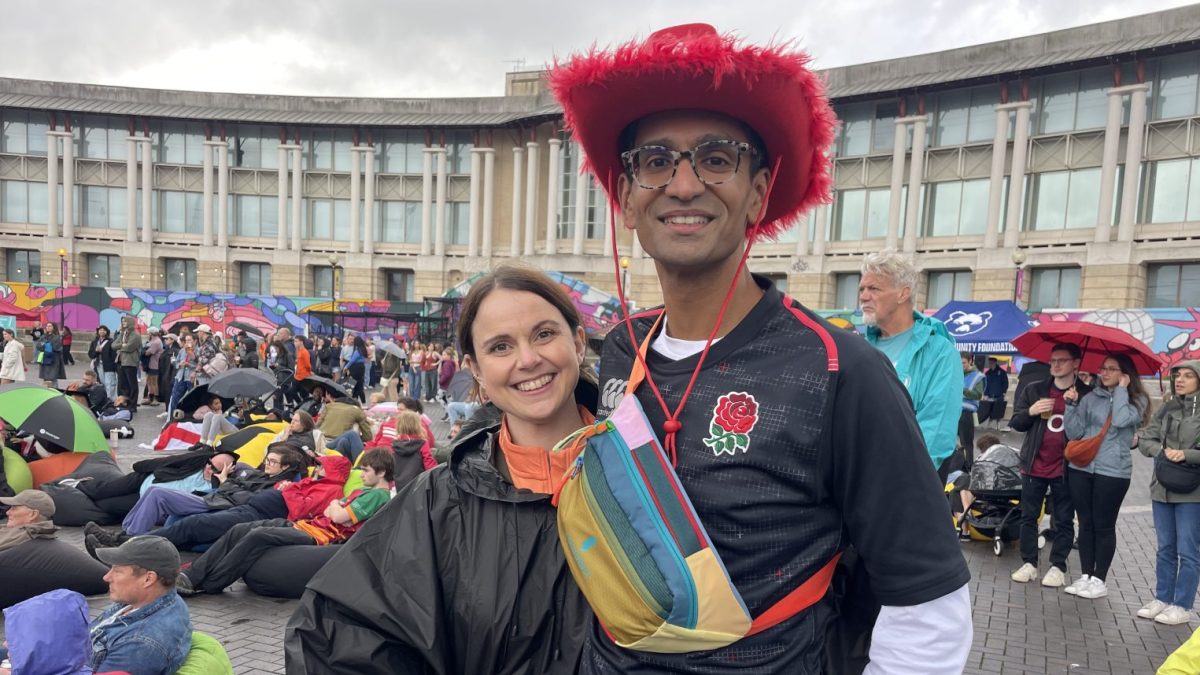
News / visitor economy
Women’s Rugby World Cup delivers £47.7m boost to local economy
As the Red Roses went unbeaten to seal the 2025 Women’s Rugby World Cup, Bristol also claimed a slice of the victory – a multimillion-pound boost to the local economy.
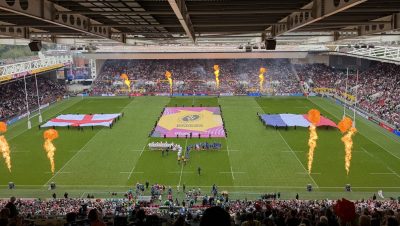
Bristol played a key role in the tournament, hosting both semi-finals, including England’s memorable clash against France, as well as two quarter-final matches.
But the Red Roses were not the only winners.
According to a new report commissioned by World Rugby, hosting matches in Bristol generated a record £47.7m for the local economy – the highest impact of any host city outside London.
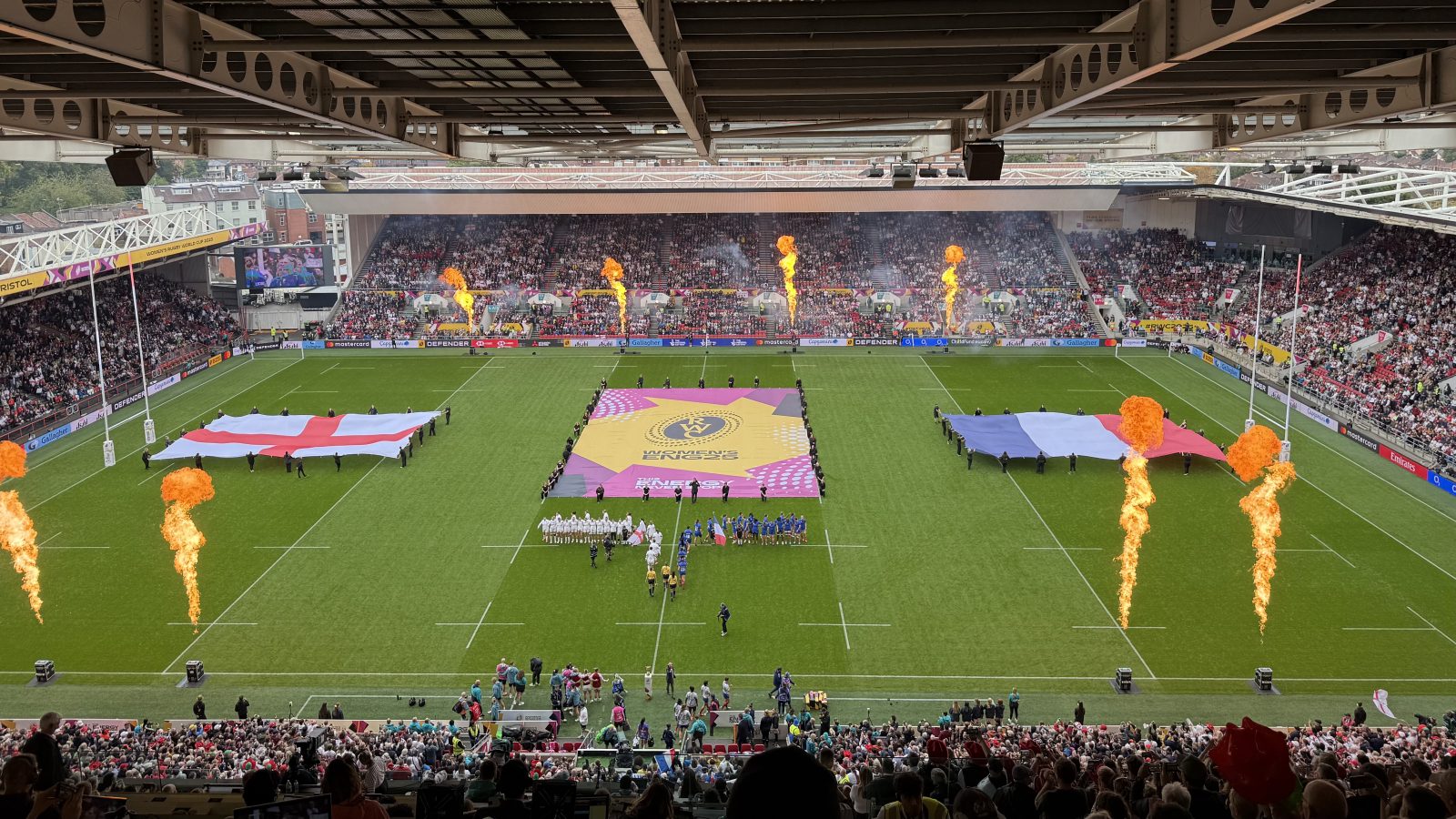
Bristol played a key role in the tournament, hosting both semi-finals, including England’s memorable clash against France, as well as two quarter-final matches – photo: Martin Booth
Kathryn Davis, chief executive of Visit West, said hosting the tournament was a major milestone for the city.
She said: “It showed what we can achieve by working together locally to deliver a major international tournament.
“The impact report from World Rugby is hugely encouraging and reinforces what we already believe — that Bristol is a fantastic host city for international sport which delivers substantial economic benefits for the city and region. We look forward to hosting the ICC T20 Women’s Cricket World Cup this summer.”
More than 92,000 fans travelled to Bristol for the quarter-finals and semi-finals, boosting spending across hotels, restaurants, transport, retail and entertainment.
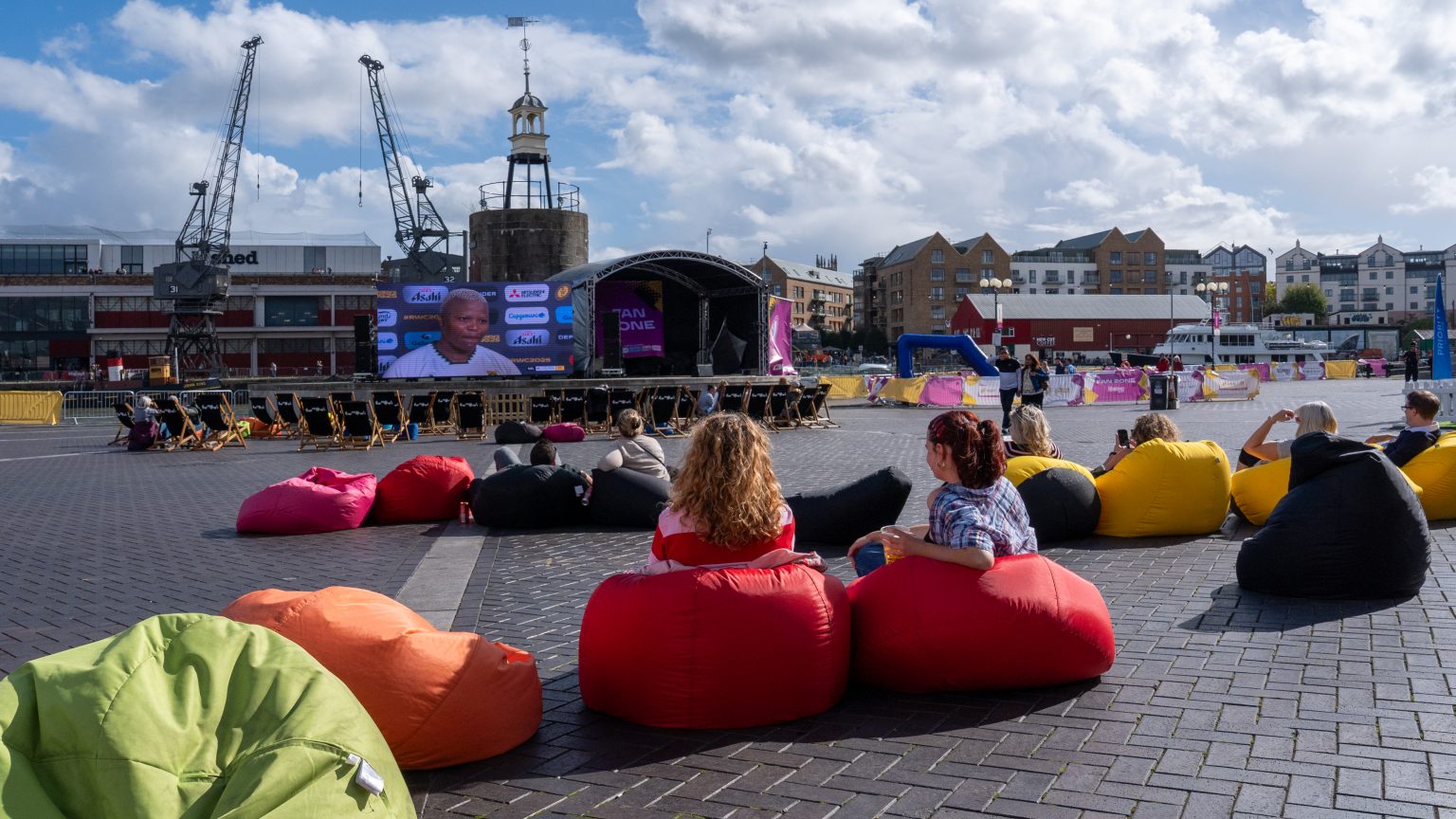
Fan Zone at Cannon Marsh during the tournament – photo: Rob Browne
Many visitors extended their stays to explore the city’s food, culture and attractions.
Bristol hoteliers welcomed the trading boost prompted by the World Cup, which proved to be a huge boon following the difficult period after the pandemic.
The economic impact was £10.9m above the average for host cities, with hotels reporting 90 per cent occupancy and a 30 per cent increase in revenue during match weekends.
During England’s World Cup campaign, Bristol Bears players Abbie Ward, Sarah Bern, Lark Atkin-Davies and Bristol Legends nominee Hannah Botterman played a pivotal role in sealing the most coveted trophy in women’s rugby.
Ross Wormald, chief operating officer of Ashton Gate Ltd, said the findings highlighted the stadium’s growing importance beyond sport.
He said: “This report is fantastic news for Bristol and the South West and shows what a great collective city-wide effort it was. It demonstrates Ashton Gate’s growing importance not only as a sporting venue but as a driver of regional economic growth and tourism.”
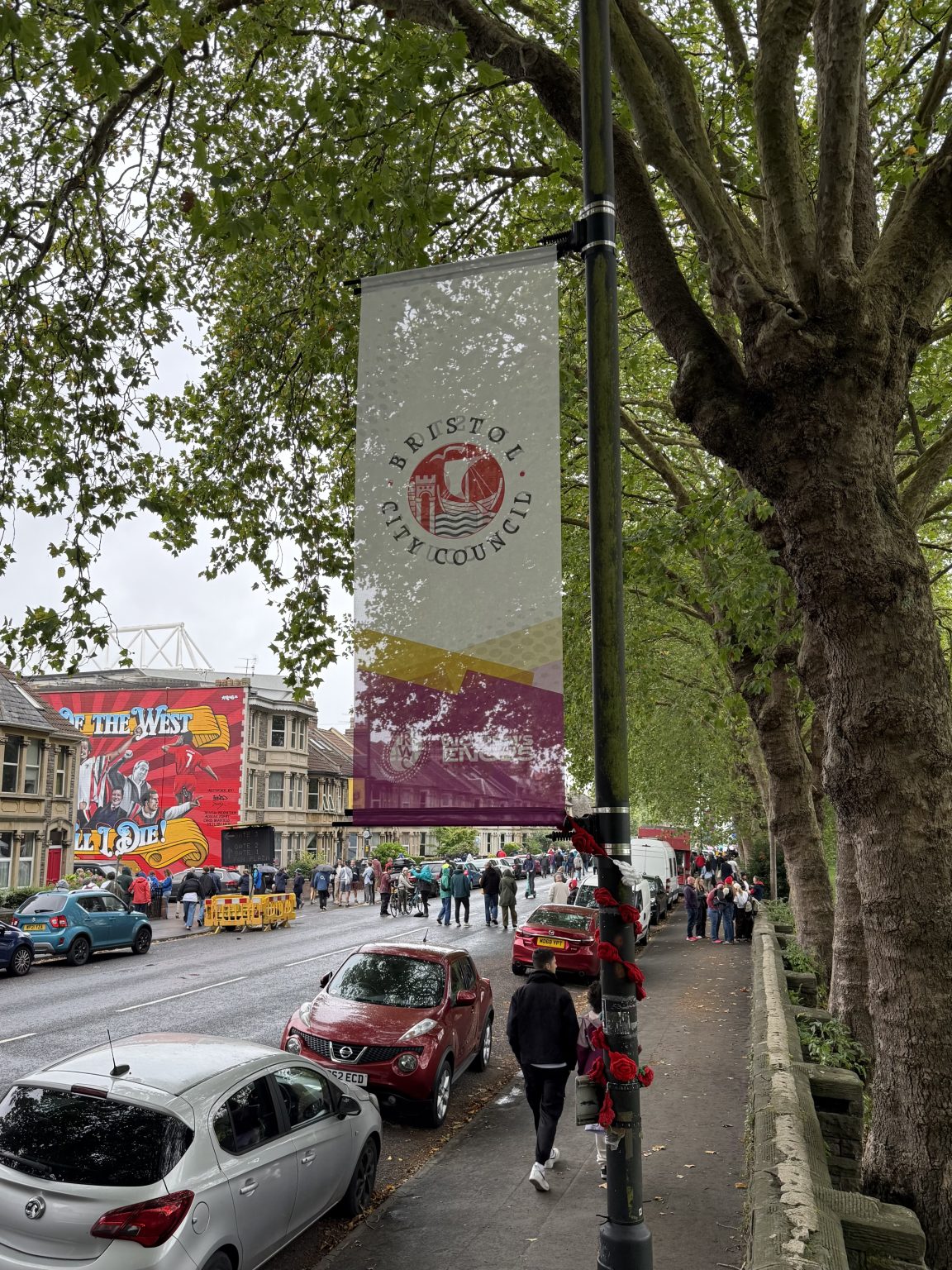
More than 92,000 fans travelled to Bristol for the quarter-finals and semi-finals, boosting spending across hotels, restaurants, transport, retail and entertainment – photo: Martin Booth
Heather Mack, deputy leader of Bristol City Council, added: “The success of the Red Roses and Bristol as a host city is driving unprecedented involvement in women’s rugby and has showcased our city as a place that can host and deliver on the biggest stage.”
Main photo: Betty Woolerton
Read next:
 Our newsletters emailed directly to you