Film
The Headless Woman
- Director
- Lucrecia Martel
- Certificate
- 12A
- Running Time
- 89 mins
Occasionally a film turns up that proves to be so disappointing, despite being garlanded with praise and awards, that one cannot help but suspect a saboteur has craftily re-edited it to take out all the good bits. Such is the case with Argentinean director Lucrecia Martel’s 2008 follow-up to her equally over-praised La Cienaga and La Nina Santa. The Headless Woman (“nothing short of a masterpiece”, according to The Guardian’s five-star review) promises much but delivers virtually nothing.
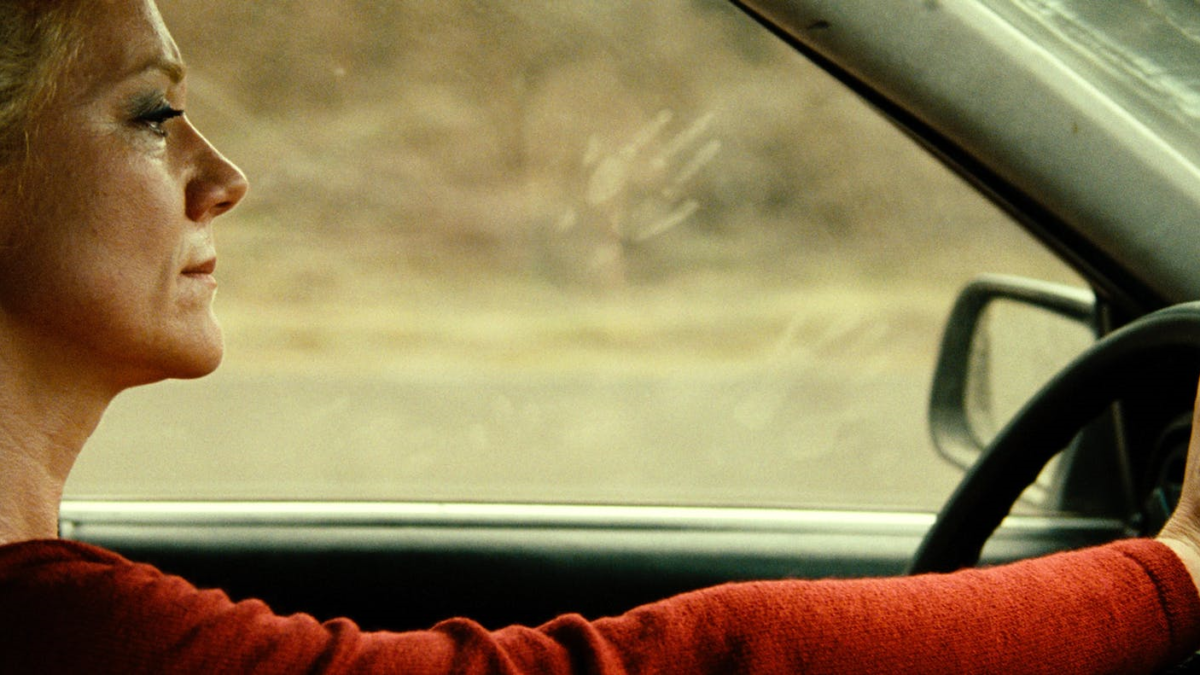
The set-up is intriguing enough to keep you wondering what the likes of Lynch, Almodovar or even Hitchcock might have done with it. There’s certainly plenty of time to speculate as these 89 minutes drag by. A middle-aged woman (Maria Onetto) is driving home from a family gathering when her mobile phone rings. As she reaches down to retrieve it, there’s an almighty jolt as she runs over something in the road. She stops to recover her composure, continues driving for a while and then gets out of the car (the camera remains inside) to pace up and down a bit. Then it starts to pour with rain. We subsequently learn that she’s a dentist named Veronica who appears to be cheating on her hubby with a member of her extended middle-class family. So what happened? Did she kill a dog? Or, as she begins to suspect, was she responsible for the death of one of the urchins we saw playing with the mutt in the film’s opening shots? Don’t expect an answer, because this is an art movie of the dreariest variety, whose star wanders through it somnolently with a fixed, vaguely distracted expression, presumably intended to signify guilt and trauma.
The Headless Woman is the kind of ditchwater-dull, wilfully oblique twaddle that gives world cinema a bad name and serves to alienate audiences or confirm the worst prejudices of detractors. Martel’s intention seems to be to immerse us in Veronica’s disconnected state (hence the title) as the film becomes a protracted, clunking political allegory about the treatment of the underclass, who are always milling around in servile roles – and, perhaps, even Argentina’s ‘disappeared’. Alas, the hapless punter soon becomes as detached as the protagonist, hoping in vain that after enduring this interminable trudge there will at least be some kind of payoff or explanation before the closing credits.
is needed now More than ever
 Our newsletters emailed directly to you