Other Sport / korfball
‘The best sport you’ve never heard of’
“I started playing at uni – a lot of us do. But I wish I had joined sooner,” says Nadine Gallagher.
Korfball isn’t exactly a household name in the UK. In fact, most people (including this reporter until recently) haven’t heard of it at all.
But in Bristol, there are a handful of groups quietly growing the sport.
is needed now More than ever
One of the main hubs is Bristol Thunder Korfball Club which was shortlisted in the Sport category at Bristol24/7’s first-ever Bristol Legends awards.
The club proudly describes korfball as “the best sport you’ve never heard of.”
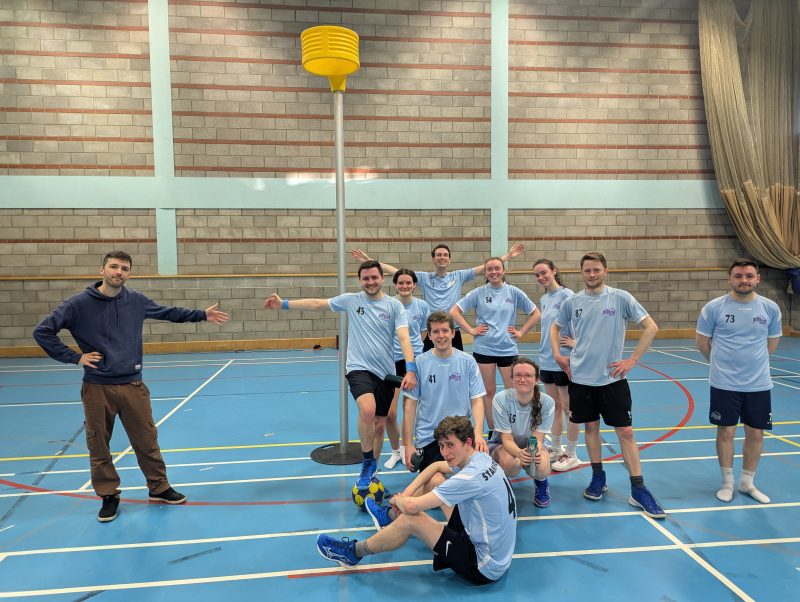
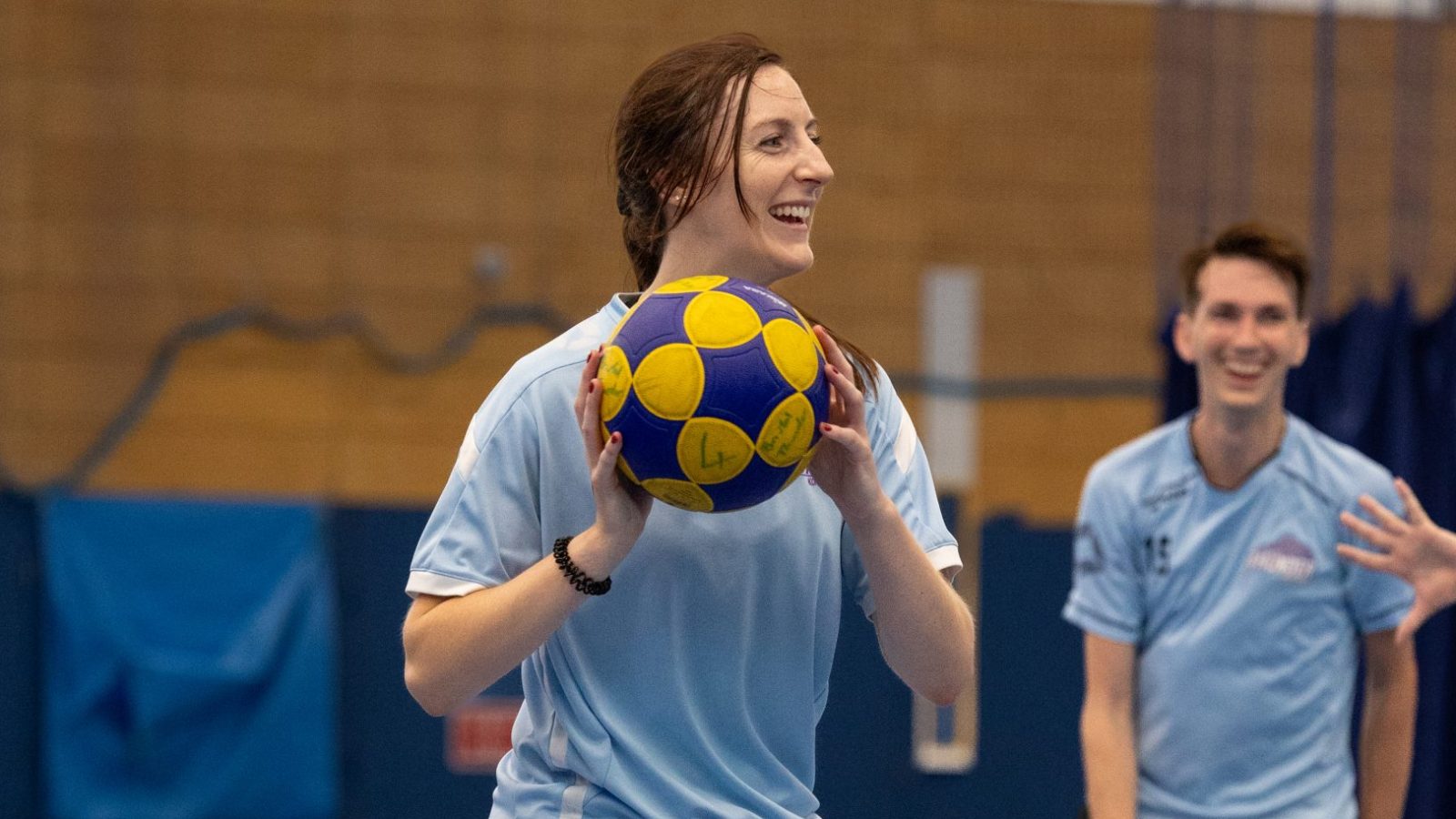
Bristol Thunder Korfball Club welcomes new players of all abilities
For Nadine, a product designer who lives in Redland, it started as something to try after moving to the city and quickly turned into her main social circle.
“As soon as I moved to Bristol, I sought out a korfball club. It’s such a good way of meeting people. Ninety nine per cent of my friends here in Bristol are because of the club.”
That social side comes up again and again. Thunder has grown into one of the biggest clubs in the city with space for complete beginners right through to competitive players.
Korfball, originally from the Netherlands, is played in mixed-gender teams, with strict rules ensuring equality between players. Once you’ve got the ball, you have to shoot or pass it. You can bounce once, but you can’t dribble. It’s truly unisex, but within that, rigorously segregated: women mark women and men mark men.
“So it’s a little bit like netball and basketball, but more fun than both,” says the 29-year-old. “There’s a goal on each end, which we call a korf.”
The structure of the game is designed to keep things balanced and dynamic and, unlike many traditional sports, korfball removes positional restrictions and physical mismatches.
Nadine explains: “There are no set positions. So even if you’re small, you’re allowed to shoot. And because you swap after every two goals, you have to be good at defending as well as attacking. So that makes it really fun.”
It’s this inclusivity that keeps players coming back and challenges assumptions about mixed sport. Nadine explains: “As a gal, if you’re better than your female opponent on the day, you can be more useful than the men on your team, so it’s not like mixed netball, where you need a minimum amount of women to make a team legal.”
“It’s very normalised now to play mixed sports, so much so I’m not really interested in non-mixed sports now. Why go back after that?”
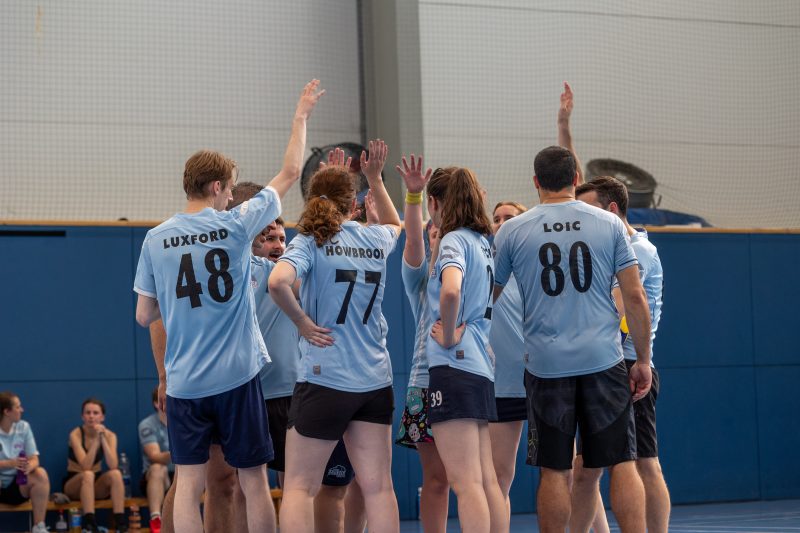
The club now runs five teams, including a first team competing at the highest level in the country
But korfball still isn’t widely known in the UK, and Nadine thinks that mainly comes down to exposure rather than interest.
“People are confused just hearing the name. I suppose, as it’s a Dutch word, it sounds odd to some.”
She goes on: “A lot of people don’t try until uni. So unless you come across it then, most people have played through a friend.”
Clubs like Thunder are trying to change that by establishing a clear pathway from beginner to elite level. The club now runs five teams, including a first team competing at the highest level in the country.
“We are big as a club and we’re very competitive within that. We’re doing quite well this season,” Nadine says modestly.
At the same time, the club leans heavily on being welcoming: “We want people to try it, even if they can’t catch a ball yet – it’s no reason not to give it a go.”
That mix of competitiveness and friendliness runs through everything, not just training.
“We love a party,”says Nadine. “In the summer, we train less, but we see each other a lot. We’ve got a WhatsApp community with different groups within that as well.”

The balance between competition and community is reflected in the club’s culture
With growing membership (the club currently has 72 members) and increasing visibility, the next step is expansion, with Nadine saying the club would “love a sixth team that was just for brand new folks”.
However, like many amateur sports clubs in Bristol, access to facilities is a constant hurdle and court time in Bristol “is at a premium” according to Nadine.
Even so, from local leagues to international tournaments – where some Thunder players represent national teams – the club is steadily growing.
So why does she think people should try korfball?
“If you’re wanting to make friends, join. It’s a great way of keeping fit without realising that you’re fit. You’re running around, but you’re distracted because you’re having so much fun.”
Bristol Thunder Korfball Club welcomes new players of all abilities. Training updates are shared on Instagram @bristolthunderkorfball and via Meetup.

This article originally appeared in the Bristol24/7 May/June magazine
All photos: Bristol Thunder Korfball Club
Read next:
 Our newsletters emailed directly to you