Cricket / guy bailey
Unbeaten innings of a civil rights pioneer
Without lionisation, Guy Bailey is one of Bristol’s greatest sons. As a pioneer of the Bristol Bus Boycott, he helped dismantle the institutional “colour bar” that scarred post-war Britain, paving the way for the Race Relations Act 1965 and eventually the Equality Act 2010.
From his teenage years, Bailey was a committed campaigner. Bristol’s two universities awarded him honorary degrees for his contribution to community life and he received an OBE among many other honours.
But when Bristol24/7 met him recently at the Rose Green Centre in Whitehall, our conversation turned to a lesser-known chapter of his life: cricket.
is needed now More than ever
For Bailey and many in the Caribbean diaspora, cricket was never just a sport. It was one of the few spaces where they could assert: “We’re as good as you.” The red ball became a symbol of resistance against exclusion.
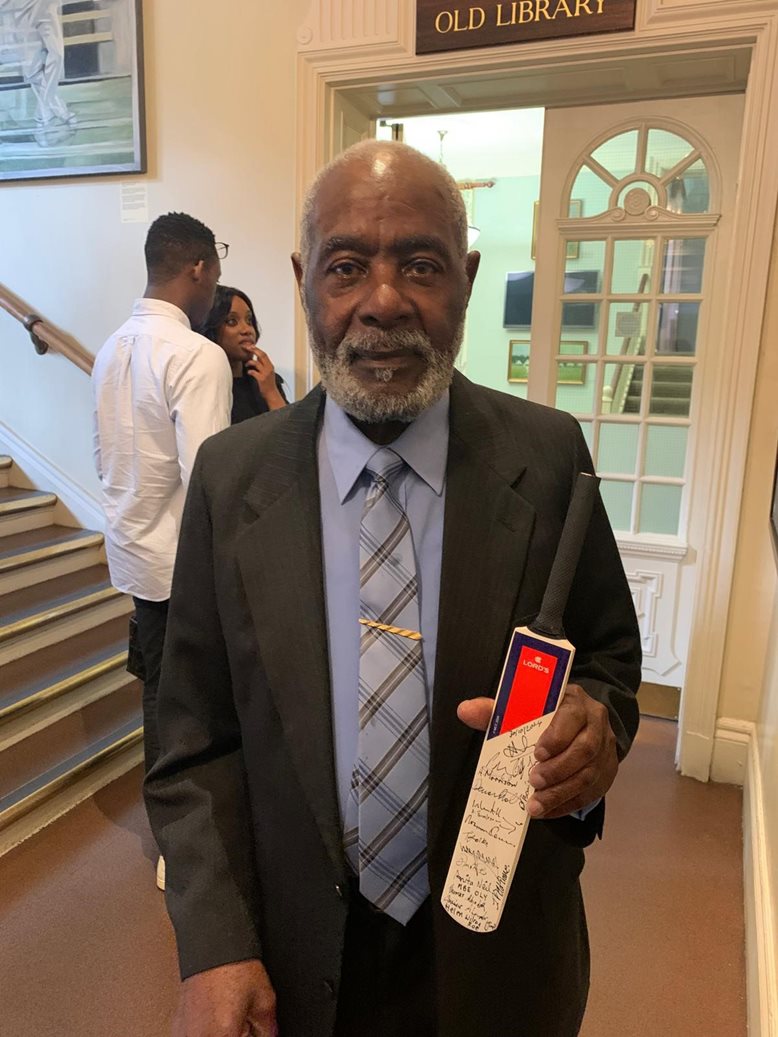
Bristol Bus Boycott pioneer Guy Bailey’s contribution being recognised at Lord’s, home of cricket – photo: Helen Wilson Roe/ MCC
Cricket was no escape from the realities closer to the ground, but on the contrary, a powerful expression of the struggle against injustice and inequality.
The Windrush generation faced discrimination in housing, employment and education, and sport was no exception. Cricket clubs in Bristol and beyond were often hostile, and even accepted Black players frequently faced selection bias.
To understand what cricket meant to both the Windrush generation and the people of the Caribbean islands, a cursory viewing of the film Fire in Babylon (2010) offers useful context.
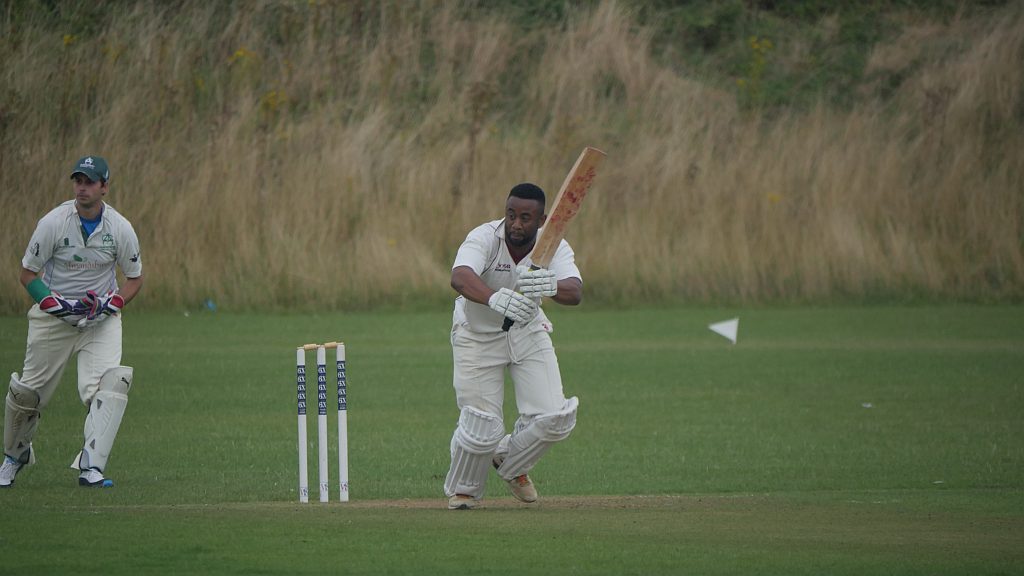
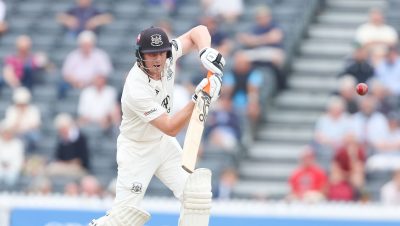
Bristol West Indian Phoenix CC is one of the most formidable teams in Bristol & District League – photo: Bristol West Indian Phoenix CC
As a teenager who loved cricket, Bailey struggled to find a club willing to take him, so he and his friends played impromptu games in Eastville Park before forming something of their own.
The Rose Green Centre became more than a cricket ground. For three generations, it was a social hub for Bristol’s Caribbean community, a place to gather, listen to music and relax without fear of prejudice or reprimand. It was their space.
Looking over the ground ahead of another season, Bailey reflected on the club’s beginnings. Asked about the team colours, he said: “It had to be maroon. That is the colour of the West Indies.”
He co-founded Bristol West Indian Cricket Club in 1963, but faced immediate resistance.
The club’s first league application was rejected after lengthy deliberation, but they were admitted on a second attempt, making their debut in the league in 1965 with Joe Halstead as captain and Bailey among the players.
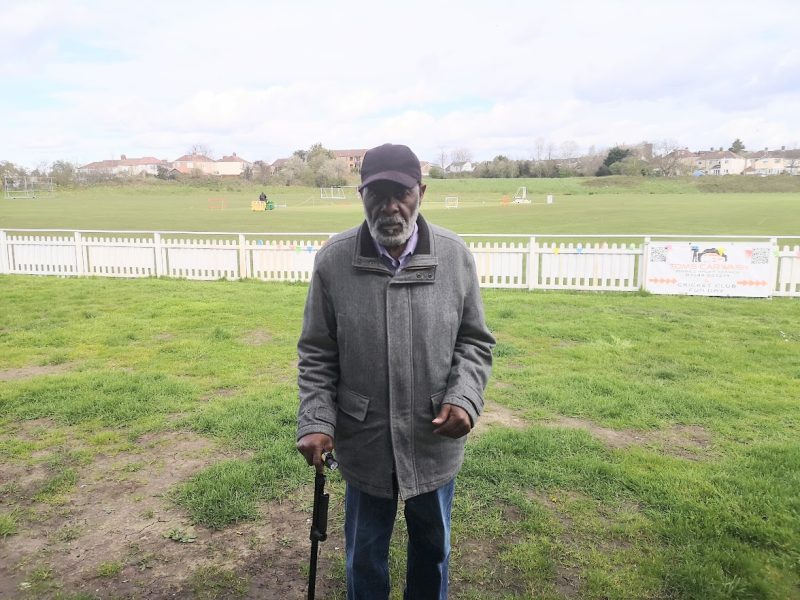
Bristol Bus Boycott pioneer co-founded Bristol West Indian CC back in 1963 – photo: Milan Perera
“Some teams wouldn’t play us,” he recalled. “Some teams would only play after a ‘trial’. We beat them so hard and they had no choice but to play us.”
An explosive number three batsman, Bailey later captained the side in the 1970s. “I was more of a batsman. I’ve won a few things,” he said modestly.
His trophy cabinet at home speaks volumes of the player he was for the Bristol West Indians during its formative years.
A photo in the club archive shows Roy Hackett presenting him with an award, symbolising how cricket and the civil rights movement in Bristol became intertwined.
Building the club required more than sporting success. Facilities had to be funded. It cannot be run purely on goodwill.
“Nobody was readily giving us the money to build the grounds,” Bailey said. “We had to work hard to raise the funds.”
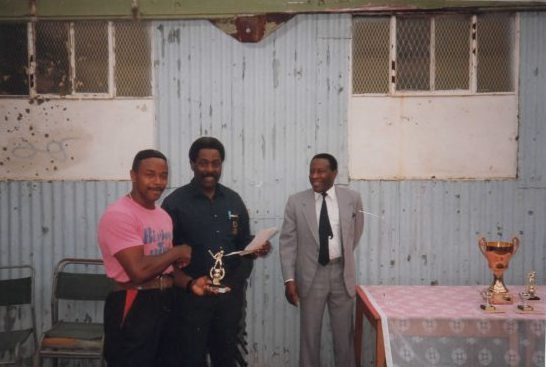
Guy Bailey receiving a cricketing trophy from Roy Hackett, another Bristol Bus Boycott pioneer – photo: Bristol West Indian Phoenix CC archive
Bailey later secured £950,000 from the Lottery Fund and Sports Council, helping transform the Rose Green Centre into a permanent home for the club and wider community.
Its impact extended beyond sport, offering young people of Afro-Carribean heritage discipline, confidence and opportunity. Among its most famous “alumni” was David Lawrence, the first British-born Black cricketer to represent England.
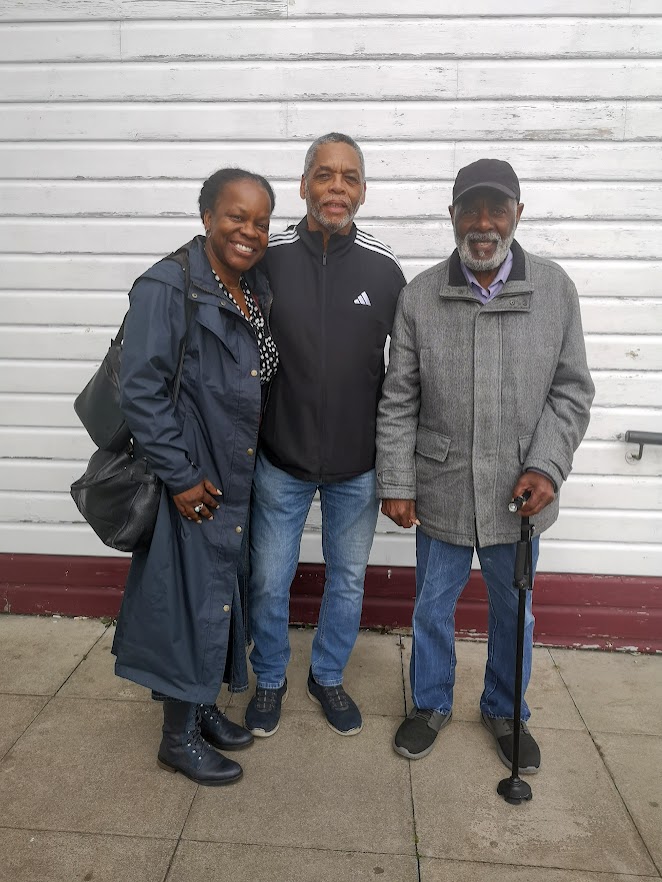
Dr Marie-Annick Gournet, associate pro vice-chancellor (Reparative and Civic Futures) at the University of Bristol and Noel Beresford, licensee at the Rose Green Centre with Guy Bailey – photo: Milan Perera
At the mention of Lawrence, Bailey’s face lit up.
“I met him in his teens. They came from Gloucester. I met his parents and they wanted him to stay out of trouble. He needed a mentor and I happened to be there for him. He trained hard and played hard. He was very fast.”
Lawrence went on to play for Gloucestershire alongside club greats such as Mike Proctor, Andy Brassington, Courtney Walsh and Zaheer Abbas before injury ended his England career abruptly.
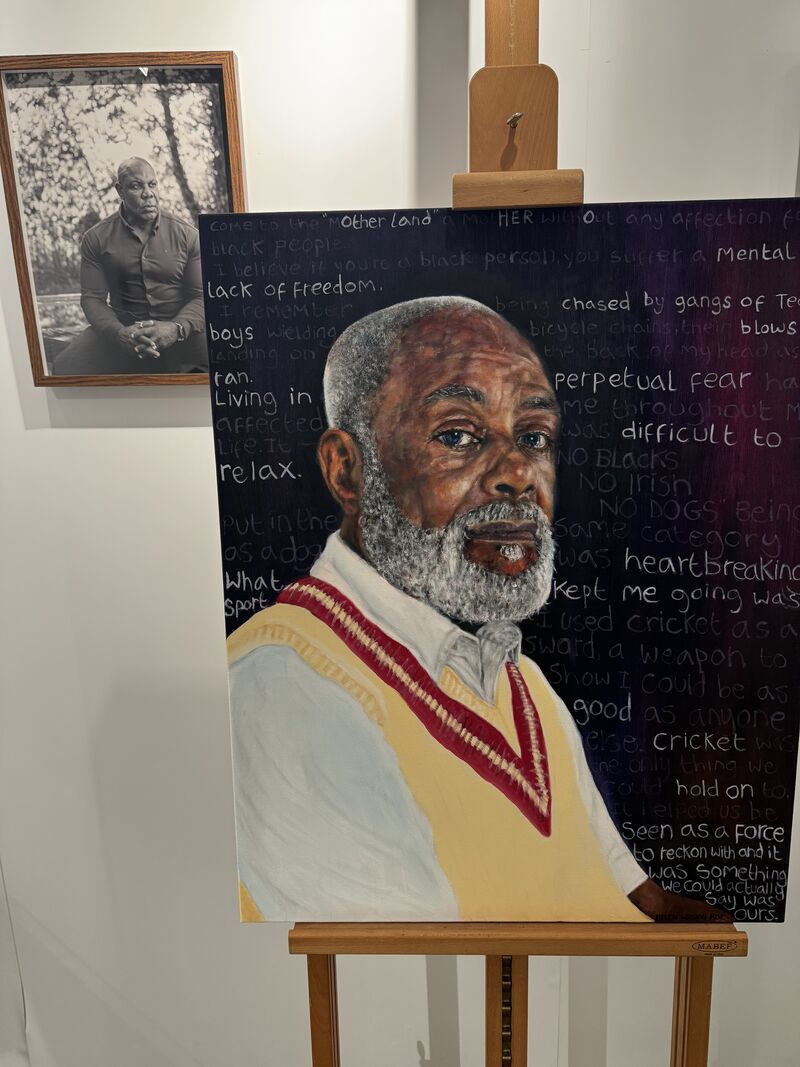
in 2024, Bailey’s portrait by Helen Wilson Roe was unveiled at the Marylebone Cricket Club (MCC) Museum, with the image of his protege David “Syd” Lawrence in the backdrop – photo: Mark Alleyne
Other figures nurtured by the club include Marvin Rees, the first Black mayor of a major European city, Premier League footballer Reuben Reid and several county cricketers.
In 2013, Bristol West Indian merged with Phoenix West Indian to form Bristol West Indian Phoenix Cricket Club, now one of the strongest in the Bristol & District League.
In 2024, Bailey’s portrait by the local artist and sculptor Helen Wilson Roe was unveiled at the Marylebone Cricket Club (MCC) Museum at Lord’s as part of the England’s Black Cricketers exhibition.
Bailey’s portrait stood among that of some of the biggest cricketing superstars in history such as Garfield Sobers, Viv Richards and Brian Lara.
The event was attended by former England fast bowler Devon Malcolm, Gloucestershire men’s head coach Mark Alleyne and Joan Fieldthorne, a member of Bristol West Indian Phoenix CC.
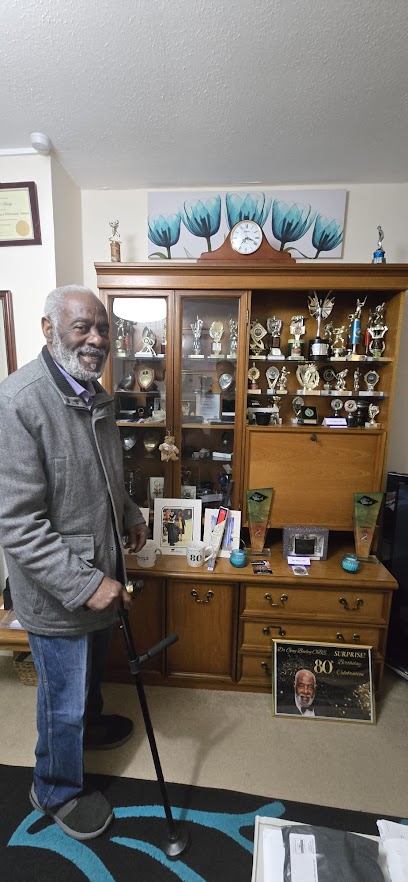
An explosive number three batsman and former captain of Bristol West Indian CC, Guy Bailey was the proud recipient of numerous cricket trophies – photo: Marie-Annick Gournet
Asked to name his favourite cricketer, Bailey answered instantly: “Garfield Sobers.” Then, with a smile, he added: “I like them all.”
The club, which Bailey co-founded, has gone from strength to strength. The club comes under West of England Premier League (WEPL) and Bristol & District League (B & D), with three senior teams. There is a robust youth programme harnessing the next crop of talent for the club.
Bailey’s influence remains as strong today as it was more than six decades ago. Dr Marie-Annick Gournet, associate pro vice-chancellor (Reparative and Civic Futures) at the University of Bristol, counts him among the most significant influences on her academic journey and personal life.
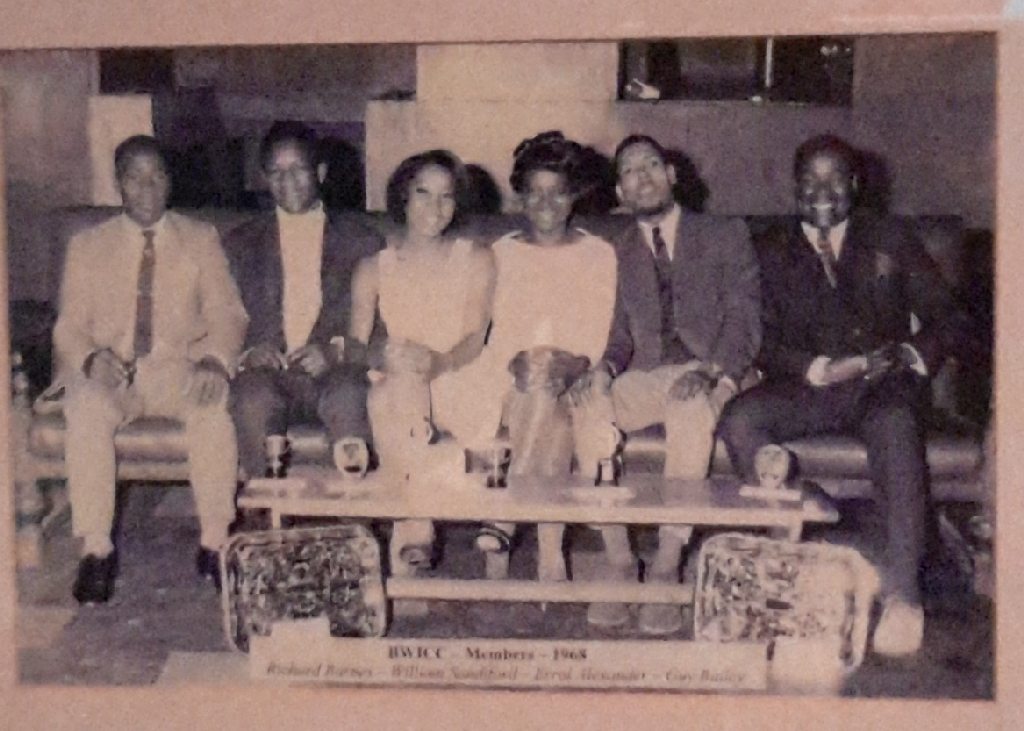
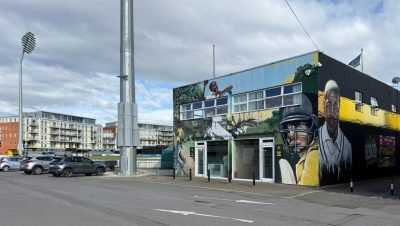
Rose Green Centre has been more than the home of Bristol West Indian Cricket Club, but a social hub for three generations of the Caribbean community in Bristol – photo: Bristol West Indian Phoenix CC archive
Andy Brassington, former wicketkeeper of Gloucestershire, who once shared a dressing room with David “Syd” Lawrence, hailed Bailey as a “champion of local cricket”.
He said: “In my 53 years of living in Bristol and being involved with Cricket and business I can honestly say that there are very few people that I have as much respect for than Guy Bailey. He is and always has been an inspiration to so many people. I truly feel honoured to call him my friend”.
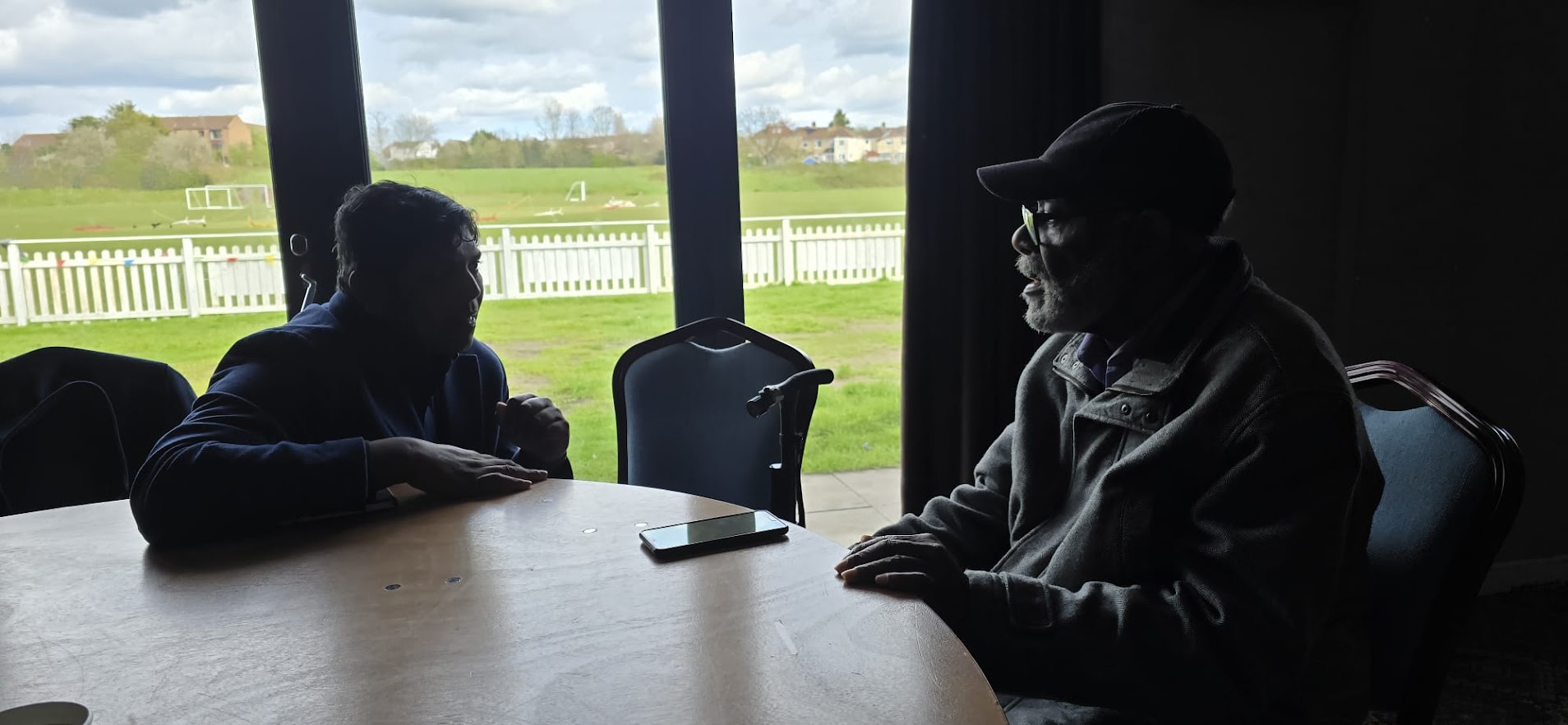
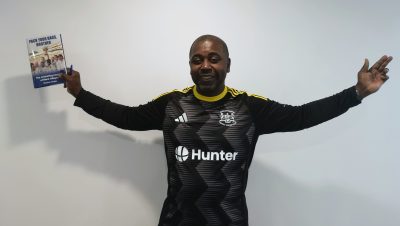
Guy Bailey speaking to Bristol24/7 about his journey in city’s cricket scene – photo: Marie-Annick Gournet
More than 60 years on, he still follows the fortunes of the club on every Saturday – a living link to Bristol’s cricketing history and its long struggle for equality.
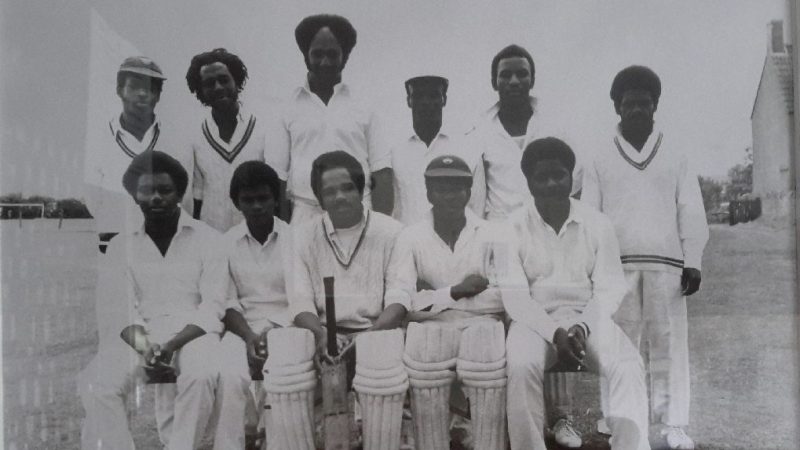
Main photo: Bristol West Indian Phoenix CC archive
Read next:
 Our newsletters emailed directly to you