Your say / social media
‘A social media ban gives children the space they need to have a childhood’
Earlier this year, a group of parents gathered at a primary school in Southville to talk about how social media was impacting the lives of their children.
This was one of many meetings that took place all over the country during the government’s recent consultation on whether we should restrict access to social media for young people.
That national consultation elicited over 116,000 responses, a level of interest reflected in the large numbers of e-mails about the topic sent to my constituency inbox.
is needed now More than ever
Much of the correspondence I received on the issue was from people who had been moved to write to their MP for the first time.
Now, the prime minister has announced that the government will be going ahead with a full ban on social media for under-16s, with consideration of curfews for 16- and 17-year-olds as well as further restrictions on specific harmful features.
It is worth reflecting on what this change will mean for young people.
Depending on definition, social media is a technology that has been with us for about the last two decades.
The phenomenon of young people living their entire childhoods with constant access to these apps due to the rise of smartphones is more recent still.
In that time, public policy has simply not kept up with the pace and scale of change, nor with the evolution of our understanding of what these technologies mean in practice.
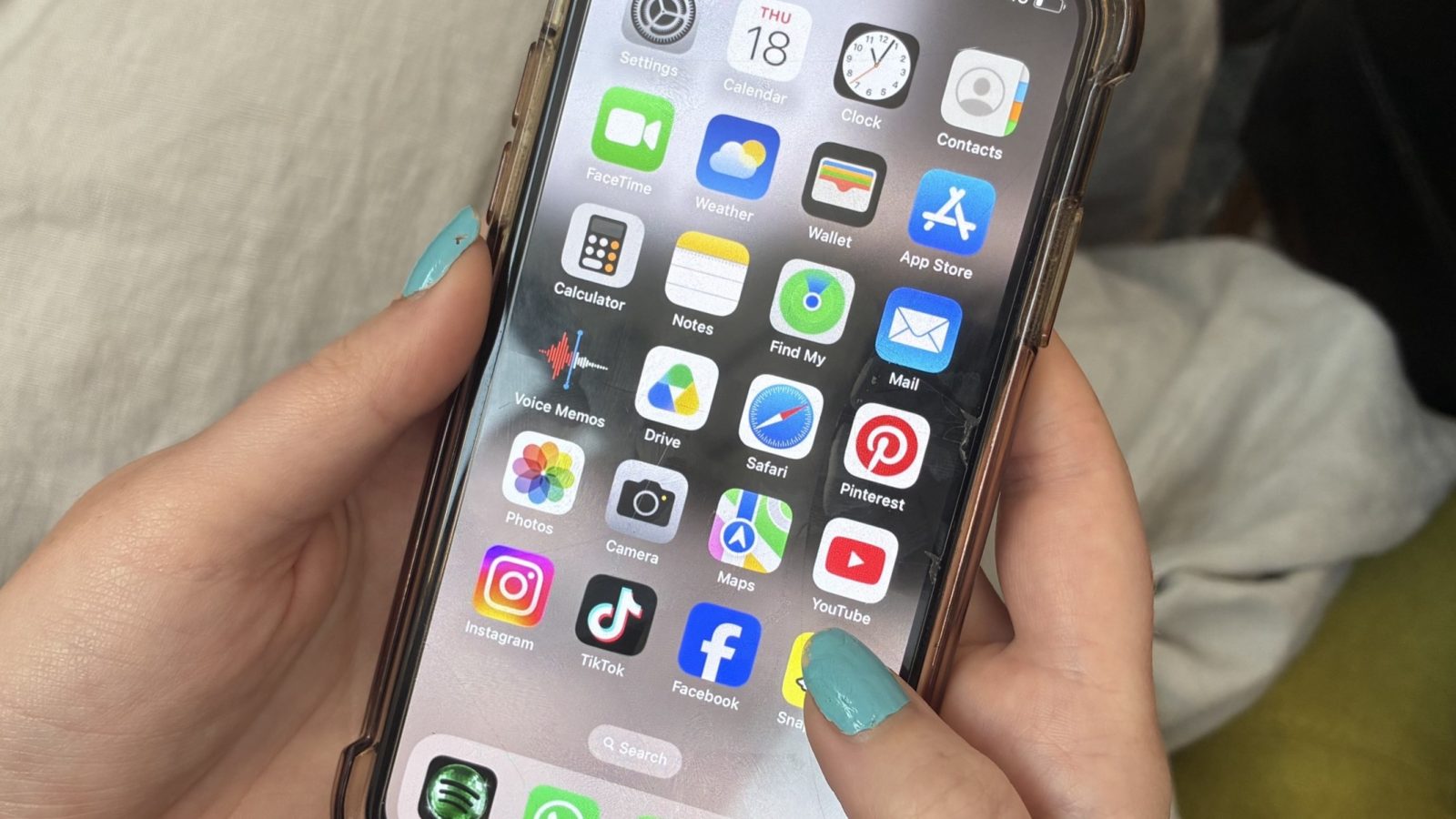
Parents have increasingly felt helpless as children have been ever more wrapped up in an online world that exposes them to harmful content, assailed by images of unattainable beauty standards, unscrupulous content creators who use extreme views and behaviour to capture attention, and which can amplify the bullying of the playground into 24/7 campaigns of digital harassment.
Many parents feel that the biggest detriment is to their children’s time: hours spent scrolling an infinite carrousel of short videos designed to be addictive instead of spending time with friends, reading for pleasure or enjoying the great outdoors.
In short, the very things that we have long understood as key components of a happy childhood.
Young people themselves have also shown a strong appetite for change, with two-thirds of under 18s who responded to the consultation expressing support for restrictions on at least some social media use.
Nonetheless, the ban has been criticised.
While it is not surprising to hear objections from the big tech companies themselves as well as some of those ‘influencers’ who have profited from young people’s attention, others have raised legitimate concerns, and it is worth taking those seriously.
One issue is whether young people will find ways to subvert the ban. The simple answer is that yes, they will, but not all young people, certainly not most young people, and that they will do so is not a reason not to act.
That under-18s find ways to drink alcohol is not a reason to give up on age restriction. As the prime minister said, laws are also an expression of our values, and this ban is a clear statement of the kind of childhood we want to give our children.
Another objection is that the government’s approach should instead be encouraging ‘safety by design’ – that is to say changing how social media platforms operate to minimise potential harm – and that a blanket ban lets big tech off the hook.
I agree that tech-companies should be much more responsive to allegations of potential harm, for example by employing screen-time limits, enhanced content moderation and changing algorithms to make them less addictive.
However, these measures still do not answer the deeper question of whether it is a good use of time in a child’s formative years to be scrolling on platforms whose purpose is to commodify and monetise attention. I contend that it is not.
Others have quite rightly raised the decimation of youth services over the 14 years of Tory austerity and question what alternatives there will be for young people once the ban is in place.
While parents have a responsibility in this space, government policy must also play a central role.
The fantastic 224 Youth Zone which is officially opening in Bristol South this month is a case in point of how targeted funding in the right areas, collaborative working in local areas and a genuine commitment to listening to what young people want and need can produce truly excellent and diverse youth provision.
The government’s Youth Strategy, launched last December, will also be crucial to restoring the capacity of our youth services by rebuilding the workforce, investing in facilities, and making sure every young person has a trusted adult who can offer them guidance and support.
Our national conversation about these technologies must not end with this ban.
Indeed, dealing with the all-pervasive nature of online communications is one of the defining questions of our time.
In the past few years, we have seen tech platforms gut their content moderation operations and use changes to the algorithm to favour the most divisive content, stoking hatred and division.
The rise of AI chatbots presents new challenges, with concerns raised about how the most vulnerable may end up using them as a form of digital self-harm.
These are live conversations and interventions by this Labour government has already prompted climb-downs from big tech – for example, the prime minister forcing Elon Musk to stop X’s in-built AI, Grok, from producing sexualised deepfakes.
What this social media ban will do, however, is give our young people back the space they need to have a childhood worthy of the name.
It will break the assumption that these technologies are ‘normal’, inevitable, an unremarkable aspect of modern life, rather than the addictive-by-design imposition on our attention that they are in reality.
It will take back power from unaccountable, overseas tech companies and restore it to parents and children.
It will always be a parent’s responsibility to raise their children – nothing about this ban changes that. Rather, the ban supports parents to have the agency they need.
This is an opinion piece by Karin Smyth, the MP for Bristol South
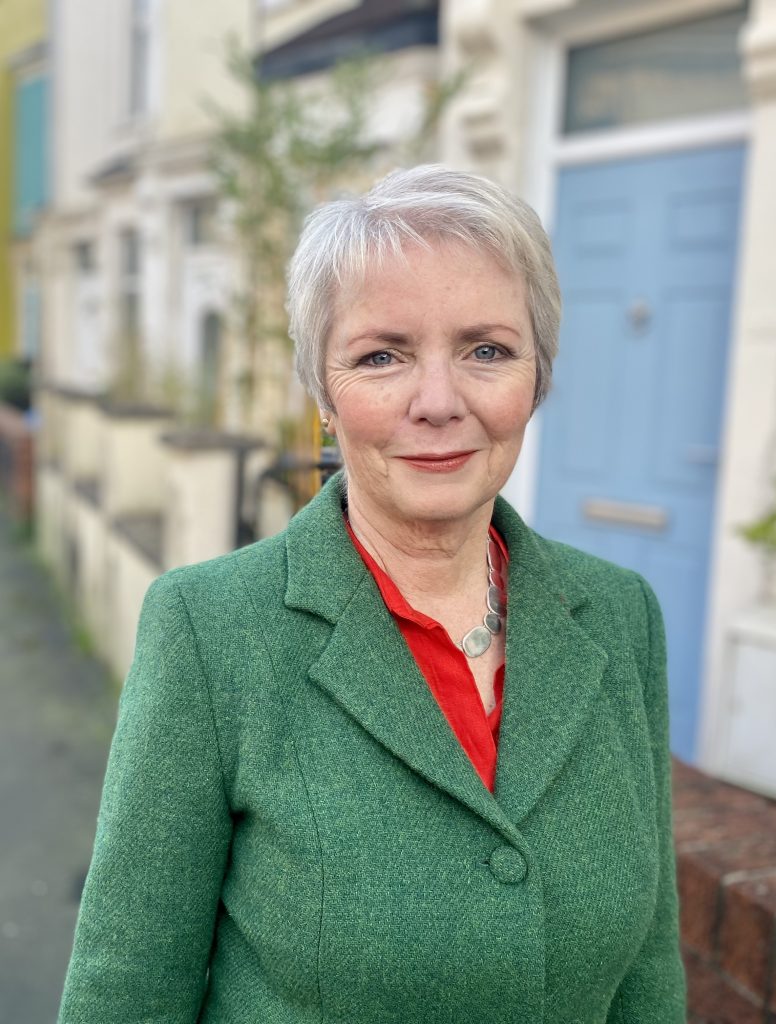
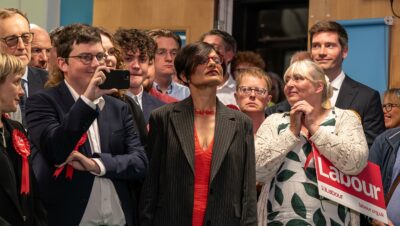
Karin Smyth has been MP for the Bristol South constituency since 2015 and is currently minister for secondary care – photo: Karin Smyth
Main photo: Luke Buckland
Read next:
 Our newsletters emailed directly to you