Your say / community
‘Decades of neglect are fuelling a growing mistrust in public institutions’
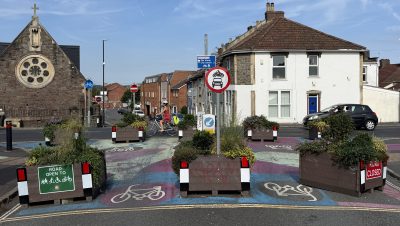
The city council, along with various councillors of differing seniority and wards, continue to justify the East Bristol Liveable Neighbourhood scheme with inconsistent and detached reasoning.
One minute it is about changing habits; yet it has been repeatedly said Lawrence Hill has the lowest car ownership in Bristol.
Next, it’s framed around tackling child obesity; yet the ward sits with a 55 per cent child poverty rate.
is needed now More than ever
It’s supposedly about clean air, but many residents are living in flats plagued by mould, damp, and expensive and outdated heating systems.
It’s about reducing single-occupancy trips, yet many households already car share. Two or more people often commute together to warehouses, cleaning jobs or care work.
Every journey is essential, and low-income residents can ill afford the extra fuel costs caused by detours, traffic queues and prolonged idling.
Quality of life has deteriorated. Children travelling further for education, due to limited spaces in local schools, now wake earlier and return home later, cutting into homework time and family life.
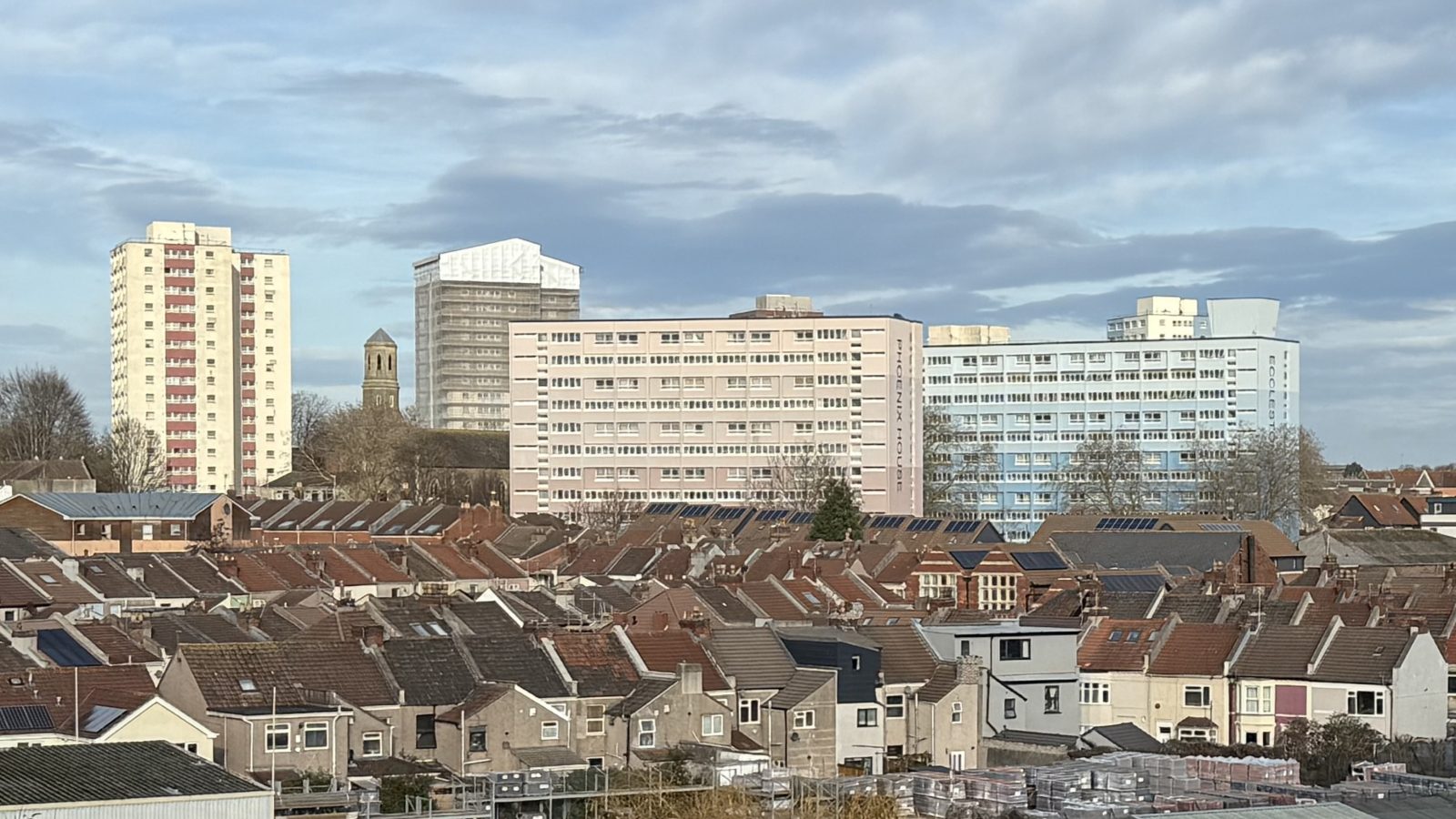
Having lived in a high-rise tower block in the ward for nearly a decade, currently serving as chair of the Lawrence Hill Neighbourhood Forum, and having personally submitted a recent Freedom of Information Request to Avon Fire & Rescue Service, I can say with confidence none of the arguments hold up under scrutiny.
To many people, what has been said by council representatives feels disingenuous.
Low-income residents are not casually polluting the environment; they’re trying to survive.
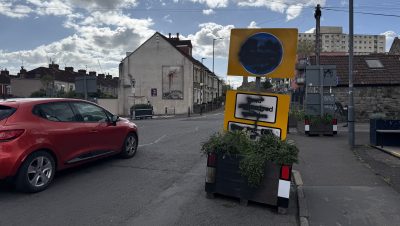
If Bristol City Council truly wanted to help, they would prioritise housing repairs, insulation and heating upgrades, not erect road blocks that foreseeably delay emergency services, while publicly insisting they care.
The Lawrence Hill Neighbourhood Forum recently compiled data and published the Lawrence Hill Youth Sentiment Report.
The findings are stark, though not surprising.
The key takeaway is this: decades of institutional neglect and chronic underinvestment are no longer just issues affecting older generations. They are now being felt and deeply internalised by younger residents.
This is fuelling a dangerous and growing mistrust in public institutions.
In parallel, the socio-economic conditions, high unemployment, insecure low paid work, and over-reliance on social housing and welfare are being used by the far right, who see the vacuum of opportunity and institutional failure as a rallying cry, as we saw during the last WECA elections.
But there is hope and there is opportunity.
The report identifies clear areas where institutions could act now:
- youth pathways into apprenticeships;
- business support and grant access;
- co-designed, community-led programmes;
- co-creation of an environmentally friendly, self-sustaining, multimodal community hub that fills critical gaps in local service provision.
Lawrence Hill Neighbourhood Forum stands ready to act as a bridge for genuine participation and representation, as well as the kind of transformative ambition this ward urgently needs.
These are not optional extras, they are prerequisites for any successful initiative in Lawrence Hill.
We welcome meaningful collaboration and co-design.
But we also demand that any ambition for this area be rooted in respect, reality and long-overdue investment, not just diversions, and literal dead ends that sadly reflect how many here now feel about both their daily lives and the institutions meant to serve them.
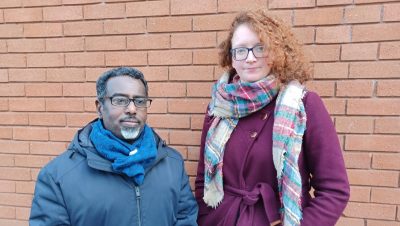
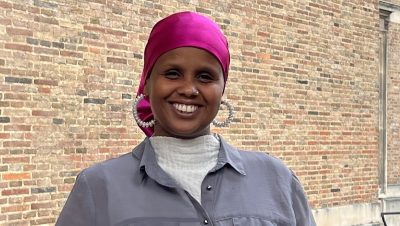
This is an opinion piece by Shaban Ali, chair of the Lawrence Hill Neighbourhood Forum
Main photo: Martin Booth
Read next:
 Our newsletters emailed directly to you