News / parks
Two parks most affected by controversial new licences
Two parks have been most affected by the controversial new licences for businesses like dog walking.
Bristol City Council rolled out the parks licences for commercial activities in 2025 and has so far received dozens of applications from small businesses.
Blaise Castle Estate and Ashton Court have topped the list for the highest number of applications, mostly from professional dog walkers.
is needed now More than ever
Some 87 applications have been received in total, including 33 for Blaise and 27 for Ashton Court.
Stoke Park has seen 23 applications, Kingsweston Estate 18 and Stockwood Open Space 16.
An update on how the parks licences regime is faring so far will be given to councillors on the public health and communities policy committee on Friday.
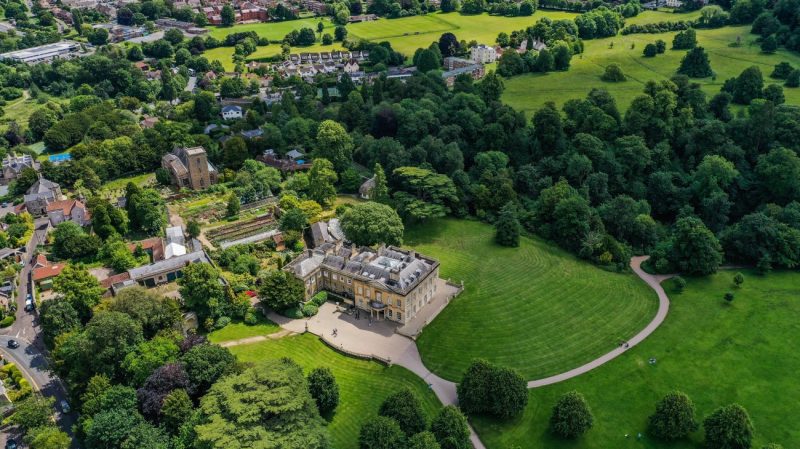
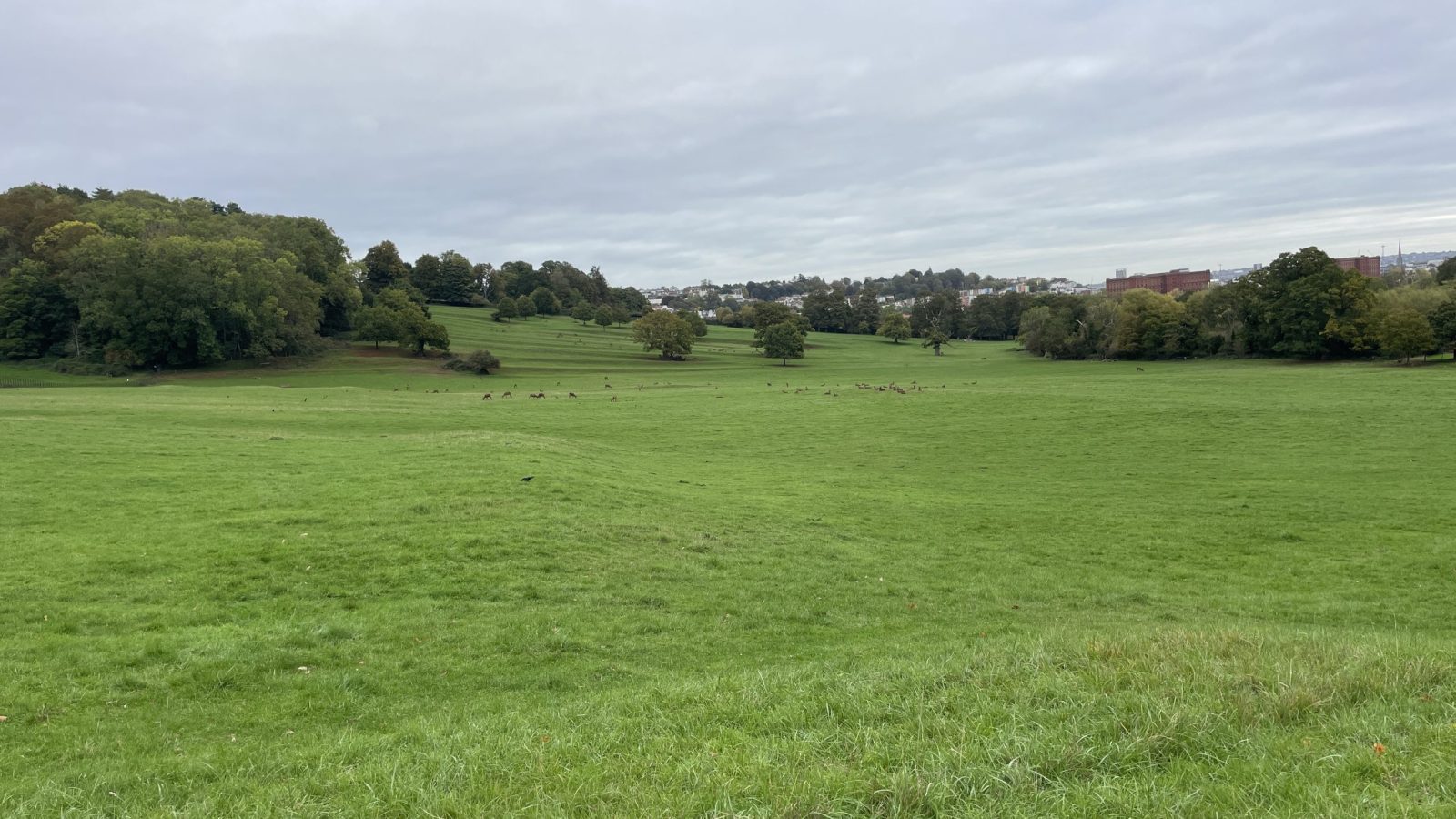
Blaise Castle Estate topped the list for the highest number of applications for licenses – photo: Bristol Parks
A committee report said: “In recent years, the scale and variety of commercial activity operating in parks has increased, creating a need to ensure that such activity is managed effectively in relation to safety, group size and the interaction between different park users.
“The scheme supports the council’s wider approach to maintaining parks and green spaces by introducing a mechanism to regulate and, where appropriate, recover costs associated with commercial use, ensuring that commercial activity can take place in a safe, fair and coordinated way alongside wider public use of parks.”
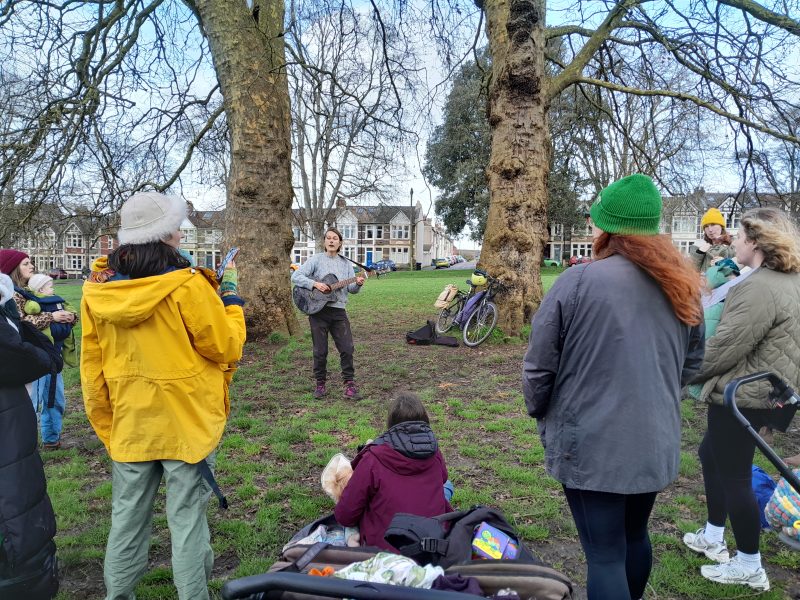
The licence fees are targeted at commercial businesses and classes, including choirs – photo: Kiran Dhami
Back in 2017 and 2018, the council consulted the public about plans to generate income from parks, partly by introducing the fees for commercial activities.
Of the 2,659 responses, 55 per cent supported the plans and 34 per cent opposed them.
The former Labour cabinet approved the introduction of fees in 2018, but the plans were never taken forward – until recently.
Then in June 2025, the plan was revived and approved by a private meeting of councillors who chair policy committees.
Legal advice suggested no public consultation was needed, because of the one carried out almost a decade ago.
The plan was then announced in September, which immediately sparked a backlash due to the impact on small businesses.
The plan was then changed, with fees slashed for applicants, and dog walkers given a rate that was reduced even further.
The scheme was initially suggested as a way to raise money for the cash-strapped parks department.
However the new fees are so low that the council doesn’t expect to make any money from charging for licences, but just offset the cost of administering the scheme.
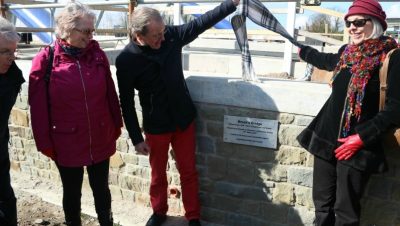
Main photo: Betty Woolerton
Read next:
 Our newsletters emailed directly to you