News / Park Street
Park Street improvement plans approved despite some traders’ fears
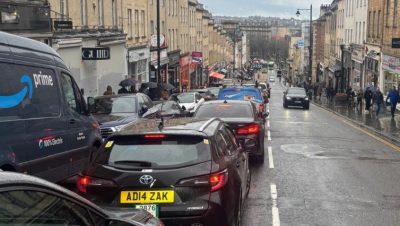
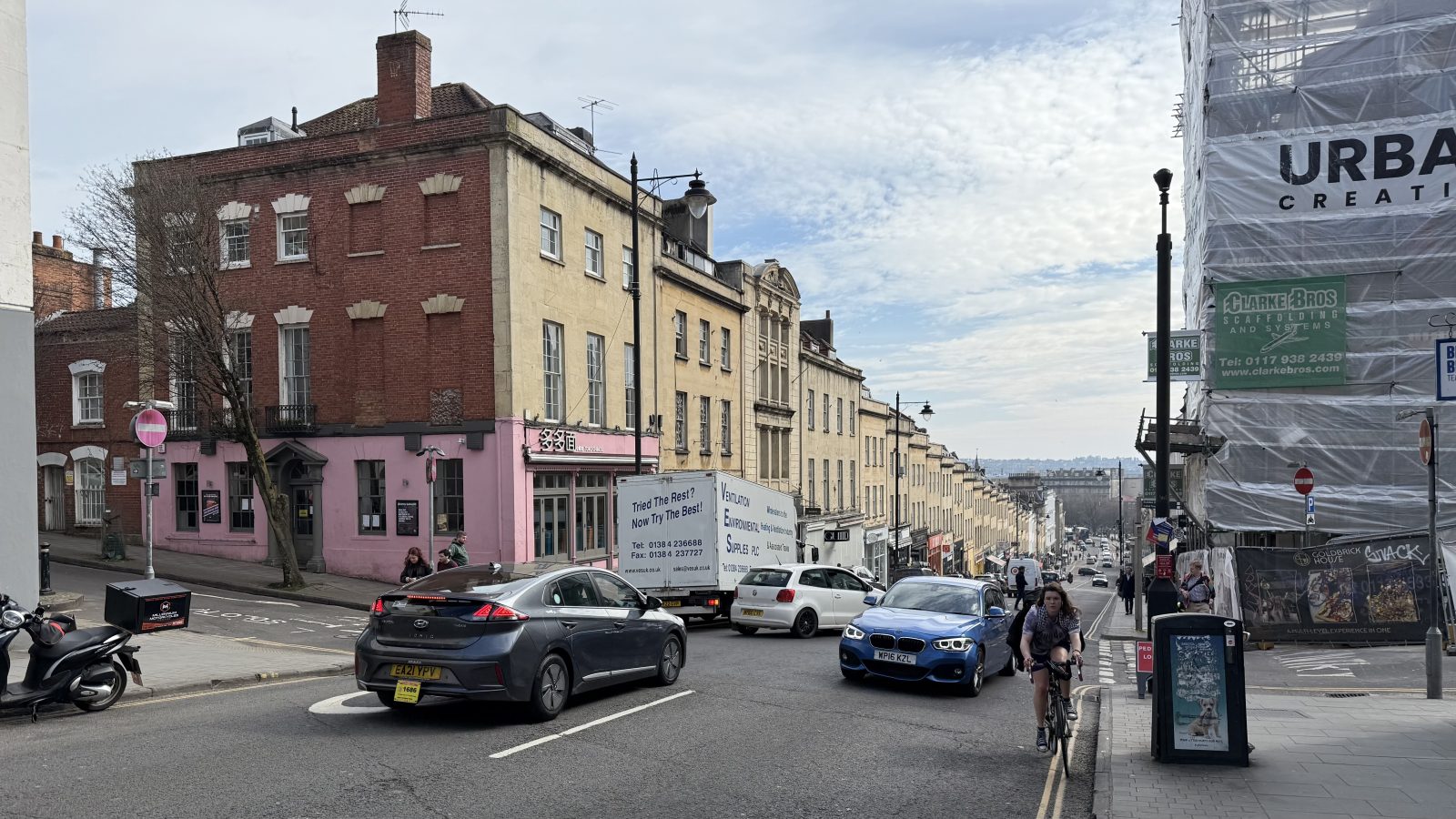
Restricting cars from Park Street will make “traffic evaporate” according to councillors who have approved the plans.
Work is due to start in October stopping through-traffic from the road which gets clogged with congestion.
The £15m scheme stretches from the bottom of Whiteladies Road to the Centre and includes widening pavements, installing new bike lanes and building two bus gates.
is needed now More than ever
Cars will still be allowed to access Park Street via side roads and park on Park Street too. A smaller junction will also be created opposite the Victoria Rooms.
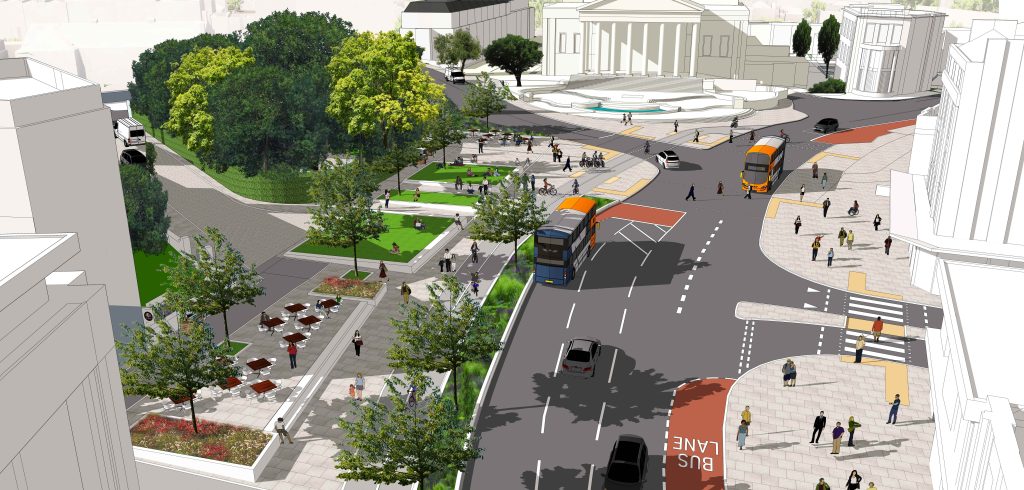
The approved scheme does not just cover Park Street but the area between the bottom of Whiteladies Road and College Green – image: Bristol City Council
The government-funded plans have caused controversy, with some local business owners claiming they will be forced to leave the area because reducing traffic would “kill Park Street”.
Conservative councillors on the transport policy committee warned the traffic could instead be displaced onto Park Row and past the BRI.
Mark Weston, leader of Bristol’s Conservative group, said: “Traffic flows like water. Once you start stopping it up, it then moves into random directions.
“We’re creating a problem. We’re not solving it, we’re just moving it.
“We need to have a resilient road network where traffic can flow, not constantly keep limiting the roads that are available to use.”
This was disputed by Green councillors who said the changes would influence people to behave differently in how they travel.
Cutting bus journey times might encourage more people to use public transport instead of driving in a private car, for example.
At the moment, buses often get delayed driving down Park Street in the afternoon rush hour due to sheer volume of traffic.
Green councillor Rob Bryher said: “Water and traffic are not the same thing. Traffic doesn’t work like water. Roads aren’t pipes.
“If you block a pipe, obviously the water will go a different way because of physics. If you block traffic, that isn’t the way that it works because it engages people’s travel behaviour. It’s a fundamental transport planning principle.
“There’s been lots of literature that shows if you restrict through-traffic, then traffic just evaporates. It’s part of transport planning that everyone understands if you’ve done a little bit of research into it.
“People behave differently if you change the priorities of a street. It’s just as simple as that. You have to get your head around that a bit more.”
An alternative route for drivers coming from the Bearpit will be along Upper Maudlin Street, past the BRI and up Park Row.
But this route is already congested and suffers from high levels of air pollution. A key reason this is congested is due to a lack of capacity at the roundabout but the Park Street scheme could actually help this.
According to Adam Crowther, head of city transport, there will be less traffic going through Lewins Mead, which creates extra capacity at the Bearpit.
This would in turn then help traffic flow along Park Row and Upper Maudlin Street.
Crowther added that new electric buses planned for Bristol will also help reduce air pollution and drivers are also upgrading to cleaner vehicles too.
Another concern, however, was the new bike lanes. A new two-way segregated lane will be built along Queen’s Road protecting cyclists from cars and buses but meaning people cycling down the hill will have to cross over the road at the bottom of Whiteladies Road, and again at the Park Street end of Queen’s Road too.
There are also no bike lanes planned for Park Street itself.
Liberal Democrat councillor Nicholas Coombes asked: “Would this scheme help me cycle from Queen’s Road down to Park Street?
“Actually it wouldn’t. The discontinuities on that cycle path at three different locations means that on all three of those occasions, I would have to do something illegal, unsafe or get off the bike and push it around a corner.
“I would expect a consistent cycle route for the cost of £15m going from one end to the other.”
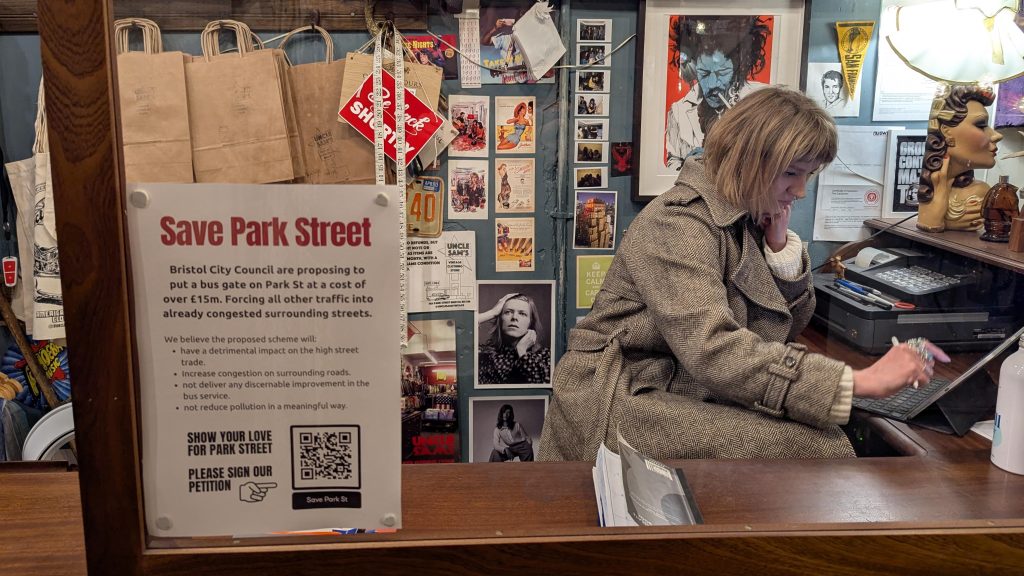
Traders including Kate Territo at Uncle Sam’s Vintage are against the scheme – photo: Will Stannard
On Thursday, Bristol’s transport committee voted to approve the plans with Greens voting in favour, Labour abstaining, and the single Conservative and Lib Dem councillors voting against.
The council will now submit the full business case to the West of England Mayoral Combined Authority for approval.
After the meeting, Steve Smith, a former Bristol councillor and the Conservative mayoral candidate for metro mayor who will be elected across the Bristol region on May 1, said: “The business community have been very clear – this scheme will damage trade for local independent businesses and potentially force them to leave.
“Why do the Green councillors think they know more about what is good for someone’s business than the people who run them?”
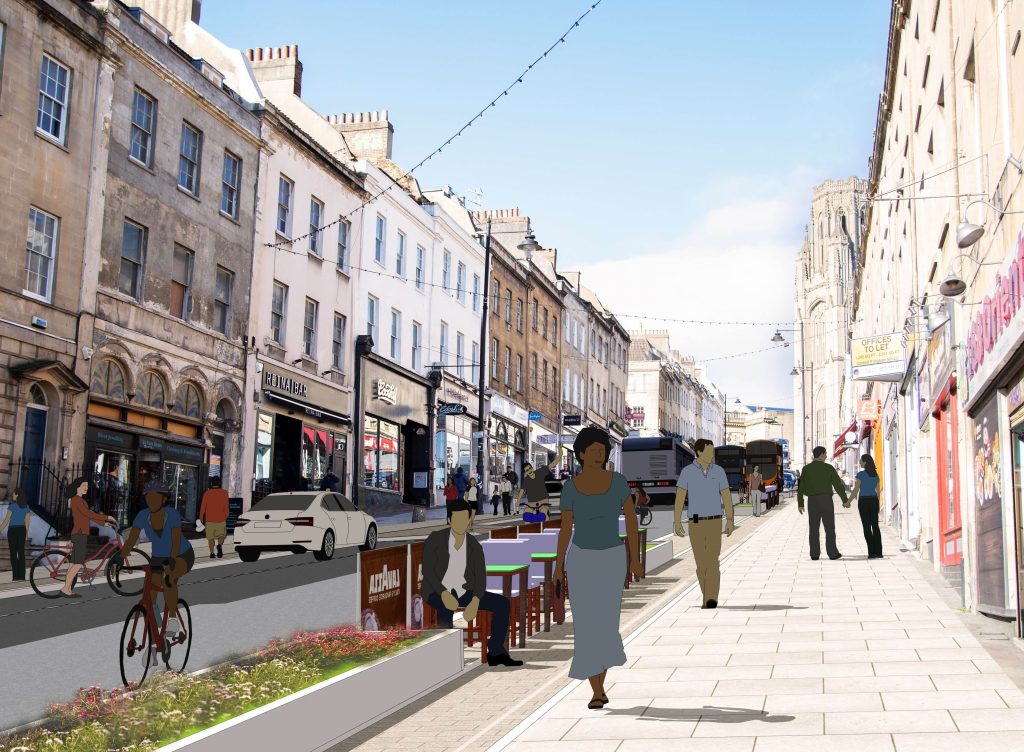
Cars will still be able to park on Park Street under the newly approved plans – image: Bristol City Council
Despite the vocal opposition from some business owners, only 315 people have signed a petition against the changes. The threshold to spark a council debate is 3,500 signatures.
Meanwhile, the extra space for pedestrians has prompted some local venues to consider putting on a new arts festival.
Ed Plowden, chair of the transport committee, said: “I’ve met with some of the biggest people like at the Hippodrome, St George’s and the BID (Business Improvement District).
“They were quite reassured that we’ve taken on board their concerns and dealt with them.
“Next week I’ll be meeting with some of the smaller traders in order to listen to their concerns as well.
“Victoria Rooms, the Royal West of England Academy and St George’s are talking about some kind of arts festival, and they feel that the space is there that they can use now, rather than having a great big racetrack in front of the beautiful statues and architecture.”
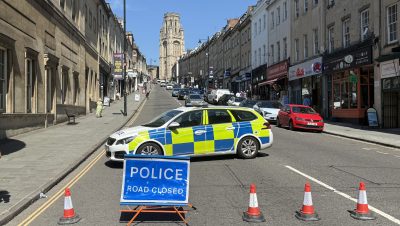
Main photo: Martin Booth
Read next:
 Our newsletters emailed directly to you