News / Housing
New town could be built between Bristol and Keynsham
Politicians have backed plans to build a 3,000-home new town between Bristol and Keynsham.
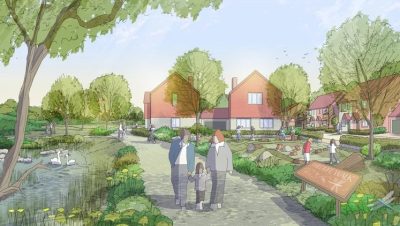
Hicks Gate would be a “vibrant, zero-carbon community” built on top of the Brislington Park & Ride and over fields on either side of Bath Road, right up to the edge of Keynsham.
While the homes themselves will be built by private developers, the masterplan has been worked on by local authority officers.
is needed now More than ever
The new town would span the boundary between Bristol and neighbouring Bath & North East Somerset, and would sit across the River Avon from South Gloucestershire.
The ‘core site area’ is bordered by Stockwood Road, Scotland Lane, Stockwood Hill and Durley Hill to the south of the A4; and Ironmould Lane, Broomhill Lane and the A4174 to the north of the A4.
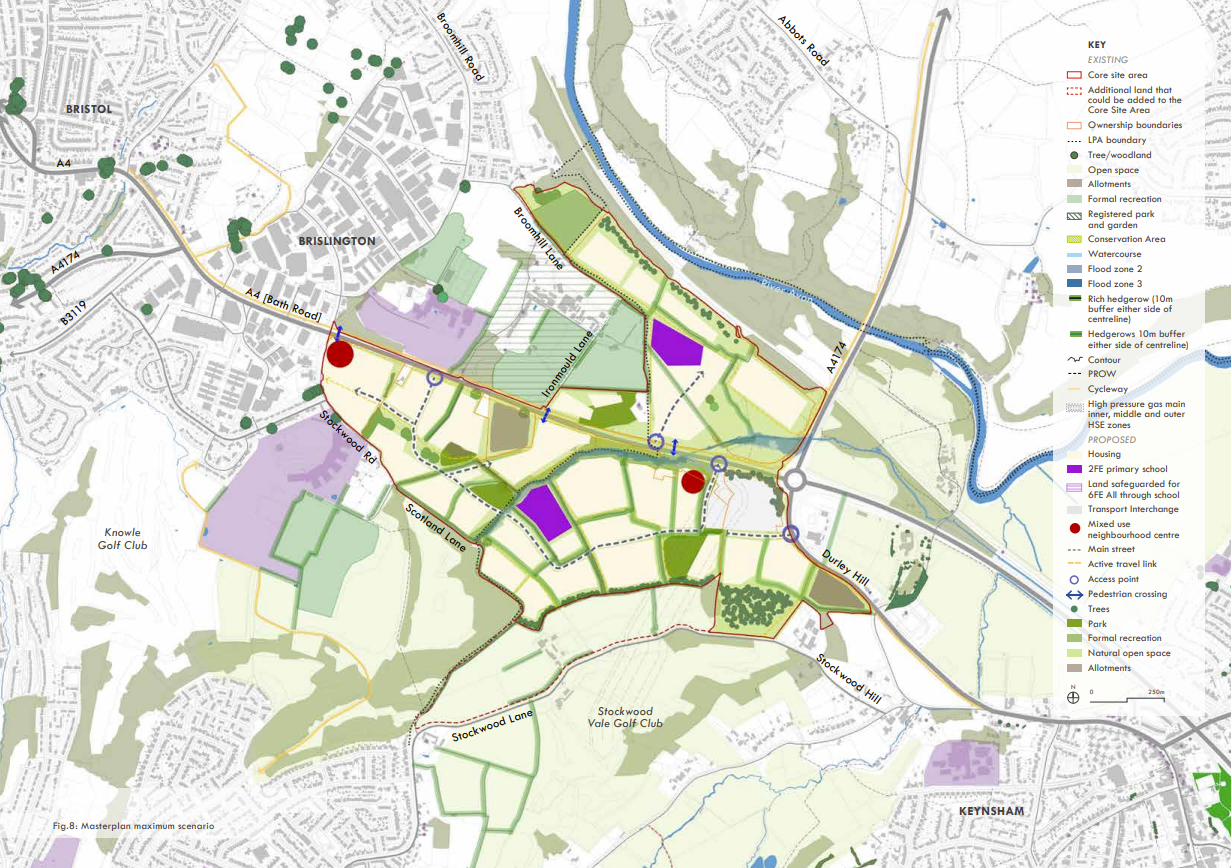
Hicks Gate would be a “vibrant, zero-carbon community” built on top of the Brislington Park & Ride and over fields on either side of the A4 – image: WECA
The leaders of the three councils and West of England mayor, Helen Godwin, voted to give their unanimous backing to their masterplan for the town when they met at a WECA committee meeting.
Bath & North East Somerset Council leader Kevin Guy said: “This is an excellent example of why you need a combined authority.
“It crosses three areas and only by working together can we draw down the huge sums of money that are needed to create the transport connectivity.”
The plan would see the park and ride relocated to a new multi-storey car park and transport interchange near the Hicks Gate roundabout.
The masterplan document says the interchange building will become “a major entry and exit point into Bristol and also into the Hicks Gate site”.
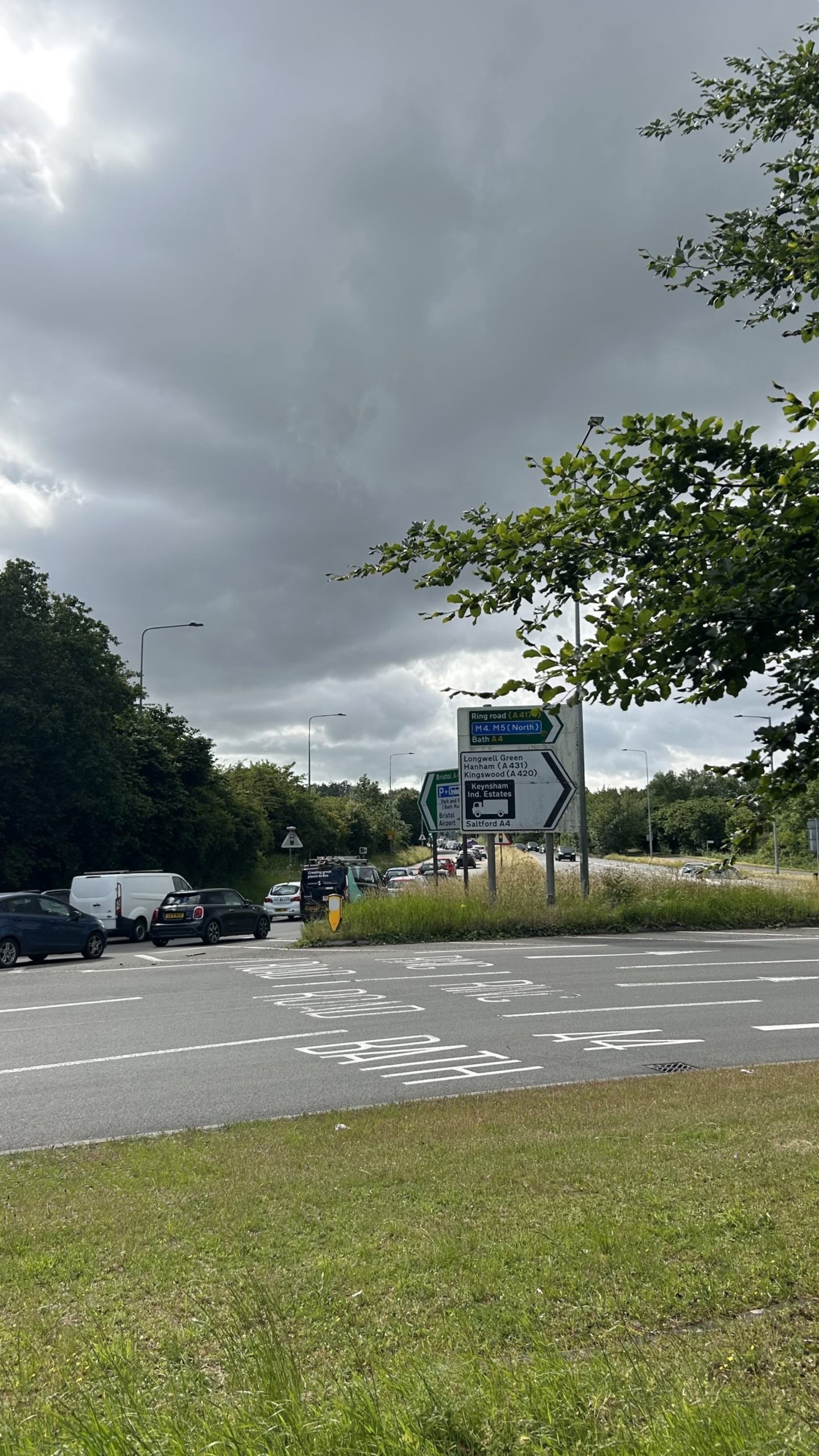
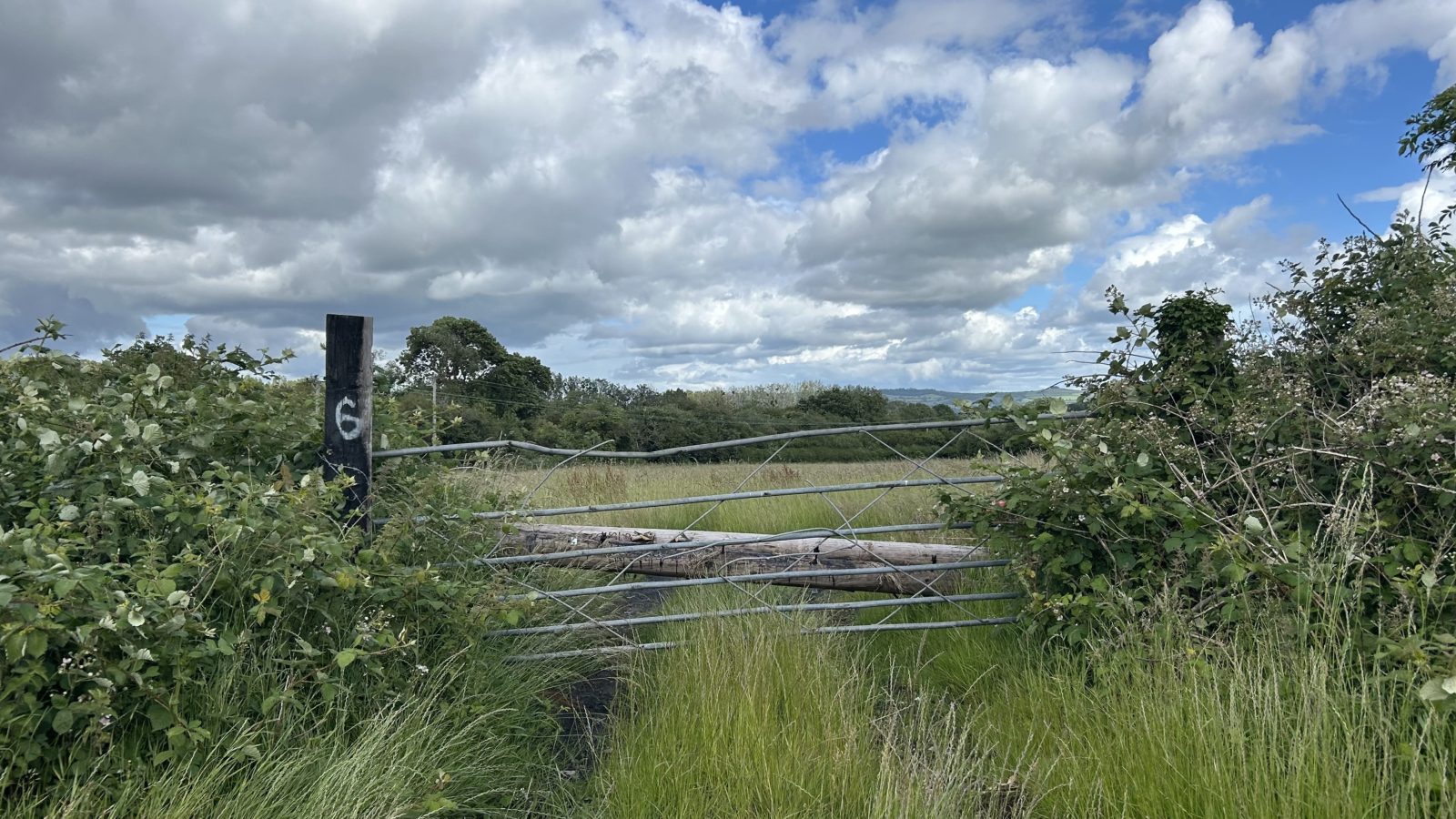
Hicks Gate roundabout connects Bath Road with the Keynsham bypass – photo: Martha Fiddick
Although the development would mean building over fields, Bristol City Council leader Tony Dyer insisted: “The importance of nature, biodiversity, housing affordability and transport infrastructure comes strongly through on the Hicks Gate masterplan.”
Dyer added: “80 per cent or more of our development is on brownfield sites. This is one of the few areas where there is some greenfield areas.”
The new town would include between 2,500 and 3,050 new homes, two new primary schools and a site safeguarded for a secondary school with a sixth form.
Although the homes themselves would be built by private developers, the masterplan sets out what is expected to be built and what will be permitted by the various council’s planning committees.
WECA’s masterplan will be reflected in each council’s local plans – major documents which run for over a decade, setting out a council’s planning policies and where developments should go.
All three councils’ local plans are currently at various stages of being renewed.
Godwin said: “By focussing on a joined up approach rather than individual developments we can coordinate access to key infrastructure for residents including nature and green space, core services, homes and of course transport link.
“This masterplan is therefore key to continuing to work with local councils across boundaries to translate strategic goals into change that residents can see and feel.”
South Gloucestershire Council co-leader Ian Boulton added: “The priority now for us is strengthening that strategic context, locking in that transport infrastructure that is so important to all of us, and ensuring the governance arrangements reflect the shared ownership of this opportunity.
“Because if we get that right, Hicks Gate can become a genuine sustainable well connected new community that works for the whole region.”
Hicks Gate is one of five new towns which could be built around Bristol to meet the area’s housing need.
Other plans include the new town of Woodspring on the Woodspring Golf Course in North Somerset, the Brabazon new town on the former Filton Airfield, a new town near Bristol Parkway and the North Lyde Eco-Tech village in the South Gloucestershire countryside just north of the M4.
Main photo: Martha Fiddick
Read next:
 Our newsletters emailed directly to you