News / Clean Air Zone
Council writes off £22m in CAZ fines
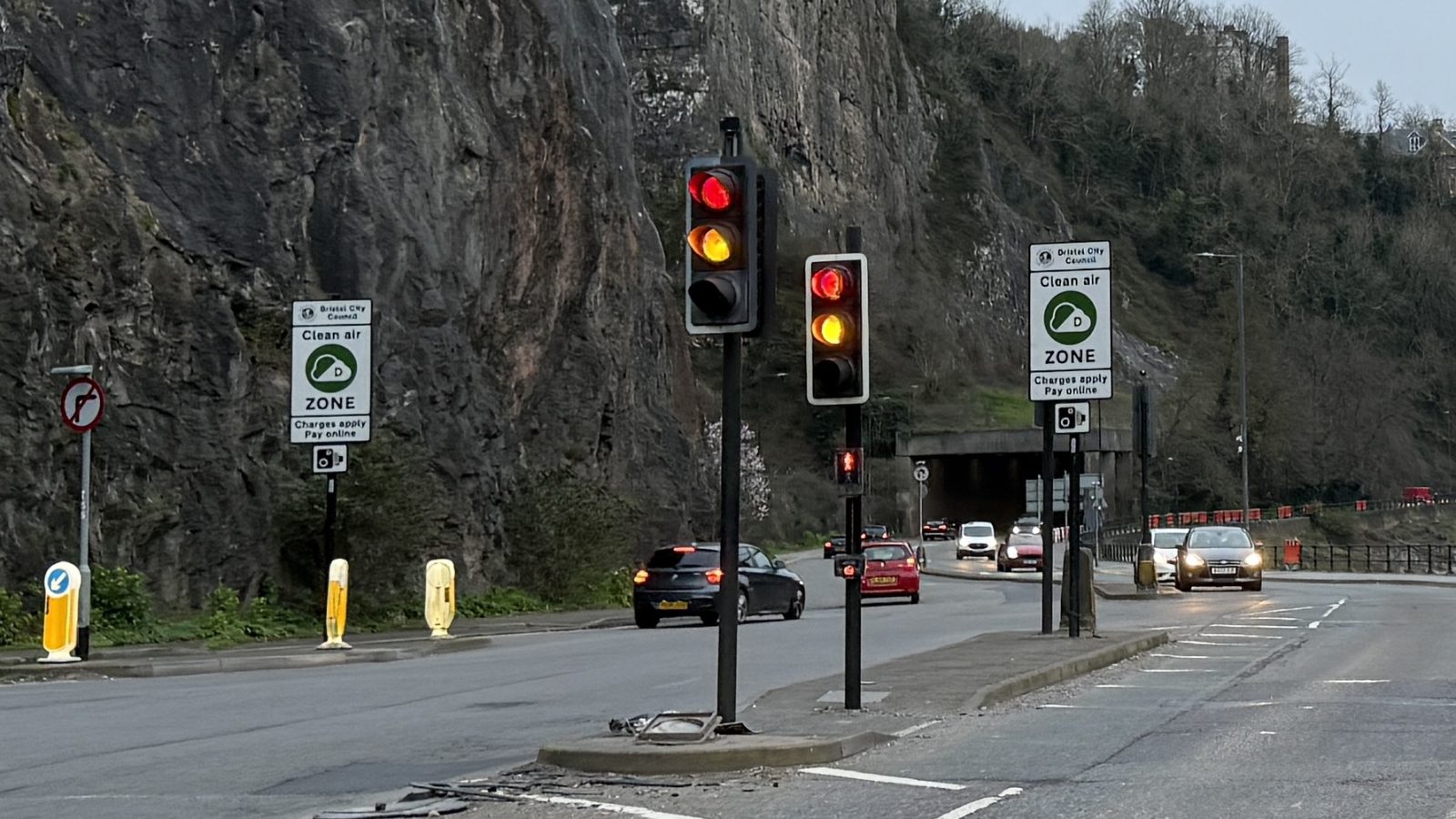
Bristol City Council wrote off £22m of unpaid Clean Air Zone fines over the last 18 months, a report has revealed.
But despite that, the authority was still owed a grand total of £205m from all debtors at the end of September 2025.
A six-monthly debt report to the strategy and resources committee said this included outstanding council tax, current and former tenant rent arrears, overpaid housing benefit, temporary accommodation, general accounts from invoices for goods and services and fixed penalty notices for parking infringements.
is needed now More than ever
It said the overall figure was a significant improvement on March 31, 2024, when it stood at almost £229m.
But council tax arrears rose from £51.9m to £62.2m between April 1 and September 30 last year.
Councillors were told at the meeting on Monday that this included £41.5m owed from previous years – a drop of £10m in six months – but an increase in the figure for the 2025/26 current year of £20.7m.
The report: “Several factors will contribute to this, including the year-on-year increase in charge [4.99 per cent] – we can expect more households to struggle, and there will be higher levels of debt.
“The introduction of the ‘second home’ premium – furnished properties that are periodically occupied are now due to pay twice the charge.”
It said 59 per cent of all debt written off by Bristol City Council in the six months from April 1 to September 30 in 2025 were CAZ fines – £9.9m, on top of £12.2m for the 2024/25 financial year.
The report said: “Debts are proposed for write off only when all recovery avenues have been exhausted and are approved in accordance with authorisation levels.
“There has been a delay in issuing warrants to Enforcement Agents for CAZ.
“This is due to the backlog that had built up whilst enforcement agent referrals were suspended [during covid] compounded by ICT issues with the transfer of data to the courts.
“The backlog of referrals has now been cleared and the ICT issues are now resolved.
“The backlog of cases is now with the Enforcement Agents who are processing the warrants as quickly as possible, especially through their initial phase of processing which involves sending at least two letters before any face-to-face visit is considered.
“Due to the sheer volume of cases, it is taking them longer to schedule the face-to-face visits and this is why the full value of the liability raised at the end of 2023-24 was not realised in 2024-25.”
It said a significant number of warrants for payment were now expiring with no collection.
“There are many reasons for this, but the main ones are the volume of cases the Enforcement Agents are dealing with and the fact that many of the debts belong to repeat offenders with such large debts that full recovery is going to be very difficult.
“Of the 45,000 warrants currently with the EAs, there are only 11,000 unique debtors.”
The report said the debt levels reflected six-monthly snapshots in time, the latest being September 30, 2025.
It said: “Because different income types are invoiced on a range of payment terms, it is not always possible to distinguish how much is overdue.
“A centralised Debt Collection and Recovery Team of four officers is now fully in place since August 2025, and their work has already reduced outstanding debt by £6,671,044 between January 2025 and January 2026.
“The debt support referral service allows customer-facing teams across the council to refer those struggling with unmanageable debt, and who often have other non-financial problems, for support, advice and signposting.
“We hold monthly drop-in debt clinics at Temple Street Customer Service Point.
“In council tax we are looking to identify those who may be struggling financially but have not engaged with us, making further attempts at contact to increase levels of engagement.
“This would potentially reduce the number of cases being referred to an Enforcement Agent.
“Under current arrangements, the Enforcement Agents promptly return any case where they find financial or other vulnerability, often during the ‘pre-compliance’ (no cost) stage.
“We’d want to be sure any new process would continue to provide good outcomes for the debtor, supporting them to quickly get out of debt.”
Adam Postans ia a local democracy reporter for Bristol.
Main photo: Betty Woolerton
Read next:
 Our newsletters emailed directly to you