News / Politics
Bristol’s committee system likely to be abolished under government plans
City Hall has been run under a committee system since Bristol’s experiment with directly elected mayors ended in 2024.
But this method of local governance is likely to itself soon come to an end as the government have announced plans to simplify governance arrangements for English local authorities.
In a statement to the House of Commons on Tuesday, the minister for local government, Jim McMahon, called the current mixture of three types of governance models “a complex and opaque system”.
is needed now More than ever
These three models are directly elected council mayor, leader and cabinet, or the committee system.
McMahon said the differences “can be confusing to the taxpayer” and saved particular scorn for the committee model which he said “can be unclear, duplicative and wasteful, leading to slower, less efficient decision-making”.
In a referendum in 2022, Bristol voted to scrap the mayoral model and move to a committee system, albeit one which still has a council leader, currently Green councillor Tony Dyer.
Bristol currently has eight policy committees, with the membership of these committees reflecting the political makeup of the Green-led council.
Due to the number of councillors they have at City Hall, Labour were entitled to chair two committees, but declined to take up the roles that have subsequently been filled by Lib Dem councillors despite the Lib Dems having only eight councillors compared to 21 Labour councillors.
Labour councillors, however, do still sit as vice-chairs of several committees, with Tory councillors also in vice-chair roles.
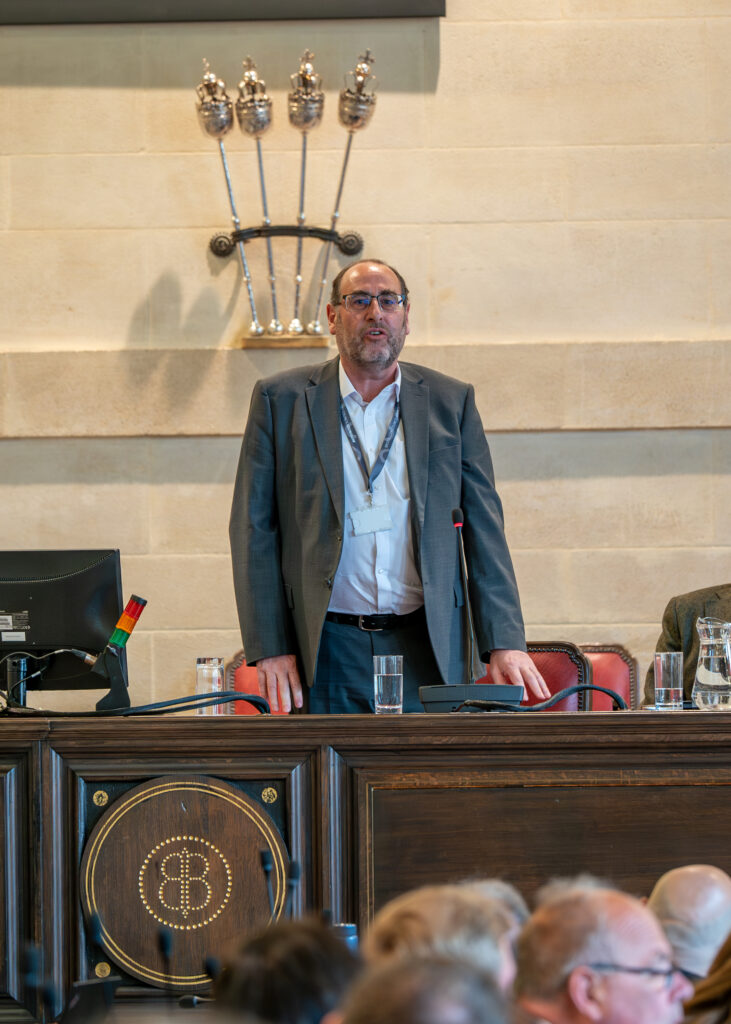
Tony Dyer is Bristol’s first ever Green council leader – photo: Rob Browne
McMahon said the government plans to legislate to abolish the committee system, with Bristol and other councils currently operating this model set to transition to the leader and cabinet model already in place in the vast majority of councils in England.
“This will simplify the governance system and ensure all councils operate an executive form of governance, providing clarity on responsibility and accountability, and improving efficiency in decision making,” McMahon said.
“This change will provide clearer, more easily understood structures at a local level, improving efficiency and preventing authorities from wasting taxpayer funds on needless changes to systems of governance.”
As part of the plans, directly elected local council mayors currently in place will continue but there will not be the possibility of creating new unitary authority mayors.
Directly elected regional mayors, such as West of England mayor Helen Godwin, “continue to be a prerequisite for significant devolution of powers and funding” said McMahon.
McMahon added: “It is at this strategic level that the single focal point of leadership for the area and direct electoral accountability is considered to work best.
“Our ambitious plans for local government reorganisation will build the foundations of better local governance, enabling decisions to be taken, more easily, at the most effective level of government.”
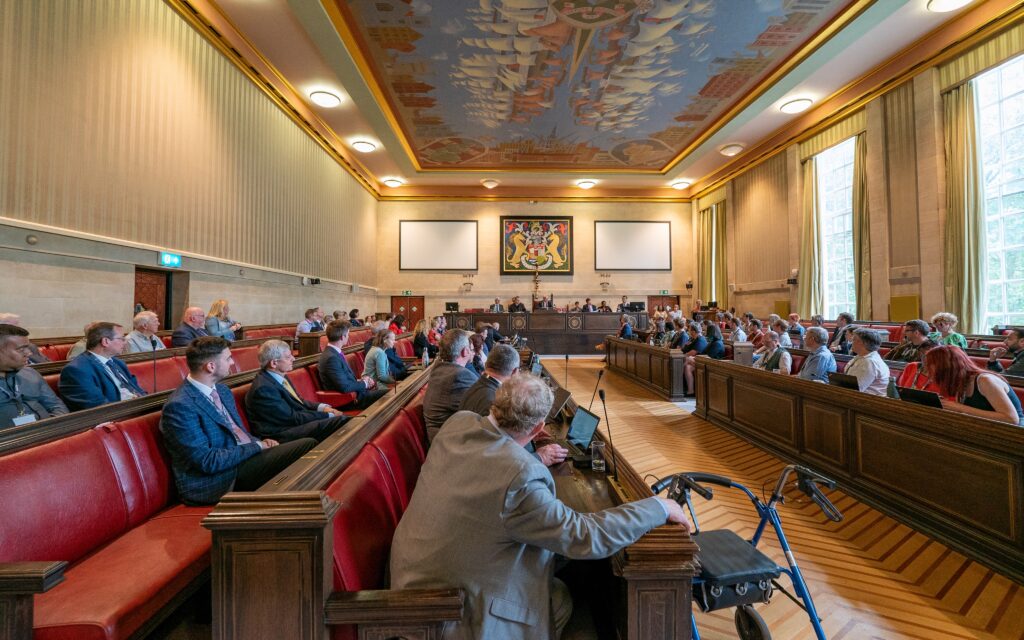
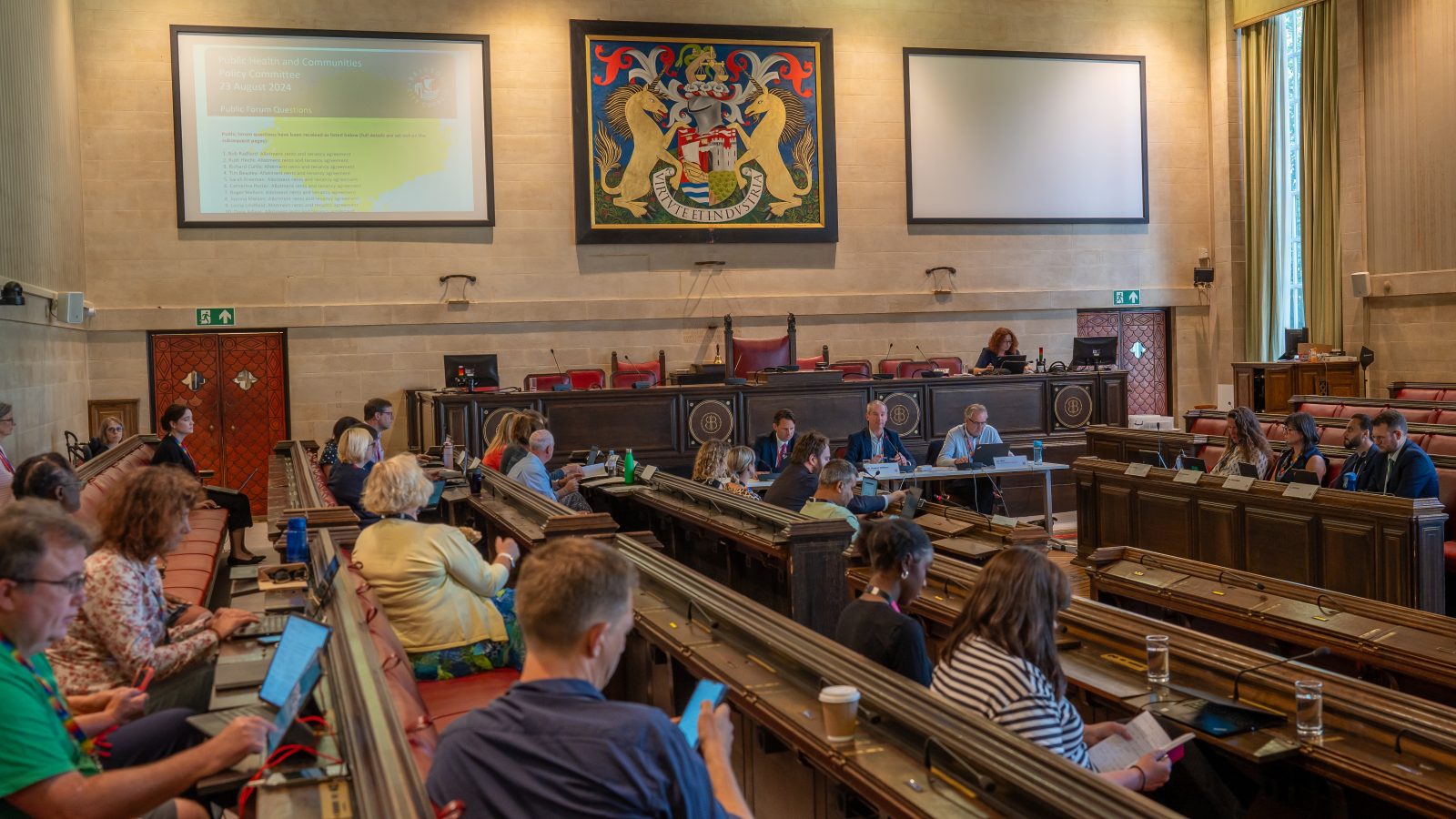
The council chamber at City Hall is likely to see a new model of governance – photo: Rob Browne
In response to McMahon’s announcement, Dyer said: “Our committee system of governance has, for the first time in a generation, given every elected member of our city a meaningful voice in the decisions we make that affects the lives of all Bristolians.
“The government’s announcement to legislate against our system of governance has come without engagement or consultation with councils.
“It underrepresents the strengths of the system we’ve built, which has been taking decisions quickly and efficiently.
“At the moment we don’t know the timeframe for the proposed changes and we will continue to use the benefits of the committee system to deliver for our residents.
“If the change is confirmed and once a timeframe is clear, we will work to ensure a smooth transition to the leader and cabinet model.
“I share the government’s desire to ensure residents understand how their local council is governed and how decisions are made.
“Our model has opened up our council to include all communities in decision-making, expanding opportunities to have a say on decisions and to engage directly with decision makers in public forums.
“The people of Bristol voted against a leader and cabinet model in 2012, and in favour of a committee system in 2022.
“Whilst we respect that a leader and cabinet model works for many councils, the people of Bristol have voiced their concerns about this system and it’s important that the government hear these voices during their deliberations.
“We want to work with this government and want to do so in a spirit of openness and transparency.
“My door is always open to ministers and civil servants to come and understand the system we’ve built here in Bristol and to see the strengths that exist when we include all political parties in our decision-making process.
“If any change is to be imposed in future, the government must provide funding so that the substantial costs of further change in Bristol isn’t borne solely by local taxpayers.”
Main photo: Rob Browne
Read next:
 Our newsletters emailed directly to you