Film / Reviews
Review: Happy End
Happy End (15)
France/Austria/Germany 2017 108 mins Subtitles Dir: Michael Haneke Cast: Isabelle Huppert, Jean-Louis Trintignant, Mathieu Kassovitz, Fantine Harduin, Franz Rogowski
It’s a joke, of course. There’s no happy ending here, as one might expect of Michael Haneke. Indeed, Happy End delivers exactly what we anticipate from the director of Hidden and Funny Games. That might come as a slight disappointment after the Austrian auteur’s previous film, 2012’s emotionally devastating Amour. But these things are relative: even an autopilot Heneke taking pot-shots at the easy target of the bourgeoisie is bracingly entertaining.
is needed now More than ever
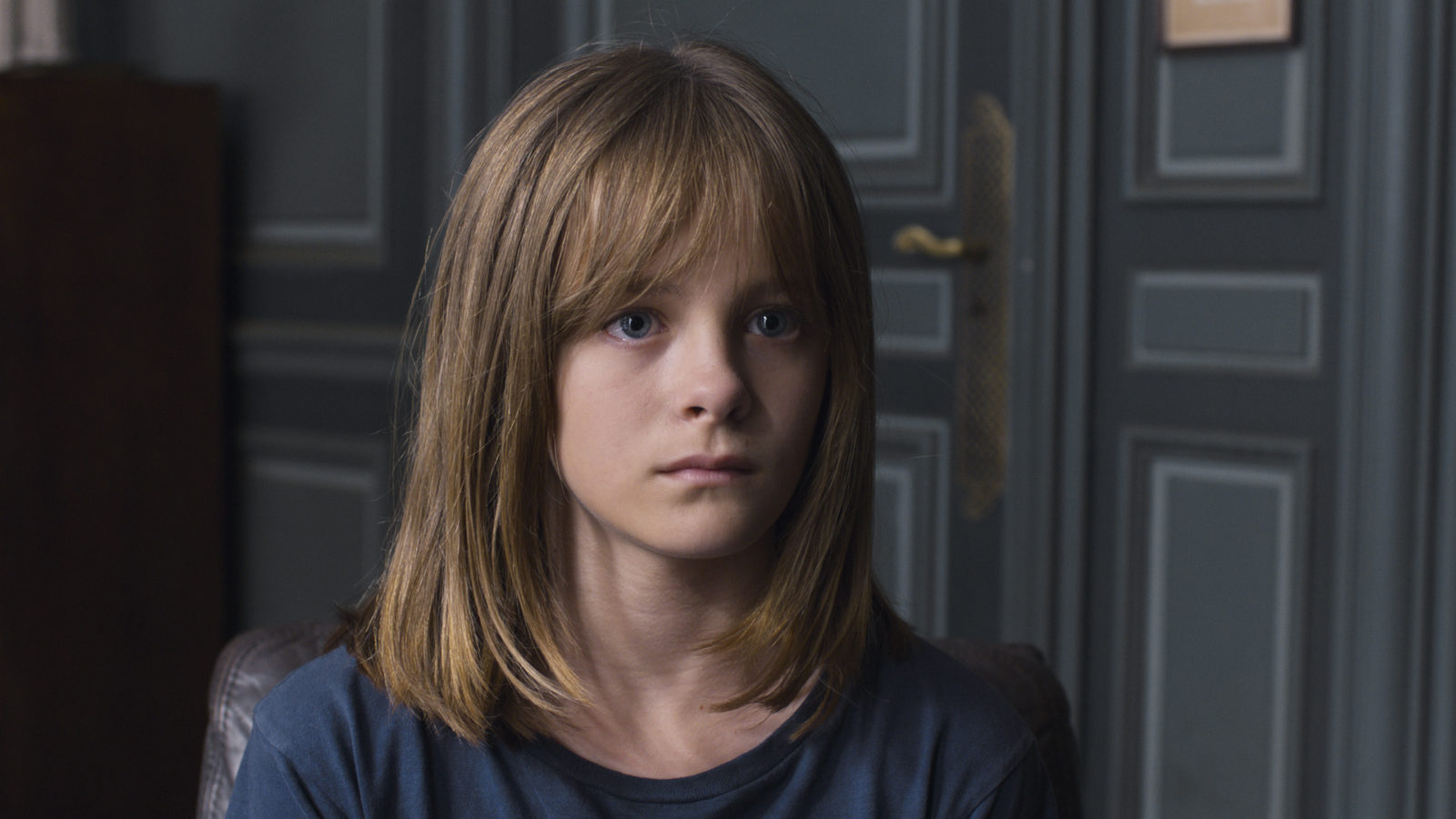
His target here is a Calais construction clan, headed by steely matriarch Anne Laurent (Who ya gonna call? Why Isabelle Huppert, obviously), whose octogenarian father Georges (veteran Trintignant) is slowly succumbing to dementia. She’s in a mostly long-distance relationship with an English lawyer (Jones) and is grooming her useless son Pierre (Rogowski) to take over the reins of the family business in due course. Also residing in the sprawling Laurent pile is her distracted, philandering doctor brother Thomas (Kassovitz) and his second wife and baby, plus a pair of live-in Moroccan servants. The drama is kick-started by a near-fatal industrial accident at one of the Laurent building sites – which the volatile, incompetent Pierre is ill-equipped to deal with – and the arrival of the film’s most interesting character: watchful, sad-eyed, quietly malevolent Eve (Harduin), Thomas’s 12-year-old daughter from his first marriage, who has come to live with her father after her mother is hospitalised following an apparent overdose.
Incorporating themes from many of Heneke’s previous films, all the way back to 1992’s Benny’s Video, Happy End feels rather like a cinematic greatest hits package. Also included are most of his now-familiar techniques, including a calculatedly disjointed narrative and that Haneke trademark: the carefully composed widescreen long shot that needs to be watched closely for telling detail and occasionally (twice in this instance) includes key characters holding inaudible conversations. The film also opens with annotated smartphone footage, the significance of which only becomes apparent later. All of this serves as a distancing device, as though he’s holding these characters disdainfully at arm’s length with a clothes peg attached to his nose. There’s also a presumably intentional overlap with Amour, which is made explicit in one line of dialogue.
The message? It’s not entirely clear, although the toxic and degenerating effects of generations of entitlement and inherited wealth are part of the malaise afflicting this privileged yet profoundly unhappy family. The Calais setting primes us to expect that race and the refugee crisis would play a part, but the latter is shoehorned in rather clumsily, while white liberal racism is hinted at but underdeveloped. That leaves us with the tech-savvy, solipsistic and sociopathic Eve – a Euro arthouse incarnation of that horror staple the Sinister Child – superbly played by young Fantine Harduin, whose polite demeanour and outward vulnerability conceals the blackest of hearts, hinting perhaps at where this dysfunctional dynasty is heading and permitting Haneke a closing swipe at the Instagram generation.
 Our newsletters emailed directly to you