Dance / South Indian dance
‘A transformative experience’: Aparna Pavithran on the joy of sharing South Indian classical dance traditions in Bristol
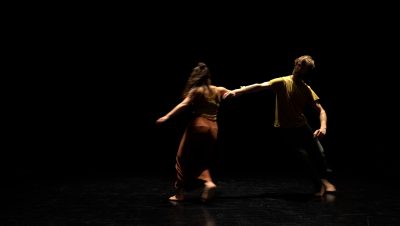
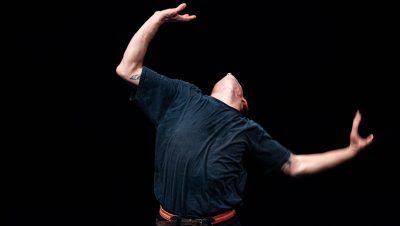
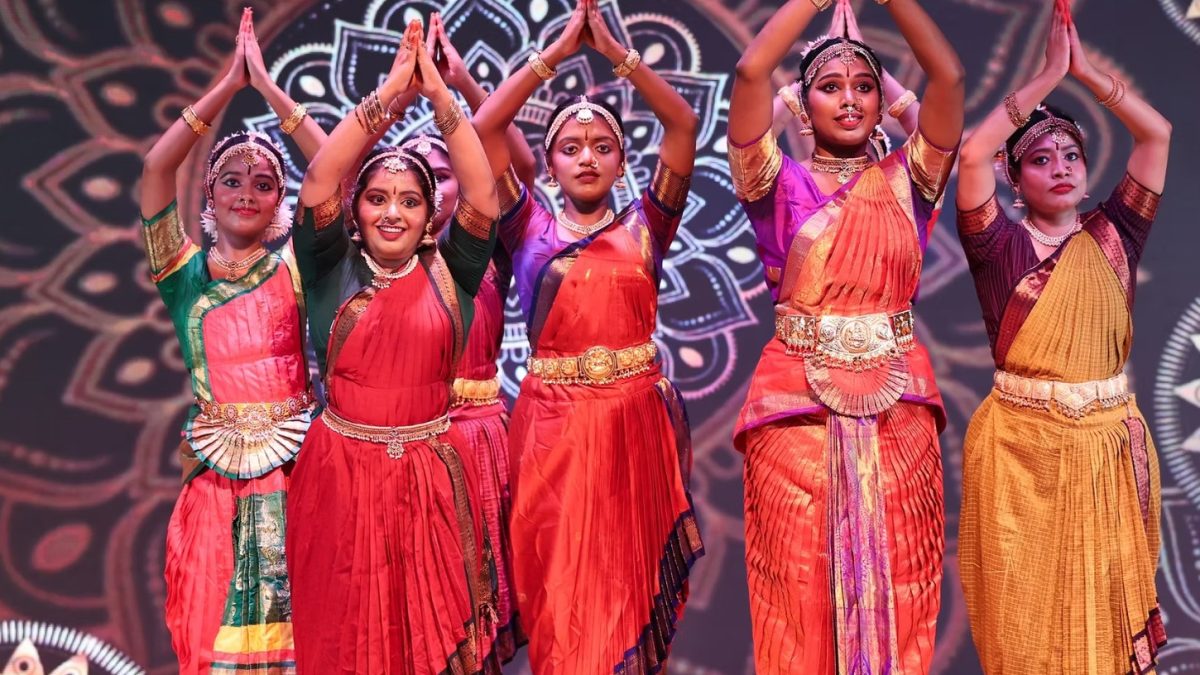
Aparna Pavithran is a Bristol-based Indian classical dancer and choreographer with a passion for collaborative work that enhances the visibility of South Indian dance traditions within the city.
She splits her work between performance, choreography and teaching, as well as training other practitioners in the Bharatanatyam, Mohiniyattam, and Kuchipudi styles in which she specialises.
In 2025, Pavithran founded the Narthaki Dance Academy in North Bristol, which is building an inclusive community of individuals with a passion for dance, and offers a wide-ranging programme of classes aimed at a range of interests and abilities.
is needed now More than ever
Looking back at nearly 30 years of dancing, she spoke to Bristol24/7 about enriching the cultural landscape of her adopted city through the magic of these traditional Indian dance practices.
How did your own journey as a dancer begin?
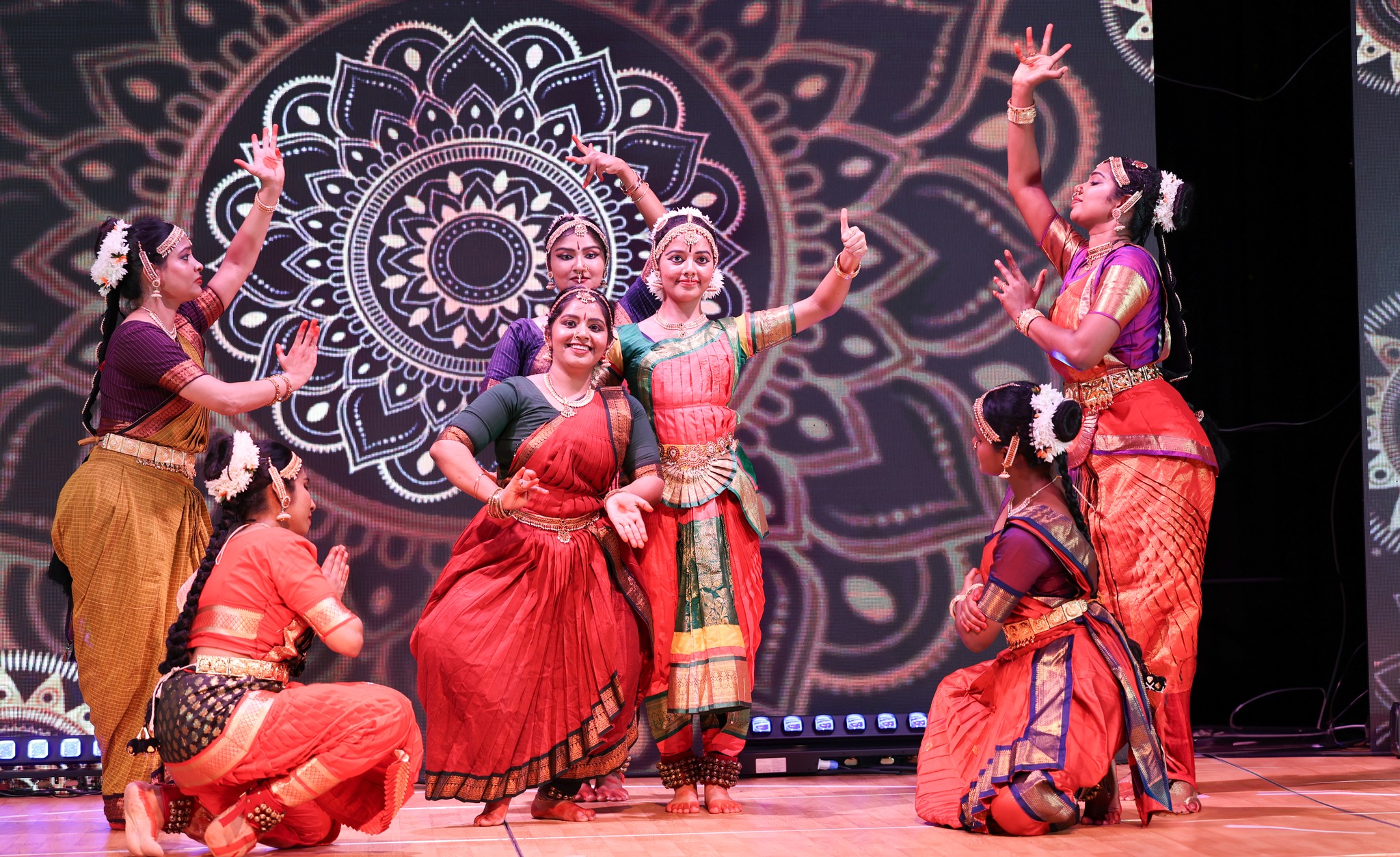
“I began formal training in Bharatanatyam at the age of seven and continued structured training at Kerala People’s Arts Club (KPAC), India. Over the years, my passion for classical dance deepened through dedicated practice and advanced training in Bharatanatyam, Mohiniyattam, and Kuchipudi, which even today, I constantly refine.
“Classical dance is like an endless ocean – a vast, ever-evolving sea of knowledge and expression. Dance has been both a personal journey and a lifelong commitment to preserving and sharing South India’s rich cultural heritage.”
What do you love about sharing South Indian classical dance traditions with others?
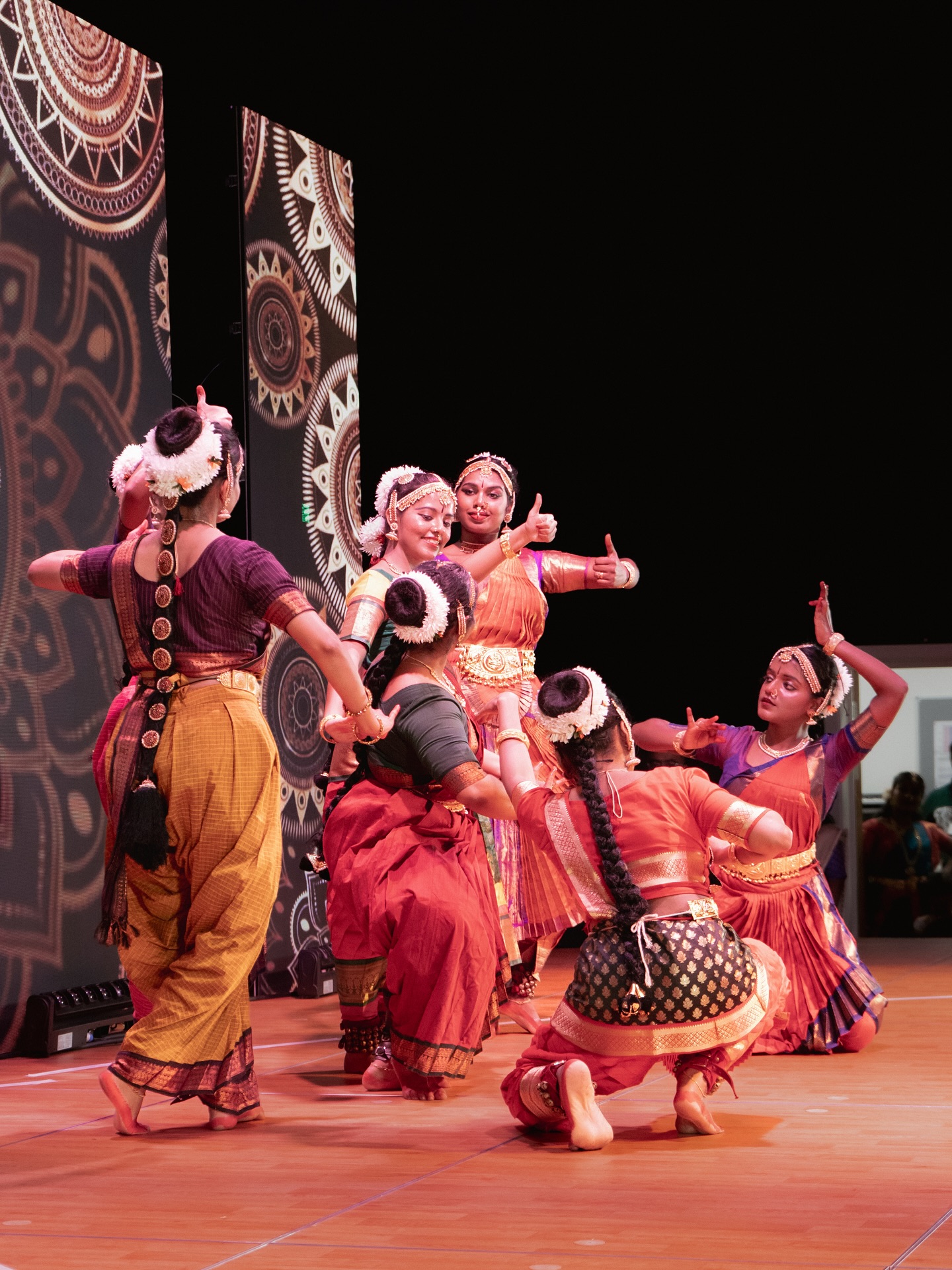
“Sharing these traditions allows me to connect audiences and learners to centuries-old stories, rhythms, and expressions. I love seeing students and audiences engage with the emotional depth and aesthetic rigor of the dance, whether it’s through a performance, workshop, or community programme.
“It’s rewarding to help people develop confidence, creativity, and cultural understanding through movement. When they enter the Bharatanatyam sessions, the outside world fades away – they forget everything else and are completely immersed in the dance. That’s the magic of Indian classical dance: many of my students have shared that these sessions become a form of healing, bringing solace and light even during their days of depression.”
How are artists from the South Indian diaspora helping to shape Bristol’s contemporary cultural identity?
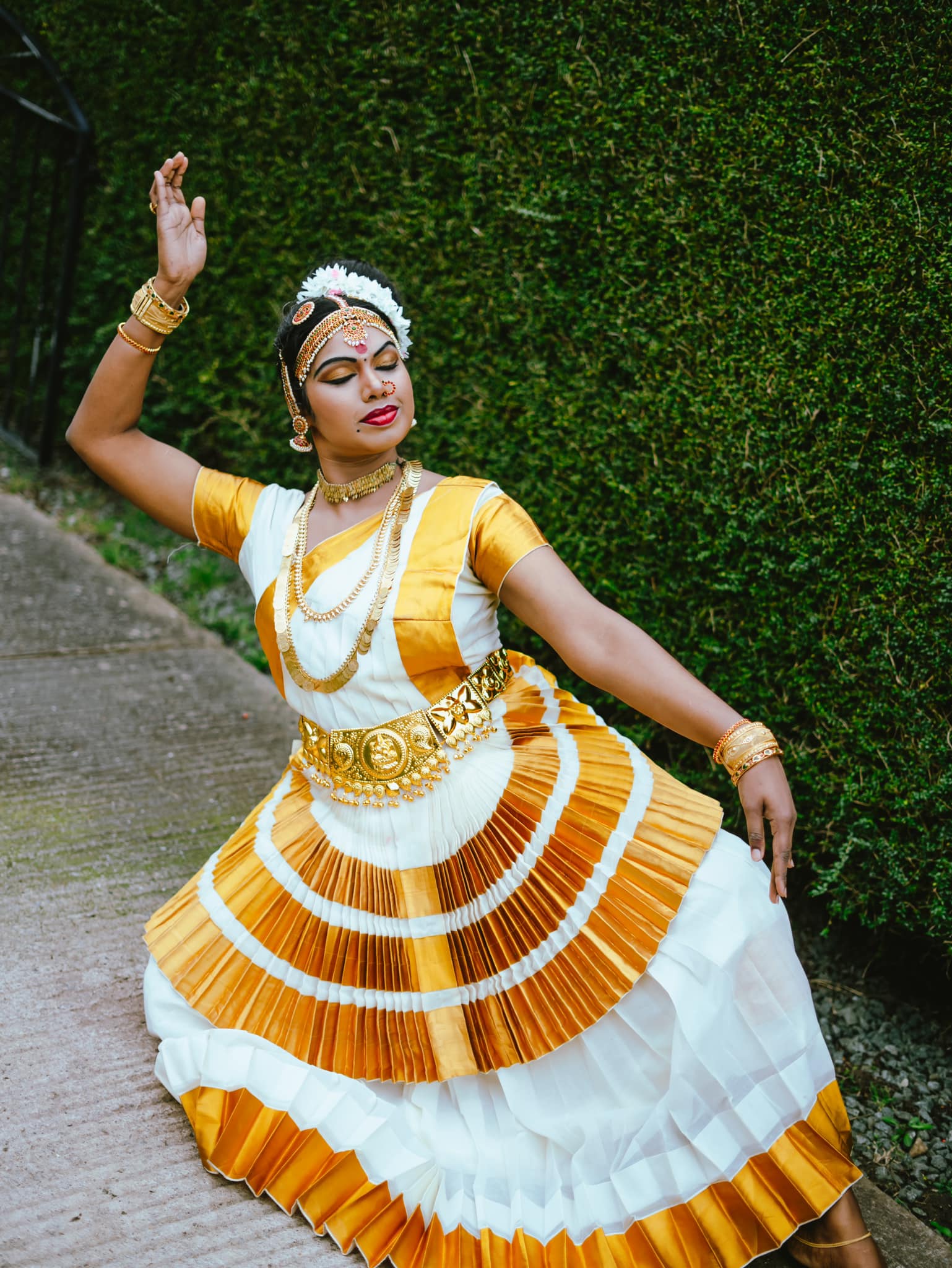
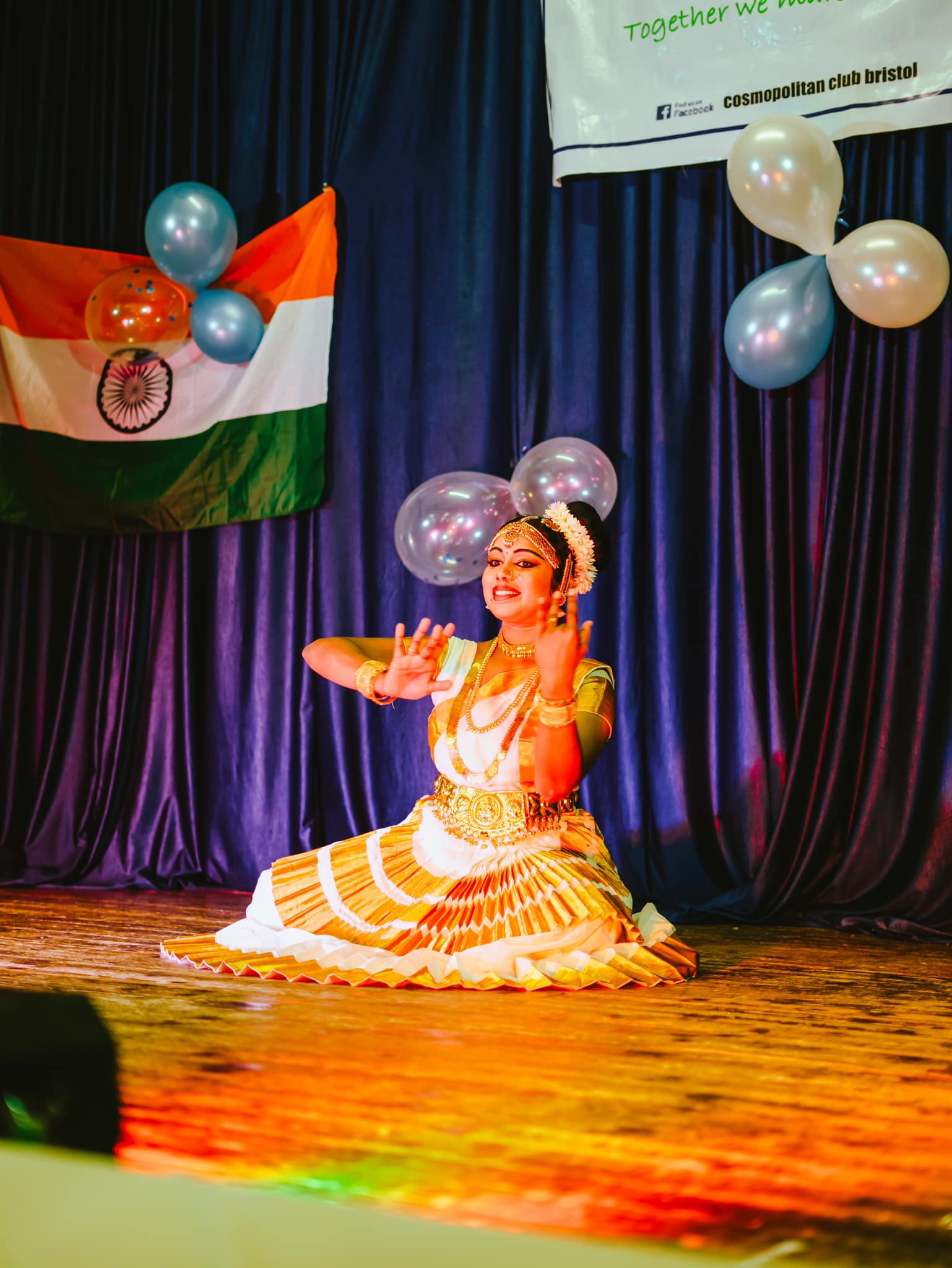
“These artists are enriching Bristol’s cultural landscape through performances, large-scale productions, workshops, and cross-cultural collaborations. In this context, Mohiniyattam – a classical dance form from Kerala – brings unique aesthetic and cultural value. Unlike more widely‑known Indian classical dances like Bharatanatyam, Mohiniyattam is less commonly seen in Bristol, which gives your work an opportunity to expand the range of Indian performing arts represented in the city.
“The movements of Mohiniyattam flow like a rice plant swaying in a gentle breeze. When the human body embodies this, it becomes a journey of discovering one’s own movements and merging with the rhythm of motion. Combined with the rich music, subtle facial expressions, and intricate mudras, it creates a deeply immersive and transformative experience – that is the true richness of the art.”
For those who are completely new to dance, what can it offer them – either as an audience member or a practitioner?
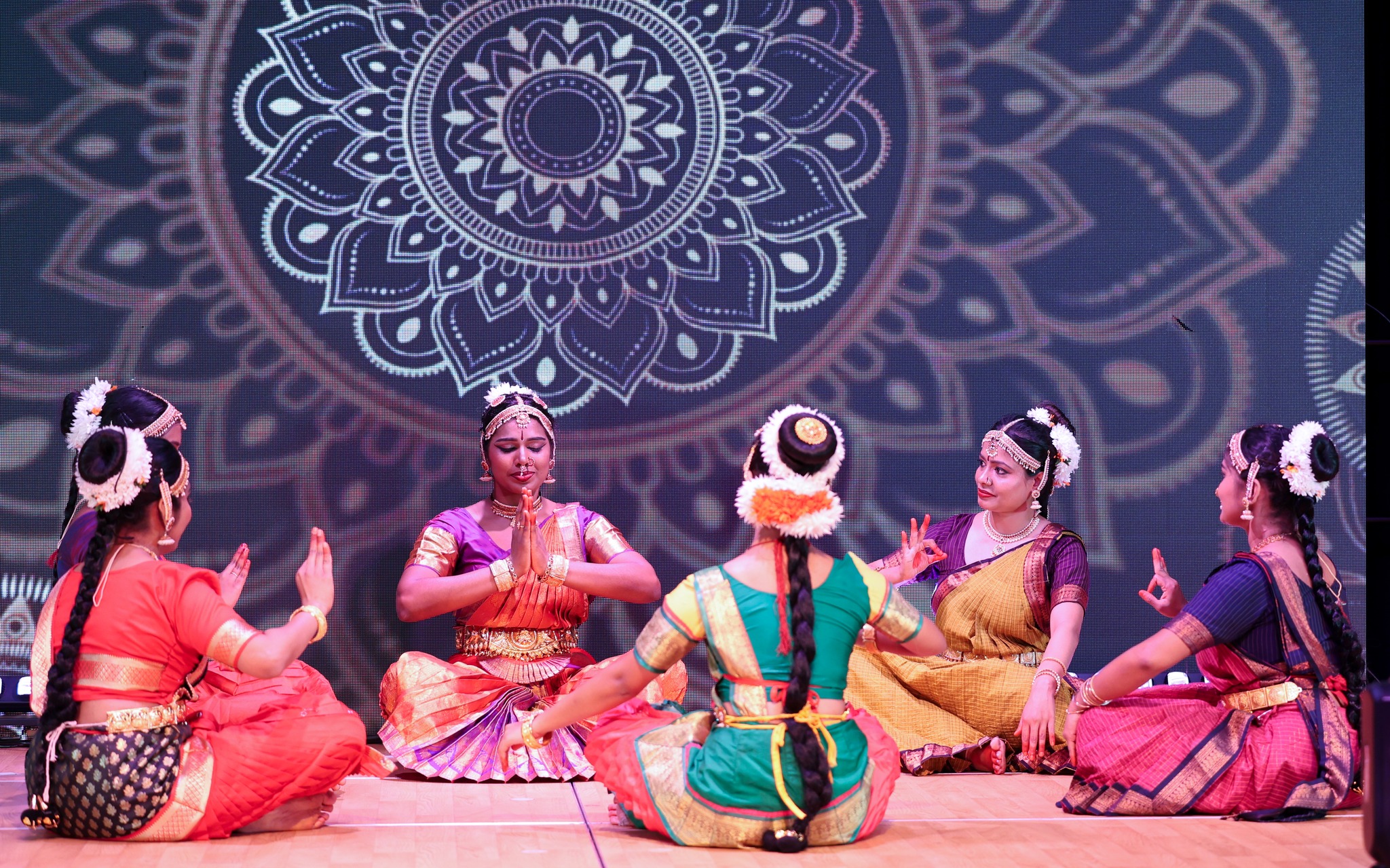
“For audiences, witnessing the dance is a magical experience. The music, facial expressions, eye and eyebrow movements, and the way timeless stories are portrayed through the language of dance transport them to another world. Audiences may laugh, cry, or smile along with the artist, marvel at the intricate mudras, and leave with a refreshed mind and soul. The rhythm and storytelling blend with their own emotions, creating admiration, wonder, and a deep connection to the art form.
“For practitioners, the dance offers a holistic opportunity to mould the body gracefully while connecting with the soul. It builds discipline, confidence, and creativity, reduces stress and anxiety, and replaces negative thoughts with positivity. Learning and embodying stories from ancient traditions mesmerises the mind, nurtures emotional intelligence, and fosters a profound sense of connection with oneself and the wider cultural community.”
As a working artist, who are your past and present creative inspirations?
“I have been inspired by many artists throughout my dance journey. During my education, I admired my seniors’ performances and was especially inspired by a classmate who sought out new gurus and constantly updated her skills — her dedication and artistry motivated me to push my own boundaries.
“Later, during my diploma in Mohiniyattam, my guru, Shri Iringalakuda Krishnakumar, became a profound inspiration. As a male artist performing a traditionally female dance form in full costume, he exemplified discipline, devotion, and perfection in practice, showing me the depth and purity of the art.
“Today, I draw inspiration from contemporary classical dancers like Rukmini Vijayakumar and Meera Narayanan, whose unique styles blend tradition with innovation. Through all these influences, I continue to learn, grow, and, through my own dedication, aspire to inspire others in the art forms I love.”
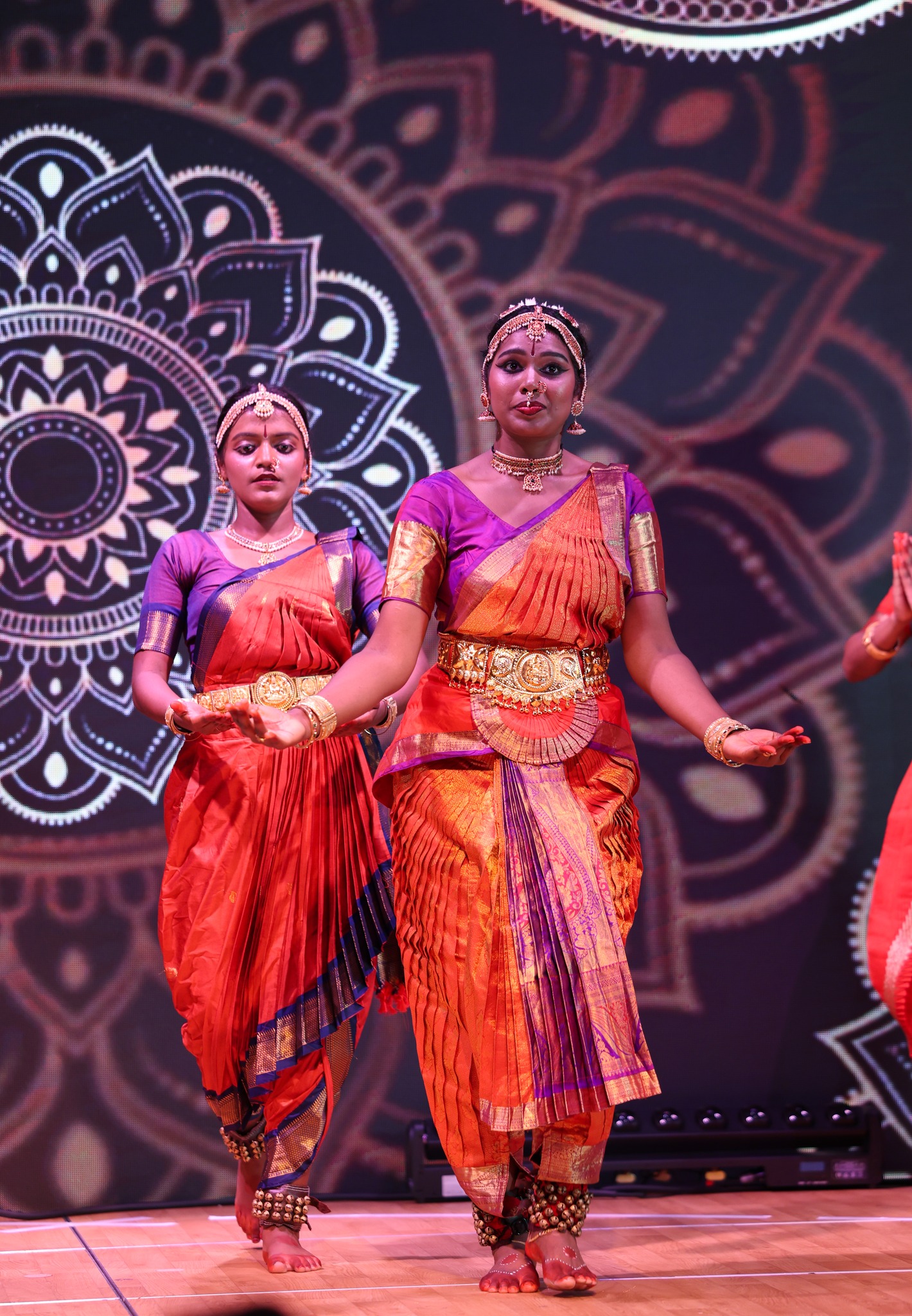
Aparna will be performing at Bristol Community Festival on June 13 and the Onam Festival programme at Bristol Malayalee Association in September (dates to be announced). A series of five Bharatanatyam workshops from June 2026 in Bristol and Wales is currently being planned.
Find out more at www.narthakidanceacademy.co.uk, or follow Aparna Pavithran @narthaki_artistryofaparna and @theaparna.
All photos: Aparna Pavithran
Read next:
 Our newsletters emailed directly to you