Your say / Tourism
‘A tourist tax could see visitors taking their custom away from Bristol’
As with any form of taxation, the devil is in the detail with the tourist tax.
The acceptability of a tax – to the industry and the public – depends on the rate at which it is levied (typically a few pounds, dollars or Euros per night depending on the country and the star rating of the accommodation), and what is to be done with the money raised by it; for example, reinvesting it in the public realm (including better signage, street-cleaning and litter collection, and public toilets), which improve the destination, visitor experience and quality of life for residents and make it a more attractive place to stay (and to live and work in).
Also, is the tax to be passed on by the accommodation business to the guest in the form of higher prices for a night’s stay or will they absorb the additional cost, thus affecting profits?
is needed now More than ever
Neither one nor the other option is attractive in the current climate, when households are wrestling with a cost-of-living crisis and businesses with so-called ‘red tape’ and regulation and associated costs.
Tourists can be sensitive to even minimal increases in prices and elect to take their custom elsewhere.
The concern is that a tourist tax to stay in Bristol might drive them to other city-break destinations in the UK or Europe, reducing occupancy rates and revenue for the city’s hotels and guest houses.
Visitors already pay VAT on purchases charged at 20p in the pound, making the UK more expensive than competitor destinations in Europe.
The UK is ranked 113th in the world out of 119 countries for price competitiveness (2024 T&T Competitiveness Index) and, in terms of reputation, can ill afford anything that pushes up prices further.

The Balloon Fiesta brings thousands of visitors to Bristol – photo: Rob Browne
There is also the competitive threat of Airbnb and short-term apartment rentals.
There are over 4,000 properties listed on Airbnb in Bristol and Bath alone (on the AirDNA website).
These platforms and the hosts that use them exist outside of the regulated visitor economy, and do not bear the same costs as traditional accommodation businesses.
Airbnbs and the like are not in-scope for tourist taxes, so can undercut hotels and guest houses that incur them.
Hospitality and tourism businesses have seen their costs increase because of hikes in national insurance and the minimum wage in recent Budgets, plus inflated energy and commodity prices linked to external events such as the war in Ukraine.
Those businesses, many of which are small to medium sized enterprises, operate on slim margins and will struggle if costs and prices rise any further though taxation or by other means.
There are several existing, and successful, tourist tax schemes in European cities such as Paris, and other UK destinations including Oxford – which struggles with overcrowding linked to tourism at peak times – are seriously looking at levying a tax to help manage demand and pay for repairs.
However, while a well-managed and sensitively communicated tourist tax – with transparency over where the money goes – may do some good in principle, this is arguably not the right time to implement such a scheme in Bristol and the wider area covered by the West of England Combined Authority.
This is an opinion piece by Tim Gale, senior lecturer in marketing at UWE Bristol
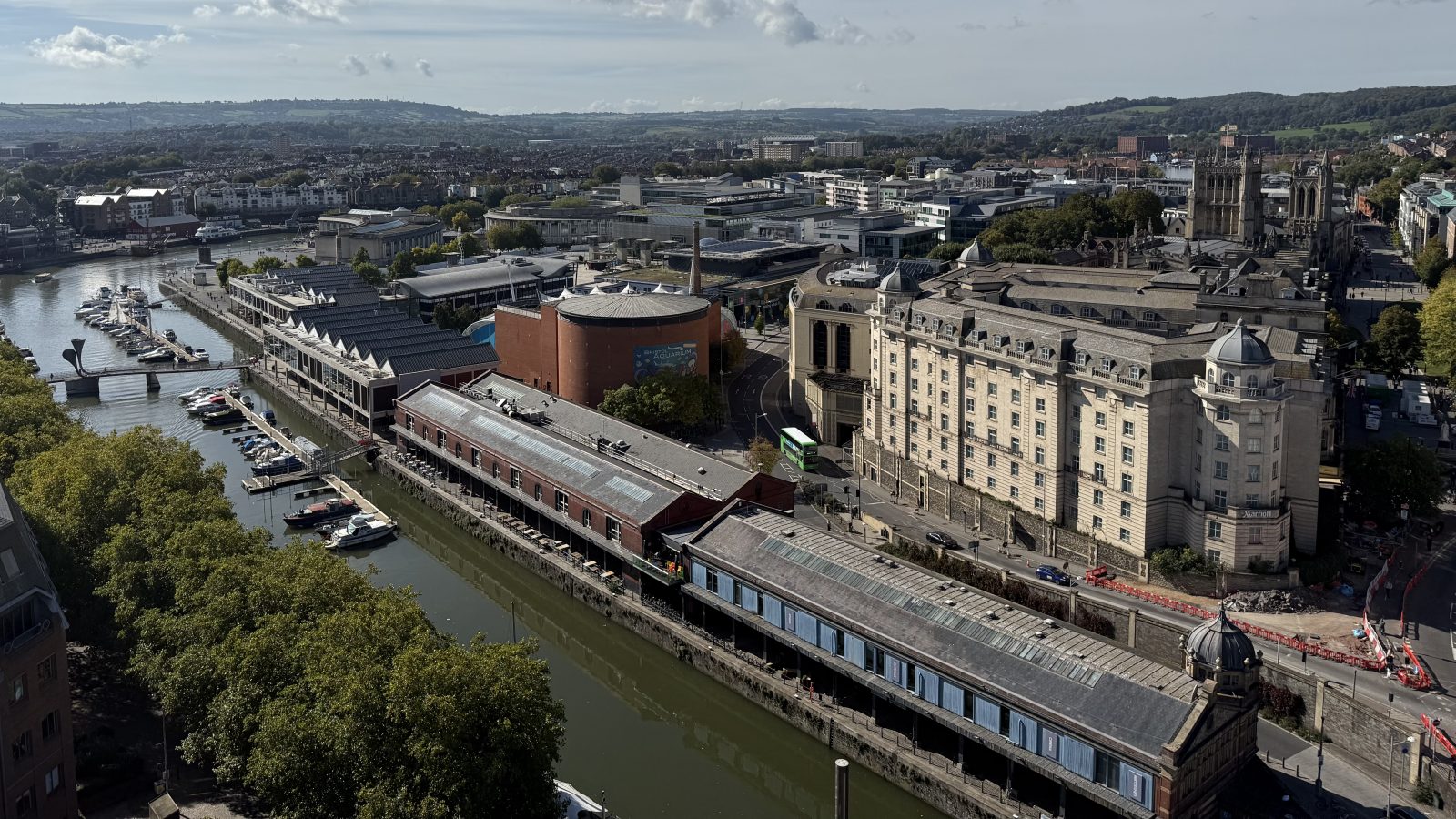
Main photo: Martin Booth
Read next:
 Our newsletters emailed directly to you