Your say / UWE Bristol
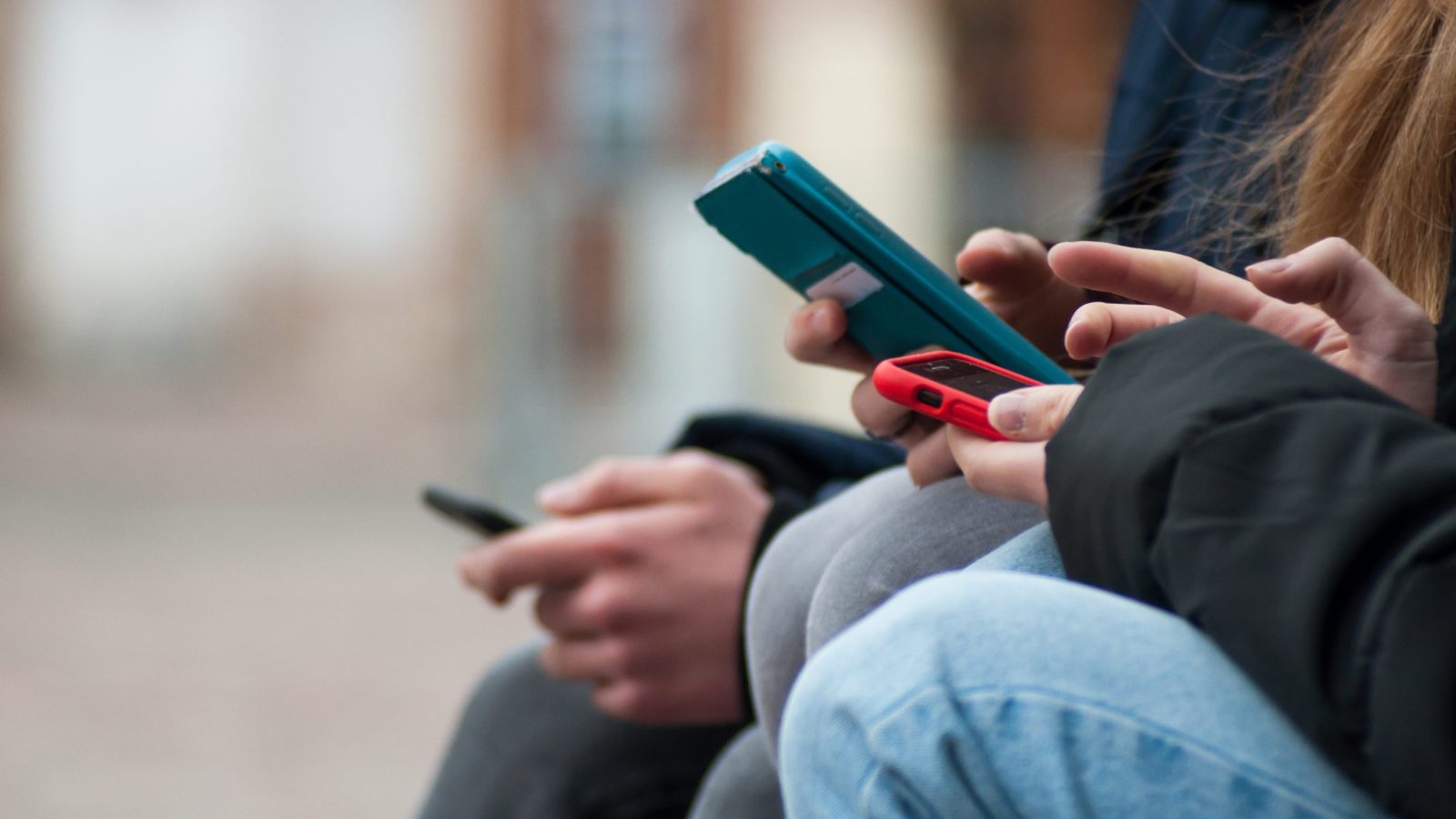
‘Should people under 16 be banned from using social media?’
Australia has introduced legislation prohibiting individuals under the age of 16 from holding social media accounts. Under the policy, platforms face financial penalties if they fail to take reasonable steps to prevent minors from accessing their services.
Australia’s approach builds on existing regulation. In both the UK and the USA, the “digital age of consent” is set at 13 years and is governed by data protection legislation, although enforcement has historically been limited.
Following Australia’s decision last year, the UK Government is considering its next move. A public consultation was launched on whether to ban social media for under-16s in March, and last month ministers committed to implementing age or functionality restrictions, in some form, for children under 16.
is needed now More than ever
But is a blanket ban really the most practical way to protect children online? While safeguarding young people is essential, social media also plays a role in freedom of expression, social connection and the development of digital literacy.

“Is a blanket ban really the most practical way to protect children online?” – photo: Doctorxgc
Although there are genuine risks to mental health and safety, might stronger regulation, clearer enforcement and improved digital education provide a more balanced solution? Supporters of the ban argue that restricting social media access for people under 16 is a necessary step in protecting adolescents from growing online harm.
One of the primary concerns regarding social media is its impact on young people’s mental health. The highly curated nature of online content, combined with exposure to idealised beauty standards and constant opportunities for social comparison, may contribute to increased anxiety, lower self-esteem and body image dissatisfaction.
Another key argument towards the ban focuses on cyberbullying and online harassment. Unlike traditional bullying, online abuse can be continuous, highly visible, and often goes unpunished, making it much harder for young people to escape.
Supporters argue that restricting access to social media would reduce exposure to these harmful experiences during an especially vulnerable stage of development.
Our own research study in this area, focused on adults using social media platforms for the purposes of influencing or content creation, revealed similar concerns regarding social media use – with our research participants reporting struggles with mental health pressures, along with incidents of bullying and trolling.
Another argument in favour of the ban is that social media platforms are intentionally designed to be addictive. Even the language surrounding them is revealing, with terms such as “users” and “followers” carrying almost insidious connotations of dependency or even cult like attachment.
Platforms are built on psychological principles. Algorithms are designed to promote constant scrolling, while notifications, comments, and ‘likes’ trigger dopamine-based reward responses in the brain.
Excessive social media use has been linked to disrupted sleep patterns, reduced concentration and declining academic performance. Constant connectivity can fragment attention and create pressure to remain continually socially available.
Supporters of a ban argue that limiting access during adolescence could help establish healthier digital habits. With reducing cyberbullying and limiting excessive screen time among young in mind, along with improving behaviour, the UK government last month announced plans to introduce a legal ban on smartphones in schools across England.
Despite all the concerns, there are arguments against implementing a blanket ban. Social media can play an important role in fostering connection, particularly for young people living in remote or rural areas where opportunities for face-to-face interaction may be limited.
For some teenagers, online platforms provide vital spaces of belonging and support. Marginalised groups, such as LGBT+ young people and those living with disabilities or serious illnesses, among others, often use social media to find communities that understand their experiences in ways their immediate social circles do not.
Beyond connection, social media can also facilitate political expression, identity development and exposure to diverse perspectives. It allows young people to engage with social, political and environmental issues, access information and participate in public discourse beyond their local environments.
Critics further argue that a ban could produce unintended consequences. Restricting access to mainstream platforms may push teenagers toward less regulated or alternative online spaces, potentially increasing rather than reducing risk.
Early observations following the introduction of Australia’s social media restrictions suggest that young people may already be seeking ways to circumvent such measures. For example, Yasmin London, chief executive of The Digital Fluency Group, noted that “we’re already seeing a ‘how-to’ culture emerging online to discuss methods to skirt the ban”.
Protecting young people online is widely recognised as essential, yet regulating social media platforms remains complex. Governments have introduced several measures aimed at improving online safety, although the effectiveness of these interventions remains uncertain.
More broadly, governments have historically struggled to regulate powerful industries effectively and the technology sector presents similar challenges. As seen in areas such as tobacco, alcohol and the food industry, commercial interests have often outpaced regulatory efforts.
In this context, relying solely on regulation and education may not be sufficient to protect the most vulnerable users. For this reason, a precautionary restriction on social media access for those under 16 could serve as a protective interim measure.
Younger adolescents may be particularly vulnerable to the cognitive, emotional and psychological effects associated with social media use. A government-led restriction could therefore support parents, teachers and schools in establishing clearer boundaries around social media engagement during a critical stage of development.
Such a policy should not be viewed as a permanent solution, but rather as a transitional measure while stronger regulatory frameworks are developed and enforced. Alongside any age-based restriction, governments should continue to strengthen platform regulation, improve algorithmic transparency and introduce clearer rules around advertising and misinformation.

“One of the primary concerns regarding social media is its impact on young people’s mental health” – photo: Tomwsulcer
Investment in digital literacy education is also essential to help young people critically evaluate online content and understand how algorithms dictate their digital experiences. These skills will become increasingly important in a digital environment where artificial intelligence and automated systems play a growing role in shaping communication and information.
Ultimately, while regulation and education remain essential components of long-term digital policy, a temporary restriction for younger adolescents provides the most pragmatic short-term strategy while governments develop more effective mechanisms for regulating the platforms themselves.
This is an opinion piece by UWE Bristol’s Dr Moya Lerigo-Sampson, Dr Issy Bray and Dr Yvette Morey. They are conducting research into the mental health and wellbeing of professionals working in social media influencing and content creation.
Main photo: AdobeStock
UWE Bristol is a member of the Bristol24/7 Better Business network, an initiative to help businesses thrive while creating a positive impact on Bristol and the people who live here. As part of their membership, businesses can publish member news stories like this. For more information, visit my.bristol247.com/better-business
Read next:
 Our newsletters emailed directly to you