Your say / Transport
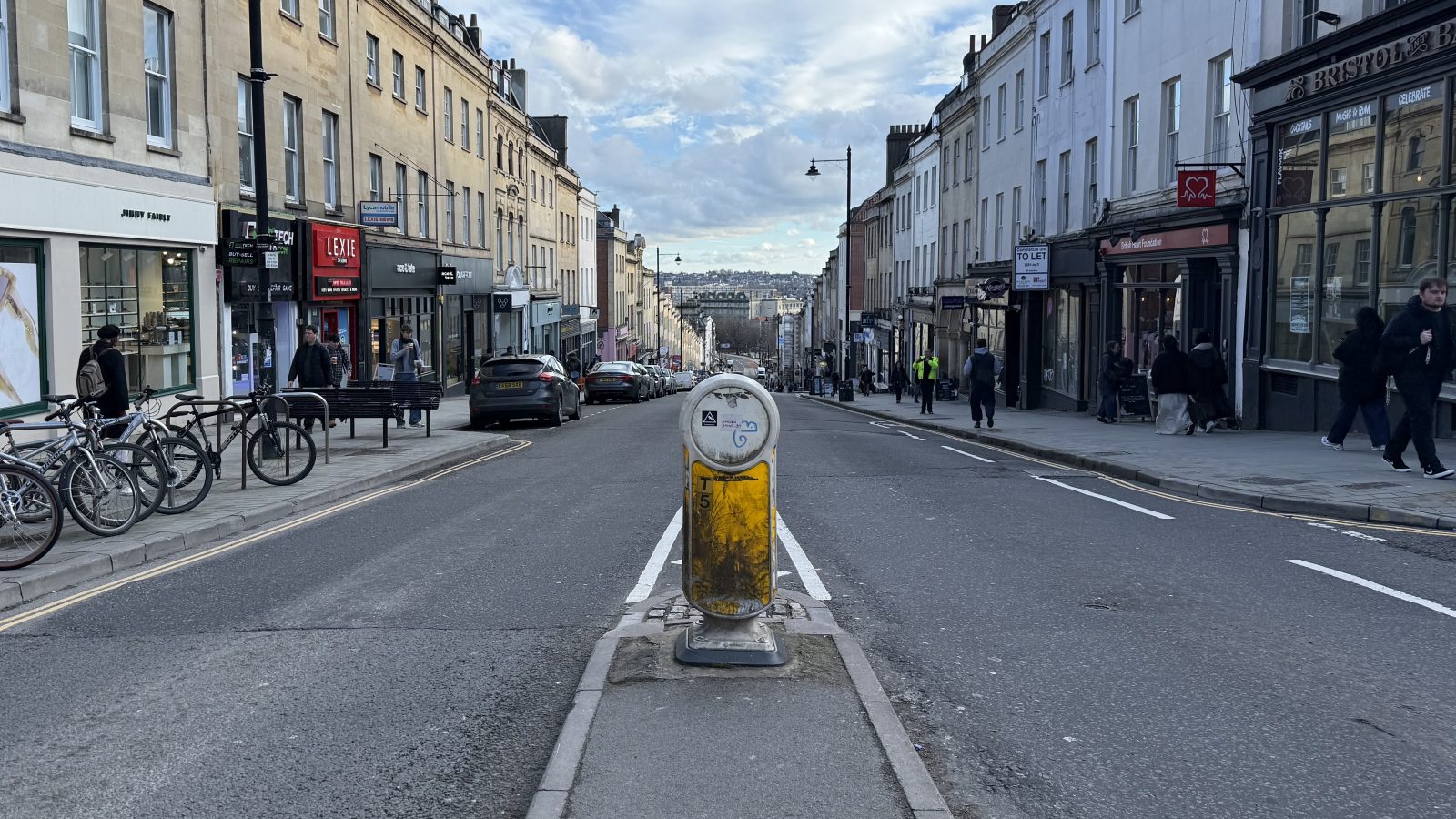
‘Reducing cars on Park Street would make it safer for everyone’
Bristol is the second most congested city in the UK, with drivers losing an average of 65 hours traffic in 2024.
Department for Transport data shows that traffic has been rising since the pandemic. Time spent sat in traffic is not good for air quality or for our physical or mental health.
Bristol City Council has proposed to implement a 24-hour bus gate on the top of Park Street which would, yes, block cars from travelling the way that they do now, but will allow for buses to travel more quickly and efficiently.
Having worked in the area for over three years, I am intimately familiar with the challenges of walking and cycling on Park Street.
The area is also one where I do shopping and spend leisure time, and when my child was small, we spent a lot of time at the nearby Bristol Museum.
Being able to cross the street is a massive challenge, whether on my bike, which I don’t do often because it is steep and hard work, or just as a pedestrian. Currently, it is fraught with near misses.
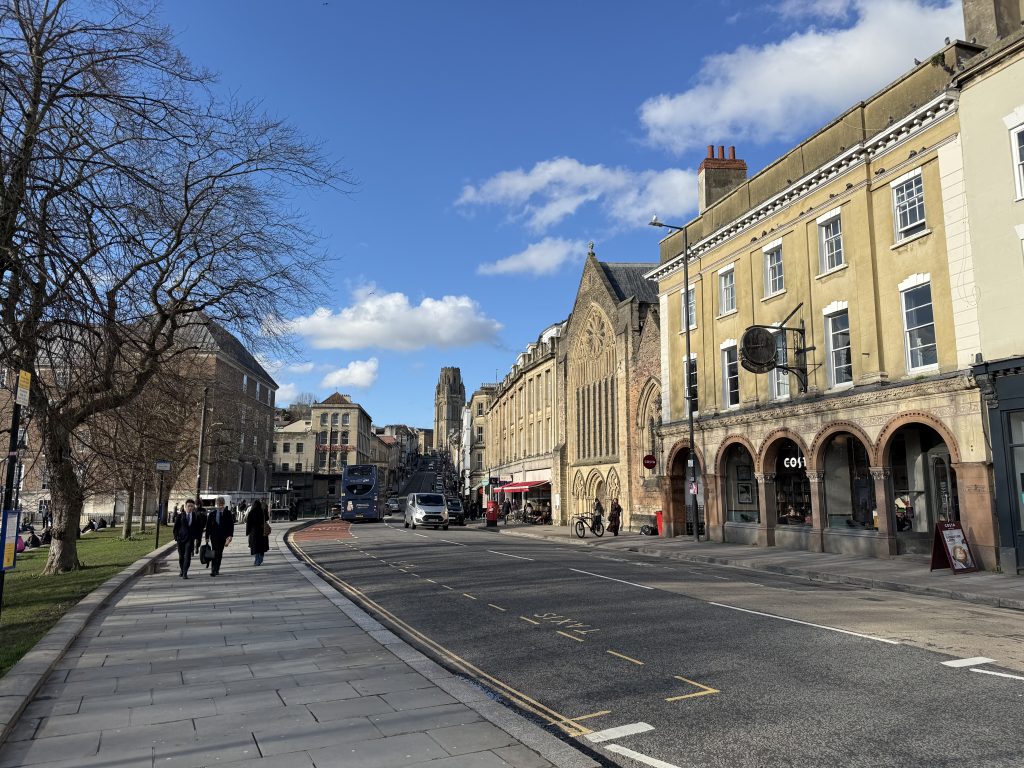
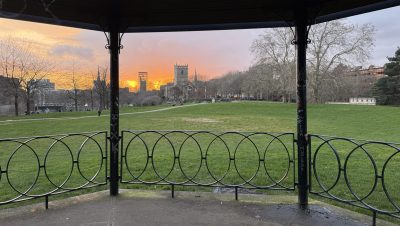
The Wills Memorial Building has been a landmark at the top of Park Street for 101 years – photo: Martin Booth
I believe the bus gate should be 24 hours a day for a few reasons. Rush hour may or may not encompass the school run periods, but it definitely doesn’t include the lunch rush.
There are a lot of younger people in the area as well, whether attending nearby secondary schools, the University of Bristol or City of Bristol College, they are the ones who I see regularly during the day, especially at lunch.
But Bristol also has a thriving nighttime economy with 41 per cent of jobs in this workforce, about a third of which are in health or personal social services, 31.5 per cent in culture and leisure, and 35 per cent in support services.
And considering that there are many restaurants and venues in this area, it is likely that these activities are also going to fall outside of ‘rush hour’.
A key reason for supporting Bristol City Council’s plans to transform Park Street is that we need to make “healthy transport options the easiest, natural choice for most journeys without relying on a car” – as in the Bristol Declaration led by professor Scarlett McNally.
I signed the Bristol Declaration in October 2025 because I genuinely believe that without bold change to our transport policy, population health will continue to decline and transport poverty will continue to adversely affect the most vulnerable especially women, children and people with disability.
An equalities impact assessment has also been carried out for the changes to Park Street which included extensive engagement with equalities-based groups which has influenced designs.
One of the reasons against implementing the scheme is the data showing an increase in air pollution outside the BRI and Children’s Hospital.
The modelling does show an increase. However, it would still be below the legal limit.
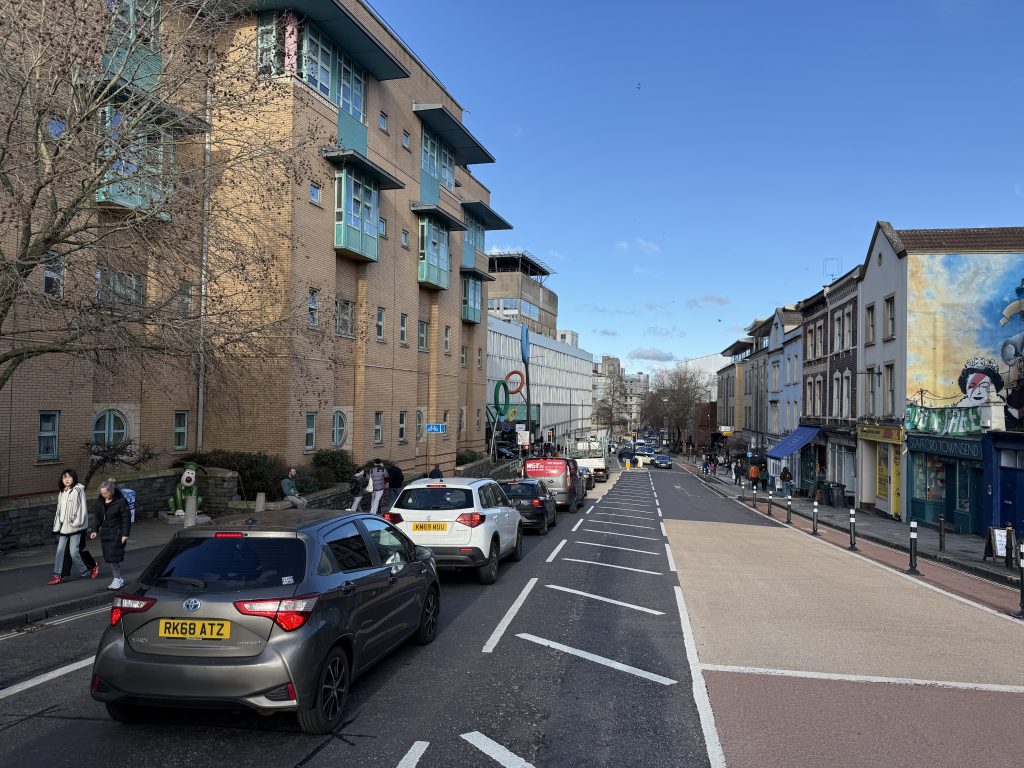
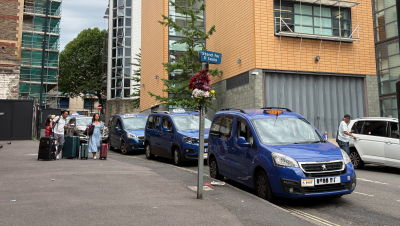
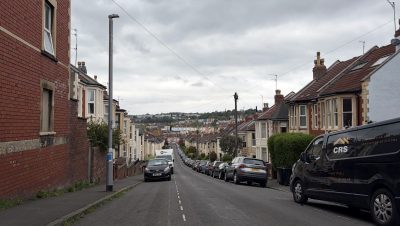
There are fears that preventing through-traffic from Park Street would increase the number of vehicles on Upper Maudlin Street – photo: Martin Booth
We desperately need to improve air quality across our city, as well as transition to ways of mobility that include options for healthy travel for everyone.
A just transition to the climate crisis will not embed private car ownership.
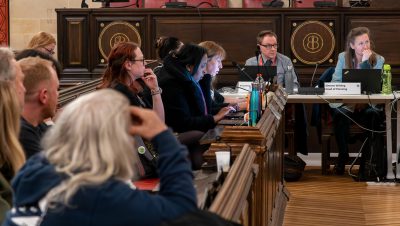
In 2024, Bristol resolved to be the UK’s most accessible city and progress toward the Inclusive Transport Vision will also be presented upon at the upcoming committee meeting.
The vision highlights the need for safe, accessible public transport as well as “a joined up, accessible, safe active travel network, so everyone can get where they need to go easily and safely”.
And really, that is what I want.
We need to have good walking and cycling routes if we want to increase the use of public transport and decrease the use of privately owned cars.
This will not only help Bristol’s traffic problems but will also help its citizens choose healthier options for travel.
This is an opinion piece by Zoe Banks Gross, an independent sustainability consultant.
Main photo: Martin Booth
Read next:
 Our newsletters emailed directly to you